Why Cheney Reservoir Is Known for Walleye
It can feel like a real mystery trying to consistently find a specific fish species in Kansas's vast reservoirs, especially elusive ones like walleye. Many anglers spend countless hours on the water, moving from lake to lake, hoping to stumble upon that perfect bite. But for those in the know, one name consistently rises to the top when talking about walleye success: Cheney Reservoir. This guide will delve deep into why Cheney has earned its reputation as the premier walleye fishery in the state, offering insights into its unique environment, strategic management, and the proven techniques that make it a walleye angler’s paradise.
The Unique Environment of Cheney Reservoir for Walleye
Cheney Reservoir isn't just another big lake; it's a meticulously crafted ecosystem that has, almost by design, become a haven for walleye. Its natural characteristics combine with its strategic location to create the perfect conditions for these prized game fish to thrive.
Habitat and Structure
When you look at Cheney's underwater topography, it becomes clear why walleye are so at home here. The reservoir is known for its extensive rocky points, which drop off into deeper waters, as well as numerous submerged humps and old creek channels. Walleye, being structure-oriented fish, absolutely love these features. They provide excellent ambush points for feeding on baitfish and offer protection from direct sunlight, which walleye generally avoid due to their sensitive eyes.
Unlike some murkier Kansas lakes, Cheney often boasts clearer water, especially in certain sections. This clarity, coupled with its diverse structure, means walleye can effectively use their superior low-light vision to hunt. You'll find them hugging these rocky ledges or suspended just off the deeper humps, particularly during dawn and dusk. Understanding the bottom contours and identifying these crucial structures, even down to specific breaks and transitions from rock to sand, is key to consistent success here. Anglers who take the time to map out these underwater features with modern electronics often reap significant rewards, as these areas concentrate baitfish and, consequently, hungry walleye.
Forage Base Abundance
A healthy walleye population needs a robust food source, and Cheney Reservoir delivers on this front in spades. The lake supports an incredible abundance of gizzard shad, a primary forage species that forms the backbone of the walleye diet. Beyond shad, you'll also find a healthy population of other smaller fish like crappie and white bass fry, all contributing to a diverse and rich buffet for the walleye.
This plentiful and varied forage base means that Cheney's walleye grow quickly and remain in excellent condition. They don't have to expend excessive energy hunting, allowing them to dedicate more resources to growth. Furthermore, the availability of different baitfish throughout the year ensures a consistent food supply, preventing boom-and-bust cycles that can plague fisheries with less diverse forage. Anglers often pay close attention to the movements of these baitfish, as finding the food usually means finding the walleye. This strong food chain is a critical component in why Cheney produces so many quality walleye year after year.
Strategic Stocking and Management Efforts
While Cheney's natural attributes are undeniable, its reputation as a walleye hotspot wouldn't be possible without the dedicated efforts of the Kansas Department of Wildlife, Parks and Tourism (KDWP). Their proactive approach to fisheries management has been instrumental in cultivating and sustaining such a vibrant walleye population.
Kansas Department of Wildlife, Parks and Tourism KDWP Programs
The KDWP has a long-standing commitment to enhancing walleye fishing across Kansas, and Cheney Reservoir is a prime beneficiary of these efforts. They regularly conduct strategic stocking programs, introducing thousands of walleye fingerlings and even larger juveniles into the reservoir each year. These stockings aren't just random releases; they are carefully planned based on detailed biological surveys, assessing natural reproduction rates, survival rates, and overall population health.
The consistent infusion of stocked fish helps to supplement natural recruitment, ensuring that even in years with less successful natural spawns, the walleye population remains strong. This proactive management strategy provides a stable foundation for the fishery, offering anglers reliable opportunities season after season. Without these ongoing stocking programs, even a lake as naturally conducive to walleye as Cheney would struggle to maintain its status as a top-tier destination. If you're looking for more general information on fishing licenses in Kansas, our Kansas Fishing License Guide can help you get started.
Regulations and Conservation
Beyond stocking, KDWP implements specific regulations designed to protect and enhance the walleye fishery at Cheney and across the state. These regulations, which include minimum length limits and daily creel limits, are not arbitrary. They are science-backed measures crucial for the long-term health of the walleye population. For instance, a common regulation might be a minimum length limit, ensuring that a certain percentage of walleye reach maturity and have the chance to spawn at least once before being harvested. You can find detailed information on these rules in our Kansas Walleye Length Limits and Kansas Fishing Regulations Explained articles.
By adhering to these rules, anglers play a direct role in conservation. Protecting larger, sexually mature walleye is vital for successful natural reproduction, which complements the stocking efforts. These conservation strategies help maintain a healthy age structure within the walleye population, ensuring both good numbers of catchable fish and the potential for trophy-sized specimens. It’s a delicate balance of providing ample fishing opportunities while safeguarding the future of the species, and Cheney's success is a testament to effective management.
Angler Success and Local Reputation
Cheney's status as a walleye haven isn't just about fish in the water; it's also about the fishing experience itself. Anglers consistently find success here, building a strong local reputation that draws enthusiasts from all over.
Proven Fishing Techniques and Seasons
One of the reasons Cheney stands out is the consistent effectiveness of various walleye fishing techniques throughout the year. While walleye can be notoriously finicky, Cheney provides environments where classic methods shine. Trolling crankbaits, for example, is incredibly productive, especially when targeting suspended fish over deeper structure or along the expansive flats. Anglers often employ different color patterns and diving depths, experimenting to match the prevailing conditions and baitfish activity. Our guide on Trolling for Walleye on Kansas Reservoirs provides excellent tips for this.
Jigging with live bait, like minnows or nightcrawlers, is another go-to strategy, particularly when walleye are concentrated on specific humps or rocky points. Slip-bobber fishing with leeches or worms can also be deadly, allowing for a subtle presentation near cover. Understanding the Kansas Fishing Seasons Guide is also crucial, as walleye behavior changes dramatically with the seasons. Spring sees them moving shallow for the spawn, summer finds them deeper in cooler waters, and fall brings aggressive feeding frenzies as they fatten up for winter. Learning these patterns and adapting your approach is key to consistently catching walleye at Cheney. For more specific gear recommendations, check out Best Lures for Kansas Walleye.
Community and Guide Support
The walleye fishing community around Cheney Reservoir is vibrant and passionate. Local bait shops are often buzzing with fishing reports, tips, and friendly competition, fostering an environment where knowledge is shared. There are often local tournaments focused on walleye, which further cement Cheney's reputation and push anglers to refine their techniques. This communal spirit means that even if you're new to the lake, there's a wealth of local wisdom to tap into.
For those looking to accelerate their learning curve or simply maximize their time on the water, Cheney offers access to some highly skilled local fishing guides. These guides specialize in navigating Cheney's unique waters and have an intimate understanding of walleye behavior there. Booking a trip with an experienced guide can be an invaluable investment, offering insights into productive spots, optimal techniques, and current patterns. Many anglers find these professionals through services like FishingBooker, which makes it easy to connect with local experts who can significantly enhance a fishing trip, whether you're a beginner or a seasoned pro. They can teach you the subtle nuances that make all the difference, from reading your electronics to the perfect jigging cadence.
Planning Your Cheney Walleye Trip
Ready to experience Cheney Reservoir for yourself? Planning ahead will set you up for success, ensuring you have the right gear and know where to focus your efforts. A good starting point is our comprehensive Cheney Reservoir Fishing Guide, which offers a broader look at the lake.
Essential Gear for Cheney Walleye
Having the right equipment can make or break a walleye trip to Cheney. For trolling, you'll want medium-light to medium-heavy action casting rods, typically 7 to 8 feet long, paired with baitcasting reels spooled with 10-15 lb test monofilament or fluorocarbon line. This setup provides the backbone to handle larger walleye while still offering sensitivity for subtle bites. For jigging or slip-bobber presentations, a sensitive 6'6" to 7' medium-light spinning rod with a fast action tip, spooled with 6-8 lb fluorocarbon or braided line with a fluorocarbon leader, is ideal. This allows for precise lure control and detects the lightest taps.
Beyond rods and reels, a quality fish finder with GPS and mapping capabilities is almost a necessity on a lake like Cheney. Brands like Lowrance, Humminbird, and Garmin offer excellent units that help you locate those critical submerged humps, rocky points, and baitfish schools. Don't forget a good selection of crankbaits in various diving depths and colors (perch, shad, chrome/blue are often productive), along with jig heads from 1/8 to 1/2 ounce, curly tail grubs, and plenty of live bait if you prefer that approach. For deeper insights into tackle, our guide on Best Rod and Reel Combo for Walleye can be very helpful.
Best Access Points and Fishing Zones
Cheney Reservoir offers numerous access points for both boat and bank anglers. For boaters, several well-maintained public boat ramps are available around the lake, including those at Cheney State Park. These ramps provide easy access to the main body of the lake, allowing quick travel to favorite walleye haunts. Consider checking out services like FishingBooker for potential boat rentals or guided trips that launch from convenient locations.
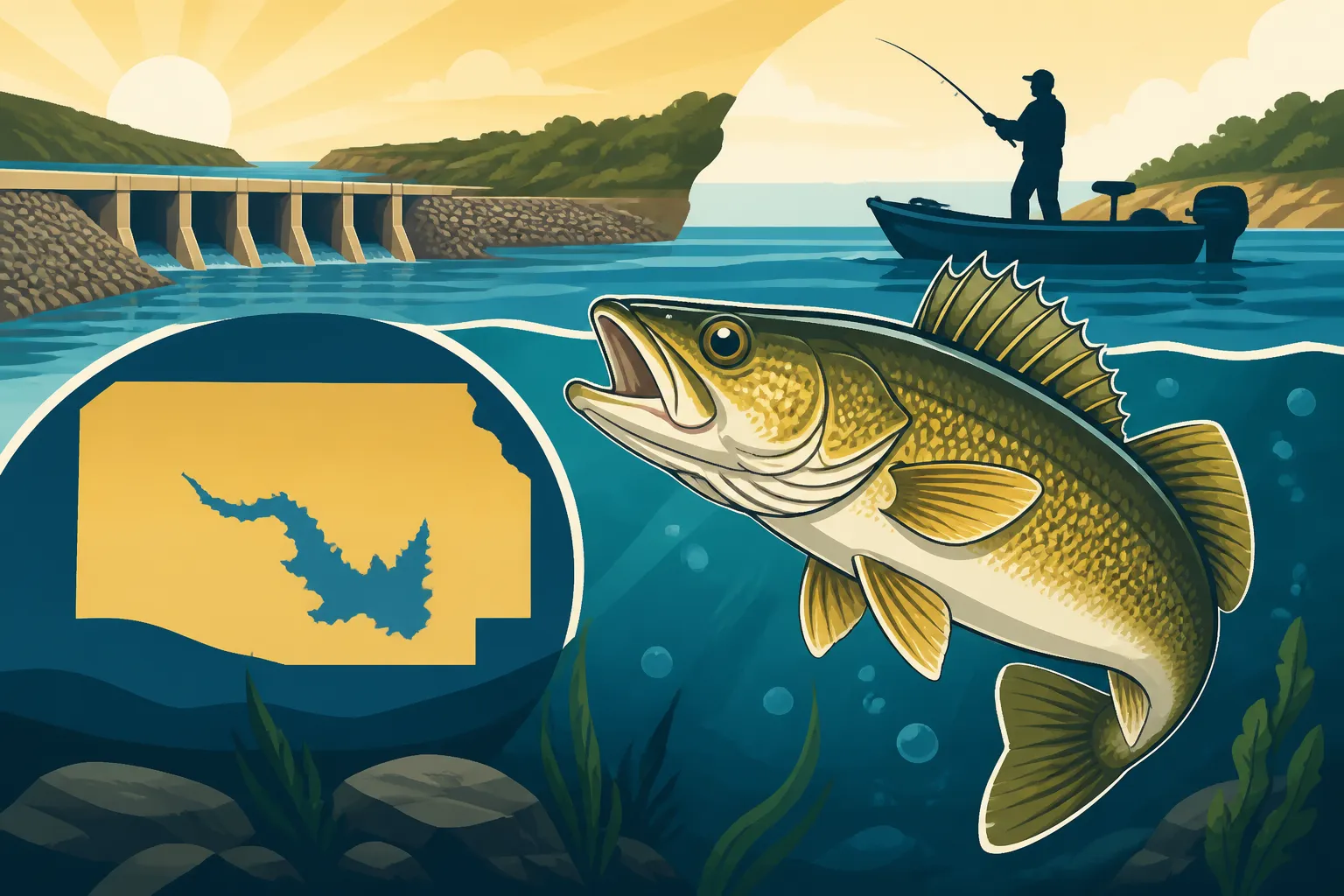
As for specific fishing zones, the areas near the dam and the causeway are consistently productive, offering deeper water and rocky structure that walleye frequent. The numerous points on the northern and southern shores, especially those with submerged timber or rock piles, are also prime targets. For shore anglers, designated fishing areas within Cheney State Park or along the causeway provide opportunities to cast for walleye, particularly during the spring and fall when fish are shallower. Remember, walleye are often found relating to structure, so look for areas with quick depth changes or distinct bottom features, whether you're in a boat or fishing from the bank. If you prefer to fish from shore, our article on Best Bank Fishing Spots at Cheney Reservoir offers practical advice.
| Feature | Contribution to Walleye Success at Cheney Reservoir |
|---|---|
| Diverse Habitat | Abundant rocky points, submerged humps, and clear water provide ideal ambush points and comfortable living conditions for walleye, especially during low light. |
| Rich Forage Base | Plentiful gizzard shad, crappie, and white bass fry ensure a consistent and high-quality food source, promoting rapid growth and healthy walleye populations. |
| KDWP Stocking | Regular and scientifically managed stocking programs supplement natural reproduction, maintaining strong walleye numbers even in challenging years. |
| Effective Regulations | Length and creel limits protect breeding stock and allow younger walleye to mature, fostering a sustainable fishery and trophy potential. |
| Angler Techniques | The lake's structure and fish behavior respond well to proven walleye tactics like trolling, jigging, and slip-bobber fishing, leading to consistent catches. |
| Guide Support | Experienced local guides, often found via platforms like FishingBooker, offer invaluable expertise, helping anglers efficiently locate and catch walleye. |
Cheney Reservoir truly stands out among the Best Fishing Lakes in Kansas for its exceptional walleye fishery. Its unique blend of natural attributes, combined with dedicated management and a thriving angling community, creates a premier destination for anyone hoping to land one of these sought-after fish. So, pack your gear, study the maps, and get ready to experience some of the best walleye fishing Kansas has to offer!
Disclaimer
Please note that fishing regulations, conditions, and fish populations can change. Always check the latest Kansas Department of Wildlife, Parks and Tourism (KDWP) regulations before heading out on the water. This guide is for informational purposes only and does not guarantee fishing success.