Wilson Lake Fishing Guide
There's nothing quite as frustrating as showing up to a new lake, full of hope, only to spend hours casting without a single bite. You've heard whispers of the incredible fishing at Wilson Lake, but figuring out where to start can feel overwhelming. This comprehensive guide is designed to cut through the confusion, offering you all the local knowledge, essential tips, and detailed breakdowns you need to successfully navigate Wilson Lake's waters and bring home a great catch, whether you're chasing walleye, striped bass, or panfish.
Discovering Wilson Lake's Angling Charms
Wilson Lake, nestled in the heart of Kansas, is often hailed as one of the state's most beautiful and productive fishing destinations. But its beauty isn't just skin deep; beneath its clear, azure waters lies a vibrant ecosystem teeming with a variety of game fish, offering diverse challenges and rewards for every angler. It's a place where the rugged, picturesque bluffs meet expansive open water, creating a truly unique fishing experience.
Geographical Significance and Unique Features
Wilson Lake isn't just another reservoir; it's a jewel in the Kansas landscape, located in Russell and Lincoln counties, near the small town of Lucas. Created by the U.S. Army Corps of Engineers, it's known for its incredibly clear water, a stark contrast to some of the murkier impoundments in the region. This clarity can be a double-edged sword for anglers; while it makes for stunning scenery, it also means fish can be more wary and require more subtle presentations. The lake's shoreline is exceptionally rugged, featuring dramatic limestone bluffs, rocky points, and numerous coves that provide excellent cover and structure for fish. These geological formations aren't just pretty to look at; they're vital fish habitat, offering drop-offs, ledges, and hiding spots that are prime targets for savvy anglers. The reservoir's vastness, covering over 9,000 surface acres, ensures that even on busy days, you can often find a quiet corner to yourself. Its deep canyons and open flats provide varied environments, from shallow spawning grounds in spring to deep-water sanctuaries in summer and winter.
Primary Fish Species Targeted
When you cast a line into Wilson Lake, you're entering a world rich with angling opportunities, targeting some of the most sought-after game fish in Kansas. The lake is particularly famous for its thriving populations of walleye and striped bass, including their hard-fighting hybrid cousins, wipers. These species draw anglers from across the state and beyond, thanks to their impressive size and the thrilling fight they offer. But the lake's bounty doesn't stop there. Crappie fishing can be phenomenal, especially during the spring spawn, with both white and black crappie growing to respectable sizes. For those who prefer a powerful tug, channel catfish and flathead catfish are abundant, particularly in the deeper river channels and timber-laden coves. Smallmouth bass have also found a perfect home among Wilson's rocky shores, offering a challenging yet rewarding pursuit for artificial lure enthusiasts. And let's not forget the ever-present white bass, which provide fast action, especially during their spring river runs and summer schooling activities. This diversity means that no matter your preferred style of fishing or target species, Wilson Lake likely has something exciting in store for you.
Prime Targets: Wilson Lake's Most Sought-After Fish
Wilson Lake’s reputation as a premier fishing destination in Kansas is built on the strength and diversity of its fish populations. Each species offers its own unique challenges and rewards, demanding specific tactics and an understanding of their seasonal behaviors. Knowing when and where to target these fish is key to a successful outing.
Walleye Tactics and Seasons
Walleye fishing at Wilson Lake is a pursuit that tests patience and skill, but the payoff can be a truly magnificent catch. The prime time for walleye typically begins in early spring, as water temperatures rise and these elusive fish move into shallower, rocky areas for their spawning ritual. This often occurs around late March to early May, depending on the year's weather patterns. During the pre-spawn and spawn, you'll find them concentrating on rocky points, riprap near the dam, and the upper arms of the reservoir where rivers feed in. Trolling crankbaits like Berkley Flicker Shads or Rapala Shad Raps in shallower water (5-15 feet) can be incredibly effective, especially during low-light conditions. As the water warms into summer, walleye retreat to deeper, cooler waters, often suspending over humps, main lake points, and along the old river channel at depths of 20-35 feet. This is when vertical jigging with spoons or heavy jigs tipped with a nightcrawler or minnow becomes productive, or even employing bottom-bouncing rigs with live bait. Fall brings another surge in activity as walleye aggressively feed to prepare for winter, often returning to rocky points and humps in shallower depths. Remember that Kansas Walleye Length Limits are often 21 inches, so always check the current regulations before heading out. The clear water of Wilson Lake often dictates the use of lighter line, longer leaders, and more natural bait presentations.
Striped Bass and Wiper Strategies
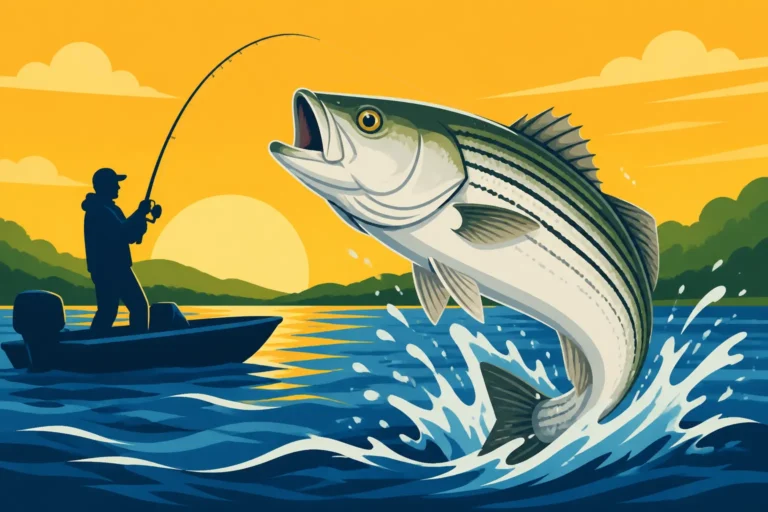
If you’re looking for a tackle-busting fight, Wilson Lake’s striped bass and wipers (hybrid striped bass) are your ultimate challenge. These powerful fish thrive in the open waters of the reservoir, chasing schools of shad and growing to impressive sizes. Spring and fall are exceptional times to target stripers and wipers, as they become incredibly active and often feed aggressively. In spring, they can be found shallower, especially near inflows and main lake points. As summer progresses, they'll move to open water, often schooling up and herding baitfish. This is when locating bait balls with your fish finder becomes crucial. Trolling large crankbaits, spoons, or swimbaits at various depths (10-30 feet) across the main lake basin is a popular and effective method. You can also spot-and-stalk schools that are busting bait on the surface during early morning or late evening, casting topwater lures or heavy spoons into the feeding frenzy. Live bait, such as shad or large shiners, fished on a Carolina rig or under a balloon, can also be deadly when the fish are deeper or less active. The key to success with these species is often covering a lot of water and being prepared for a powerful, sustained battle once you hook up. For more detailed insights, check out our guide on Kansas Striped Bass and Wiper Guide.
Crappie and Catfish Hotspots
Wilson Lake offers fantastic opportunities for anglers seeking delicious crappie and hard-fighting catfish. For crappie, spring is undoubtedly the peak season. As water temperatures climb into the 50s and 60s, both white and black crappie migrate to shallow water, seeking submerged timber, brush piles, rock formations, and the backs of coves to spawn. Look for standing cedar trees, submerged laydowns, and old creek channels in areas like Hell Creek or Lucas Park. Small jigs (1/16 to 1/8 oz) tipped with a minnow or soft plastic are irresistible to these slab-sided fish. Many anglers use a slip-bobber rig to present bait precisely at the desired depth. As summer hits, crappie often move deeper, suspending over brush piles in 15-25 feet of water or retreating to the cooler depths around creek channels. Fall offers another good bite as they school up and feed aggressively before winter. Be mindful of Kansas Crappie Length and Bag Limits, which typically require a 10-inch minimum length and allow a generous daily limit of 50 fish, but always confirm the current regulations.
Catfish, especially channel cats and flatheads, are abundant in Wilson Lake and provide consistent action throughout the warmer months. Channel catfish are found almost everywhere, from shallow coves to deep channels. They readily bite stink baits, cut bait, worms, and even cheese. Focus on the main river channel, tributary mouths, and areas with submerged timber or rock structure. Night fishing for channel catfish is particularly popular and productive in summer, as they move into shallower feeding grounds. Flathead catfish, the true giants of the lake, prefer live bait like sunfish or large shiners and are often found lurking in deeper holes, around large submerged timber, or near the dam's outflow. Jug lines or trotlines can be very effective for targeting these larger, more elusive predators. The Republican River arm of Wilson Lake is particularly renowned for its excellent catfish populations.
Navigating Wilson Lake: Top Fishing Spots and Access
Wilson Lake is a large and diverse body of water, meaning that knowing where to launch your boat or set up your bank fishing gear can make all the difference. Its numerous coves, points, and varied depths offer countless options, but some spots consistently outperform others due to their structure and accessibility.
Key Reservoir Locations for Boats
For boat anglers, Wilson Lake provides an expansive playground with distinct areas known for specific species. The Hell Creek area on the east side of the lake is incredibly popular, offering a mix of rocky points, coves, and submerged timber. This region is a known hotspot for walleye during the spring spawn, with anglers often trolling crankbaits along the rocky banks and points. Crappie also congregate in the numerous brush piles and standing timber within Hell Creek's coves. The Lucas Park area on the west side offers similar diverse habitat, featuring bluffs, deep water access, and protected coves. It’s an excellent spot for smallmouth bass along the rocky shorelines and for finding schooling striped bass or wipers in the more open water sections.
Further into the main lake, don't overlook the areas around the dam and the spillway. These deeper waters are prime for large striped bass, wipers, and flathead catfish, especially during periods of current. The sheer drop-offs and rocky structure here attract baitfish, which in turn draw in predators. Many successful anglers target the various main lake points and humps that rise from the reservoir floor, particularly during summer and fall. These underwater structures act as congregation points for walleye and striped bass, which can be located using a good fish finder. Consider exploring the upper reaches of the Republican River arm for fantastic channel and flathead catfish action, as well as early spring white bass runs.
Shoreline and Bank Fishing Access
Not everyone has a boat, and thankfully, Wilson Lake offers plenty of fantastic opportunities for bank anglers to get in on the action. The Wilson State Park areas, specifically Hell Creek and Lucas Park, provide extensive public shoreline access. Within these parks, you'll find designated fishing areas, often with accessible piers, and plenty of undeveloped shoreline where you can cast from the bank. The riprap areas near the boat ramps and dam can be highly productive for walleye, crappie, and catfish, especially during spring and fall. These rocky banks offer easy access and the structure fish love.
Several public use areas managed by the Army Corps of Engineers around the lake also offer excellent bank fishing. Look for secluded coves or points within these areas where you can set up a chair, cast out, and enjoy the peace and quiet. The mouth of Hell Creek and other feeder creeks can be great for white bass and crappie during their seasonal runs. For catfish, target deeper holes along the bank, especially where there's submerged timber or a slight current. Many of these areas also feature picnic tables and restrooms, making them ideal for family outings. Remember to respect private property signage and always clean up your fishing spot to keep Wilson Lake pristine for everyone.
Marinas and Public Ramps
Getting your boat into Wilson Lake is made easy by several well-maintained boat ramps located around the reservoir. The primary access points are found within Wilson State Park, with excellent multi-lane ramps available at both the Hell Creek area and the Lucas Park area. These ramps typically have ample parking and are suitable for launching all sizes of fishing boats, from small jon boats to larger bass boats. These park locations are also great for overall convenience, often offering amenities like restrooms, bait shops nearby (or within a short drive), and camping facilities.
Additionally, the Army Corps of Engineers manages several other public boat ramps around the lake, which might offer less crowded options, especially during peak seasons. These are generally well-marked and provide reliable access. Always check ramp conditions, especially during periods of fluctuating lake levels, as some ramps might become less accessible. While Wilson Lake doesn't feature large commercial marinas in the traditional sense, the state park and local businesses in nearby Lucas, Kansas, provide essential services like fuel, bait, tackle, and ice. Before you head out, it’s always a good idea to confirm ramp status and any fees associated with launching. For boaters, understanding Kansas Boat Registration for Anglers is crucial, as registration is required for most motorized vessels to legally operate on the lake.
Essential Gear and Proven Techniques for Wilson Lake
Success on the water at Wilson Lake isn't just about finding the fish; it's also about having the right tools and knowing how to use them effectively. Given the lake's clear water and diverse species, a thoughtful approach to gear and technique can significantly boost your catch rates.
Essential Rods, Reels, and Lines
When preparing for a fishing trip to Wilson Lake, you'll want to ensure your rod and reel setups are versatile enough to handle the variety of species you might encounter. For walleye and crappie, a medium-light action spinning rod, typically 6'6" to 7' long, paired with a 2000 or 2500 series spinning reel, is ideal. This combination offers the sensitivity needed for subtle bites and the backbone to handle larger fish. Spool these reels with 6-8 pound test monofilament or fluorocarbon line for excellent knot strength and low visibility in the clear water. If you prefer braided line, consider 10-15 pound test with a 6-8 foot fluorocarbon leader.
For the hard-fighting striped bass and wipers, you'll need a more robust setup. A medium-heavy to heavy action casting or spinning rod, 7 to 7'6" in length, coupled with a 3000-4000 series spinning reel or a baitcasting reel with a strong drag system, is a must. Spool these with 20-30 pound braided line, again with a stout fluorocarbon leader (15-25 pound test) to withstand the abrasions from their toothy mouths and the strong fight. For catfish, particularly the larger flatheads, a heavy action rod (7-8 feet) with a large baitcasting reel spooled with 30-50 pound monofilament or braided line is recommended. These setups offer the power to pull big cats from heavy cover and handle the shock of their powerful runs.
Lure and Bait Recommendations
The clear waters of Wilson Lake mean that natural presentations and subtle lure choices often outshine flashier options. For walleye, live bait reigns supreme. Nightcrawlers, leeches, and live minnows presented on a Walleye rig, Lindy rig, or slip-bobber are incredibly effective, especially when drifted over humps or jigged vertically. Artificial lures like crankbaits (Shad Raps, Flicker Shads, Bandits) in natural baitfish patterns (shad, silver, perch) are excellent for trolling. Jigs tipped with soft plastics or a minnow are also productive, particularly around rocky points.
For crappie, small jigs (1/16 to 1/8 oz) in chartreuse, white, or black are staples. Tipping these jigs with a live minnow can be irresistible. Small soft plastics like crappie tubes, grubs, or small paddle tails also work well, especially when paired with a sensitive rod. For striped bass and wipers, shad-imitating lures are key. Large swimbaits, spoons (like a Sassy Shad or Kastmaster), and heavy inline spinners are great for casting or trolling. When they're busting on the surface, topwater lures like poppers or walking baits can provide exhilarating action. Live shad, if you can net them, are undoubtedly the best bait for larger stripers. For catfish, nothing beats stink bait, cut bait (shad, carp), or chicken liver for channel cats. For flatheads, live sunfish or perch are almost always the preferred choice, fished on the bottom with a stout Carolina rig.
Advanced Techniques for Success
To truly excel at Wilson Lake, moving beyond basic casting and retrieving can make a significant difference. Trolling is a highly effective technique, particularly for covering vast expanses of water to locate walleye, striped bass, and wipers. Using a variety of crankbaits, spoons, or even planer boards to spread out your lines can help you identify preferred depths and patterns. Experiment with different trolling speeds until you find what triggers bites.
Vertical jigging is another powerful method, especially for suspended walleye and crappie found over deep structure or brush piles. With a good fish finder, you can precisely position your boat over schools of fish and drop a jig directly into the strike zone. The key is to impart subtle action to your lure, mimicking a struggling baitfish, and to pay close attention to light bites.
For crappie, mastering the slip-bobber rig allows for precise depth control, presenting a minnow or jig just above submerged cover without snagging. This is particularly effective in clear water where fish can be finicky. For catfish, especially flatheads, drift fishing with live bait along river channels or using jug lines or trotlines (where permitted) can cover a lot of water and present baits to fish that might not be actively cruising the shoreline. Always remember to check Kansas Fishing Techniques for Beginners if you're new to some of these methods, and brush up on any lake-specific rules for specialized gear.
Understanding Wilson Lake's Rules: Regulations and Permits
Fishing at Wilson Lake, like any other body of water in Kansas, comes with a set of rules and regulations designed to ensure sustainable fishing for generations to come. Navigating these can sometimes feel like a chore, but understanding them is crucial for a legal and enjoyable outing. The Kansas Department of Wildlife, Parks and Tourism (KDWPT) sets the guidelines, and it's always best to have a current copy of the regulations summary or check their website before you head out.
Kansas Fishing License and Trout Permit Requirements
First and foremost, almost everyone planning to fish at Wilson Lake will need a valid Kansas fishing license. The general rule is that all residents 16 through 74 years of age, and all non-residents 16 and older, must possess a license. There are, however, some specific exemptions, such as for those fishing on Free Fishing Days or certain landowners fishing on their own property. You can purchase a license online through the KDWPT website, at most bait and tackle shops, or at county clerk offices. There are options for annual licenses, short-term licenses (like a Kansas One-Day Fishing License or Kansas Nonresident Five-Day Fishing License Costs $25), and even lifetime licenses. It's important to choose the license type that best fits your fishing plans.
While Wilson Lake is primarily known for its warm-water species, Kansas does stock trout in designated waters during the colder months. If you plan to target trout during the specified trout season (typically December to March) in any designated trout water in Kansas, you will need a separate Kansas Trout Permit Guide in addition to your regular fishing license, regardless of your age. Always check if Wilson Lake or its nearby Community Fishing Lakes are designated trout waters for the season if you intend to pursue them. Carrying your license and any necessary permits with you while fishing is a legal requirement.
Size and Creel Limits Specific to Wilson Lake
Beyond the general license requirements, every angler must adhere to the specific size and creel (bag) limits for the fish species they target. These limits can vary by lake, and Wilson Lake often has specific regulations to manage its valuable fisheries. For instance, walleye at Wilson Lake are typically subject to a 21-inch minimum length limit and a daily creel limit of two fish. This protective slot limit helps ensure that plenty of breeding-size walleye remain in the lake. Similarly, crappie usually have a 10-inch minimum length limit and a generous daily limit of 50.
For striped bass and wipers, there might be a combination limit, often around five fish daily, but always double-check the most current KDWPT regulations for Wilson Lake, as these can be updated. Channel catfish typically have a daily limit of 10, while flathead catfish may have a smaller daily limit. Smallmouth bass also have specific length and creel limits. It’s crucial to measure your fish accurately before retaining them, and to release any fish that don't meet the minimum size. Ignorance of the rules is not an excuse, and penalties for violations, such as Fine for Fishing Without a License in Kansas, can range from fines to confiscation of gear. You can find the most up-to-date information in the annual Kansas Fishing Regulations Explained summary, available online or at license vendors.
Boating Regulations and Safety
For those who venture onto Wilson Lake by boat, a whole other set of regulations comes into play, all designed to ensure safety on the water. All motorized vessels, and sailboats 21 feet or longer, must be registered with the State of Kansas. This involves obtaining a hull identification number (HIN) and displaying registration numbers and decals on your boat. You can find detailed information on Kansas Boat Registration for Anglers and Kansas Boat Registration Cost and Renewal. Beyond registration, all boats must carry required safety equipment. This typically includes a U.S. Coast Guard-approved life jacket for every person on board, with children 12 and under legally required to wear a life jacket at all times while underway. Other essential items include a fire extinguisher, a sound-producing device (horn or whistle), navigation lights if operating between sunset and sunrise, and a throw-able flotation device.
Operating a boat under the influence of alcohol or drugs is strictly prohibited and carries severe penalties. There are also specific rules regarding speed limits and "no-wake" zones, particularly near boat ramps, docks, and swimming areas. Understanding and adhering to these rules not only keeps you safe but also protects other boaters and anglers enjoying the lake. Always remember to check weather conditions before heading out and inform someone of your float plan. Taking a boating safety course is highly recommended, especially for new boaters, to ensure you're fully equipped to handle any situation on the water.
Planning Your Ultimate Wilson Lake Fishing Trip
A successful fishing trip to Wilson Lake requires more than just knowing where the fish are; it involves thoughtful planning regarding accommodations, supplies, and potentially, expert guidance. Taking the time to organize these aspects beforehand can transform a good trip into a truly memorable one.
Accommodation and Camping Options
Wilson Lake is surrounded by excellent options for staying overnight, catering to various preferences from primitive camping to comfortable cabins. The most popular choices are within Wilson State Park, which is divided into two main areas: Hell Creek and Lucas Park. Both offer a wide range of camping facilities, from primitive tent sites to electrical and water hookups for RVs, complete with modern bathhouses and dump stations. Camping at Hell Creek puts you right near some of the lake's best fishing coves and boat ramps, making it incredibly convenient for early morning starts. Lucas Park offers similar amenities, often with spectacular views of the rugged bluffs. Reservations are highly recommended, especially during peak season (spring and fall), and can be made through the Kansas State Parks website.
For those looking for a bit more comfort, several privately owned campgrounds and cabins are available in the vicinity, offering amenities like air conditioning, kitchens, and private boat docks. The town of Russell, Kansas, located about 20-30 minutes north of the lake, provides hotels and motels, as well as a wider selection of restaurants and services. While not directly on the lake, it offers a convenient base camp for anglers who prefer not to rough it. Whether you prefer the rustic charm of a lakeside tent or the comfort of a hotel, ensuring your accommodation is booked well in advance, particularly for popular fishing weekends, will save you a lot of hassle.
Local Services and Bait Shops
Having access to local services and well-stocked bait shops is essential for any successful fishing trip. While Wilson Lake is somewhat remote, the nearby towns provide everything an angler might need. The closest town, Lucas, Kansas, though small, often has a bait shop or general store where you can pick up essential live bait like minnows, nightcrawlers, and some basic tackle. It's always a good idea to call ahead to confirm stock, especially for specific bait types. For a wider selection, the city of Russell, Kansas, serves as the main hub for supplies. Here, you'll find larger grocery stores, hardware stores, and potentially dedicated bait and tackle shops that carry a more extensive range of lures, rods, reels, and specialized gear. They're also an excellent source for local fishing reports and advice from seasoned anglers or shop owners.
Beyond fishing supplies, Russell offers gas stations, pharmacies, and a variety of dining options, from fast food to local diners. For any emergency needs, Russell also has medical facilities. Before heading to the lake, make a checklist of what you need—sunscreen, bug spray, plenty of water, snacks, and any specific bait or tackle that might be hard to find at smaller lakeside stores. Preparing a day or two in advance can save you valuable fishing time once you arrive. Remember that getting local intel from bait shop owners can be invaluable, as they often have the most up-to-date information on what's biting and where.
Hiring a Fishing Guide
For many anglers, especially those new to Wilson Lake or looking to maximize their time on the water, hiring a professional fishing guide can be an absolute game-changer. Wilson Lake is a vast and complex reservoir, and local guides possess an intimate knowledge of its ever-changing patterns, secret spots, and the most effective techniques for current conditions. They've spent countless hours on the water, learning the subtle nuances of the lake, understanding how different weather patterns affect fish behavior, and knowing exactly what bait or lure will trigger a bite.
A good guide provides not only their expertise but also a fully equipped boat, high-quality gear, and often, all the bait and tackle you'll need for the day. This eliminates the guesswork and allows you to focus purely on the fishing experience. It's a fantastic way to learn new techniques, discover productive spots, and drastically increase your chances of catching your target species, whether that's trophy walleye or hard-fighting striped bass. If you're planning a trip, consider using platforms like FishingBooker to browse and book reputable Wilson Lake fishing guides. They offer a convenient way to compare guides, read reviews, and find an expert who specializes in the species you want to target. Investing in a guided trip, even for a single day, can significantly shorten your learning curve and make your Wilson Lake adventure truly unforgettable.
Environmental Responsibility and Conservation at Wilson Lake
Fishing at Wilson Lake is a privilege, and with that privilege comes the responsibility to protect its natural beauty and diverse ecosystem. Being a responsible angler means understanding the environmental factors that impact the lake and adopting practices that ensure its health for future generations of fish and fishermen.
Water Levels and Their Impact
Like many reservoirs, the water levels at Wilson Lake can fluctuate significantly throughout the year, primarily due to rainfall, dam operations for flood control, and downstream water releases. These fluctuations have a profound impact on fish behavior and fishing success. High water levels, often seen in spring after heavy rains, can flood terrestrial vegetation, creating new shallow cover and feeding opportunities for crappie, bass, and catfish. However, it can also disperse fish, making them harder to locate. Lower water levels, more common in late summer or fall, can concentrate fish in deeper channels or around remaining submerged structure, often making them easier to target. Conversely, very low levels can expose boat ramps, make certain areas inaccessible, and stress fish populations.
Anglers should always check the current lake levels before planning a trip, as this information is readily available from the U.S. Army Corps of Engineers or the KDWPT website. Understanding how water levels affect the lake's topography and fish habitat will help you adjust your fishing strategies. For instance, if the water is high, focusing on newly flooded areas with worms or jigs might be productive. If it's low, targeting deeper channels and main lake points becomes key. Being adaptable to these changes is a hallmark of a successful Wilson Lake angler.
Invasive Species Awareness
One of the most critical environmental concerns at Wilson Lake, and indeed many Kansas waterways, is the presence and spread of invasive species. These non-native plants and animals can outcompete native species, disrupt the food web, damage infrastructure, and severely impact water quality. Wilson Lake, with its clear waters, is unfortunately home to zebra mussels, a notorious invasive species. These small, striped mollusks filter vast amounts of water, leading to increased clarity but also removing plankton that native fish and mussels rely on. They also attach to boat hulls, docks, and other submerged objects, causing damage and costing millions in maintenance.
Anglers play a vital role in preventing the spread of zebra mussels and other invasive species. The mantra "Clean, Drain, Dry" is paramount. Before leaving Wilson Lake, thoroughly clean your boat, trailer, and all fishing gear (nets, waders, anchors) to remove any visible mud, plants, or animals. Drain all water from your boat, livewell, bilge, and engine. Finally, dry your boat and gear completely before launching into another body of water. If you can't thoroughly dry it, consider high-pressure washing or using hot water. Never transport baitfish from one body of water to another, and dispose of unused bait in the trash, not in the lake. Your vigilance is the first line of defense in protecting Wilson Lake's ecosystem.
Responsible Angling Practices
Beyond following regulations and preventing invasive species, responsible angling encompasses a broader ethic of respect for the resource. This includes practicing catch and release for certain species or larger trophy fish, especially walleye and smallmouth bass, to ensure healthy breeding populations. When practicing catch and release, handle fish gently, minimize their time out of water, and use proper de-hooking tools. Avoid "gilling" fish you intend to release.
Proper disposal of trash is another critical aspect. All trash, including fishing line, bait containers, and food wrappers, should be packed out and disposed of properly. Fishing line, in particular, is a significant hazard to wildlife. Cutting it into small pieces before disposing of it prevents entanglement. Additionally, be mindful of where you clean your fish; disposing of entrails in designated areas or far away from public access points helps maintain water quality and prevents attracting unwanted wildlife. Respecting other anglers, boaters, and property owners is also part of being a responsible steward of the lake. By embracing these practices, we ensure that Wilson Lake remains a thriving fishery and a beautiful recreational area for everyone, long into the future.
Wilson Lake Through the Seasons: A Year-Round Fishing Calendar
One of the great joys of fishing Wilson Lake is that it offers productive angling opportunities throughout the entire year. While the target species and techniques might shift with the seasons, there’s always something biting if you know where to look.
Spring Fishing Frenzy
Spring at Wilson Lake is a time of renewal and intense fishing action. As ice recedes and water temperatures begin to climb into the 40s and 50s, fish become incredibly active, driven by spawning urges and a renewed appetite. This is arguably the best time to target walleye as they move into shallower, rocky areas to spawn. Look for them on points and riprap near the dam or in the upper river arms. Kansas Spring Walleye Fishing Tips often focus on slow-trolling crankbaits or jigging with live bait. Crappie also make their move to the shallows, congregating around submerged brush and timber in coves when water temperatures hit the low 60s. Small jigs and minnows under a bobber are deadly. White bass become particularly aggressive, making their spawning runs up the Republican River arm, offering fast and furious action on small jigs or inline spinners. Smallmouth bass also become more active, cruising rocky shorelines and points. The key to spring success is to follow the water temperature and focus on shallow, sun-warmed areas.
Summer Heat Strategies
As Kansas summers bring warmer temperatures, fishing at Wilson Lake transitions to different patterns, but the action remains strong. While some species move deeper, others thrive in the heat. Striped bass and wipers become a primary target, often schooling in open water and chasing shad. Early mornings and late evenings are prime times, sometimes even extending into night fishing for these powerful fighters. Trolling large crankbaits or casting heavy spoons into busting schools are effective tactics. Walleye retreat to deeper water, often suspending over humps, main lake points, and the old river channel. Vertical jigging or bottom bouncing with live bait become the techniques of choice. Catfish, particularly channel cats, are highly active throughout summer, biting well day and night on stink baits or cut bait in deeper holes or along river channels. Kansas Summer Catfish Fishing Tips suggest focusing on structure and current. For bass, targeting deeper structure or fishing topwater lures at dawn and dusk can be productive. Remember that the clear water might necessitate longer leaders and more subtle presentations in the bright summer sun.
Fall Fishing Feast
Fall at Wilson Lake is a favorite time for many anglers, offering crisp weather and some of the year's best fishing as fish feed aggressively in preparation for winter. The cooling water temperatures can trigger another strong bite for nearly all species. Walleye often return to shallower rocky points and humps, feeding heavily on baitfish. Trolling crankbaits or casting jigs can be highly effective. The fall turnover, when the lake's water layers mix, can temporarily make fishing challenging, but once it stabilizes, the bite can be phenomenal. Striped bass and wipers remain active, often schooling up and chasing shad in open water, much like in summer. Crappie also experience a resurgence, schooling up over brush piles in slightly deeper water and actively feeding. Smallmouth bass become very active along rocky shorelines, readily hitting crankbaits and jigs. The changing leaves and comfortable temperatures make fall a beautiful and productive time to be on Wilson Lake.
Winter Ice Fishing Opportunities
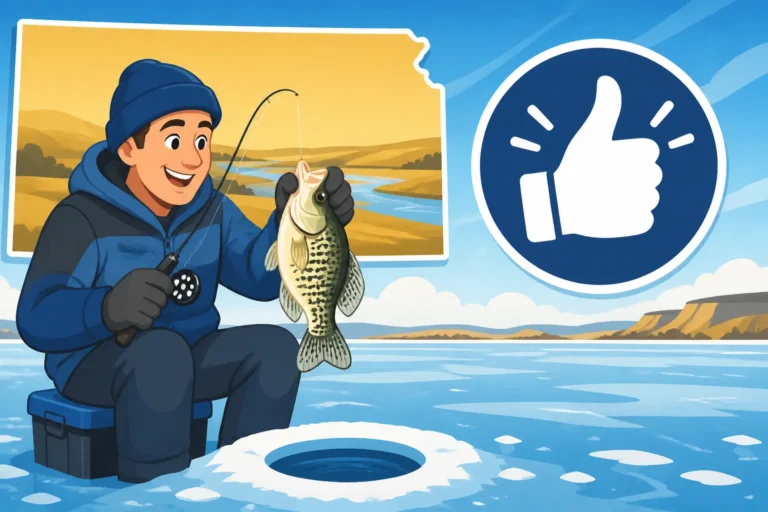
While not as common as open-water fishing, Wilson Lake does offer legitimate ice fishing opportunities when conditions permit safe ice formation, typically in January and February. Safety is always the top priority, and anglers should never venture onto ice less than four inches thick. When the lake freezes over, it provides a unique chance to target species like crappie, walleye, and white bass through the ice. Crappie will often suspend over brush piles or in deeper coves, biting on small jigs tipped with wax worms or minnows. Walleye can be found near humps and points in deeper sections, hitting jigging spoons or Swedish Pimples. White bass often school up, and if you find them, you can have fast action. Kansas Ice Fishing Safety Tips emphasize checking ice thickness frequently and fishing with a buddy. Portable shelters and augers are essential gear. While the season is shorter and more dependent on weather, winter ice fishing on Wilson Lake can be a peaceful and rewarding experience for those brave enough to embrace the cold.
Disclaimer
The information provided in this guide is for general informational purposes only. Fishing regulations, conditions, and fish behavior can change rapidly. Always consult the official Kansas Department of Wildlife, Parks and Tourism (KDWPT) website or publications for the most current regulations and safety guidelines before engaging in any fishing or boating activities on Wilson Lake. FishingBooker is a third-party service; please refer to their terms and conditions for bookings and services.