Jigging Techniques for Kansas Crappie
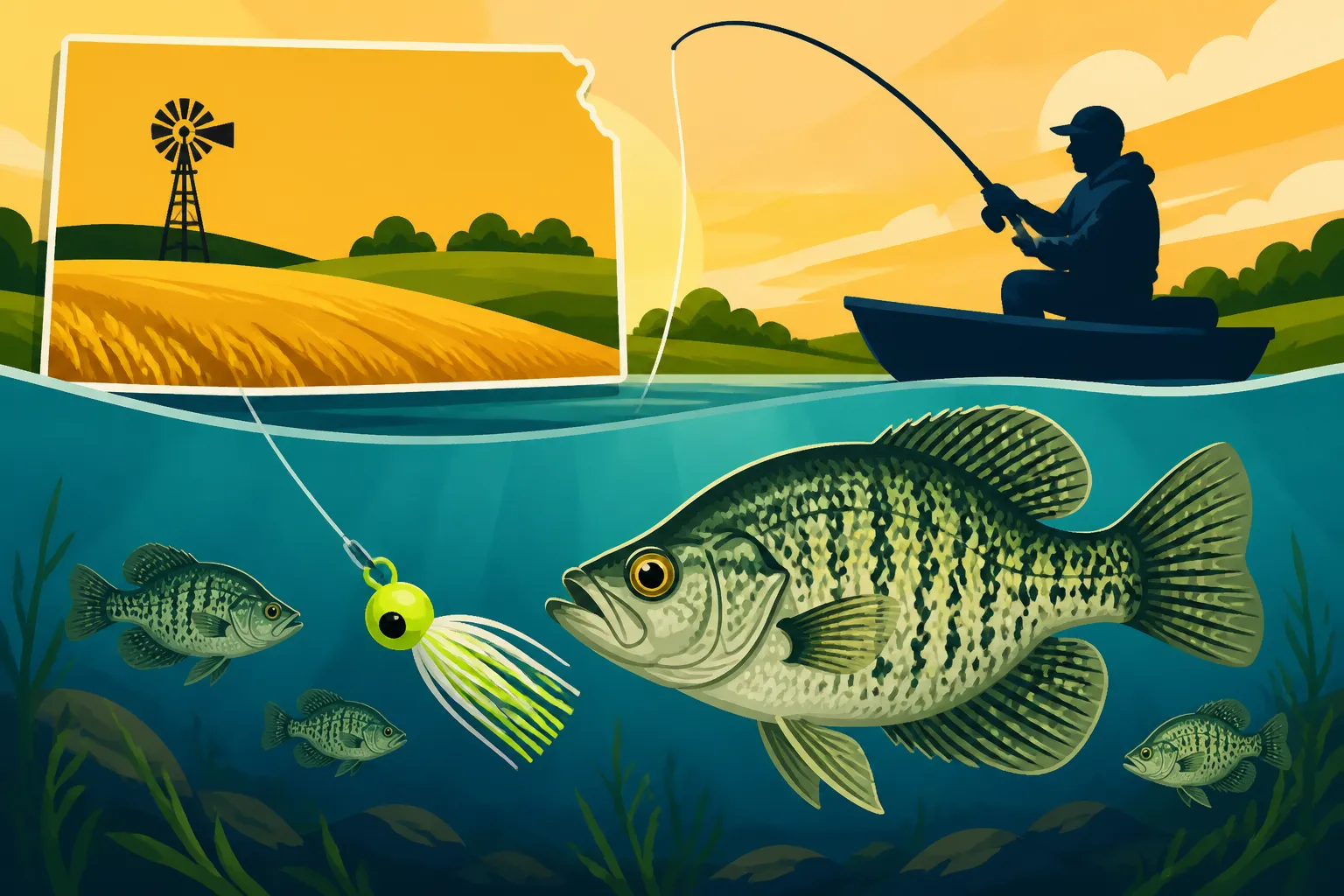
You know, there’s nothing quite like the subtle tap-tap of a crappie bite on a light rod, especially after you’ve put in the work to find them. But let’s be real, sometimes those little panfish can be frustratingly elusive. It feels like you’re doing everything right, but the fish just aren't cooperating. This guide is all about cutting through that frustration and helping you master the art of jigging for crappie in Kansas, turning those slow days into stories you'll want to tell.
Understanding Kansas Crappie Behavior for Effective Jigging
Before you even think about tying on a jig, you’ve got to get inside the head of a crappie. These fish aren't just swimming around aimlessly; they have specific patterns, preferences, and hideouts depending on the time of year and conditions. Knowing their habits is your secret weapon.
Seasonal Movements and Depths
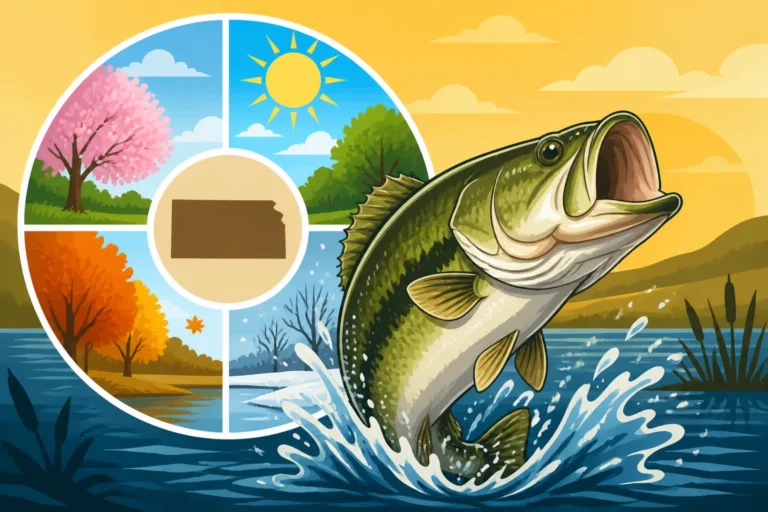
Crappie are creatures of comfort, and their comfort zone changes with the seasons, heavily influencing where you’ll find them and how deep they’ll be.
Spring Crappie Patterns
Ah, spring! This is often the most anticipated time for crappie anglers in Kansas, and for good reason. As the water temperatures begin to climb, usually hitting the low 50s, crappie start to move shallow for their pre-spawn ritual. You'll find them staging in areas adjacent to their eventual spawning grounds. Think about points, creek channel bends, and the outer edges of brush piles or standing timber in 8-15 feet of water. They're looking for warmer water and baitfish that are also moving up. As temperatures reach the mid-60s, the spawn truly kicks off. This is when they push right into the shallowest cover – think dense brush, lily pad stems, submerged bushes, and even old rock beds in water as shallow as 1-4 feet. They're focused on reproduction, and while they might not be actively feeding aggressively, they'll strike at anything that invades their nest. After the spawn, as temperatures push into the 70s, the crappie slowly begin to retreat to slightly deeper water, often holding to the same cover but just a bit further out or deeper down, recuperating from the rigors of spawning. This makes understanding Kansas Spring Crappie Fishing Tips essential for success.
Summer Crappie Patterns
Once the Kansas summer heat truly sets in and water temperatures soar into the 80s, crappie head for the deeper, cooler water. They'll often suspend over creek channels, along the main lake points, or within dense, deep brush piles that offer shade and cover. Look for them in depths ranging from 15-30 feet, often relating to the thermocline if one has set up in the lake. This is when your electronics become absolutely critical for spotting those schools. Night fishing can also be incredibly productive during the summer, as crappie move shallower to feed under the cover of darkness, often drawn to lights over the water that attract baitfish.
Fall and Winter Crappie Patterns
As autumn arrives and water temperatures begin to drop, crappie experience a "second spring" of sorts. They start feeding aggressively, bulking up for the lean winter months. They’ll often be found transitioning back to shallower areas, especially around creek channels, brush piles, and points, in depths similar to what you might find in late spring – anywhere from 5-15 feet. This makes it a fantastic time to use your jigging techniques. Once winter fully grips Kansas, and especially if ice fishing is an option, crappie will usually move to deeper basins, often suspending over open water or relating tightly to vertical structure like standing timber or deep brush piles. They become more lethargic, so a slow, subtle presentation is key. Check out Kansas Winter Trout Fishing Guide if you're looking for another winter fishing option.
Crappie Forage and Water Conditions
Knowing what crappie eat and how water conditions affect them is crucial for selecting the right jig. It’s all about presenting something that looks like an easy meal.
Matching the Hatch
Crappie primarily feed on small baitfish like minnows and shad, as well as insects and their larvae. If you can observe what baitfish are prevalent in the lake you’re fishing, try to "match the hatch" with your jig selection. This means choosing jigs that mimic the size, shape, and color of their natural prey. For example, if there’s a big shad spawn, a silver or white minnow-profile jig might be deadly. Many anglers will also tip their jigs with a live minnow, especially when the bite is tough, as it adds that irresistible natural scent and movement. This is a classic tactic discussed in many Kansas Crappie Fishing Techniques guides.
Jig Colors for Different Water Clarity
Water clarity plays a huge role in jig color selection. In clear water, natural colors like greens, browns, and whites often work best. Think about shad, bluegill, or a crawfish pattern. However, in stained or muddy water, you need jigs that stand out. Bright, fluorescent colors like chartreuse, hot pink, or orange become highly effective because they create a better silhouette and are more visible to the fish in low light or turbid conditions. Sometimes, a combination jig with two contrasting colors, like black and chartreuse, can be a real game-changer, providing both contrast and visibility.
Environmental Factors and Their Impact
Beyond just temperature and forage, other environmental factors can influence crappie behavior. Wind, for example, can push baitfish into certain coves or against structure, concentrating crappie. A slight chop on the water can also make fish less spooky and more willing to bite. Conversely, dead calm, clear days can make crappie extremely wary. Current, particularly in river systems or below dams, will position crappie to face upstream, waiting for food to drift by. Barometric pressure changes can also affect their feeding activity; stable or slowly falling pressure often means an active bite, while rapidly rising pressure after a front can shut them down. Paying attention to these subtle changes in weather and water will help you adapt your jigging approach and improve your chances of success.
Essential Jigging Gear for Kansas Crappie
Having the right tools for the job can make all the difference, especially when you're trying to detect those incredibly subtle crappie bites. Skimping on tackle might save you a few bucks upfront, but it could cost you a lot of fish in the long run.
Rod, Reel, and Line Selection
The finesse nature of crappie jigging demands a specific setup to maximize sensitivity and presentation.
The Ideal Crappie Rod
When it comes to crappie jigging, sensitivity is king. You want a light-action rod, typically between 5 and 7 feet long, with a very sensitive tip. A fast or extra-fast action allows the tip to load quickly, giving you excellent feel for those light bites and sufficient backbone to set the hook without tearing it out of a crappie's paper-thin mouth. Many anglers prefer graphite rods for their superior sensitivity and lightweight feel. Brands like St. Croix, Ugly Stik (especially the Elite series), or even some BnM poles offer excellent options for crappie specific rods. For instance, a 6-foot, light power, fast action rod is a fantastic all-around choice for everything from vertical jigging to casting small plastics.
Choosing a Spinning Reel
Pair your sensitive rod with a small, lightweight spinning reel. Sizes from 500 to 1000 are perfect for crappie. These reels are designed for light lines and offer smooth drag systems, which are crucial when fighting a good-sized crappie on light tackle. Look for a reel with a good retrieve ratio that allows you to work your jig slowly and steadily. Shimano Sienna, Daiwa Revros, or Pflueger President are popular choices you can often find readily available on Amazon. Make sure the reel balances well with your chosen rod to reduce fatigue during a long day of fishing. If you're looking for general advice, our guide on the Best Rod and Reel Combo for Crappie has more detailed recommendations.
Line for Finesse Jigging
For crappie, light line is non-negotiable. Most anglers opt for 4-6 pound test monofilament or fluorocarbon. Monofilament offers good stretch and knot strength, while fluorocarbon is virtually invisible underwater and has less stretch for increased sensitivity. Some experienced anglers prefer a super-sensitive braided line (6-10 lb test) for their main line, then add a 4-6 pound fluorocarbon leader (typically 18-36 inches long). The braid offers incredible sensitivity and casting distance, while the fluorocarbon leader maintains stealth in the water. This setup gives you the best of both worlds.
Jig Heads and Body Styles
The jig itself is the business end of your setup, and having a variety is key to adapting to changing conditions.
Jig Head Weights and Colors
Jig head weight is determined by depth, current, and desired fall rate. For shallow water (under 10 feet) or little current, 1/32 oz or 1/16 oz are standard. As you go deeper or encounter more current, you might move up to 1/8 oz or even 1/4 oz to get down faster and maintain contact. Hook size on the jig head usually ranges from a size 4 down to a size 1, matching the size of your plastic body. Color-wise, it’s always good to have a selection. Chartreuse, pink, white, and black are classic crappie colors. Natural colors like grey, brown, or olive can be deadly in clear water. Sometimes, the crappie just want a specific combination, so don’t be afraid to experiment.
Soft Plastic Bodies
The variety of soft plastic crappie jigs is mind-boggling, but a few core styles will cover most situations. Small tube jigs (1.5 to 2.5 inches) are incredibly versatile and come in countless colors. Grubs and curly tails offer tantalizing action with their swimming tails, often mimicking baitfish. Minnow imitations, like those from Bobby Garland or Johnson Crappie Buster, are designed to look exactly like the crappie’s primary forage. For a slower, more subtle fall, try a small spider-style jig. Always have a variety of colors and actions in your tackle box. When the bite is tough, even a tiny change in tail action can make a difference. Many of these plastic bodies and jig heads are easily found and ordered in bulk on Amazon.
Tipping Jigs with Live Bait
While plastics are incredibly effective, sometimes crappie just want the real thing. Tipping your jig with a live minnow can significantly increase your strike rate, especially when the fish are finicky or the water is cold. Simply thread the minnow onto the hook, hooking it lightly through the lips or just behind the dorsal fin. The combination of the jig's profile and the minnow's natural scent and movement is often irresistible. This tactic is especially potent during slow bites or when targeting larger, more cautious crappie. Our guide on the Best Bait for Kansas Crappie provides even more in-depth insights into live bait options.
Mastering Different Jigging Techniques
Now that you've got the gear, let's talk about how to make that jig dance in the water to entice those crappie. There's more to jigging than just dropping a lure in the water!
Vertical Jigging and Dock Shooting
These techniques are all about precision and getting your lure exactly where the fish are holding.
Vertical Jigging Over Structure
Vertical jigging is perhaps the most fundamental crappie technique, especially when fish are concentrated in specific areas or holding tight to structure. This involves positioning your boat directly over a brush pile, standing timber, or a submerged hump that you’ve identified with your fish finder. Drop your jig straight down to the desired depth, typically just above where you're marking fish. The key is to make subtle movements with your rod tip – a gentle lift and fall, a slight tremble, or just holding it still. Crappie often hit on the fall or when the jig is paused, so pay close attention to your line. Any twitch, stop, or sudden weight could be a bite. This technique is fantastic for pinpointing schools in deep water or when they’re packed into cover on places like Milford Lake.
The Art of Dock Shooting
Dock shooting is a specialized, highly effective technique for reaching crappie that hide way back under boat docks, pontoon boats, or other low-hanging cover. It involves holding the jig head between your thumb and forefinger, bending the rod tip, and then releasing both simultaneously, slingshotting the jig far back into tight spots where other casting methods can’t reach. Once the jig is under the cover, let it sink on a controlled slack line. Many bites happen as the jig flutters down. When it reaches the desired depth, use a slow retrieve with subtle twitches. This method is incredibly productive on Kansas reservoirs with lots of docks, like El Dorado Lake or Hillsdale Lake, which is known for its crappie fishing spots.
Casting and Retrieving Jigs
Sometimes, crappie are more spread out or actively cruising, making casting a more efficient strategy.
Slow and Steady Retrieve
Often, the most effective retrieve for crappie is a slow, steady crank. Crappie aren't usually chasing down fast-moving prey; they prefer an easy meal. Cast your jig out and let it sink to the desired depth. Then, begin a slow, constant retrieve. The key is to let the jig's inherent action do the work. If your plastic has a curly tail, it will swim naturally. If it's a tube, it will gently undulate. This steady presentation can be incredibly effective when crappie are scattered along a breakline or cruising shallower flats.
Lift-and-Drop, Twitch-and-Pause
If a steady retrieve isn’t getting bites, it's time to add some action. The lift-and-drop technique involves lifting your rod tip gently, reeling in a bit of slack, then letting the jig fall back down on a controlled slack line. This mimics a wounded baitfish. The twitch-and-pause is similar but focuses on sharper, shorter twitches of the rod tip, followed by a pause. Many crappie will strike as the jig is falling or during the pause, so watch your line for any subtle movements. These techniques are excellent for working the edges of weed lines, submerged points, or creek channels where crappie might be staging.
Fan Casting for Coverage
When you're trying to locate crappie or cover a large area, fan casting is your friend. Instead of casting in one direction repeatedly, make casts in a fan-like pattern, covering different angles and distances from your boat or the bank. This ensures you're presenting your jig to fish across a wider zone. It’s particularly useful when working a large flat, searching for scattered fish, or trying to find where a school has moved after a recent weather change. Once you get a bite, you can then focus your efforts on that specific area.
Spider Rigging and Trolling with Jigs
For covering even more water and targeting suspended fish, multi-rod setups can be incredibly effective.
Spider Rigging for Suspended Crappie
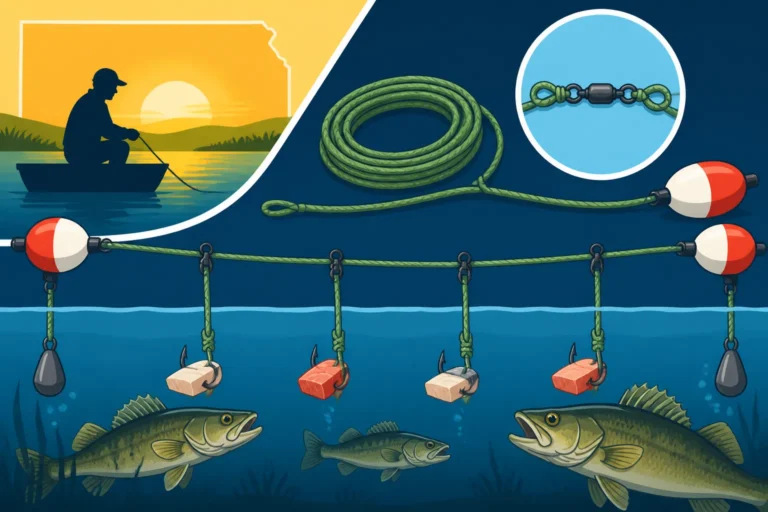
Spider rigging involves using multiple rods, often 6 to 8 or more, spread out from the front of your boat, creating a "spider" web of lines. Each rod has a jig (or minnow rig) dropped to a different depth. The boat is then slowly propelled, either by a trolling motor or drifting with the wind, usually at speeds between 0.5 to 1.5 mph. This allows you to present multiple baits at multiple depths simultaneously, making it highly efficient for locating suspended crappie over open water, especially during summer or winter when they aren't relating tightly to bottom structure. It's a fantastic way to find the exact depth crappie are holding.
Slow Trolling Jigs
Similar to spider rigging but often with fewer rods and typically involving a bit more precise boat control, slow trolling jigs can be devastatingly effective. You can troll jigs individually or in tandem rigs, often with small weights or planer boards to spread them out. The key is to maintain a consistent, slow speed that gives the jig a natural swimming action. This method is particularly good for covering long flats or targeting crappie that are suspended over creek channels in reservoirs like Cheney Reservoir. Adjust your speed and depth until you start getting bites, then try to replicate that exact presentation.
Where to Apply Your Jigging Skills in Kansas
Knowing the techniques is one thing, but knowing where to apply them in Kansas waters is just as important. Our state offers a wealth of crappie fishing opportunities.
Top Kansas Lakes for Crappie Jigging
Kansas is blessed with numerous reservoirs and state fishing lakes that are crappie havens, each with its own character and hot spots.
Reservoir Hotspots for Crappie
- Milford Lake: As the largest lake in Kansas, Milford Lake is a premier crappie destination. The lake features extensive standing timber, especially in the upper reaches of the Republican River arm and the various creeks feeding into it. These timbered areas, along with submerged brush piles and creek channels, are prime targets for vertical jigging. In spring, crappie move into the shallower coves and riprap banks. In summer and winter, focus on deep channels and old river beds. Consider exploring areas around Curtis Creek Cove or Rolling Hills Cove for crappie action.
- Cheney Reservoir: Located near Wichita, Cheney is another excellent crappie lake, particularly known for its abundance of structure. Look for crappie around the many brush piles, rock reefs, and submerged timber scattered throughout the lake. The north end of the reservoir often warms up faster in spring, attracting early spawners. During summer, crappie often suspend over the main lake basin or relate to deeper points.
- Hillsdale Lake: This lake, southeast of Kansas City, is renowned for its consistent crappie population. It boasts numerous submerged timber stands, creek channels, and man-made brush piles that act as crappie magnets. Dock shooting is especially effective here due to the numerous boat docks. You can find excellent crappie throughout the year, with spring and fall being particularly productive. Our detailed guide on Hillsdale Lake Crappie Fishing Spots can provide even more specific locations.
- Melvern Lake: Another fantastic option in eastern Kansas, Melvern offers excellent crappie fishing with plenty of standing timber and brush. The lake's clear water often calls for more subtle presentations and natural jig colors. Look for crappie congregating around the standing timber in the west end and along the main lake points.
- El Dorado Lake: With its clear waters and varied structure, El Dorado Lake also provides great crappie opportunities. Focus on the extensive timbered areas in the upper Cottonwood River arm and the numerous brush piles placed by KDWP.
Community Fishing Lakes and Ponds
Don't overlook the smaller, community fishing lakes and urban ponds managed by the Kansas Department of Wildlife and Parks (KDWP). These waters are often stocked regularly and provide excellent, accessible crappie fishing, especially for beginners or those seeking a quick trip. While they may not have the vast timber of large reservoirs, they often have strategically placed brush piles, jetty structures, and weed beds that hold crappie. Locations like Shawnee Mission Park Lake, Lake Shawnee, or any number of the smaller State Fishing Lakes across Kansas can be dynamite for jigging.
Reading the Water and Finding Structure
Successfully jigging for crappie often boils down to finding them first. Modern electronics and keen observation skills are invaluable here.
Using Fish Finders and Side Imaging
A good fish finder is arguably the most important piece of equipment for serious crappie jigging, especially on larger Kansas reservoirs. Traditional 2D sonar will show you fish arches, brush piles, and depth changes. However, side imaging or down imaging technology takes it to another level, allowing you to see structure and fish off to the sides or directly beneath your boat with incredible clarity. Use your electronics to locate creek channels, submerged humps, standing timber, and brush piles. Once you mark a school of crappie, you can position your boat precisely and present your jig right to them. Brands like Humminbird and Garmin offer excellent units that can drastically improve your crappie catch rates.
Visual Cues and Natural Structure
Even without high-tech electronics, you can still find crappie by observing visual cues and understanding natural structure. Look for obvious signs of cover like submerged timber (often indicated by visible branches poking out of the water), lily pads, cattail beds, or rock piles along the shoreline. In spring, these areas will often be prime spawning grounds. Pay attention to changes in bank composition – a rocky bank transitioning to a muddy flat might indicate a drop-off where crappie are staging. Creek channels flowing into the main lake or reservoir are always prime areas to investigate, as they act as highways for baitfish and crappie. Understanding the lay of the land above water can give you clues about the structure below.
Understanding Contour Maps
Paper or digital contour maps (found on most modern fish finders) are essential for pre-fishing and understanding the underwater topography of a lake. They show depth changes, old creek beds, humps, and points – all prime crappie real estate. By studying a contour map, you can identify potential crappie holding areas before you even launch your boat. Look for sharp drop-offs, the bends of old river channels, and submerged roadbeds or foundations. These features act as ambush points and travel corridors for crappie, making them ideal targets for your jigging efforts.
Common Jigging Mistakes and How to Avoid Them
Even the most experienced anglers make mistakes. Recognizing and correcting common jigging pitfalls will make you a more consistent crappie angler.
Ignoring Depth and Presentation
It’s easy to get into a rhythm, but sticking to one depth or retrieve can limit your success when crappie are picky.
Fishing Too Fast or Too Shallow/Deep
One of the most common mistakes is fishing your jig too fast. Remember, crappie are rarely aggressive chasers. A slow, subtle retrieve is almost always more effective. If you’re not getting bites, try slowing down even further. Another frequent error is not fishing the correct depth. Crappie can be incredibly depth-sensitive. If you’re marking fish at 15 feet but fishing your jig at 10, you’re missing them entirely. Use your fish finder religiously to pinpoint the exact depth, then adjust your jig to get into that strike zone. Don't be afraid to drop your jig right into the school, or even slightly above them, as crappie often feed upwards.
Not Matching the Hatch or Experimenting
While we talked about matching the hatch, sometimes anglers get stuck on a "favorite" jig and refuse to change, even when it’s not producing. If your go-to chartreuse grub isn't getting bites, try a smaller profile, a different color (like black and blue in stained water or a natural shad color in clear), or even a different action, like a tube jig instead of a curly tail. Keep a variety of jig head weights as well. Sometimes a slightly heavier jig head that falls faster will trigger a reaction strike, or a lighter one that slowly flutters down is the ticket. Don't be afraid to experiment with your plastics; often a subtle change can be the difference between a slow day and a banner day.
Lack of Sensitivity and Proper Line Management
A common mistake, especially for beginners, is not paying enough attention to line management and rod sensitivity. When jigging, especially on the fall, keep a slight bow in your line and watch it closely. Many crappie bites are incredibly subtle – a slight twitch, a sudden slackening, or just feeling a bit of "weight." If your line is too tight, it can hinder the natural fall of the jig; if it's too slack, you won't feel the bite. Use your sensitive rod to its full potential, holding it so you can feel every bump and tick. This also means using good quality, fresh line; old, stiff line reduces sensitivity.
Overlooking Subtle Bites and Hooksets
Crappie have delicate mouths, and their bites can be notoriously light.
Detecting the Light Crappie Bite
Crappie bites are seldom the aggressive, rod-bending tugs you might get from a bass or a catfish. Instead, they’re often incredibly subtle. It might be a slight "tick" you barely feel, a sudden slackening of your line that indicates the fish has picked up the jig and is swimming towards you, or just a feeling of "mushiness" or added weight when you lift your rod. The key is to be constantly aware of your line, both by sight and by feel. Watch for any jump or pause in the line as your jig falls. If you notice anything out of the ordinary, assume it’s a bite and react quickly.
Gentle, Sweeping Hooksets
Because crappie have such delicate, papery mouths, an aggressive, hard hookset is often detrimental. A powerful jerk can tear the hook right through their mouth, leading to a lost fish. Instead, when you feel that subtle bite, respond with a gentle, sweeping hookset. Simply raise your rod tip smoothly and steadily, applying consistent pressure until the hook is set. This usually creates enough tension to embed the hook firmly without damaging the fish’s mouth. Once hooked, keep steady pressure on the fish and use your rod’s bend to absorb head shakes, avoiding any sudden jerks. This is a crucial distinction from setting the hook on a species like a walleye.
Advanced Tips and Tricks for More Crappie
Once you've got the basics down, these nuanced approaches can help you elevate your crappie jigging game in Kansas.
Color and Scent Considerations
Sometimes, it's the little things that make the biggest difference.
Experimenting with Colors
While we touched on color basics, truly advanced crappie anglers are constantly experimenting. Water clarity and available light aren't static; they change throughout the day and with weather conditions. On a bright, sunny day in clear water, natural, translucent colors like clear/sparkle, smoke, or light greens might be best. On cloudy days or in stained water, brighter colors or those with a lot of contrast (like black and chartreuse) can be more effective. Even something as subtle as a slight color tint on the tail of a jig can make a difference. Don't be afraid to try "unconventional" colors sometimes; crappie can be surprisingly picky on certain days.
Using Scent Attractants
Scent is a powerful, often overlooked, tool in crappie fishing. While crappie primarily feed by sight, their lateral line system and sense of smell also play a role. Adding a scent attractant to your jigs, whether it's a spray, gel, or a impregnated plastic, can give you an edge, especially when the bite is tough or the water is cold. Scents like garlic, anise, or various fish-attracting formulas can mask human odors, encourage fish to hold onto the bait longer, and help them find your jig in murky water. Many anglers swear by brands like Berkley Gulp! or Crappie Bites, which are often pre-scented. It’s an extra layer of enticement that can make a difference between a look and a bite.
Understanding the Crappie Spawn and Post-Spawn Transition
These critical periods offer some of the best crappie fishing, but require specific approaches.
Timing the Spawn Perfectly
The crappie spawn in Kansas is a high-stakes game for anglers, and timing it right is paramount. Generally, white crappie tend to spawn a bit earlier than black crappie. As discussed earlier, water temperature is the primary trigger. Once the sustained water temps hit the mid-60s, crappie will move to their shallowest spawning grounds. But it’s not just about temperature; pay attention to sunlight penetration and cover. North-facing banks warm faster, often holding the first waves of spawning fish. Look for areas with submerged brush, lily pads, or other dense cover that offers protection for their nests. During this time, a slow-falling jig presented right into the cover is often irresistible. Knowing When Does Crappie Spawn Start? can make or break your spring success.
Post-Spawn Recuperation and Feeding
After the hectic energy of the spawn, crappie transition into a post-spawn phase where they often recuperate and then begin to feed heavily. They will generally retreat from the absolute shallowest water but often remain close to the spawning areas, just moving to slightly deeper edges of cover or nearby creek channels. This can be a tricky time, as they might be a bit lethargic at first. As they regain energy, they'll become more aggressive feeders, often targeting schools of baitfish that have also moved into the area. Targeting depths around 5-10 feet along brush lines or the first drop-offs from spawning flats can be very productive. Understanding the Best Depth for Crappie Fishing in Spring is crucial for this period, as they shift their preferred depth.
Table of Jig Head Weights for Different Depths and Conditions
| Jig Head Weight | Typical Depth Range | Water Current | Crappie Behavior | Common Scenarios |
|---|---|---|---|---|
| 1/32 oz | 1-8 feet | Light/None | Finicky, Shallow | Clear, calm water; shallow brush; dock shooting |
| 1/16 oz | 5-15 feet | Light | Active to Moderate | Spring spawn/pre-spawn; standard casting |
| 1/8 oz | 10-25 feet | Moderate | Deeper, Active | Summer suspended crappie; light trolling |
| 1/4 oz | 20+ feet | Strong/Deep | Deep, Less Active | Deep water; heavy wind/current; vertical jigging |
Disclaimer
Fishing conditions and regulations in Kansas can change rapidly. Always consult the latest Kansas Department of Wildlife and Parks (KDWP) regulations guide before heading out. This article provides general information and recommendations, but it is your responsibility to understand and comply with all current fishing laws. Stay safe on the water, and remember that responsible angling ensures healthy fisheries for everyone.