Kansas Nonresident Youth Fishing License Rules
Planning a family fishing trip to Kansas can be an absolute blast, but let's be real, navigating all the rules and regulations can quickly turn that excitement into a headache, especially when you're trying to figure out if your kids need a license. It’s a common frustration for nonresident families visiting the Sunflower State, trying to do everything by the book to avoid any hiccups. This comprehensive guide is designed to clear up all the confusion surrounding Kansas nonresident youth fishing license rules, making sure your young anglers are ready to cast their lines legally and without a worry.
Understanding Nonresident Youth Fishing License Requirements in Kansas
When you're bringing your family from out of state to enjoy Kansas's fantastic fishing opportunities, understanding the specifics for younger anglers is key. It's not always as straightforward as you'd hope, but the Kansas Department of Wildlife and Parks (KDWP) has some clear guidelines once you know where to look.
Who Needs a License? Defining "Youth" and "Nonresident"
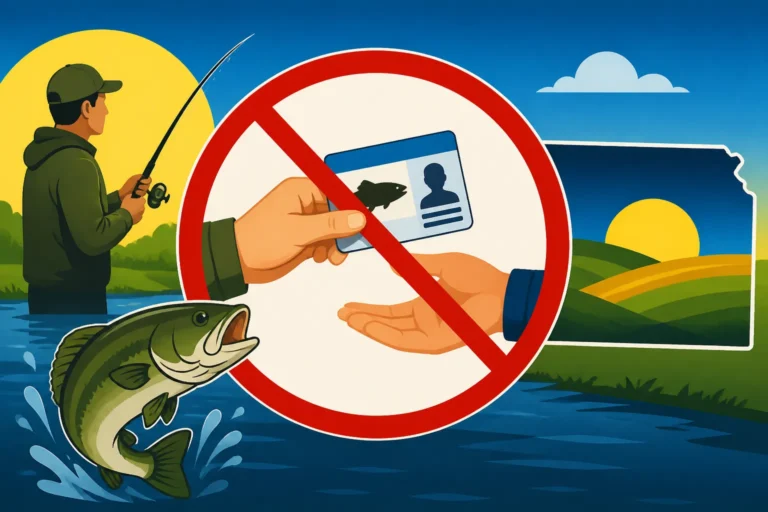
First off, let's define our terms. In Kansas, for the purposes of fishing licenses, a "youth" or "children" typically refers to individuals under a certain age threshold. The most important age to remember is 16. Generally, if your child is under the age of 16, they are exempt from needing a fishing license in Kansas, regardless of their residency status. This is fantastic news for families, as it significantly simplifies planning for younger kids.
A "nonresident" is anyone who does not meet the criteria for a Kansas resident, which generally means they do not live in Kansas permanently or haven't resided here for a specific continuous period. So, if you're visiting from Missouri, Colorado, or any other state, you and your children are considered nonresidents. The KDWP uses these definitions to ensure fair and consistent application of their regulations. The good news is that the core exemption for youth under 16 applies uniformly. You can dive deeper into the general requirements in our guide on Fishing License Age Requirements in Kansas.
Age Brackets and Specific Exemptions for Young Anglers
As mentioned, the golden rule in Kansas is that anyone under the age of 16 does not need a fishing license. This applies to both residents and nonresidents alike. So, if you have a 10-year-old or a 14-year-old coming to fish with you from out of state, you can breathe a sigh of relief – no general fishing license is required for them. This exemption is a huge win for promoting youth participation in fishing and makes it much easier for families to enjoy the outdoors together without extra red tape.
However, there's always a nuance! This exemption covers the general fishing license. It does not necessarily cover specialized permits for certain species or specific locations. For example, if your young angler wants to try their hand at trout fishing in a designated trout water, they might need a separate permit, which we'll cover in more detail shortly. It's also worth noting what happens if a child turns 16 during your trip. If they start their vacation as a 15-year-old and turn 16 mid-trip, they would then need to acquire a nonresident fishing license for the remainder of their fishing activities. Always check the calendar!
The Rationale Behind Youth License Rules for Nonresidents
You might wonder why Kansas has these specific rules, especially the exemption for younger kids. It primarily boils down to a few key reasons. First and foremost, it's about encouraging youth engagement in outdoor activities. The KDWP understands that getting kids hooked on fishing at a young age is crucial for fostering future conservationists and outdoor enthusiasts. By removing the financial and bureaucratic barrier of a license for kids under 16, they make it much easier for families to introduce fishing as a hobby.
Secondly, the revenue generated from fishing licenses is vital for funding conservation efforts, fish stocking programs, habitat restoration, and managing public fishing access points across the state. While younger children are exempt from the general license fee, the hope is that as they grow older and become avid anglers, they will then contribute through adult license purchases. This tiered system balances the need for conservation funding with the desire to make fishing accessible to the next generation. Our article on Kansas Fishing License Exemptions explores other situations where licenses might not be required.
How to Acquire a Kansas Nonresident Youth Fishing License
Even if your younger kids don't need a license, it's essential to understand the process for those who do (like those turning 16) or for securing any necessary special permits. Knowing your options beforehand can save you valuable fishing time.
Online Purchase Options and Convenience
For any nonresident youth aged 16 or older, or if you need to purchase a special permit like a trout permit for a younger child, the easiest and most convenient way to do so is online through the KDWP website. The KDWP's online licensing system is user-friendly and accessible 24/7, meaning you can purchase a license or permit from the comfort of your home before you even pack the car for your Kansas adventure.
The process typically involves creating an account or logging in, selecting the appropriate nonresident license type (like an annual or short-term option for those 16 and older), and completing the transaction with a credit card. Once purchased, you'll usually receive an email confirmation with your license or permit that you can print out or save digitally on your phone. This digital option is incredibly handy because it means one less piece of paper to worry about losing at the lake! Many anglers find that carrying a digital copy on their smartphone is perfectly acceptable for proving compliance with a game warden.
In-Person Retailers and What to Bring
If you prefer a more traditional approach, or if you find yourself in Kansas and realize a license or permit is needed, there are plenty of authorized vendors where you can purchase one in person. These often include sporting goods stores, bait and tackle shops, and even some county clerk offices. Popular retailers like Walmart and various local bait shops are typically authorized to sell KDWP licenses and permits. You can find a list of authorized vendors on the KDWP website or by checking our guide on Where to Buy a Kansas Fishing License.
When purchasing in person for a nonresident youth who needs a license (i.e., aged 16 or older), it’s always a good idea to bring some form of identification. While not always strictly required for younger individuals, having a state-issued ID, a school ID, or even a birth certificate can help verify age and residency status if there are any questions. For adult nonresidents purchasing a license, a valid driver's license from their home state is generally sufficient. It's better to be over-prepared than to be turned away or delayed when all you want to do is get out on the water.
Necessary Documentation for Nonresident Young Anglers
For the vast majority of nonresident youth under 16, no documentation is needed because they are exempt from the general fishing license. You don't need to carry their birth certificate around while they're fishing, which is a relief!
However, if your nonresident youth is 16 or older and needs to purchase a license, or if any special permits are required, a valid form of identification will be necessary. As mentioned, this could be a state ID, driver's license (if they have one), or a school ID. When purchasing online, you'll input their details, and usually, just basic information like name, address, and date of birth is needed. It’s rare for the KDWP to require physical documentation uploads for standard license purchases, but having personal details accurate is crucial.
For items like a fishing rod, reels, or a tackle box for your young angler, you can find a wide array of options on sites like Amazon. Just make sure the gear is appropriate for the kind of fish you're targeting and comfortable for smaller hands!
Costs and Validity Periods for Nonresident Youth Licenses
Understanding the financial aspect and how long a license is valid is crucial for planning your fishing trip, especially for those nonresident youth who are old enough to require a license or a specific permit.
Current Pricing for Annual and Short-Term Options
As of late 2023/early 2024, if your nonresident youth is aged 16 or older, they will need a standard nonresident fishing license. The KDWP offers several options to fit different trip durations.
Here's a general breakdown of nonresident fishing license costs for those who are 16 and older:
- Nonresident Annual Fishing License: This license is typically valid for the calendar year in which it is purchased. It’s perfect if you plan multiple trips to Kansas within a year. You can learn more about its cost in our article on Kansas Nonresident Annual Fishing License Costs $75.
- Nonresident Five-Day Fishing License: Ideal for shorter visits, this license is valid for five consecutive days from the date of purchase. This is a popular choice for weekend trips or short vacations. Our guide on the Kansas Nonresident Five-Day Fishing License Costs $25 has more details.
- Nonresident One-Day Fishing License: If your young angler will only be fishing for a single day, this is the most economical option. This license is valid for 24 hours from a specified start time. More information can be found in our post on Kansas Nonresident One-Day Fishing License Costs $10.
It's important to reiterate that these costs only apply to nonresident youth aged 16 and older. Those under 16 do not need a general fishing license, making Kansas a very accessible state for younger visitors.
Understanding the License Expiration Date
The validity period for Kansas fishing licenses is quite specific. An "annual" license typically means it's valid from January 1st through December 31st of the year it's purchased. It does not mean 365 days from the purchase date. So, if you buy an annual license in November, it will still expire on December 31st of that same year. This is a common point of confusion for many anglers, so always double-check the expiration details.
For the short-term licenses (one-day or five-day), the validity period starts on the date you specify or the date of purchase, and runs for the consecutive duration. For instance, a five-day license purchased on a Monday would be valid through Friday of that same week. Knowing these expiration rules is vital to avoid accidentally fishing without a valid license, which could lead to fines.
Additional Permits a Young Angler Might Need
This is where the nuances come in, especially for youth under 16 who are generally exempt from the main fishing license. Even if a young nonresident doesn't need a general fishing license, they will need a separate permit if they plan to fish for trout in designated trout waters during the specified trout season.
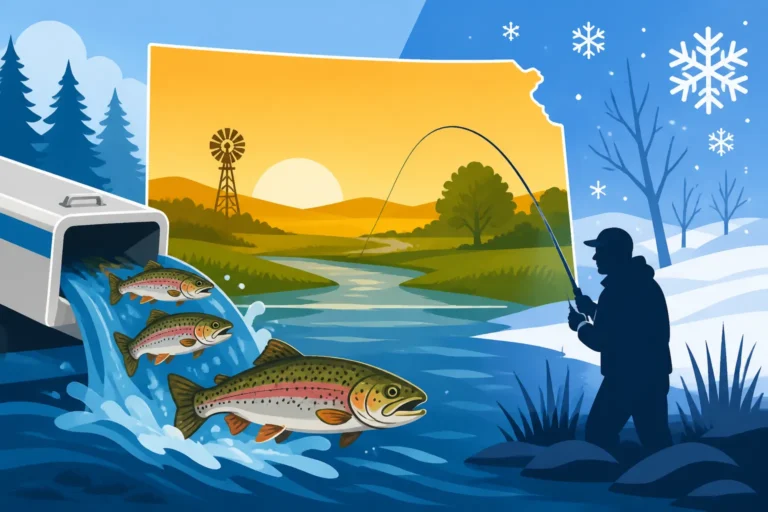
The Kansas Trout Permit is required for anyone, regardless of age or residency, who is fishing for trout in designated areas. This means if your 8-year-old nonresident wants to catch some rainbow trout at a KDWP-stocked community lake, they will need a trout permit, even though they don't need a general fishing license. You can check out our article, Kansas Adult Trout Permit Costs $14.50, and Kansas Youth Trout Permit Costs $7 for specific pricing. The trout permit is often available for both youth and adult pricing, offering a reduced cost for younger anglers. This permit typically runs for the full trout season, usually from November 1 to April 15. For more comprehensive information, refer to our Kansas Trout Permit Guide.
Other special permits, such as those for specific conservation areas or unique fishing opportunities like paddlefish snagging, might also have separate requirements that apply regardless of age or residency. Always consult the latest Kansas Fishing Regulations Explained available from KDWP before heading out.
Common Questions and Scenarios for Nonresident Families
Families often have unique situations, and fishing regulations don't always seem to cover every possibility. Here, we'll address some common questions and hypothetical scenarios that nonresident families might encounter.
What if a Youth Becomes a Kansas Resident?
Life happens, and sometimes a family might move to Kansas after previously visiting as nonresidents. If a youth who was formerly a nonresident becomes a bona fide Kansas resident, their license requirements will change accordingly. Once they meet the KDWP definition of a resident (which usually involves continuous residency for a specific period, typically 60 days, and demonstrating intent to make Kansas their permanent home), they would then fall under Kansas resident fishing license rules.
For example, a 16-year-old nonresident who moves to Topeka would eventually be eligible for a Kansas resident annual fishing license. For those under 16, the exemption remains, but for those 16 and older, the cost would be significantly less than a nonresident license. It's crucial to update your residency status with KDWP if you move to ensure you're purchasing the correct license type. This is particularly important for combination licenses, which you can read about in our Kansas Combination Hunt-Fish License guide.
Fishing Tournaments and Youth License Compliance
Many youth fishing tournaments and derbies are held across Kansas, especially at community lakes and ponds. For most organized events, the KDWP fishing regulations still apply. This means that if a nonresident youth is under 16, they generally won't need a general fishing license to participate. However, if the tournament is held in a designated trout water, even a young participant would need a Kansas Trout Permit.
Tournament organizers might have additional rules, entry fees, or specific age categories, but these are separate from state licensing requirements. Always check with the tournament director about any specific rules or permits they might require for participation, in addition to the state's regulations. It's rare for tournament organizers to override state law regarding license exemptions, but it’s always best to be informed.
Ensuring Compliance: What to Know When Fishing with Kids
As the adult responsible for nonresident youth, ensuring compliance with all fishing regulations falls on your shoulders. Here are a few tips to make sure your family's fishing trip remains stress-free and legal:
- Review Regulations Annually: Fishing regulations, limits, and even license costs can change from year to year. Before each trip, take a few minutes to review the current KDWP Fishing Regulations Summary, available on their website. It's a small investment of time that can prevent big problems.
- Carry Identification: While not strictly required for young, exempt children, having a copy of their birth certificate or a school ID on hand for any youth who might be on the cusp of the licensing age (e.g., 15-year-olds) can sometimes prevent questions from game wardens. For youth aged 16 and older, ensure they have their purchased license and a valid ID.
- Understand Special Waters: Be aware of "community fishing lakes" or "urban fishing ponds" that might have unique rules, especially regarding trout stocking. Just because it's a small pond doesn't mean it's exempt from special permit requirements if it's stocked with trout.
- Keep Proof of Purchase Handy: Whether it's a printed copy or a digital image on your phone, always have proof of any purchased licenses or permits readily available for inspection.
- Teach and Lead by Example: The best way to ensure compliance is to teach your young anglers about responsible fishing and the importance of following rules. This includes understanding catch limits, length limits, and how to properly release fish. This also ties into the spirit of conservation that these regulations aim to uphold.
By taking these steps, you're not only ensuring a legal fishing trip but also setting a great example for the next generation of anglers. For general information about fishing licenses in the state, consult our comprehensive Kansas Fishing License Guide.
| License/Permit Type | Age Requirement for Nonresident Youth | Cost (Approx.) | Validity Period | Notes |
|---|---|---|---|---|
| General Fishing License | Under 16: Exempt | $0 | N/A | No general license needed for youth under 16. |
| Nonresident Annual Fishing License | 16 and Older | $75 | Jan 1 – Dec 31 (calendar year) | Required for nonresident youth aged 16+ for a full year of fishing. |
| Nonresident Five-Day Fishing License | 16 and Older | $25 | 5 consecutive days | Good for short trips for nonresident youth aged 16+. |
| Nonresident One-Day Fishing License | 16 and Older | $10 | 1 calendar day | Best for very short fishing excursions for nonresident youth aged 16+. |
| Kansas Youth Trout Permit | All Ages (if fishing for trout) | $7 | Nov 1 – Apr 15 (trout season) | Required for ALL youth (including under 16) when fishing for trout in designated waters. |
| Kansas Adult Trout Permit | 16 and Older (if fishing for trout) | $14.50 | Nov 1 – Apr 15 (trout season) | Required for nonresident youth aged 16+ when fishing for trout in designated waters. |
Disclaimer
Please note that fishing regulations, license costs, and exemptions are subject to change by the Kansas Department of Wildlife and Parks. While this guide aims to provide accurate and up-to-date information, it is always recommended to consult the official KDWP website or their latest annual fishing regulations summary for the most current and authoritative rules before engaging in any fishing activities. This content is for informational purposes only and does not constitute legal advice.