Kansas Special Permit Options for Handicapped Anglers
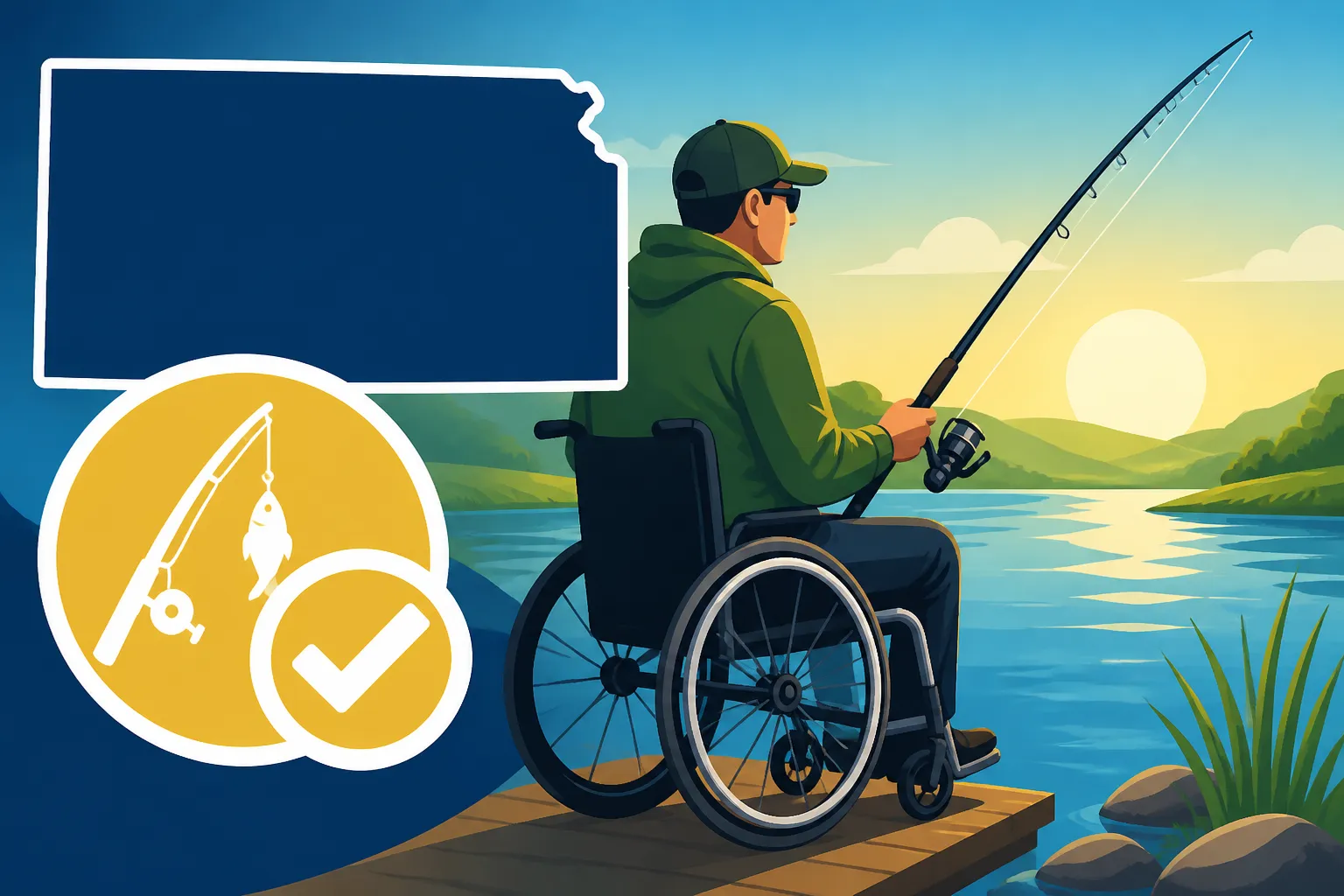
For anglers facing physical challenges, the dream of casting a line into a serene Kansas lake can often be met with frustrating barriers – inaccessible banks, difficult terrain, or confusion over specialized permits. It's a real shame when the joy of fishing feels out of reach due to mobility issues or other disabilities. This comprehensive guide is here to shed light on the specific permit options and resources available for handicapped anglers in Kansas, ensuring everyone has the chance to enjoy our beautiful waterways.
Navigating Fishing with a Disability in Kansas
Fishing is more than just catching fish; it's about relaxation, connection with nature, and the pure joy of the outdoors. For many, it's a lifelong passion. However, for those living with a disability, particularly a permanent one that impacts mobility or dexterity, what seems like a simple day on the water can present a multitude of hurdles.
The Frustration of Limited Access
Imagine arriving at your favorite fishing spot, only to find the path to the water is steep, muddy, or overgrown, making it impossible to navigate with a wheelchair or walker. Or perhaps the perfect pier is several steps up, without a ramp. These are the all-too-common realities that can turn an anticipated fishing trip into a disheartening experience. The physical landscape itself often isn't designed with accessibility in mind, leading to feelings of exclusion and a sense that the sport isn't truly for everyone. It's not just about getting to the water; it's also about the act of fishing itself, which might require holding a rod for extended periods, baiting hooks, or handling fish—tasks that can be challenging without adapted equipment or a helping hand.
Even the process of acquiring a fishing license can add to the burden. Having to keep track of annual renewals, especially when managing various medical appointments and needs, can be another source of stress. What should be a straightforward step to enjoyment sometimes feels like another bureaucratic obstacle. Recognizing these challenges is the first step toward finding solutions that truly enhance the angling experience for disabled individuals in Kansas.
KDWP's Commitment to Inclusive Angling
Thankfully, the Kansas Department of Wildlife, Parks and Tourism (KDWP) recognizes these very real frustrations and has made significant strides in promoting inclusive angling. Their goal is to ensure that all Kansans, regardless of physical ability, can experience the therapeutic and recreational benefits of fishing. This commitment isn't just lip service; it's reflected in specific policies, special permits, and ongoing efforts to develop accessible facilities across the state.
One of the cornerstones of this commitment is the provision of special permit options designed to alleviate some of the financial and administrative burdens for anglers with permanent disabilities. These options acknowledge that a permanent disability requires a permanent solution, rather than annual re-qualifications. Beyond permits, KDWP actively works to enhance physical access, developing and maintaining Accessible Fishing Piers for Disabled Anglers in Kansas and providing information on sites that are genuinely friendly for individuals with mobility challenges. Their dedication truly opens up a world of possibilities for those who might otherwise feel left out of the fishing community.
The Kansas Handicapped Fishing Pass: A Lifetime of Opportunity
For many disabled anglers in Kansas, the ultimate solution to navigate the annual licensing requirements is the Kansas Handicapped Fishing Pass. This isn't just another permit; it's a testament to the state's commitment to making fishing a truly lifelong pursuit for everyone. It simplifies the process and offers significant benefits.
Who Qualifies for This Special Pass
To qualify for the Kansas Handicapped Fishing Pass, an individual must have a permanent disability that significantly impairs their ability to fish or participate in other outdoor activities. The KDWP defines a permanent disability as a physical or mental impairment that substantially limits one or more major life activities and is expected to continue indefinitely. This isn't a temporary pass for a sprained ankle; it's for those with conditions that fundamentally alter their long-term capabilities. Examples might include individuals who require the use of a wheelchair, crutches, or prosthetic limbs; those with severe visual impairments; or individuals with significant cognitive disabilities that affect their ability to manage a standard license.
The key here is "permanent." The KDWP requires verification from a licensed physician, who must attest to the nature and permanence of the disability. This ensures that the pass is genuinely allocated to those for whom it is intended, preventing misuse and upholding the integrity of the program. While other states might have different definitions, Kansas focuses on the lasting impact on daily life and the ability to engage in fishing activities. Understanding these criteria is the first step in determining if this pass is the right fit for your situation.
Benefits and Privileges of the Pass
The most significant benefit of the Kansas Handicapped Fishing Pass is that it essentially serves as a lifetime fishing license. Once obtained, you don't need to worry about annual renewals or remembering to purchase a new one each year. This eliminates a recurring expense and a common administrative hassle, allowing you to focus purely on enjoying your time on the water. Compared to the regular Kansas Resident Annual Fishing License Costs $25 or even the Kansas Five-Year Fishing License Savings, this pass offers unparalleled convenience and cost-effectiveness in the long run.
Beyond the financial and administrative ease, holding this pass grants you the same privileges as any standard fishing license holder, without the need for additional permits, in most cases. You can fish in all public waters across Kansas, adhering to all general Kansas Fishing Regulations Explained regarding creel limits, length limits, and season dates. It truly empowers disabled anglers to participate fully in the sport, removing one more barrier and fostering a sense of independence and belonging within the angling community. It's a fantastic program designed to ensure that a permanent disability doesn't mean a permanent exclusion from a beloved pastime.
How to Apply for Your Handicapped Fishing Pass
Applying for the Kansas Handicapped Fishing Pass involves a few straightforward steps, but requires careful attention to detail to ensure a smooth process. The first and most crucial step is obtaining proper documentation of your permanent disability. This typically involves a signed statement from a licensed physician, clearly outlining the nature of your disability and certifying its permanent status as defined by KDWP criteria. Make sure your doctor uses specific language that aligns with the KDWP's requirements to avoid delays.
Once you have the physician's statement, you'll need to fill out the official KDWP application form. This form can usually be downloaded from the KDWP website or obtained from any KDWP office. It will ask for your personal information, details about your disability, and require you to attach the physician's statement. You can submit the completed application either by mail, in person at a KDWP regional office, or sometimes through designated vendors. While online submission for this specific pass might not always be an option due to the need for physical documentation, the KDWP's customer service can provide the most current information on the preferred method. Be sure to keep a copy of all submitted documents for your records.
It’s important to note that while the pass itself negates the need for a basic fishing license, other specialized permits, such as a Kansas Trout Permit Guide, might still be required if you plan on participating in specific activities. Always double-check the KDWP regulations for the type of fishing you plan to do.
Here's a quick overview of the application process for the Kansas Handicapped Fishing Pass:
| Step | Description | Required Documents | Submission Method |
|---|---|---|---|
| 1. Obtain Physician's Statement | Visit a licensed physician who can verify your permanent disability and its impact on major life activities. | Doctor's signed statement confirming permanent disability, as per KDWP criteria. | N/A (Internal Step) |
| 2. Complete Application Form | Fill out the official Kansas Handicapped Fishing Pass application form thoroughly and accurately. | KDWP application form. | Download from KDWP website or pick up |
| 3. Assemble Application Packet | Gather the completed application form, your physician's statement, and any other requested information. | Completed application form, physician's statement, proof of residency (if required). | In-person or mail |
| 4. Submit Application | Send or deliver your packet to the KDWP headquarters or a regional office. | Application packet. | Mail or in-person at KDWP office |
| 5. Await Approval | Allow time for KDWP to review and process your application. | N/A | N/A |
Beyond the Pass: Additional Considerations for Disabled Anglers
While securing your Kansas Handicapped Fishing Pass is a monumental step, it's just one piece of the puzzle. Maximizing your enjoyment on the water involves understanding where to go, what equipment can help, and how to leverage community resources. Kansas has made great strides in providing a more inclusive environment for all anglers.
Exploring Accessible Fishing Locations in Kansas
Kansas boasts a variety of accessible fishing locations, from large reservoirs to smaller community ponds, designed to accommodate anglers with diverse needs. When planning a trip, look for sites managed by KDWP or local municipalities that explicitly mention accessible features. For instance, many state parks, like Milford State Park, now feature dedicated fishing piers equipped with stable, level surfaces, railings, and often a lowered section for easier casting from a wheelchair. These accessible piers are a game-changer, allowing anglers to get right to the action without worrying about uneven ground.
Larger lakes such as Milford Lake Fishing Guide or Cheney Reservoir Fishing Guide often have multiple accessible points, including paved pathways leading to fishing spots and boat ramps designed with gentler slopes. Don't forget the numerous Kansas Community Fishing Lake Rules locations that are frequently updated with accessible features, making them ideal for a local, convenient outing. Before heading out, a quick check on the KDWP website or calling the park office can confirm the current accessibility status of a specific site. This proactive approach ensures your fishing trip starts with excitement, not disappointment, due to unforeseen barriers.
Utilizing Adaptive Equipment and Aids
Adaptive fishing equipment has come a long way, offering innovative solutions to help anglers overcome physical limitations and enjoy the sport more fully. From specialized rod holders that attach to wheelchairs or boat rails, to one-handed casting aids and modified reels, there’s a wide array of tools designed to enhance independence. These devices can stabilize a rod, assist with reeling, or even help with baiting a hook, making the entire fishing process more manageable and enjoyable.
The KDWP generally encourages the use of such aids, as they align with the goal of inclusive angling. You won't typically need a special permit for the equipment itself, as long as it adheres to general safety guidelines and doesn't interfere with other anglers. Many of these adaptive fishing tools are readily available online through retailers like Amazon, offering a convenient way to explore and purchase what you need from the comfort of your home. Investing in the right adaptive gear can truly transform your fishing experience, turning potential challenges into effortless enjoyment.
KDWP's Free Fishing Access Programs for Disabled Kansans
Beyond individual permits, the KDWP actively promotes various initiatives and programs aimed at increasing fishing access for disabled Kansans. These programs often include organized free fishing days or events specifically tailored for individuals with disabilities, offering a supportive environment and often providing loaner equipment and volunteer assistance. These events are fantastic opportunities to learn new techniques, meet fellow anglers, and experience the joy of fishing without the usual barriers. Many of these programs fall under the broader umbrella of Free Fishing Access Programs for Disabled Kansans.
Moreover, the KDWP is continuously working to develop and improve facilities that fall under these access programs. This includes not only physical infrastructure like accessible piers but also educational resources and outreach efforts. They partner with local organizations and communities to identify needs and implement solutions, creating a network of support for disabled anglers. Staying informed about these initiatives through the KDWP website or local conservation groups can unlock additional opportunities and resources to make your fishing dreams a reality.
Common Questions and Expert Tips
Even with a special permit and accessible locations, you might still have questions or seek advice to make your fishing trips truly perfect. Understanding companion rules and general best practices can significantly enhance your experience.
Understanding Companion Fishing Rules
A common question among handicapped anglers is regarding companions. Do they need a license if they're assisting you? Generally, any individual aged 16 to 64 fishing in Kansas waters does need a valid fishing license, regardless of whether they are assisting a disabled angler. The only exception would be if they themselves fall under a specific exemption, such as during Kansas Free Fishing Days Guide, or if they are below the legal age requiring a license. Your Handicapped Fishing Pass covers you, not your fishing partners.
However, the KDWP understands that assistance is often crucial. A companion who is solely providing physical assistance (e.g., pushing a wheelchair, helping to bait a hook, or unhooking a fish) and not actively participating in catching fish themselves (like casting, retrieving, or holding their own rod) might operate under different guidelines in specific situations. It's always best practice to clarify this directly with the KDWP or a park ranger before your trip to avoid any misunderstandings. For instance, if your companion is casting for you because of your disability, but you are reeling, you are the active angler. If they are fishing their own rod, they need their own license.
Best Practices for Enjoying Your Accessible Fishing Trip
Planning is paramount for a successful and enjoyable accessible fishing trip. First, always check the weather forecast. Extreme temperatures, strong winds, or heavy rain can quickly make an enjoyable outing uncomfortable, especially when mobility is a factor. Secondly, pack smart. Beyond your fishing gear, bring essentials like water, snacks, sunscreen, insect repellent, and any personal medications. Consider portable chairs or cushions for added comfort at accessible piers. A good quality cooler can be found on Amazon to keep your drinks and catch cool.
Communication is key, too. If you're fishing with a companion or guide, clearly communicate your needs and preferences. Let them know what level of assistance you require and what tasks you prefer to handle independently. Familiarize yourself with the Kansas Fishing Regulations Explained for the specific body of water you're visiting, especially regarding length and creel limits for species like walleye or crappie. Finally, always let someone know where you are going and when you expect to return, especially if you're venturing to more remote accessible locations.
Connecting with Other Disabled Anglers
One of the most enriching aspects of any hobby is connecting with others who share your passion. For disabled anglers, finding a community can provide invaluable support, tips, and friendship. Look for local fishing clubs or online forums dedicated to accessible fishing in Kansas or the wider region. These groups often share information on newly accessible spots, adaptive gear recommendations (perhaps even tips on where to find the best deals on Amazon for specialized equipment), and organize group outings.
Organizations like Paralyzed Veterans of America (PVA) or local chapters of Disabled Sports USA often have active outdoors programs that include fishing. Connecting with these groups can open doors to events, mentorship, and a strong network of individuals who understand the unique challenges and joys of disabled angling. Sharing experiences, swapping stories, and learning from seasoned disabled anglers can not only improve your fishing skills but also create lasting friendships and a deeper sense of belonging.
Disclaimer
The information provided in this guide is for general informational purposes only and does not constitute legal advice. Fishing regulations and permit requirements in Kansas are subject to change. Always refer to the official Kansas Department of Wildlife, Parks and Tourism (KDWP) website or contact them directly for the most current and accurate information before planning your fishing trip.