Kansas Fishing License Rules for Foster Children
It can feel a little overwhelming trying to sort out all the rules and regulations when you're just trying to enjoy a simple day out fishing, especially when you're looking after foster children. You want to make sure you're doing everything by the book, but navigating the Kansas Department of Wildlife and Parks (KDWP) guidelines can sometimes feel like a maze. This guide is here to clear up the confusion specifically around fishing license requirements for foster children in Kansas, helping you understand exactly what's needed so you can focus on making memories on the water.
Understanding the General Principles of Kansas Fishing Licenses
Before we dive into the specifics for foster children, it’s really helpful to get a grasp on why we even have fishing licenses in the first place and who typically needs one here in Kansas. These aren't just arbitrary rules; they're vital tools for conservation. The funds generated from license sales go directly back into managing our fisheries, stocking programs, habitat restoration, and enforcing regulations that protect our precious aquatic resources for generations to come. It’s all about sustainable fishing, ensuring there are plenty of fish for everyone to enjoy.
Generally speaking, the requirement for a fishing license in Kansas hinges on a few key factors: age, residency status, and whether you're engaging in specific types of fishing, like trout fishing. Most adults need one, but there are always exceptions, and these exceptions are where things can get a little murky, especially for unique situations like foster care. Knowing the baseline helps us understand where the exceptions fit in.
General Age Requirements for Anglers
In Kansas, the state has a clear cut-off for when an angler typically needs a fishing license. If you're a Kansas resident, you generally need a fishing license if you are 16 years old or older, and younger than 75 years old. That means most adults fall within this range and need to purchase a license. It’s a pretty standard approach you’ll find in many states.
However, and this is where it gets interesting for our younger anglers, children aged 15 and under are generally exempt from this requirement. This is fantastic news for families and foster parents alike, as it means kids can often cast a line without needing to worry about the paperwork. This blanket exemption for youngsters is designed to encourage youth participation in outdoor activities and make it easier for families to introduce children to the joys of fishing. So, if you've got little ones eager to wet a line, this initial age exemption is a great starting point.
Who is Considered a Resident in Kansas for Licensing Purposes?
The definition of "residency" is surprisingly important when it comes to fishing licenses, because resident licenses are almost always less expensive than non-resident ones. For the Kansas Department of Wildlife and Parks (KDWP), a resident is generally someone who has lived in Kansas for at least 60 consecutive days immediately prior to applying for a license. This typically means you've established a domicile here, not just passed through.
This can be a crucial point for foster children. While they might be in foster care, if their placement in Kansas has met the 60-day threshold, they would typically be considered a Kansas resident for licensing purposes once they reach the age requiring a license. This isn't a special rule just for foster children, but rather the general residency rule applied to their specific living situation. It’s always worth double-checking if there's any ambiguity, but generally, their current, established residency in a Kansas home makes them a resident. This is different from, say, a child just visiting family for a week or two.
Specific Fishing License Rules for Foster Children in Kansas
Now, let's get to the heart of the matter: what about foster children? It's a question many foster parents or guardians grapple with, wanting to provide enriching experiences like fishing but unsure about the bureaucratic hurdles. The good news is, for the most part, the rules are quite straightforward, aligning with the general guidelines for all children in the state. There isn't a separate, specific "foster child fishing license" category you need to worry about tracking down.
The primary factor dictating whether a foster child needs a license is their age. Kansas fishing regulations are designed to be inclusive for younger anglers, making it easier for them to participate without requiring a formal license. This approach helps ensure that all children, including those in foster care, have readily accessible opportunities to engage with nature and develop a love for the outdoors.
The Under-16 Exemption and Foster Care
This is where the biggest relief often comes for foster parents. Just like any other child in Kansas, a foster child who is 15 years old or younger is not required to have a fishing license to fish in public waters. This is a universal exemption that applies regardless of their foster status, residency, or where they live within the state. It's a fantastic policy that genuinely helps remove a barrier to participation for many families.
So, if you're taking a foster child under the age of 16 to a local pond, a state fishing lake, or one of the big reservoirs, you can rest easy knowing that as long as they meet that age requirement, they can fish freely without you needing to purchase a license for them. This means more time enjoying the fishing, and less time worrying about forms and fees. It truly simplifies the process and highlights the state's commitment to getting kids outdoors. You can read more about it in our guide, "Do Kids Need a Fishing License in Kansas?".
When a Foster Child Needs a License Age 16 and Older
The situation changes once a foster child reaches their 16th birthday. At this point, the general age exemption no longer applies, and they are subject to the same licensing requirements as any other adult angler in Kansas. This means if they wish to continue fishing, a valid Kansas fishing license will be necessary. This is not a specific rule for foster children, but rather the point at which all individuals typically transition from youth exemptions to adult licensing.
For a foster child aged 16 or older who is considered a Kansas resident (having resided in Kansas for at least 60 consecutive days), they would need to purchase an annual resident fishing license. Options also include shorter-term licenses like a one-day or five-day license if their fishing opportunities are infrequent. If they happen to be a non-resident foster child (a less common but possible scenario, especially near state borders), they would need a non-resident license, which comes at a higher cost. It's important for foster parents or guardians to factor this into their planning once the child approaches this age threshold. Our "Kansas Resident Fishing License Cost" and "Kansas Nonresident Fishing License Cost" guides can provide more detailed information on pricing.
| Age of Foster Child | General Fishing License Required? | Trout Permit Required (if fishing trout)? | Notes |
|---|---|---|---|
| Under 16 | No | Yes (Youth Trout Permit) | General exemption for all children 15 and under. Encouraged to fish! |
| 16 and Over | Yes (Resident or Non-Resident) | Yes (Adult Trout Permit) | Same rules as any adult angler. Residency status is key. |
Practical Considerations for Foster Parents and Guardians
Beyond just the license, foster parents and guardians play a pivotal role in ensuring a positive and safe fishing experience for the children in their care. It’s not just about what permits you need; it’s about creating an environment where a child can learn, grow, and truly enjoy the therapeutic benefits of being outdoors. Fishing offers a wonderful escape, a chance to learn patience, develop new skills, and bond with caregivers. These are invaluable experiences for any child, especially those in foster care.
Thinking through the practical aspects, from having the right gear to knowing where to go, can make all the difference between a frustrating outing and a cherished memory. The KDWP aims to make fishing accessible, but the day-to-day logistics often fall to the caregiver.
Ensuring a Positive Fishing Experience
One of the biggest hurdles can be acquiring the necessary gear, especially if budgets are tight. You don't need a fancy setup to catch fish in Kansas! A simple spinning rod and reel combo, some basic hooks, bobbers, and weights, and a tub of worms or a bag of cheap dough bait are often all it takes. Stores like Walmart, Academy Sports + Outdoors, or local bait shops are excellent places to find affordable starter kits that are perfectly sufficient. You can also sometimes find used gear at garage sales or thrift stores, which is a great way to get started without a huge investment.
The real goal here is the experience itself. Teach them how to cast, how to bait a hook, and the thrill of feeling a tug on the line. Fishing is a fantastic way to build self-esteem and offer a sense of accomplishment. It's about spending quality time together, away from screens and everyday stresses, creating a calm and engaging environment. Even if the fish aren't biting, the shared moments of conversation and quiet observation of nature are incredibly valuable.
Exploring Fishing Opportunities and Resources
Kansas offers a wealth of fishing opportunities that are often very accessible, even without a boat. Many of the state's beautiful Kansas State Fishing Lakes Guide and Community Fishing Lakes (CFLs) have excellent bank access, fishing piers, and amenities like restrooms and picnic areas, making them ideal for families. These CFLs are often stocked regularly by KDWP, increasing the chances of catching fish and keeping spirits high.
Keep an eye out for Kansas Free Fishing Days Guide, which usually occur once or twice a year, typically in early June. On these days, everyone, regardless of age (even adults who would normally need a license), can fish without a license. It’s a perfect opportunity to try fishing with a foster child for the first time without any financial commitment or licensing concerns whatsoever. It’s a fantastic program designed to get more people hooked on fishing! You can check the KDWP website for specific dates each year.
Navigating Additional Permits and Potential Exceptions
While the general age exemption covers most foster children, there are a couple of situations where additional permits might come into play, or where other considerations could be relevant. These often involve specific types of fishing or special circumstances, and it's always better to be informed than to be caught off guard. Knowing these nuances helps you plan your fishing excursions more effectively.
The Kansas Trout Permit and Foster Children
If your fishing plans include targeting trout in one of Kansas's designated trout waters during the active trout season (which typically runs from fall through spring), then a separate Trout Permit is required, even for children who don't need a general fishing license. This is a common point of confusion. The Kansas Trout Permit Guide explains that the permit funds the stocking of rainbow trout in selected lakes and streams, which is an additional cost beyond general fisheries management.
For foster children under 16, they would need to purchase a Youth Trout Permit. This permit is less expensive than an adult permit, recognizing their youth status. If a foster child is 16 or older and thus requires a general fishing license, they would then need to purchase an Adult Trout Permit in addition to their fishing license if they plan to fish for trout. It's a separate permit for a specific species and program, so always keep that in mind when planning a trout fishing trip. Our "Kansas Trout Permit Cost and Season" article has more specific details.
Resources for Disabled Foster Children
Kansas is committed to making outdoor activities accessible to all, including individuals with disabilities. While there isn't a blanket "disabled fishing license exemption" for all disabled individuals (apart from specific programs like the "Kansas Disabled Veteran Fishing License"), the KDWP does provide numerous resources and facilities to ensure accessibility.
Many state parks and community fishing lakes feature handicap-accessible fishing piers, paved trails, and accessible restrooms. These facilities are designed to allow individuals with mobility challenges to comfortably and safely enjoy fishing. If a foster child has a disability, exploring these accessible locations can make a world of difference. It's always a good idea to check the KDWP website or contact specific state parks for information on their accessible amenities before you go. The goal is to ensure every child has the opportunity to experience the joy of fishing, and these resources help bridge the gap. For information on specific locations, you can look up "Accessible Fishing Piers for Disabled Anglers in Kansas".
Where to Purchase Licenses and Permits
When it comes time to buy a license or permit for a foster child who needs one (i.e., they are 16 or older, or need a trout permit), Kansas makes the process quite convenient. The easiest and often quickest way is to purchase them online directly through the Kansas Department of Wildlife and Parks website. This allows you to print it at home or save it to your phone.
Alternatively, you can purchase licenses and permits in person at various vendor locations across the state. These include many county clerk offices, sporting goods stores like Cabela's, Bass Pro Shops, or even local bait and tackle shops. These locations often have staff who can help answer any questions you might have about the various license types. Just remember to have accurate information about the individual (name, date of birth, address) ready for the purchase. If you're wondering "Where to Buy a Kansas Fishing License", we have a detailed guide available.
Final Thoughts and Getting Started
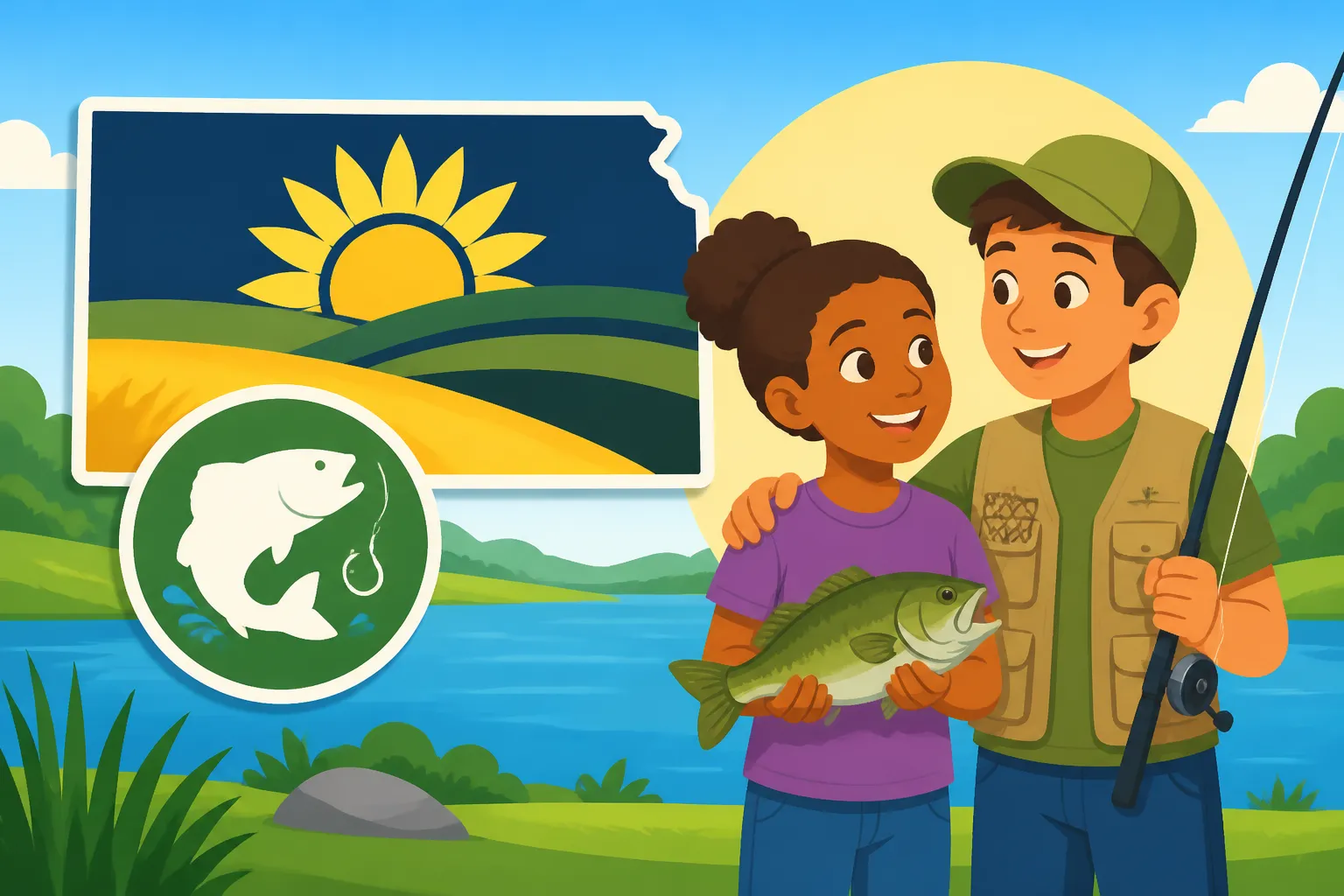
Taking a foster child fishing is more than just an outing; it's an opportunity to create lasting memories, foster a connection with nature, and provide a sense of peace and accomplishment. The good news is that for most foster children, particularly those under 16, the KDWP has made it incredibly easy by exempting them from general fishing license requirements. This allows foster parents and guardians to focus on the joy of the experience rather than bureaucratic hurdles.
For those moments when a license or special permit is required, such as when a foster child turns 16 or if you're specifically targeting trout, the process is straightforward and well-supported by various online and in-person purchasing options. Always double-check the current Kansas Fishing Regulations Explained for any updates or specific rules for the body of water you plan to visit, as regulations can sometimes vary by location or species. With the right information and a little planning, you're all set to enjoy the fantastic fishing opportunities Kansas has to offer with the children in your care.
Disclaimer
Please remember that fishing regulations and license requirements are subject to change. While this guide provides current information based on Kansas Department of Wildlife and Parks (KDWP) guidelines, it is always your responsibility to consult the most up-to-date official KDWP regulations before any fishing trip. This content is for informational purposes only and should not be considered legal advice.