Milford Lake Fishing Guide
Milford Lake. Just the name conjures images of vast, sparkling water, towering bluffs, and the promise of a bent rod. But let's be real, for many anglers, especially those new to this magnificent Kansas gem, Milford can feel less like a promise and more like a puzzle. It’s the largest lake in Kansas, after all, and its sheer size, diverse structure, and sometimes fickle fish can be downright intimidating. You might pull up to a boat ramp, gaze out at the sprawling expanse, and wonder, "Where do I even start?" This comprehensive guide is here to unravel that mystery, offering practical advice and seasoned insights to help you conquer Milford Lake and consistently put fish in your net.
Understanding Milford Lake's Unique Character
Milford Lake, often called the "Fishing Capital of Kansas," isn't just another body of water; it's an ecosystem of incredible diversity that demands respect and understanding from anglers. This massive reservoir, formed by the damming of the Republican River, offers an astonishing array of habitats, from shallow, silty river arms to deep, rocky main lake points and submerged timber. Getting to know its layout and what makes it tick is your first step toward consistent success.
Geography and Size: A Kansas Giant
When we talk about Milford Lake, we're talking about serious acreage. At conservation pool, it spans roughly 16,000 surface acres, making it the largest lake in Kansas. This isn't some small community pond; it's a vast inland sea, stretching across parts of Geary, Clay, and Dickinson counties. The lake's deep, clear western end gradually gives way to shallower, more turbid waters as you move eastward into the river arms. This gradient creates vastly different fishing conditions and dictates where certain species will thrive throughout the year. The diverse landscape, from the steep, rocky bluffs near the dam to the more gently sloping prairies upstream, offers a visual feast as well as diverse fish habitats. You'll find everything from rugged limestone shorelines to expansive mudflats, each attracting different types of forage and, consequently, different game fish.
Primary Inflows: The Republican River System
The lifeblood of Milford Lake is the Republican River, which, along with its tributaries like the Fancy Creek and South Fork Republican River, feeds into the reservoir. These riverine influences are absolutely critical to understanding fishing patterns, especially for species that migrate upstream to spawn. During spring, the influx of cooler, often muddier, water can trigger significant movements of white bass and walleye into these river arms. The current created by these inflows, even subtle, can concentrate baitfish and predatory game fish, making river channels and creek mouths prime targets. The turbidity carried by these rivers also plays a role, creating lower visibility conditions in the upper reaches of the lake, which often favors catfish and allows aggressive ambush predators to hunt effectively. Pay close attention to rainfall upstream; it directly impacts water levels and clarity in the lake's upper sections, which can change fishing conditions dramatically from one week to the next.
Key Habitat Features for Anglers
Milford Lake is a smorgasbord of fish-holding structure, and recognizing these key habitat features is paramount for targeting specific species. You've got everything from steep bluffs and rocky shorelines that plunge into deep water, perfect for walleye and smallmouth bass, to vast submerged timber fields that offer sanctuary for crappie and largemouth bass. There are numerous points and humps, both visible and submerged, that act as highways and ambush points for predatory fish like wipers and white bass. Old roadbeds, foundations of former farmsteads, and flooded creek channels provide important contour changes that attract fish, especially when they're transitioning between spawning and summer patterns. The riprap along the dam face and various bridges also create excellent habitat, offering current breaks and food sources. Understanding how different species utilize these varied structures throughout the seasons is the secret sauce to consistent success on Milford.
Targeting Milford Lake's Prize Species
Milford Lake is renowned for its diverse fishery, boasting healthy populations of several highly sought-after game fish. Each species has its own quirks, preferred habitats, and seasonal patterns, and knowing these details is key to a successful outing.
Walleye: The Golden Opportunity
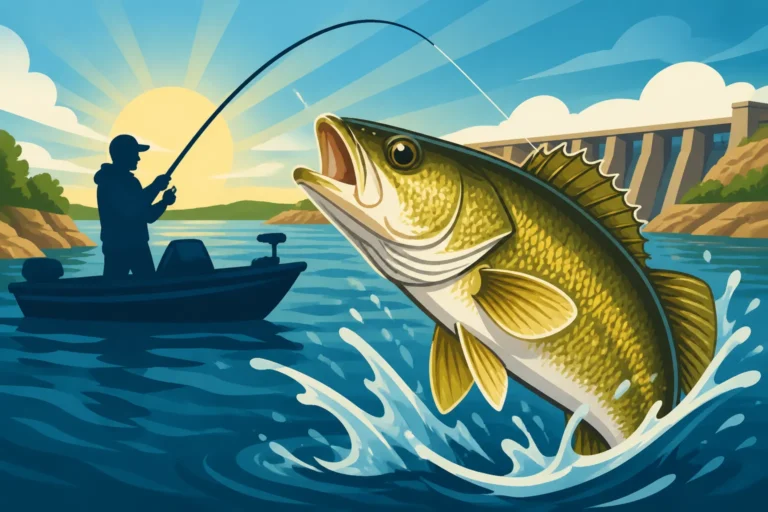
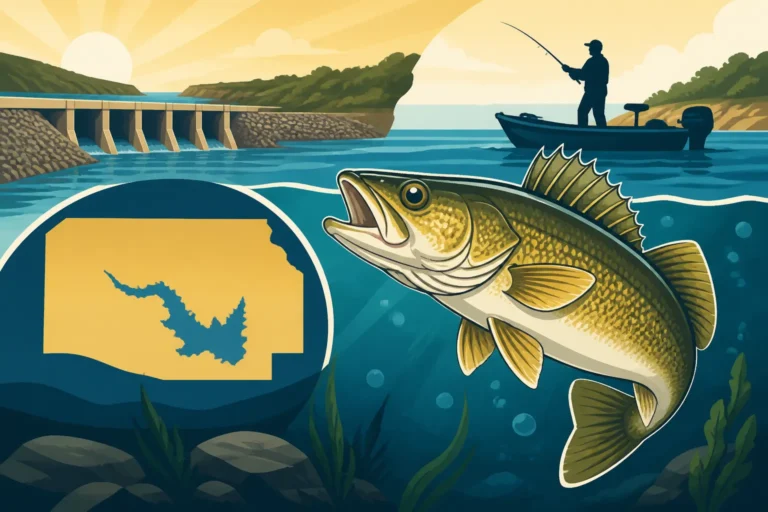
Milford Lake has a well-deserved reputation as one of the best walleye lakes in Kansas. These toothy predators are a favorite among anglers for their delicious table fare and challenging fight. Milford's extensive rocky structure, deep main lake basin, and cool, clear water on the lower end provide ideal conditions for walleye to thrive. During the cooler months and especially during their spring spawn, walleye migrate to rocky points, humps, and the dam face, often found in 15-30 feet of water. As the water warms in summer, they'll typically move deeper, seeking thermal refuge and feeding on schools of shad.
Targeting Milford Lake walleye often involves a mix of techniques. Trolling crankbaits, like Berkley Flicker Shads or Rapala Shad Raps, along contour lines or over submerged humps can be incredibly effective, especially when covering large areas. Jigging spoons or vertical jigging with plastics on rocky ledges and points are also proven methods. Live bait, particularly shiners or nightcrawlers on a bottom bouncer or slip-sinker rig, remains a perennial favorite for enticing finicky walleye. Remember that the walleye limit in Kansas is restrictive, usually two fish per day, and there's often a minimum length limit, so always consult the latest Kansas Fishing Regulations Explained before you head out. For more in-depth strategies, check out our Kansas Walleye Fishing Techniques guide.
Crappie: The Panfish Powerhouse
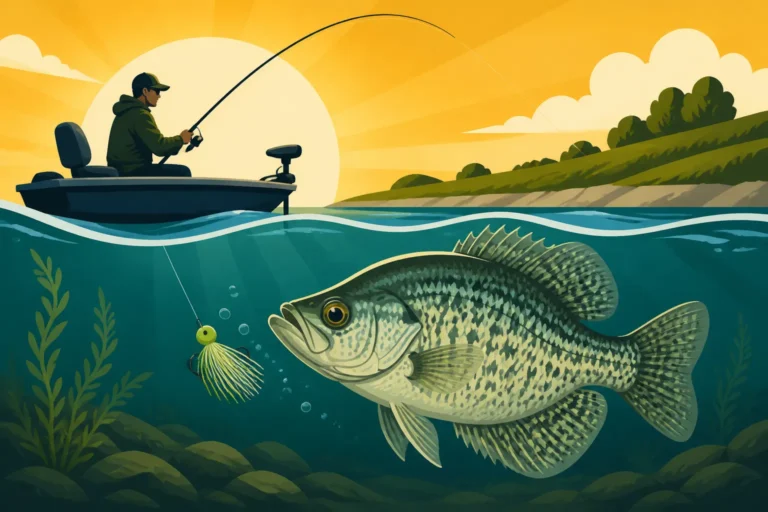
Milford Lake is a crappie paradise, offering both black and white crappie in impressive numbers and sizes. These schooling panfish are a blast to catch and make for an excellent fish fry. Crappie are structure-oriented fish, meaning they'll relate closely to submerged timber, brush piles, rock piles, and bridge pilings. You'll find them in the flooded timber of the upper river arms, in numerous coves with brush, and around man-made fish attractors.
Spring is prime crappie time at Milford when they move into shallow water to spawn, often in less than 5 feet, around submerged bushes and flooded terrestrial vegetation. During summer and fall, they'll often suspend over deeper brush piles or along channel edges. Winter crappie fishing can also be fantastic, as they school tightly in deep water near structure. The most common and effective techniques include jigging small jigs (1/16 to 1/8 ounce) tipped with a small plastic grub or minnow. Spider rigging with multiple rods fishing different depths and baits is also popular for covering water. Don't overlook single-pole jigging over known brush piles. You can find more comprehensive advice in our Kansas Crappie Fishing Techniques article.
Catfish: The River Monsters
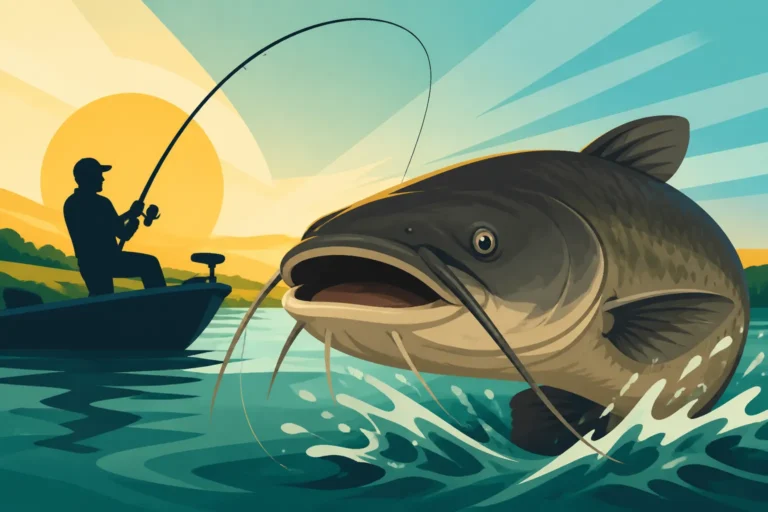
Milford Lake is a true trophy catfish destination, particularly for blue catfish and flatheads, alongside a robust population of channel catfish. These powerful bottom dwellers offer some of the most exciting battles an angler can experience. The lake's vast river arms and numerous creek channels provide ideal habitat, especially for flatheads, which prefer live bait and ambush points in timber-laden areas. Blue cats, on the other hand, are often found in deeper channels and humps throughout the main lake, as well as in the river sections, and are keen on fresh cut bait.
Channel catfish are abundant throughout the entire lake, readily biting on stink baits, punch baits, worms, and cut bait in both shallow and deep water, depending on the season. Look for them in areas with softer bottoms, along channel edges, and around current breaks. For blue cats, fresh cut shad or skipjack herring fished on trotlines or heavy rod-and-reel setups in the main river channel or deep holes is the ticket. Flatheads prefer live sunfish or perch, fished near dense cover like submerged trees or rock piles at night. Milford Lake can produce flatheads well over 50 pounds and blue cats pushing the 70-pound mark, so be sure you're geared up with a sturdy rod and reel combo for catfish. Consult our Kansas Catfish Fishing Techniques guide for more detailed tips on landing these giants.
White Bass and Wipers: The Hard-Fighting Hybrids
If you're looking for fast action and powerful fights, Milford Lake's white bass and hybrid striped bass (wipers) are your targets. White bass are prolific and often form massive schools, chasing shad in open water. Wipers, a cross between white bass and striped bass, grow considerably larger and hit lures with ferocious aggression. Both species are phenomenal fighters and fantastic for beginners and experienced anglers alike.
The spring white bass run up the Republican River arm is legendary, with anglers catching dozens of fish in a single outing. During this time, they aggressively strike small crankbaits, inline spinners, and Kastmasters. Throughout the rest of the year, both white bass and wipers can be found roaming open water, often indicated by diving birds or schooling baitfish on your fish finder. Look for them around main lake points, humps, and submerged islands, especially during low light conditions or when they're actively busting bait on the surface. Trolling crankbaits, casting jigs, or throwing topwater lures into active feeding schools are all highly effective. For an unforgettable experience, try night fishing under lights for these species, as they're often drawn to the light source, which attracts baitfish. Our Kansas White Bass Guide can provide further insights into targeting these exciting fish.
Largemouth and Smallmouth Bass: The Aggressive Predators
While Milford isn't primarily known as a trophy bass lake compared to some other Kansas reservoirs, it holds solid populations of both largemouth and smallmouth bass, offering exciting opportunities for dedicated bass anglers. Largemouth bass prefer the shallower, more protected coves with abundant aquatic vegetation, submerged timber, and brush piles, particularly in the upper end of the lake where water clarity is often less. Smallmouth bass, true to their nature, gravitate towards the rocky bluffs, riprap, and main lake points in the clearer, deeper sections of the lake.
For largemouth, target visible cover with Texas-rigged plastics, spinnerbaits, or shallow-running crankbaits. Topwater lures can be explosive during low-light conditions. For smallmouth, focus on rocky areas, pitching tubes, grubs, or small crankbaits parallel to the bluffs and over submerged rock piles. Pay close attention to current areas, as smallmouth will often stage to ambush bait. Early mornings and evenings are often the best times to target both species, especially during the warmer months.
Best Fishing Spots and Access Points on Milford Lake
Milford Lake's vastness means that knowing where to fish is often more important than how to fish. Different areas cater to different species and fishing styles. While local knowledge is invaluable, understanding the general hotspots can significantly shorten your learning curve.
Main Lake Body: Points, Humps, and the Dam
The main lake body of Milford, particularly the western and central portions, is characterized by clearer water, deeper depths, and significant rock structure. This is prime territory for walleye, smallmouth bass, and wipers.
- Rocky Points and Humps: These underwater structures are natural magnets for predatory fish. Look for points that extend far out into the lake or submerged humps that rise up from the bottom. Walleye will cruise the ledges and tops of these structures, especially during low light. Smallmouth bass will relate to the rock itself, using it for ambush cover. Identifying these on your fish finder and marking them on a GPS is crucial. Trolling deep-diving crankbaits around these features is effective for walleye and wipers, while vertical jigging or casting soft plastics works well for smallmouth.
- The Dam Face and Spillway: The riprap along the Milford Dam creates an artificial reef, attracting baitfish and, consequently, game fish. Walleye are often found along the face of the dam, especially in spring and fall. White bass and wipers will school here, particularly when water is being released through the spillway, creating current. Bank anglers can often find success here, casting jigs or crankbaits parallel to the riprap. However, always be mindful of safety and restricted access areas around the dam.
- Deep Water: Don't be afraid to target deep water, especially during summer. Offshore humps, old creek channels that cut through the main lake basin, and even schools of suspended shad can hold large concentrations of wipers and walleye. Using your electronics to locate baitfish schools and then targeting the predators below or around them is a classic open-water strategy.
River Arms: Republican River and Fancy Creek
The upper reaches of Milford Lake, fed by the Republican River and Fancy Creek, offer a completely different fishing experience. These areas are shallower, often murkier, and feature extensive flooded timber and more gradual slopes. This is prime habitat for crappie, catfish, and during certain seasons, massive runs of white bass and walleye.
- Republican River Arm: This is the heart of the spring white bass and walleye run. As water temperatures rise, these fish push upstream, congregating in the river channel and associated feeder creeks. Look for current breaks, submerged logjams, and deeper holes. During the rest of the year, this arm is a fantastic area for channel catfish, flatheads, and crappie. The numerous brush piles and standing timber provide excellent cover for crappie, while the deeper channels are highways for catfish. Anglers often fish from boats, drifting cut bait for catfish or spider rigging for crappie. Bank access can be good in certain areas, particularly near parks and wildlife areas.
- Fancy Creek Arm: Similar to the Republican River arm, Fancy Creek offers excellent crappie and catfish opportunities. It tends to be a bit smaller and more intimate, with good pockets of flooded timber and submerged brush. This arm can be less pressured than the main Republican River arm, making it a good option if you're looking for a bit more solitude. Again, focus on timber, creek channels, and any areas with good current breaks or deeper holes. Both arms are fantastic for exploring with a kayak or smaller boat, allowing you to get into areas larger boats can't reach.
Coves and Inlets: Sheltered Havens
Milford Lake is dotted with countless coves and inlets, each offering unique fishing opportunities. These sheltered areas often have a mix of habitat types, making them versatile fishing grounds.
- Timber-Filled Coves: Many coves, particularly in the middle and upper sections of the lake, feature extensive flooded timber. These are crappie heaven. Look for standing trees, submerged brush piles, and fallen logs. Crappie will hold tight to this cover, often suspending within the branches. Using a fish finder to locate these brush piles and then precisely presenting jigs or minnows is key. Largemouth bass also frequent these areas, hiding in the shadows of the timber, waiting to ambush prey.
- Rocky Coves: Coves with rocky points or bluff walls are excellent for smallmouth bass and can also hold walleye. These areas often have clearer water and can be productive for casting crankbaits or jigs.
- Shallow Backwater Areas: Some coves have shallow, muddy backwater sections that warm up quickly in spring. These can be excellent for early-season largemouth bass and provide a staging area for spawning crappie. As the water warms, these areas might attract channel catfish looking for an easy meal.
- Marina Areas: Don't overlook the structure around marinas, such as docks, boat ramps, and submerged pilings. These areas attract baitfish and provide cover for crappie, bass, and sometimes even walleye. Just be respectful of private property and boat traffic.
Seasonal Strategies for Milford Lake Fishing
The key to consistent success on Milford Lake is understanding how fish react to changing water temperatures, forage availability, and spawning cycles throughout the year. Adapting your approach with each season will dramatically improve your catch rates.
Spring: The Spawn and Feeding Frenzy
Spring is arguably the most anticipated time for Milford Lake anglers, as many species move shallow to spawn, making them more accessible and aggressive. As water temperatures climb into the 50s and 60s (Fahrenheit), the lake truly comes alive.
- Walleye Spawning Runs: Typically in late March to early April, walleye move from the main lake into the rocky river arms and along the dam to spawn. This is when the Milford Lake Walleye Fishing Near the Dam becomes legendary. Target shallow, rocky areas in the river current or on the dam face with jigs, minnow-imitating crankbaits, or even vertical jigging spoons. Post-spawn, they'll often scatter but remain relatively shallow, feeding heavily to recover.
- Crappie Moving Shallow: Crappie migration into shallow water for their spawn usually begins when water temperatures hit the mid-60s, often in May. They'll seek out submerged brush, standing timber, and new growth vegetation in protected coves and the upper river arms. Small jigs, minnows under a bobber, or slow-trolled spider rigs are incredibly effective. Our Milford Lake Crappie Spawn Timing in May guide highlights specific coves like Curtis Creek Cove Crappie Fishing at Milford Lake.
- White Bass Runs: The Republican River arm experiences a phenomenal white bass run in spring, usually starting in April and lasting into May, corresponding with the Milford Lake White Bass Run on the Republican River. These schooling fish aggressively strike small crankbaits, inline spinners, and Kastmasters as they push upstream to spawn. Finding current breaks and deeper holes in the river is key.
Summer: Deep Water and Night Fishing
As Kansas summer temperatures soar and water warms significantly, many fish species move to deeper, cooler waters or become more active during low-light hours.
- Deeper Walleye and Wipers: Walleye and wipers will move to main lake humps, points, and channel edges, often suspending over deeper water. Trolling deep-diving crankbaits (like those from Strike King or Bomber) in 15-30 feet of water is a popular and effective technique. Keep an eye on your fish finder for schools of shad and the predatory fish feeding on them. Early morning and late evening bites are often the most productive.
- Catfish Action: Summer is prime time for big catfish, especially flatheads and blue cats. Flatheads will be in deep timber and along river channels, hitting live bait at night. Blue cats will be on main lake humps and channels, readily taking fresh cut bait. Channel catfish are active throughout the lake, hitting a variety of baits, often concentrated in current areas or around boat docks and submerged brush. Night fishing for catfish is exceptionally productive during the hot summer months.
- Night Fishing for White Bass: When the sun goes down, Milford comes alive for night fishing. Using submersible lights to attract baitfish around your boat can create a feeding frenzy for white bass and wipers. Fish small jigs or spoons under the lights, varying your depth until you find where the fish are holding. This is a fantastic way to beat the heat and catch a lot of fish.
Fall: The Feeding Frenzy
Fall on Milford Lake is a period of intense feeding as fish fatten up for winter. Cooler temperatures and shorter days trigger aggressive feeding behaviors, making it one of the most productive times to fish.
- Walleye and Wipers on the Move: As water temperatures drop, walleye and wipers become very active, chasing schools of shad into shallower main lake areas and river arms. Trolling crankbaits, casting jigs, and targeting active schools with spoons are all highly effective. Look for them around main lake points, humps, and areas where baitfish are abundant. The bite can be explosive!
- Crappie and Bass Relate to Cover: Crappie will often move to brush piles and timber in slightly deeper water than their spring haunts, but they'll remain active, feeding heavily. Bass will also be aggressively feeding on baitfish, often found around shoreline cover, submerged timber, and rocky points. Crankbaits, spinnerbaits, and various soft plastics can produce excellent results for bass.
- Catfish Remain Strong: Catfish continue to feed actively throughout the fall. Blue cats will still be found on deeper main lake structure, while channel cats can be caught closer to shore or in the river arms. Flatheads will be in their timber-filled lairs, hitting live bait.
Winter: Ice Fishing and Deep Water
While ice fishing opportunities on Milford Lake can be unpredictable due to fluctuating temperatures, when safe ice forms, it offers unique fishing experiences. For those not venturing onto the ice, targeting deep water remains an option.
- Ice Fishing for Panfish and Walleye: If conditions allow, ice fishing for crappie, bluegill, and even walleye can be productive. Smaller jigs tipped with wax worms or minnows are effective for panfish, while larger spoons or jigging Rapalas can entice walleye. Always prioritize safety and check ice thickness regularly. Our Kansas Ice Fishing Guide offers essential safety tips and techniques.
- Deep Water Crappie and Walleye: For open water anglers, fish will be concentrated in the deepest parts of the lake, often suspended over brush piles or along sharp breaks. Sonar is essential to locate these schools. Vertical jigging with small spoons or blade baits can entice sluggish fish.
- Trout Season: While not a native species, Milford Lake is one of the waterbodies stocked with trout during the cooler months as part of the Kansas Winter Trout Fishing Program. This provides a unique opportunity for anglers targeting rainbow trout. Remember, a specific trout permit is usually required in addition to your fishing license.
Essential Gear and Techniques for Milford Lake
Having the right gear and knowing how to use it effectively can make all the difference on a large, diverse lake like Milford. From your rod and reel to your tackle box essentials, preparation is key.
Rods, Reels, and Line: Matching Your Quarry
The sheer variety of fish in Milford means you'll likely want a few different setups to be prepared for anything.
- For Walleye and Wipers: A medium-heavy spinning or casting rod (6'6" to 7'6") with a fast action is ideal for casting jigs or trolling crankbaits. Pair it with a 2500-4000 series spinning reel or a baitcasting reel spooled with 10-20 lb braided line, often with a fluorocarbon leader (10-15 lb) for stealth. The sensitivity of braid helps detect subtle bites, especially when fishing deep or trolling. For more insights, refer to our Best Rod and Reel Combo for Walleye guide.
- For Crappie: A light to ultralight spinning rod (5' to 7') with a fast to moderate action is perfect for feeling those soft crappie bites. A small 1000-2000 series spinning reel spooled with 4-6 lb monofilament or light braided line (e.g., PowerPro 6lb test) is sensitive enough for delicate presentations.
- For Catfish: If you're chasing Milford's trophy blues and flatheads, you'll need heavy-duty gear. A medium-heavy to heavy casting rod (7' to 8') with a stout backbone is essential. Pair it with a robust baitcasting reel (e.g., an Ambassadeur 6500 or equivalent) spooled with 30-80 lb braided line or heavy monofilament. Circle hooks are highly recommended for responsible catch-and-release and better hookups. Check out our Best Rod and Reel Combo for Catfish for specific recommendations.
- For Bass: A versatile medium-heavy baitcasting rod (6'8" to 7'4") with a fast action is a great all-around choice for largemouth and smallmouth. A 6.3:1 to 7.1:1 gear ratio baitcaster with 12-17 lb fluorocarbon or 30-50 lb braid (with a fluorocarbon leader) will cover most techniques.
Lures and Bait: Milford's Top Producers
Your tackle box should reflect the diverse opportunities at Milford.
- For Walleye:
- Crankbaits: Deep-diving crankbaits in shad, perch, and crawfish patterns (e.g., Berkley Flicker Shad, Rapala Shad Rap, Wally Diver).
- Jigs: 1/4 to 3/4 oz jigs tipped with plastic grubs, paddle tails, or live minnows. Blade baits and jigging spoons also work well.
- Live Bait: Nightcrawlers on a bottom bouncer, live shiners on a slip-sinker rig.
- For Crappie:
- Jigs: Small 1/16 to 1/8 oz tube jigs, curly tail grubs, or Bobby Garland plastics in chartreuse, white, or black/chartreuse.
- Live Bait: Small minnows fished under a bobber or on a jig head.
- For Catfish:
- Cut Bait: Fresh cut shad, drum, or carp are top producers for blue and flathead catfish.
- Live Bait: Small sunfish or perch are irresistible to flatheads.
- Prepared Baits: Stink baits, punch baits, and pre-made dough baits work wonders for channel catfish.
- For White Bass and Wipers:
- Crankbaits: Small, fast-running crankbaits in chrome, white, or shad patterns.
- Spoons: Kastmasters, Little Cleos, or other casting spoons.
- Jigs: White or chartreuse soft plastic paddle tails on a jig head.
- Topwater: Poppers or walking baits during active surface feeds.
- For Bass:
- Soft Plastics: Texas-rigged worms, creature baits, jig-and-pig combos, tubes.
- Crankbaits: Medium-diving crankbaits for largemouth, small crawfish-patterned crankbaits for smallmouth.
- Spinnerbaits & Chatterbaits: Excellent for covering water and fishing around vegetation or timber.
- Topwater: Frogs, poppers, walking baits for surface action.
Electronics and Navigation: Your Eyes Underwater
Given Milford's size and complex underwater topography, a quality fish finder and GPS unit are almost indispensable.
- Fish Finder: A good fish finder with down imaging and side imaging capabilities will help you locate submerged structure, brush piles, old creek channels, and most importantly, schools of baitfish and the game fish feeding on them. Brands like Humminbird and Lowrance offer excellent options. Learning to interpret what you see on your screen is a skill that comes with practice but is invaluable on Milford.
- GPS/Chartplotter: A GPS unit with detailed lake maps will help you navigate safely, mark productive fishing spots (waypoints), and follow contour lines. This is especially important on a large lake with many similar-looking coves and points. Many modern fish finders integrate GPS capabilities.
- Trolling Motor: A reliable bow-mount trolling motor, especially one with GPS anchoring features (like Minn Kota's Spot-Lock or Lowrance's Ghost), can make a huge difference in boat positioning, allowing you to quietly hold over a brush pile or slowly cruise a contour line hands-free. This is particularly useful for precision crappie and bass fishing. Our Best Trolling Motor for Kansas Lakes article has more information.
Navigating Regulations and Licensing for Milford Lake
Fishing on Milford Lake, like any public water in Kansas, requires adherence to specific regulations and proper licensing. Ignorance of the law is not an excuse, and a quick check can save you from a frustrating encounter with law enforcement.
Kansas Fishing Licenses: Who Needs One?
Before you even think about wetting a line, make sure your Kansas fishing license is current. Generally, anyone 16 years of age or older needs a valid license to fish in public waters. There are various types of licenses available: annual, multi-year, 24-hour, and five-day options for both residents and non-residents. Special exemptions exist for certain groups, such as children under 16, residents fishing on their own land, and some disabled veterans. You can purchase your license online through the Kansas Department of Wildlife and Parks (KDWP) website, at KDWP offices, or from many bait shops and sporting goods stores across the state. Our comprehensive Kansas Fishing License Guide covers all the details you'll need.
- Annual Licenses: These are the most common and often the most cost-effective if you plan to fish more than a few days a year. A Kansas Resident Annual Fishing License Costs $25, offering great value for a full year of angling.
- Nonresident Options: For visitors, options like the Kansas Nonresident Annual Fishing License Costs $75 or the Kansas Nonresident Five-Day Fishing License Costs $25 provide flexibility depending on the length of your trip.
- Special Permits: If you plan to target trout during the designated season (typically December to March), you'll need an additional Kansas Trout Permit Guide. Also, if you plan to fish from a boat, ensure your vessel meets all Kansas Boat Registration for Anglers requirements.
Specific Milford Lake Regulations and Limits
While statewide regulations apply to Milford Lake, there might be specific nuances to be aware of. It's crucial to consult the most current Kansas Fishing Regulations Summary, available on the KDWP website or in printed pamphlets. This summary details length limits, daily creel limits, and possession limits for each species.
- Walleye: Pay close attention to walleye regulations. Kansas often employs slot limits or minimum length limits to protect spawning fish and promote trophy growth. Currently, the Kansas Walleye Minimum Length Limit of 21 Inches is common, with a daily creel limit of two fish. This means you can't keep walleye smaller than 21 inches, and you're limited to two per day. These rules are designed to protect the breeding stock and enhance the quality of the fishery, and you should always adhere to them.
- Crappie: Crappie limits are usually quite generous, often allowing for a Kansas Crappie Daily Limit of 50 Fish, with a Kansas Crappie Minimum Length Limit of 10 Inches. This reflects the fast-reproducing nature of crappie, but always double-check as these can change.
- Catfish: Catfish limits can vary by species. Channel catfish often have a daily limit, while flathead and blue catfish might have different, often lower, limits due to their slower growth rates and trophy potential. The Kansas Channel Catfish Daily Limit often sits around 10 fish, while the Kansas Flathead Catfish Daily Limit might be lower.
- Paddlefish: Milford is not typically known for paddlefish, but if you're exploring other Kansas rivers or reservoirs, be aware of strict Kansas Paddlefish Snagging Season Dates and regulations.
Boating Safety and Courtesy
Beyond fishing-specific rules, general boating regulations are paramount on a busy lake like Milford. Always ensure you have all required safety equipment, including life jackets for every person on board, a fire extinguisher, signaling devices, and navigation lights. Familiarize yourself with navigation rules, especially regarding right-of-way and safe speeds. Be mindful of others on the water, whether they're other anglers, recreational boaters, or kayakers. Practice good boat ramp etiquette, launching and retrieving your vessel efficiently to avoid delays for others. If you're using a fishing guide service, make sure they are properly licensed; you can often find reputable guides through platforms like FishingBooker, who are usually well-versed in all local regulations.
Planning Your Milford Lake Fishing Trip
A successful fishing trip to Milford Lake goes beyond just knowing where and how to fish; it involves thoughtful planning, from accommodation to understanding local resources.
Accommodation and Camping Options
Milford Lake is surrounded by excellent infrastructure for visitors, making it easy to turn a day trip into a multi-day adventure.
- Milford State Park: Located on the southeastern shore, Milford State Park offers numerous camping loops, ranging from primitive sites to those with full hookups. Many sites are waterfront or offer lake views, providing convenient access to boat ramps and fishing spots. The park also features cabins and hiking trails, making it a great base for families.
- Corps of Engineers Campgrounds: Several U.S. Army Corps of Engineers campgrounds dot the lake's perimeter, including Farnum Creek, School Creek, and Curtis Creek. These offer a mix of amenities and often boast fantastic lake access. They're generally well-maintained and popular among anglers due to their proximity to prime fishing areas.
- Lodging in Nearby Towns: If camping isn't your style, the nearby communities of Junction City and Milford offer a range of hotels, motels, and bed-and-breakfasts. These towns also provide access to restaurants, grocery stores, and bait and tackle shops. Booking a local guide through platforms like FishingBooker can often include recommendations for lodging as well.
Local Bait and Tackle Shops
Don't underestimate the value of a good local bait and tackle shop. These establishments are often treasure troves of local knowledge, offering up-to-the-minute fishing reports, advice on hot baits, and information on current conditions. Shops in Junction City or Milford, like local Walmart stores (where you can also buy a Kansas fishing license) or smaller independent shops, are invaluable resources. They'll stock the specific minnows, shad, or prepared baits that are working best on Milford at any given time, saving you the headache of trial and error. Often, the staff are avid local anglers themselves and are happy to share tips and tricks.
Weather and Water Conditions: The Unpredictable Factors
Kansas weather can be notoriously fickle, and lake conditions can change rapidly. Always check the forecast before heading out.
- Wind: Milford Lake is large and exposed, making wind a significant factor. High winds can make boating dangerous, especially in open water, and can churn up the water, affecting clarity and fish behavior. Pay attention to wind direction and speed. Using a windsock on your boat can help with drift fishing, but strong winds can make even that challenging.
- Temperature and Precipitation: Water temperature is a primary driver of fish behavior. Use a reliable weather app that provides hourly forecasts and check current lake conditions if available. Recent rainfall can cause the river arms to become muddy and rise, impacting fishing. Conversely, prolonged dry spells can lead to lower water levels, changing access points and concentrating fish in different areas.
- Online Resources: Many KDWP offices or local bait shops might offer online fishing reports for Milford Lake, or you can find community forums where anglers share their experiences and observations. These can be helpful in gauging current conditions.
Conservation and Responsible Angling on Milford Lake
As stewards of our natural resources, responsible angling practices are paramount to ensuring that Milford Lake remains a fantastic fishery for generations to come.
Practicing Catch and Release
While Milford Lake offers abundant opportunities for harvesting fish for the table, practicing selective catch and release is vital for species management, especially for larger, older fish like trophy walleye, blue catfish, and flatheads. These larger fish are crucial for the reproductive health of the population.
- Proper Handling: When releasing fish, handle them gently. Minimize their time out of water, use wet hands or a wet towel, and support their body weight. If a fish is deeply hooked, consider cutting the line rather than trying to remove the hook, especially if it's in the gills or gut. Using circle hooks for catfish can significantly reduce gut hooking.
- "Limit Your Kill, Not Your Catch": This old adage encourages anglers to enjoy the thrill of catching many fish while only keeping what they truly need for a meal, staying well within legal limits. Take photos, create memories, and let the rest swim away to fight another day.
Preventing the Spread of Aquatic Nuisance Species
Milford Lake, like many Kansas reservoirs, is susceptible to aquatic nuisance species (ANS) such as zebra mussels and Asian carp. These invasive species can severely disrupt the ecosystem, outcompeting native species and altering habitat.
- Clean, Drain, Dry: This simple mantra is the most effective way to prevent the spread of ANS.
- Clean: Remove all visible mud, plants, and aquatic organisms from your boat, trailer, and fishing gear before leaving the boat ramp.
- Drain: Drain all water from your livewell, bilge, and engine before leaving the water body.
- Dry: Allow your boat, trailer, and all gear to dry completely for at least five days before launching in another water body. If drying is not possible, wash with high-pressure, hot water.
- Never Transfer Bait: Never release unused baitfish into Milford Lake or transport live bait from one water body to another. Dispose of unused bait in the trash.
- Report Sightings: If you spot any unusual aquatic species, report it to the KDWP immediately. Early detection is key to managing invasive populations.
Respecting the Environment and Other Anglers
Milford Lake is a shared resource, and respecting the environment and fellow anglers ensures a positive experience for everyone.
- Pack It In, Pack It Out: Leave no trace. Take all your trash, including fishing line, bait containers, and food wrappers, with you. Dispose of it properly. Used fishing line, in particular, can be deadly to wildlife.
- Noise and Wake: Be mindful of excessive noise and boat wakes, especially in coves or near other anglers. Loud music or fast passes can disrupt fishing and create hazardous conditions.
- Private Property: Always be aware of property lines and respect private land. Even if a spot looks promising, if it's on private property, you need permission to access it. Public access points are clearly marked.
Milford Lake is a true treasure for Kansas anglers, offering incredible opportunities to catch a wide variety of fish in a beautiful setting. By understanding its unique characteristics, adapting your strategies to the seasons, using the right gear, adhering to regulations, and practicing responsible angling, you're not just casting a line; you're becoming a part of the rich fishing tradition that this magnificent lake embodies. So, pack your gear, check your license, and get ready to experience some of the best fishing the Sunflower State has to offer!
Disclaimer
The information provided in this Milford Lake fishing guide is for general informational purposes only. Fishing regulations, conditions, and fish behavior are subject to change. Always consult the most current Kansas Department of Wildlife and Parks regulations, check local weather and water conditions, and prioritize safety before and during any fishing trip.