Kansas Walleye Daily Limit of Two Fish
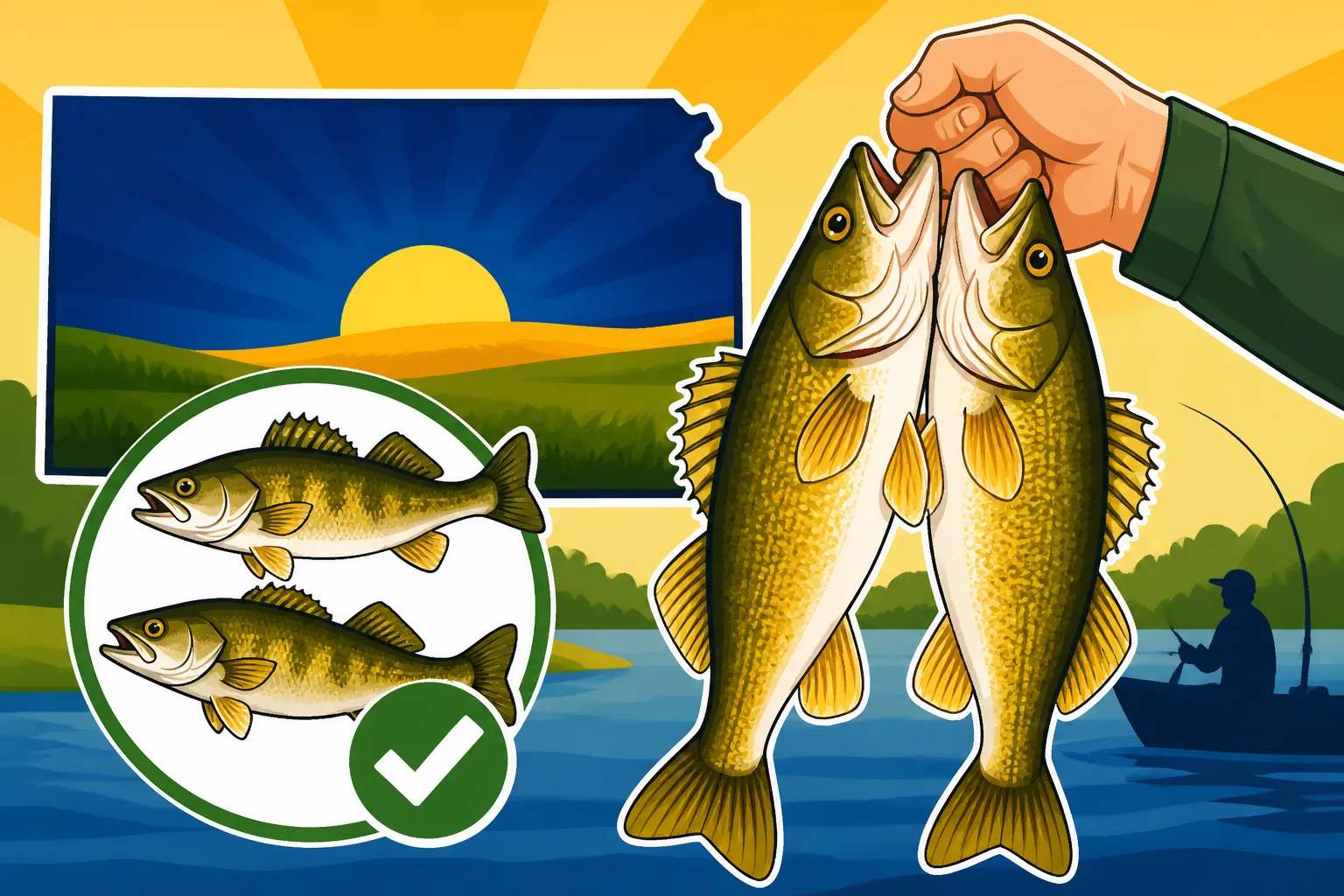
Many Kansas anglers feel a mix of excitement and sometimes a little confusion when it comes to walleye regulations, especially with that often-discussed daily limit. It can be frustrating to plan a perfect day on the water, only to be unsure if you’re fully compliant with the rules designed to protect our precious fish populations. This comprehensive guide will walk you through everything you need to know about the Kansas walleye daily limit of two fish, explaining the rationale, how it applies across various lakes, and what it means for your fishing adventures.
Understanding Kansas Walleye Regulations
Kansas is home to some fantastic walleye fishing, with these elusive and delicious fish being a prized catch for many. However, unlike some other species with more generous bag limits, walleye often come with stricter regulations. The primary rule that most anglers encounter is the two-fish daily limit, but there's a lot more to it than just that number. These regulations are meticulously crafted by the Kansas Department of Wildlife, Parks and Tourism (KDWP) to ensure the long-term health and sustainability of walleye populations across our state's diverse waterways. They're not just arbitrary rules; they're based on sound biological science and years of monitoring.
The Rationale Behind the Two-Fish Daily Limit
You might wonder why walleye, specifically, often have such a tight limit compared to, say, crappie or white bass. The reasoning is rooted in the biology of the species and the management goals of the KDWP. Walleye are a slower-growing fish than many other popular game species in Kansas. They also have a more complex reproductive cycle that can be sensitive to environmental factors and fishing pressure. If anglers were allowed to keep a higher number of walleye daily, it wouldn't take long for the populations in our reservoirs to dwindle, making it much harder for everyone to enjoy this incredible fishery in the future.
The two-fish daily limit is a direct strategy to manage fishing pressure and protect the reproductive capacity of the walleye. By limiting the number of fish an individual can harvest, the KDWP ensures that a significant portion of the adult spawning population remains in the water, contributing to future generations. This approach helps maintain a healthy balance, allowing some harvest for anglers while safeguarding the overall health of the fishery. Furthermore, this limit, combined with minimum length requirements, often contributes to the development of trophy-sized walleye, which is a major draw for many dedicated anglers in Kansas. It's all about finding that sweet spot between recreational opportunity and conservation. This concept is vital for understanding Why the Kansas Walleye Limit Is Only Two Fish.
Minimum Length Requirements for Walleye in Kansas
Beyond the daily bag limit, another critical regulation often accompanies walleye fishing: the minimum length limit. In Kansas, most major reservoirs that hold significant walleye populations typically have a minimum length requirement, often 18 or 21 inches. This means that even if you catch a walleye, if it doesn't meet this specific length, you must immediately release it back into the water, regardless of how many fish you've already kept that day. These rules are in place to allow juvenile walleye to grow to sexual maturity and spawn at least once, further bolstering the population before they become eligible for harvest.
Imagine you're out on Cheney Reservoir, known for its excellent walleye fishing. You've caught a few beautiful walleye, but they're all just under the 21-inch minimum. Even if you haven't reached your two-fish daily limit, you still can't keep those fish. This regulation helps ensure that younger fish have a chance to reproduce, which is crucial for a sustainable fishery. It's a key component of the KDWP's broader strategy for Kansas Walleye Length Limits and contributes significantly to the quality of fishing over time. Always double-check the current regulations for the specific lake you're fishing, as these rules can sometimes vary slightly from one water body to another based on local management plans.
Navigating Walleye Limits Across Different Kansas Waterbodies
One of the nuances of fishing in Kansas is that regulations aren't always a one-size-fits-all deal. While the general "two-fish daily limit" for walleye is widespread, specific lakes and management areas can have slightly different twists on this rule, particularly concerning length limits or even slot limits. This variability is a good thing, as it allows the KDWP to tailor management strategies to the unique characteristics and fish populations of each water body. As a responsible angler, understanding these localized rules is just as important as knowing the statewide basics. For a full breakdown of all the rules, it's always a good idea to consult the Kansas Fishing Regulations Explained guide.
Reservoir-Specific Walleye Regulations
Kansas boasts numerous reservoirs, each with its own character and, sometimes, its own set of specific walleye regulations. While the overarching daily limit might remain two fish, the minimum length can change, or a slot limit might be introduced. A slot limit means you can keep fish below a certain size (e.g., under 18 inches) and fish above a certain larger size (e.g., over 24 inches), but nothing within the "slot" (e.g., 18 to 24 inches). This is often implemented to protect a specific size class of fish, usually the prime breeding stock, allowing them to grow larger and contribute more to the population.
For instance, a lake like Milford Lake might have a 21-inch minimum length limit, encouraging the growth of larger fish. Meanwhile, a different reservoir, like Wilson Lake, might have a protected slot limit, aiming to produce both trophy fish and a healthy population of smaller, more catchable walleye. These distinctions are vital. If you're fishing Milford Lake and catch an 18-inch walleye, you'd have to release it. But if you were on a lake with an 18-inch minimum and no slot, you could keep it. It pays to do your homework before heading out. Below is a simplified table illustrating potential variations across some popular Kansas walleye lakes. Remember, these are examples, and regulations are subject to change, so always check the latest KDWP fishing regulations pamphlet or website before your trip!
| Lake Name | Daily Limit | Length Limit Details | Common Species Targeted |
|---|---|---|---|
| Milford Lake | 2 Walleye | 21-inch minimum length | Walleye, Catfish, White Bass |
| Cheney Reservoir | 2 Walleye | 21-inch minimum length | Walleye, Wiper, Crappie |
| Wilson Lake | 2 Walleye | Often a 21-inch minimum or a protected slot (e.g., 21-26 inches protected) | Walleye, Striped Bass, Smallmouth |
| Clinton Lake | 2 Walleye | 18-inch minimum length | Walleye, Crappie, Largemouth Bass |
| El Dorado Lake | 2 Walleye | 18-inch minimum length | Walleye, Striped Bass, Crappie |
| Perry Lake | 2 Walleye | 18-inch minimum length | Walleye, Crappie, Channel Catfish |
This table shows just how important it is to be specific about your destination. A simple laminated ruler, perhaps one you can find on Amazon, is an invaluable tool to ensure you’re accurately measuring your catch on the water. These nuanced regulations are critical to maintaining the health and quality of the Best Walleye Lakes in Kansas.
Community Lakes and Special Management Areas
While the big reservoirs often get all the attention for walleye, some smaller community lakes or special management areas might also have walleye populations, albeit usually through stocking efforts. These smaller bodies of water sometimes operate under slightly different rules, which can occasionally include variations in walleye limits, though often they align with the general two-fish rule if walleye are present. It's less common for community lakes to have significant wild walleye populations; they are more often stocked with species like channel catfish, crappie, and sunfish, which have more generous limits.
However, if a community lake does have a walleye stocking program, the KDWP will clearly outline any specific length or creel limits for that particular body of water in their annual regulations summary. These special management areas, often designated as "State Fishing Lakes" or "Community Fishing Lakes," are designed to provide accessible fishing opportunities, and their rules reflect their unique management goals. For example, some might have very strict catch-and-release rules for certain species or might even prohibit the use of certain types of bait. It's always best practice to check the specific regulations for any non-reservoir water body you plan to fish, especially if you're targeting walleye, as their presence and management in these smaller lakes can be highly localized. A good resource is the Kansas State Fishing Lakes Guide.
Practical Implications for Anglers: What the Two-Fish Limit Means for Your Trip
Understanding the two-fish daily limit for walleye in Kansas is more than just memorizing a number; it fundamentally influences how you plan, execute, and enjoy your fishing trips. It requires a mindful approach, encouraging anglers to think strategically about their time on the water, the fish they encounter, and their role in conservation. This regulation isn't meant to hinder your fun, but rather to enhance the quality of walleye fishing for everyone, now and in the future.
Planning Your Walleye Fishing Strategy
Knowing you're limited to two walleye means your approach might shift from simply trying to catch as many fish as possible to focusing on quality over quantity. Instead of just burning through spots, you might spend more time perfecting your Kansas Walleye Fishing Techniques in known walleye haunts. This could mean dedicating more effort to finding larger fish that meet or exceed the minimum length requirements. For many anglers, the two-fish limit makes each legal catch feel even more special and rewarding.
You might also consider specialized gear. For example, using a high-quality measuring board or a floating scale (which can be found on Amazon) to quickly and accurately check the size of your catch before deciding whether to keep or release. It’s also important to have the right tools for catch-and-release, like de-hookers, especially if you're planning to release many fish under the legal limit. This mindful approach helps reduce stress on released fish, increasing their survival rates. If you catch your two legal walleye early in the day, you then have a few choices: switch to targeting other species like catfish or crappie, or continue to practice catch-and-release for walleye, ensuring you handle them with the utmost care. This strategic mindset transforms a simple fishing trip into a more engaging and responsible angling experience.
Ensuring Compliance and Avoiding Penalties
Fishing without proper adherence to regulations, particularly regarding limits and sizes, can lead to some pretty hefty consequences, not to mention a serious disappointment to your fishing day. Ignorance of the law is generally not considered an excuse, so it’s your responsibility as an angler to know the rules of the water you’re fishing. This includes having a valid Kansas Fishing License Guide, understanding statewide Kansas Daily Creel Limits by Species, and being fully aware of any site-specific walleye regulations.
Game wardens are out on the water regularly, ensuring everyone is following the rules. If you're caught with more than your daily limit of walleye, or with fish under the legal length, you could face significant fines, confiscation of your catch, and even suspension of your fishing privileges. These penalties, as outlined in the Kansas Fishing Law Enforcement and Penalties document, are in place to deter illegal harvesting and protect the fishery. Always measure your fish carefully and accurately. If there’s any doubt, err on the side of caution and release the fish. Keeping a cooler with ice (you can find excellent durable coolers on Amazon) is also crucial for any legal fish you decide to keep, ensuring they remain fresh and are easily counted and inspected if needed. Responsible angling starts with respecting the rules.
Maximizing Your Walleye Experience Beyond the Limit
The two-fish daily limit for walleye doesn't have to feel restrictive; instead, many seasoned anglers view it as an opportunity to elevate their fishing experience. It shifts the focus from accumulating a large quantity of fish to truly appreciating each individual catch and the overall health of the fishery. This perspective can lead to more fulfilling days on the water and a deeper connection to the natural environment Kansas offers.
Targeting Quality Over Quantity
With a two-fish limit, every walleye you catch and legally keep becomes a prize. This encourages a shift in mindset: instead of just trying to get any walleye, you might find yourself strategizing to find larger, healthier walleye. This could involve spending more time researching prime walleye habitat, understanding their feeding patterns during different seasons (like those described in the Kansas Fishing Seasons Guide), or experimenting with advanced presentation techniques.
Many anglers embrace the challenge of targeting bigger fish, focusing on structure, deeper water, or specific forage patterns that tend to hold larger specimens. It’s not uncommon for anglers to spend an entire day pursuing just one or two trophy-class walleye, knowing that even if they only get one bite, it could be the fish of a lifetime. The limited harvest encourages meticulous catch-and-release practices for smaller or slot-sized fish, ensuring they have the best chance of survival and future growth. This focus on quality fishing often leads to refining skills, improving fish identification, and becoming a more ethical and proficient angler overall.
Exploring Other Fish Species
Even if you’re laser-focused on walleye, reaching your daily limit doesn’t mean your fishing day has to end. Kansas waters are incredibly diverse, teeming with other exciting and delicious fish species that often have more liberal daily limits. This offers a fantastic opportunity to diversify your angling skills and experience different types of fishing, making your time on the water even more productive and enjoyable.
Once you've boated your two legal walleye, consider switching gears. Many of the same lakes that hold walleye also boast thriving populations of crappie, channel catfish, white bass, or even wipers. You could pack a secondary tackle box or a small bag with gear specifically for these other species. For example, if you're at Cheney Reservoir, after getting your walleye, you might switch to smaller jigs or minnows to target crappie, which have a much higher daily limit. Or perhaps cast out a bottom rig with some cut bait for channel catfish, knowing you have a generous limit for them. This flexibility not only extends your fishing day but also broadens your angling horizons. It's a great way to learn new techniques and appreciate the full spectrum of fishing opportunities Kansas provides. Learning about Kansas Crappie Fishing Guide or the Kansas Catfish Species Guide can open up entirely new fishing adventures.
Disclaimer
The information provided in this guide is intended for general informational purposes only and does not constitute legal advice. Fishing regulations in Kansas are subject to change by the Kansas Department of Wildlife, Parks and Tourism (KDWP). Always consult the most current official KDWP fishing regulations pamphlet or their official website before engaging in any fishing activities to ensure full compliance with all applicable laws and regulations.