Lovewell Reservoir Fishing Spots
Trying to find the best fishing spots on a new reservoir can feel like trying to find a needle in a haystack, especially when you're looking at a big body of water like Lovewell Reservoir. It's easy to get overwhelmed by the sheer size and wonder where the fish actually are. This guide is here to cut through that confusion, giving you the insider scoop on where to cast your line for success at Lovewell, no matter what you're hoping to catch.
Understanding Lovewell Reservoir: Your Angling Playground
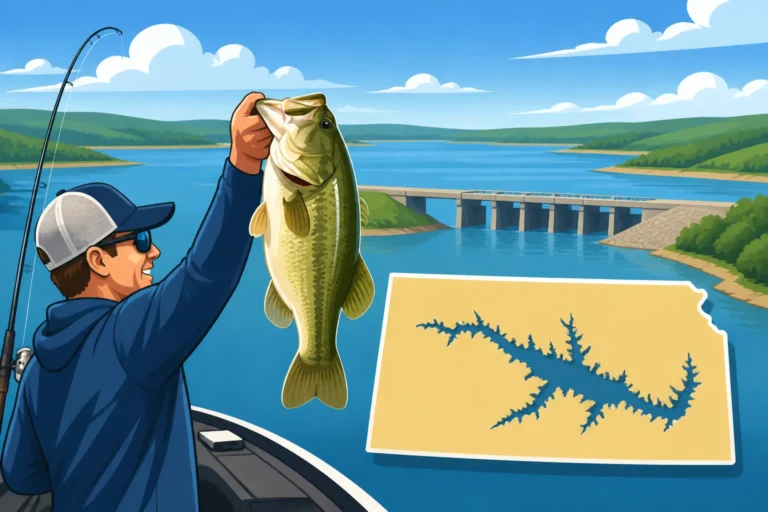
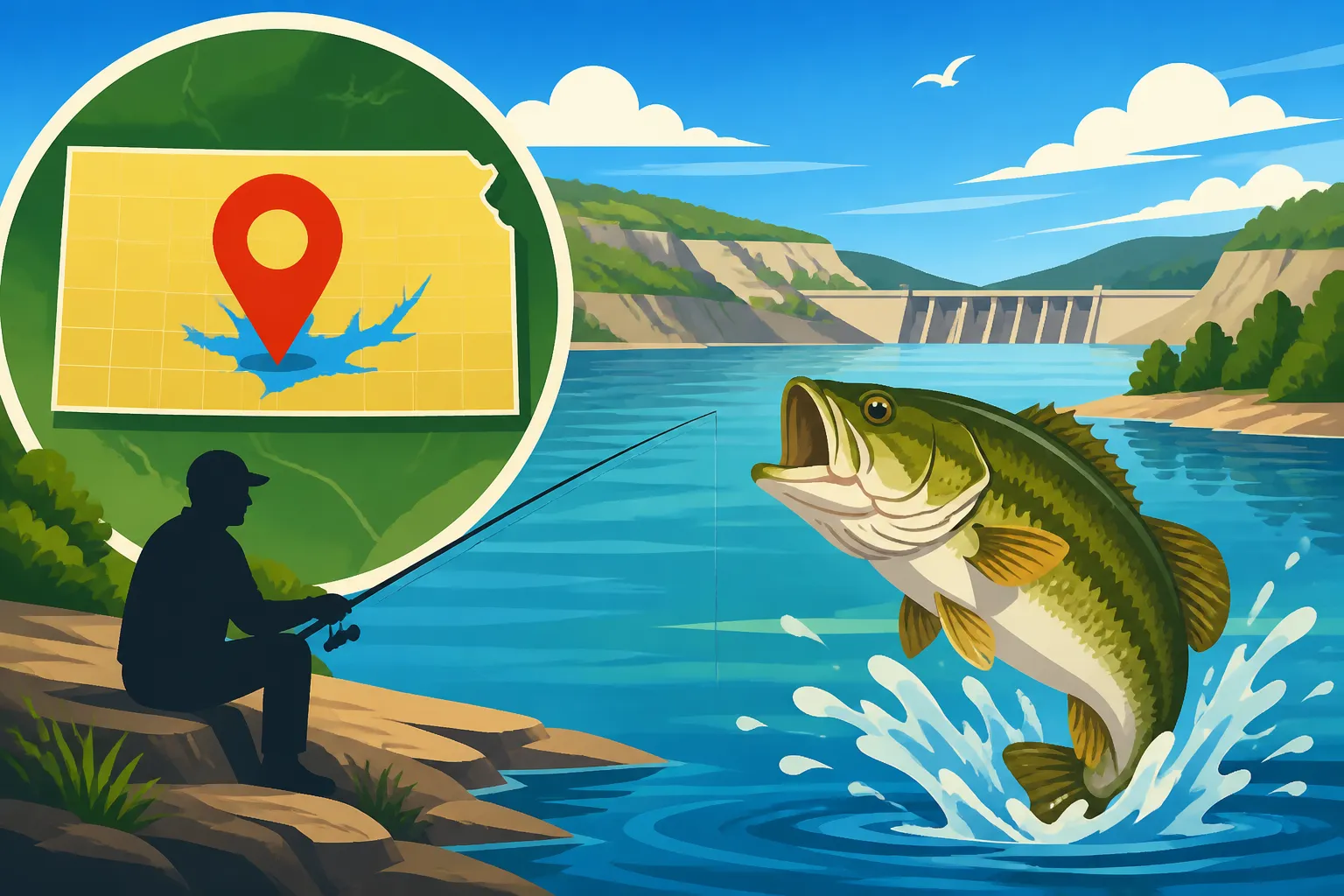
Lovewell Reservoir, nestled in Jewell County in north-central Kansas, is a fascinating and often productive body of water for anglers. It's not the biggest reservoir in the state, but its unique characteristics make it a standout. Formed by the Republican River, Lovewell covers approximately 3,000 acres at conservation pool, offering a mix of open water, protected coves, and riverine features that cater to a variety of fish species and fishing techniques. Many anglers appreciate its somewhat remote feel compared to some of the larger, more heavily trafficked reservoirs further east.
General Characteristics and Key Features
One of the most defining features of Lovewell Reservoir is its relatively shallow nature compared to some of Kansas's deeper impoundments. While it does have deeper channels, much of the lake consists of gently sloping flats and shallower bays, particularly on the western and northern ends. This shallower average depth means water temperatures can fluctuate more quickly, influencing fish behavior significantly throughout the seasons. The lakebed is primarily composed of a mix of silt, sand, and some rocky areas, particularly around the dam and along former creek channels. Understanding these bottom compositions is key to finding different species.
The reservoir's unique topography also includes several long, finger-like coves and creek arms, especially on the southern side, which provide excellent habitat and protection from the elements. These areas can warm up faster in spring, attracting spawning fish, and offer cooler, oxygenated water in deeper pockets during summer. Access to the reservoir is generally good, with several boat ramps and designated bank fishing areas around the Lovewell State Park. Navigating the lake is generally straightforward, but knowing the location of submerged timber and old creek beds can give you a significant advantage.
What Makes Lovewell Unique for Fishing?
Lovewell Reservoir truly shines as a multi-species fishery, offering fantastic opportunities for walleye, channel catfish, crappie, and even some saugeye and white bass. Unlike some lakes that might be dominated by one or two species, Lovewell consistently produces good numbers and sizes across several popular game fish. This diversity means you're rarely limited to just one target, allowing for varied fishing experiences and increased chances of success. It's a great spot if you want to try your hand at different techniques throughout the day.
Another unique aspect is the strong influence of the Republican River inflow, particularly during periods of higher flow. This influx of fresh water and nutrients can trigger feeding frenzies, especially for migratory species like white bass and walleye. The river's original channel, now submerged, acts as a major highway for fish movement and a prime hunting ground for predators. While Lovewell might not have the dramatic rock bluffs of a place like Wilson Lake, its subtler contours and diverse bottom structure offer plenty of hidden gems for anglers willing to explore. For those looking to broaden their understanding of local fishing, our comprehensive guide to the Kansas Fishing Regulations Explained provides essential context for all Kansas waters.
Top Species to Target at Lovewell Reservoir
Lovewell Reservoir offers a smorgasbord of angling opportunities, making it a fantastic destination for nearly any type of angler. While many species thrive here, a few truly stand out as prime targets, drawing anglers from across the region. Knowing which fish to pursue and when can drastically increase your enjoyment and success on the water.
Walleye: The Prized Catch
Walleye are undoubtedly one of Lovewell's most sought-after species, known for their delicious fillets and challenging fight. These cunning predators thrive in Lovewell's slightly turbid waters and varied structure. You'll find them actively feeding on baitfish like shad, especially during dawn and dusk. Spring and fall are often considered prime times for walleye, as they move shallower to spawn or feed aggressively before winter. During these cooler months, you might find them congregated on rocky points, submerged humps, or along the old river channel edges.
Throughout the warmer summer months, walleye tend to move deeper, seeking cooler, more oxygenated water. This is when trolling with crankbaits or presenting jigs and live bait (like nightcrawlers or leeches) along deep breaklines and main lake points becomes highly effective. Many anglers swear by fishing around the dam area in the evenings, where the deep water and current can hold some real trophy-sized fish. Understanding Kansas Walleye Fishing Techniques can significantly improve your chances of hooking into one of these elusive beauties at Lovewell.
Catfish: Abundant and Feisty
If you're looking for consistent action and a strong fight, Lovewell's channel catfish population will not disappoint. These whiskered warriors are incredibly abundant and can be caught using a wide variety of methods. Spring and summer are particularly productive for channel cats, as they become very active in the warmer water. You'll find them cruising the shallower bays, especially where there's some vegetation or brush, as well as congregating in the deeper holes of the old river channel.
Anglers often have great success with cut bait (like shad or carp), stink baits, or even shrimp, fished on the bottom with a slip-sinker rig. Don't be afraid to try different locations – from the main lake points to the back of shallow coves. Early mornings and evenings are prime feeding times, but channel catfish can often be caught throughout the day, especially if there's some cloud cover or a light chop on the water. For more detailed advice on tackling these strong fighters, check out our guide on Kansas Catfish Fishing Techniques. Beyond channel cats, Lovewell also holds good numbers of flathead catfish, which prefer live bait and often hide in areas with heavy cover or submerged timber.
Crappie and Other Panfish: Family Fun
Lovewell Reservoir is a fantastic spot for crappie, particularly white crappie, making it an excellent destination for family outings or those who simply love catching a lot of fish. Crappie move predictably with the seasons, making them relatively easy to locate once you understand their patterns. In spring, as water temperatures rise, they flock to shallow brush piles, submerged timber, and bridge pilings for their spawn. Small jigs (1/16 to 1/8 oz) tipped with a soft plastic grub or a live minnow under a bobber are deadly effective during this time.
As summer progresses, crappie often move to deeper structures, congregating around submerged creek channels, brush piles in deeper water, or standing timber. Electronics become invaluable for locating these schools. Lovewell also offers good fishing for other panfish, including bluegill and white bass. Bluegill are typically found in shallow, vegetated areas, eager to bite on small worms or crickets. White bass, known for their aggressive schooling behavior, can often be found chasing baitfish in open water, particularly near the dam or river inflow areas, especially during their spring spawning runs. Our detailed Kansas Crappie Fishing Techniques article offers more tips for targeting these popular panfish.
Prime Fishing Locations on Lovewell Reservoir
Knowing the best species to target is only half the battle; knowing where to find them is the key to unlocking Lovewell Reservoir's full potential. This lake offers a diverse range of habitats, each with its own appeal for different types of fish throughout the year. Don't be afraid to explore, but these tried-and-true locations are great starting points.
The Dam and Spillway Area
The dam and spillway area at Lovewell Reservoir is a consistent hotspot, primarily due to the deeper water and rip-rap rock structure it offers. This rocky habitat is a magnet for walleye, especially during low light conditions or when they move to deeper water in summer. The rip-rap provides excellent ambush points and holds baitfish, making it an ideal hunting ground for predators. Casting crankbaits or slowly dragging jigs along the face of the dam can be highly productive.
Below the dam, in the spillway and river outflow, anglers often find excellent fishing for various species, especially during periods of water release. White bass will stack up here, eagerly attacking small inline spinners or curly-tailed grubs. Catfish also frequent these areas, drawn by the current and easy access to forage. Always be mindful of safety and any restricted access areas when fishing near the dam and spillway, as currents can be strong. This area's consistent productivity makes it a popular spot for many local anglers.
Inflow Areas and River Channels
The western side of Lovewell Reservoir, where the Republican River feeds into the lake, is another critical fishing zone. This inflow area is particularly important during the spring spawning runs for white bass and walleye. The current from the river concentrates baitfish and provides oxygenated water, making it an active feeding zone. Anglers can often intercept large schools of white bass as they push upstream, with fast-action lures like Kastmasters or small crankbaits being very effective.
The submerged old Republican River channel, which winds its way through the reservoir, is a major highway for fish year-round. Walleye and catfish frequently patrol these deeper contours, using them for travel and ambush points. Locating the old river bends, humps, and drop-offs with a good fish finder is crucial for success. During summer, these channels provide cooler water and can hold large schools of fish. Drifting live bait or trolling deep-diving crankbaits along these submerged channels are excellent strategies for uncovering fish.
Submerged Structures and Rocky Points
Lovewell Reservoir is peppered with various submerged structures that act as fish magnets. These include old roadbeds, submerged timber, brush piles, and artificial habitat structures placed by the Kansas Department of Wildlife, Parks and Tourism (KDWP). Crappie, bass, and even walleye will orient to these structures, using them for cover, ambush points, and spawning areas. A good depth finder with side imaging can be invaluable for locating these hidden gems. Once found, vertical jigging with minnows or small plastic baits, or slowly working a Texas-rigged worm, can be very effective.
Rocky points that extend into deeper water are also prime locations, especially for walleye and saugeye. These points provide a hard bottom, often attracting baitfish, and create current breaks that predators exploit. Casting jerkbaits or crankbaits parallel to the point, or slow-dragging a bottom-bouncer rig with a worm harness, are proven techniques. Always check for submerged rock piles or gravel beds around these points, as they can hold concentrated schools of fish. For serious anglers planning a trip, booking a local guide through platforms like FishingBooker can offer invaluable insight into these hidden structures and local patterns.
Bays and Coves for Shallow Water Action
Don't overlook the shallower bays and coves throughout Lovewell, particularly on the northern and western flanks. These areas warm up quickly in the spring, making them crucial for spawning crappie, bluegill, and even some largemouth bass. Look for areas with standing timber, submerged brush, or emergent vegetation. Fishing around these structures with small jigs, minnows, or worms under a bobber can lead to fast and furious action.
As summer progresses, these bays can still be productive, especially in the early morning or late evening, or on cloudy days. Look for deeper pockets within the bays, or areas where cool water inflows might occur. Catfish will also cruise the edges of these bays, particularly if there's a muddy bottom or some overhanging cover. During the late fall, baitfish often move back into these shallower protected areas before winter, drawing predators in for a final feeding spree. These bays also offer great opportunities for bank anglers, providing easier access to productive water without needing a boat.
Seasonal Strategies for Success at Lovewell
Lovewell Reservoir, like any body of water, undergoes significant changes throughout the year, and understanding these seasonal shifts is paramount to consistent fishing success. Fish behavior, preferred depths, and feeding patterns are heavily influenced by water temperature, light penetration, and spawning cycles. Adapting your approach with the seasons is not just a suggestion; it's a requirement for a rewarding experience.
Springtime Tactics for Spawning Fish
Ah, springtime at Lovewell! This is a period of intense activity as the water slowly sheds its winter chill and fish begin their spawning migrations. As water temperatures climb into the 50s and 60s Fahrenheit, crappie will be the first to move shallow, seeking out brush piles, fallen timber, and rocky banks to lay their eggs. This is a fantastic time for light tackle, using small jigs tipped with minnows or soft plastics under a bobber. Focus on the protected northern and western coves and bays that warm up first. For more comprehensive insights, refer to our Kansas Spring Fishing Guide.
Walleye also begin their spawning rituals in late spring, often targeting rocky substrates near the dam or in the main lake where current is present. Trolling shallow-running crankbaits or casting blade baits and jigs can be effective as they transition to post-spawn feeding. White bass will make their annual spawning run up the Republican River arm, creating exciting opportunities for fast action with inline spinners or small spoons. Catfish, too, become more active, moving out of their winter haunts and beginning to feed more aggressively in preparation for their summer spawn, often found on flat, muddy bottoms or around brush.
Summer Patterns and Night Fishing
Summer at Lovewell brings warmer water temperatures, which can push many fish species to deeper, cooler, and more oxygenated waters during the day. This means focusing on main lake points, submerged humps, the old river channel, and deep structure for walleye and crappie. Trolling deep-diving crankbaits or using bottom bouncers with worm harnesses are excellent strategies for walleye. Crappie will suspend over brush piles in 15-25 feet of water, requiring precise vertical jigging or slow trolling with jigs and minnows.
However, summer also introduces the magic of night fishing, especially for catfish and white bass. As the sun sets, the water cools, and fish move shallower to feed. Channel catfish will actively cruise shallow flats and coves, readily taking cut bait or stink bait fished on the bottom. White bass often school up and chase baitfish on the surface, creating explosive topwater action under dock lights or around lighted structures. Night fishing requires proper safety gear, including navigation lights and life jackets, but the rewards can be incredible. Our Kansas Summer Fishing Guide delves deeper into these warm-weather strategies.
Fall Feed Bag and Pre-Winter Prep
Fall at Lovewell Reservoir is a glorious time for anglers, as cooling water temperatures trigger a major feeding spree across most species. Fish are aggressively packing on calories in preparation for winter, making them highly susceptible to a variety of presentations. Walleye will move shallower again, congregating on rocky points, main lake flats, and rip-rap, often chasing schools of shad. Trolling crankbaits, casting jerkbaits, or jigging spoons can all be incredibly effective during this period.
Crappie also become very active, schooling up in large numbers and often moving to brush piles or deeper cover near channel swings. They're still focused on baitfish, so minnows and small jigs remain top choices. Catfish will remain active well into the fall, especially blue and channel cats, as they gorge on shad. Targeting them in deeper holes of the river channel or on main lake flats with cut bait can yield impressive results. This period offers some of the most consistent and exciting fishing of the year, as fish are less pressured and more focused on feeding.
Winter Ice Fishing Opportunities
When the bitter cold descends upon north-central Kansas and Lovewell Reservoir freezes over, a whole new world of angling opens up for those brave enough to embrace the chill. Ice fishing can be incredibly productive for a variety of species, offering a unique and often peaceful fishing experience. Crappie, walleye, and saugeye are prime targets through the ice, often found congregating in predictable patterns around submerged humps, creek channels, and deeper brush piles.
Small jigs, spoons, and live minnows fished through holes drilled in the ice are the go-to baits. Perch and bluegill can also provide consistent action, especially in shallower bays with some vegetation. Catfish can be caught through the ice, though their activity often slows considerably. Always prioritize safety on the ice; ensure it's at least four inches thick for individual foot travel and thicker for groups or ATVs. Our Kansas Ice Fishing Guide offers essential safety tips and techniques for enjoying this frosty pursuit.
Essential Gear and Tips for Lovewell Reservoir
Having the right gear and knowledge can make all the difference between a frustrating day and a fantastic one at Lovewell Reservoir. While you don't need the most expensive equipment, having tackle that's suited to the species and conditions will significantly boost your confidence and success.
Recommended Rods, Reels, and Line
For general-purpose fishing at Lovewell, a medium-action spinning rod in the 6'6" to 7' range paired with a 2500 or 3000 size reel is incredibly versatile. This setup is perfect for casting jigs, crankbaits, or fishing with live bait for crappie, walleye, and channel catfish. Spool it with 8-10 pound monofilament or fluorocarbon line, or consider a 15-20 pound braided line with a fluorocarbon leader for increased sensitivity and strength, especially when targeting walleye around abrasive structures.
If you're specifically targeting larger catfish, a medium-heavy to heavy-action casting or spinning rod, 7-9 feet long, matched with a stout reel (4000 series or baitcaster) is ideal. Load it with 20-30 pound monofilament or 30-50 pound braided line to handle the pulling power of a big flathead or blue cat. For crappie and panfish, a lighter, fast-action spinning rod (5'6" to 6'6") with a smaller 1000-2000 size reel and 4-6 pound monofilament or fluorocarbon line offers better sensitivity for detecting subtle bites.
Best Baits and Lures for Lovewell's Fish
The bait and lure selection for Lovewell varies greatly depending on your target species and the season. For walleye, common choices include bottom bouncers with crawler harnesses, deep-diving crankbaits (like those from Rapala or Berkley), jigs tipped with minnows or soft plastics, and blade baits. Varying your retrieve and color selection (chartreuse, perch, firetiger are often popular) is key. Check out our guide on the Best Lures for Kansas Walleye for specific recommendations.
For channel catfish, cut bait (shad or carp are excellent), chicken livers, stink baits, and large worms are almost always productive. Flatheads prefer live bait, such as sunfish or small carp. Crappie anglers often rely on live minnows, small tube jigs, grub tails, or spider jigs in various colors (chartreuse, white, black/chartreuse are common). White bass will readily strike small inline spinners, Kastmasters, small spoons, and white or chartreuse curly-tailed grubs. Don't be afraid to experiment; sometimes, an unusual presentation is what triggers a bite.
Boating and Bank Fishing Considerations
Lovewell Reservoir offers excellent access for both boat and bank anglers. For boaters, there are multiple well-maintained boat ramps within Lovewell State Park. A boat will give you the freedom to explore the entire lake, reach distant structures, and effectively troll. However, always be mindful of water levels, especially in drought conditions, and submerged hazards. Consider using a quality fish finder to locate schools of fish and underwater structure. If you need to register your boat, the Kansas Boat Registration Guide has all the details you’ll need.
Bank fishing is also highly productive at Lovewell, especially around the dam, various causeways, and the accessible points and coves within the state park. These areas allow anglers to cast to deeper water or target shallow spawning fish. For bank fishing, a longer rod can help with casting distance, and a sturdy rod holder is essential for bottom fishing, particularly when targeting catfish. Remember to always clean up your fishing spot, take out what you brought in, and be considerate of other anglers. To make your trip smoother, you might even consider hiring a local guide through platforms like FishingBooker, who can provide immediate knowledge on current hot spots and techniques.
Planning Your Trip to Lovewell Reservoir
A successful fishing trip to Lovewell Reservoir isn't just about the fish; it's also about the planning. Knowing where to stay, how to access the lake, and understanding the local rules can make your experience much more enjoyable and hassle-free.
Access Points, Facilities, and Lodging
Lovewell Reservoir is well-equipped for visitors, with Lovewell State Park serving as the primary hub for access and amenities. The park offers multiple boat ramps, making it easy to launch various types of watercraft. There are also designated bank fishing areas, picnic sites, and restrooms available throughout the park. For those planning an extended stay, Lovewell State Park provides a range of camping options, from primitive tent sites to electrical and water hookups for RVs, some even with direct lake access.
Outside of the state park, nearby towns like Courtland and Republic offer limited lodging options, but a wider variety of hotels and motels can be found in slightly larger communities further afield, such as Concordia to the east or Mankato to the west. It's always a good idea to book accommodations in advance, especially during peak fishing seasons or holidays. Remember that while fishing on Kansas State Park lands, you typically need a vehicle permit in addition to your fishing license, so be sure to check the Kansas State Park Fishing Permit Rules before you go.
Hiring a Guide for Lovewell
Even for experienced anglers, hiring a local fishing guide can be an invaluable investment, especially on a new or complex body of water like Lovewell Reservoir. A professional guide possesses intimate knowledge of the lake's ever-changing patterns, current hot spots, and the most effective techniques for targeting specific species. They can save you hours, even days, of trial and error, getting you straight to the fish and teaching you localized tricks and strategies.
A guide can also provide all the necessary gear, bait, and often share insights into fish behavior, electronics use, and even filleting techniques. For visitors unfamiliar with the area, a guide service can take the stress out of navigation and logistics. Many reputable guides who specialize in Lovewell Reservoir can be found and booked easily through online platforms like FishingBooker, allowing you to compare services, read reviews, and secure your trip with confidence. This is particularly helpful if you're targeting a specific species like walleye or want to learn the nuances of trolling.
Respecting Regulations and Conservation
As with any public fishery, adhering to regulations and practicing conservation is crucial for preserving Lovewell Reservoir's excellent fishing for future generations. Before heading out, make sure you have a valid Kansas Fishing License Guide. Always be aware of the daily creel limits and length limits for each species you plan to keep. These regulations are in place to ensure sustainable fish populations and quality angling experiences.
Practicing catch-and-release, especially for larger breeding-size fish or species that are not on your target list for harvest, is a highly recommended conservation practice. Handle fish gently, minimize their time out of water, and use proper release techniques. Always dispose of trash properly, avoid introducing invasive species, and report any suspicious activity to the Kansas Department of Wildlife, Parks and Tourism (KDWP). By being a responsible angler, you contribute directly to the health and vitality of Lovewell Reservoir's ecosystem.
Lovewell Reservoir Fish Species & Best Tactics
| Target Species | Best Season(s) | Primary Location(s) | Recommended Baits/Lures | Key Technique(s) |
|---|---|---|---|---|
| Walleye | Spring, Fall, Summer (night) | Dam, Submerged Channels, Rocky Points, Humps | Crankbaits, Jigs, Worm Harnesses, Blade Baits, Live Minnows | Trolling, Jigging, Bottom Bouncing |
| Channel Catfish | Spring, Summer, Fall | Shallow Bays, River Inflow, Deep Holes, Mud Flats | Cut Bait (shad/carp), Stink Baits, Chicken Livers, Worms | Bottom Fishing (slip-sinker rig) |
| Flathead Catfish | Summer, Fall | Heavy Cover, Submerged Timber, Deep Holes | Live Bait (sunfish, small carp) | Still Fishing, Trotlining (where legal) |
| White Crappie | Spring, Summer, Fall | Brush Piles, Submerged Timber, Bridge Pilings, Deep Channels | Live Minnows, Small Tube Jigs, Grub Tails, Spider Jigs | Vertical Jigging, Bobber Fishing, Slow Trolling |
| White Bass | Spring, Summer | River Inflow, Dam/Spillway Outflow, Open Water Schools | Inline Spinners, Kastmasters, Small Spoons, Curly-tailed Grubs | Casting & Retrieving, Trolling, Topwater (summer nights) |
| Saugeye | Spring, Fall, Winter | Rocky Points, Submerged Humps, Old River Channel | Jigs, Crankbaits, Blade Baits | Jigging, Trolling |
| Bluegill | Spring, Summer | Shallow Vegetation, Docks, Brush Piles | Worms, Crickets, Small Panfish Jigs | Bobber Fishing, Fly Fishing (micro jigs) |
Disclaimer
The information provided in this guide is for general informational purposes only. Fishing conditions, regulations, and access points can change. Always consult the latest Kansas Department of Wildlife, Parks and Tourism (KDWP) regulations and local advisories before planning your fishing trip to Lovewell Reservoir. Personal safety should always be your top priority when on or near the water.