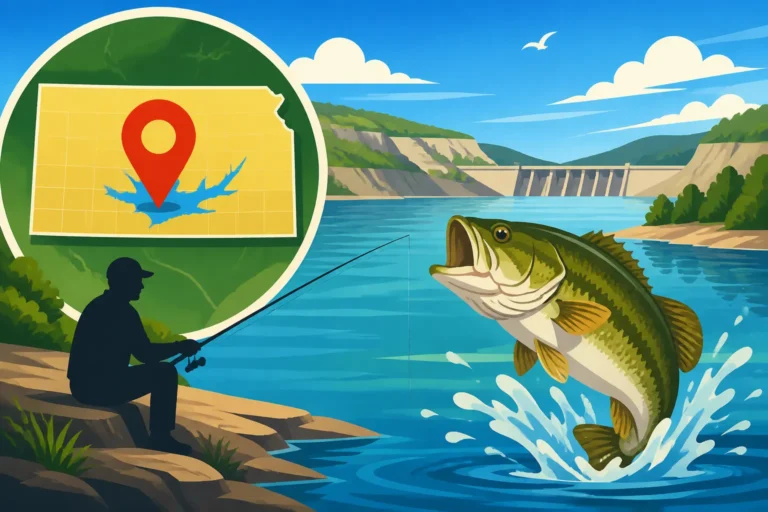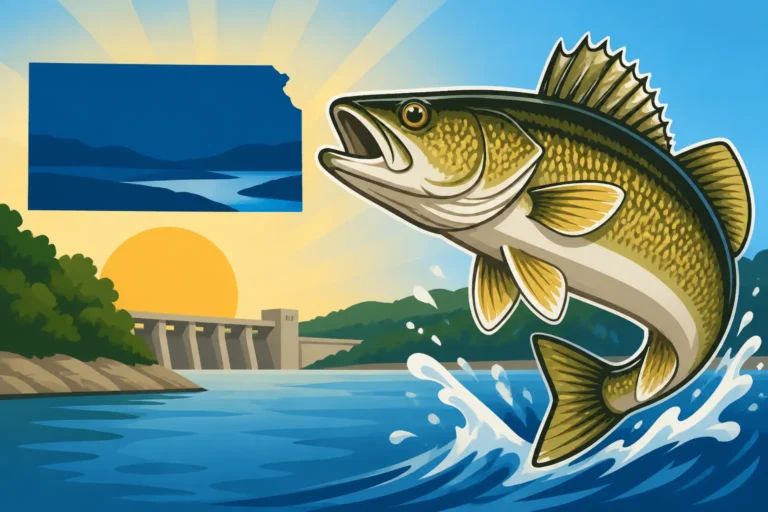
Milford Lake Is the Largest Lake in Kansas
Ever felt overwhelmed by the sheer size of some fishing destinations, or perhaps, conversely, frustrated by smaller lakes that just don't offer the diversity you crave? In Kansas, a state often overlooked for its fishing prowess, finding a body of water that truly stands out can feel like searching for a needle in a haystack. But fear not, because when it comes to immense scale, diverse ecosystems, and boundless fishing opportunities, Milford Lake truly reigns supreme. This guide is dedicated to helping you understand just how expansive Milford Lake is, and more importantly, how to best utilize its vastness to land your next trophy catch.
Milford Lake's Immense Scale and Significance
When we talk about "the largest lake in Kansas," it's not just a casual observation; it’s a defining characteristic that shapes everything from its ecology to its recreational offerings. Milford Lake isn't just big; it's a colossal body of water that dominates the landscape of north-central Kansas, drawing anglers, boaters, and nature enthusiasts from across the region. Its sheer size is what allows for such incredible fishing diversity and makes every trip to its shores an adventure.
Just How Big Is Milford Lake?
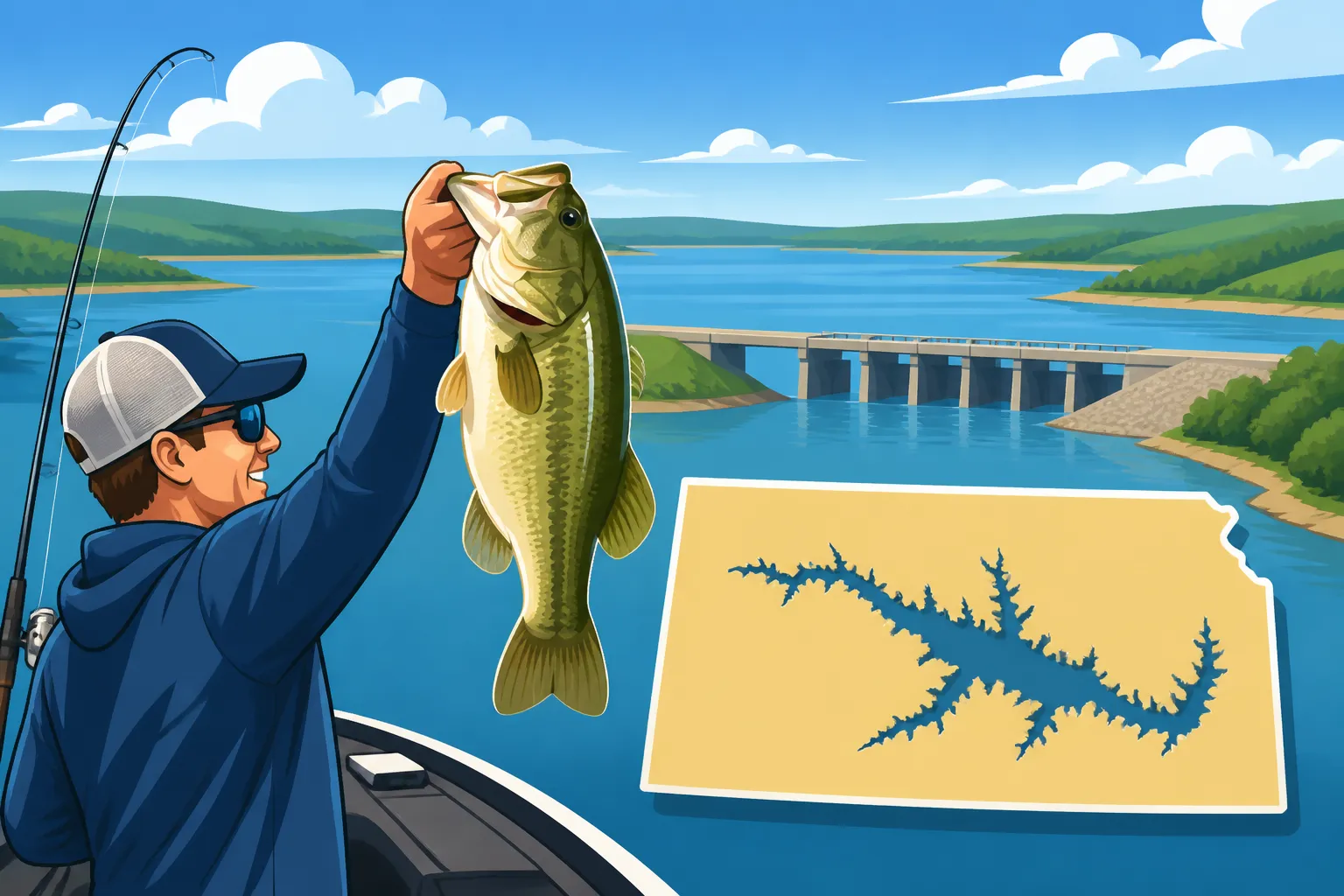
Let's put Milford Lake's size into perspective, because numbers often tell a compelling story. This massive reservoir spans over 15,700 surface acres when at conservation pool, making it unequivocally the largest lake in Kansas. To give you an even clearer picture, that's roughly equivalent to 12,000 football fields combined. Imagine trying to cover that much ground! This incredible expanse means endless nooks, crannies, and open water for fish to inhabit and for anglers to explore.
Beyond its surface area, Milford Lake also boasts an impressive shoreline, winding for over 160 miles. This extensive shoreline creates an incredible array of habitats, from shallow, muddy flats to rocky points and submerged timber. For the bank angler, this means countless accessible spots, while those with boats can explore vast stretches of untouched territory. The maximum depth of Milford Lake hovers around 65 feet, particularly near the dam, offering deep-water sanctuaries for fish during hot summer months and cold winters. This depth variation, combined with its vast surface area, is crucial for supporting a thriving and diverse fishery.
The Importance of Size for Anglers
The sheer scale of Milford Lake is a game-changer for anglers. First and foremost, a larger lake generally means less fishing pressure in any single spot, especially compared to smaller, more accessible community lakes. While popular areas certainly see their share of traffic, you can almost always find a secluded cove or an open stretch of water where it feels like you have the lake all to yourself. This can be a huge psychological advantage, letting you focus on your technique rather than competing for space.
Furthermore, the size of Milford Lake directly contributes to the stability and health of its fish populations. Large water bodies are more resilient to environmental fluctuations, such as droughts or heavy rainfall, which can severely impact smaller lakes. This stability translates into healthier fish stocks, providing more consistent fishing opportunities year-round. It also allows for a wider variety of forage fish, which in turn supports larger game fish. For anyone serious about casting a line, knowing that your chosen spot is a robust and thriving ecosystem is incredibly reassuring. If you’re planning a trip to this giant, make sure to check out the Milford Lake Fishing Guide for specific tips.
Unpacking Milford Lake's Diverse Ecosystems
Milford Lake is far more than just a big pond; it's a complex network of interconnected ecosystems, each playing a vital role in supporting a vibrant fishery. From the shallow, fertile bays to the deep, open water, every corner of this lake offers something unique. Understanding these diverse habitats is key to unlocking its full fishing potential.
Primary Habitats and Fish Species
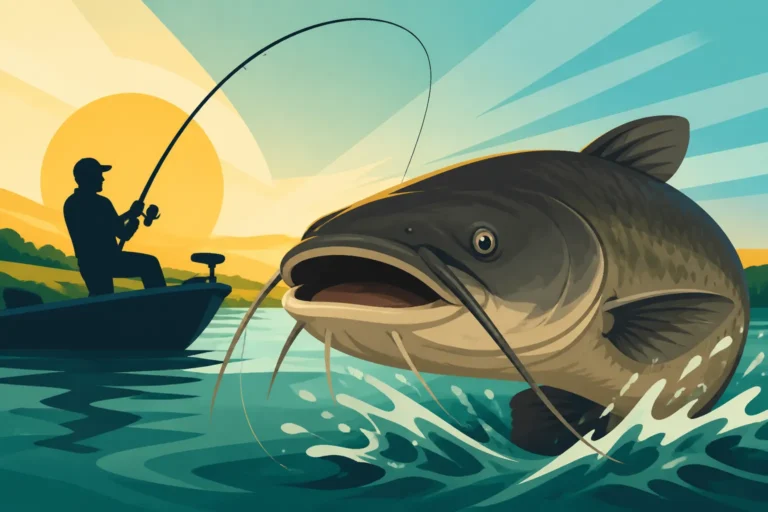
The varied landscape of Milford Lake provides a rich tapestry of habitats, each attracting different species of fish. For instance, the main river channel of the Republican River, which feeds into Milford Lake, creates excellent opportunities for catfishing. Here, you'll find healthy populations of channel catfish, blue catfish, and even flathead catfish. Anglers often target these areas with cut bait or stink baits, especially during the warmer months. These deeper, moving water sections are where the big cats often cruise.
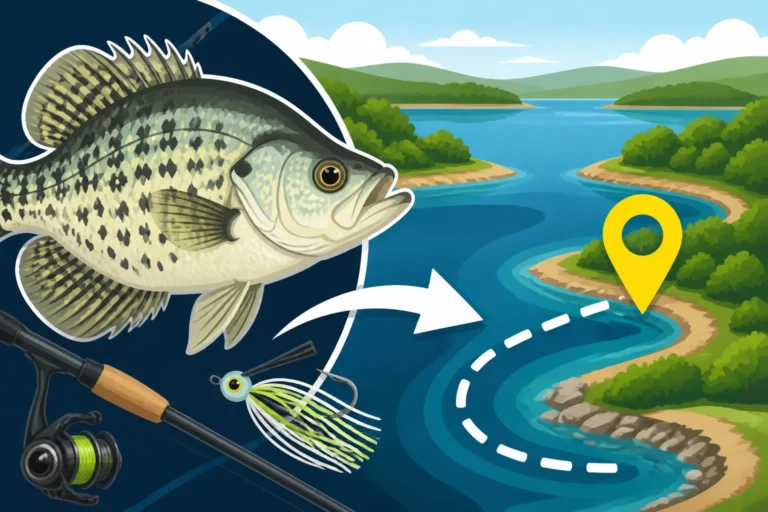
Moving towards the numerous rocky points and submerged humps, you'll discover prime territory for walleye. Milford Lake is renowned for its walleye fishery, and these hard structures offer perfect ambush points for these predatory fish. Trolling crankbaits or jigging spoons around these areas, particularly during low light conditions, can be incredibly effective. For those seeking panfish, the countless coves and sheltered bays with standing timber or brush piles are ideal for crappie and white bass. During the spring, crappie move into shallow water to spawn, making them accessible to both boat and bank anglers. You can learn more about specific techniques in our Kansas Crappie Fishing Techniques guide. White bass are particularly active during their spring spawning runs up the river arms, creating a fantastic fast-paced fishing experience.
Key Fish Species and Their Preferred Milford Lake Habitats
| Fish Species | Preferred Habitat | Common Baits/Lures | Best Seasons |
|---|---|---|---|
| Walleye | Rocky points, submerged humps, main lake structure | Crankbaits, jigs, nightcrawlers | Spring, Fall |
| Channel Catfish | River channels, creek mouths, deeper flats | Cut bait, stink bait, worms | Spring, Summer |
| Blue Catfish | Main river channel, deep holes, current breaks | Cut bait (shad, carp), live sunfish | Year-round |
| Flathead Catfish | Deep logjams, heavy cover, rocky ledges | Live bait (sunfish, bluegill) | Summer (night) |
| Crappie | Standing timber, brush piles, submerged structure, coves | Jigs, minnows, small crankbaits | Spring, Fall |
| White Bass | Open water schools, river arms (spawning runs) | Spinnerbaits, small spoons, jigs, topwater | Spring, Summer |
| Wiper (Hybrid Striper) | Open water, main lake humps, points | Spoons, crankbaits, swimbaits | Summer, Fall |
How Size Influences Biodiversity
The immense size of Milford Lake isn't just about more room; it’s about creating a stable and complex environment that naturally fosters greater biodiversity. Think of it like a sprawling city compared to a small town: the city can support more varied businesses and populations due to its scale and varied infrastructure. Similarly, Milford Lake’s large volume of water allows for distinct thermal layers, expansive shallow zones, and deep-water refuges, all within the same body of water. This variety means that fish with different preferences can all thrive.
The long arms and numerous coves branching off the main lake act like mini-lakes themselves, each with slightly different characteristics depending on their depth, cover, and bottom composition. This creates micro-habitats where specific species can flourish without directly competing with others. For example, shallow, warmer coves are perfect nurseries for baitfish, which then attract larger predators. The continuous flow of the Republican River through the lake also introduces nutrients and oxygen, further enriching the ecosystem. If you’re keen on catching specific species, our guides on Milford Lake Walleye Fishing or Milford Lake Crappie Fishing can give you targeted advice. This biodiversity makes Milford Lake not just a large lake, but a wonderfully complex and productive one for anglers of all stripes.
Navigating and Utilizing Milford Lake's Vastness for Anglers
Milford Lake’s vastness, while a significant advantage, can also present a challenge, especially for those unfamiliar with its waters. It’s one thing to know it’s big, but another to effectively navigate it and locate fish. Proper planning, understanding access points, and learning how to interpret such a large body of water are crucial for a successful outing.
Access Points and Boating Considerations
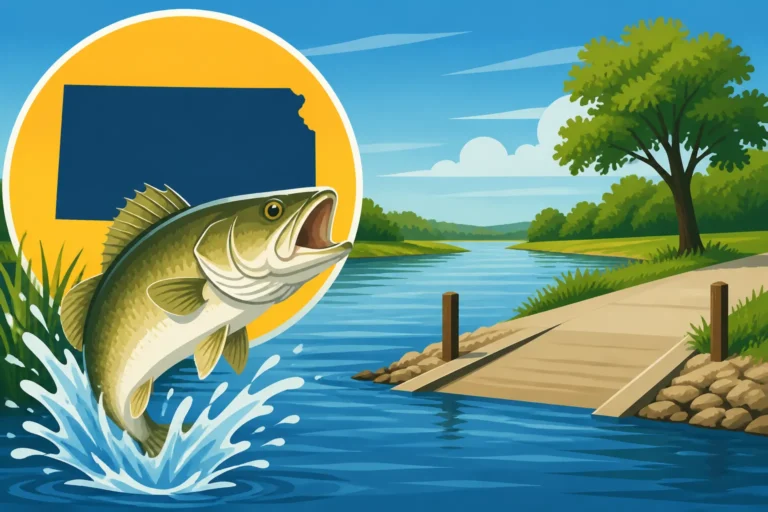
Getting onto and around Milford Lake requires some thought, particularly given its size. Thankfully, the Kansas Department of Wildlife, Parks and Tourism (KDWPT) maintains numerous excellent public boat ramps around the lake. Popular access points like those at Milford State Park or the School Creek area offer multiple lanes, ample parking, and easy access to different parts of the lake. When launching, especially during peak seasons, be mindful of Public Boat Ramps at Milford Lake etiquette to keep things smooth for everyone.
For boaters, safety is paramount. The open waters of Milford Lake can become choppy very quickly, especially with strong Kansas winds. Always check weather forecasts before heading out, and ensure your boat is equipped with all necessary safety gear, including life jackets, a marine radio, and navigation lights if you plan to be out after dark. Given the lake's size, carrying extra fuel is also a wise precaution. If you're considering what kind of vessel is best, our Best Boat for Milford Lake Fishing guide might offer some valuable insights. For those without their own boat, consider renting a pontoon or a fishing boat from one of the marinas located around the lake, or even better, look into booking a guide through a service like FishingBooker. This can be an excellent way to get familiar with the lake without the immediate commitment of owning a boat.
Finding the Best Fishing Spots Across the Lake
Locating fish in a lake as immense as Milford can feel daunting, but it’s entirely manageable with a strategic approach. Don't try to fish the entire lake; instead, break it down into manageable sections based on the species you're targeting and the time of year. For example, in spring, focus on the shallow, warmer coves and creek arm points where crappie and white bass will be congregating for their spawn. As summer progresses, walleye might move to deeper, main-lake points and humps, while catfish will be in the river channels and along deeper structure.
Using modern electronics, like a good fish finder, can be invaluable for identifying submerged structure, baitfish schools, and even individual fish. Pay attention to contour lines on your lake map (physical or digital) – drops-offs, humps, and old riverbeds are almost always fish magnets. If you're a bank angler, focus on accessible points, jetties, and dam areas, which often provide access to deeper water and passing fish. Our Best Shore Fishing Spots on Milford Lake article provides some excellent recommendations. Don't be afraid to move if a spot isn't producing; the beauty of such a large lake is that there's always another potential hotspot just around the bend. Many experienced anglers utilize fishing reports and forums to narrow down their search, or even hire a local guide, often found through platforms like FishingBooker, who can leverage their deep knowledge of the lake.
The Broader Impact of Milford Lake on Kansas Fishing
Milford Lake's significance stretches far beyond just being the biggest body of water in Kansas. It's a cornerstone of the state's outdoor recreation scene, influencing everything from local economies to statewide conservation efforts. Its status as a premier destination means it plays a crucial role in shaping the identity of Kansas fishing.
Economic and Recreational Contributions
Milford Lake is a powerful economic engine for the surrounding communities, particularly Junction City and the smaller towns nestled along its shores. The influx of anglers, boaters, campers, and tourists supports numerous local businesses, from bait shops and marinas to restaurants, hotels, and guide services. Think about the ripple effect: someone buys gas, grabs a bite to eat, perhaps picks up some new gear, or even books a stay at a local cabin. All these activities contribute significantly to the local economy, creating jobs and fostering a vibrant community spirit centered around the lake.
Beyond the direct economic impact, Milford Lake offers unparalleled recreational opportunities that enhance the quality of life for Kansans and visitors alike. It's a prime destination not just for fishing, but also for boating, water skiing, swimming, and camping. Milford State Park, with its extensive facilities, is a hub for these activities. Whether it's a family vacation spent Camping Near Milford Lake for Anglers or a solo pursuit of a trophy walleye, the lake provides a diverse array of outdoor experiences. For many, a trip to Milford Lake is an annual tradition, creating lasting memories and reinforcing the deep connection people have with nature and the outdoors.
Conservation and Management of a Large Reservoir
Managing a reservoir of Milford Lake's magnitude is a complex undertaking, requiring ongoing efforts from the KDWPT and the U.S. Army Corps of Engineers, which initially built and operates the dam. These agencies work collaboratively to ensure the lake remains a healthy and productive ecosystem for future generations. A critical aspect of this is the regular stocking of various fish species, particularly walleye and hybrid striped bass (wipers), to supplement natural reproduction and maintain robust populations. These stocking programs are carefully monitored to ensure they contribute positively to the fishery without disrupting the natural balance.
Beyond stocking, conservation efforts include habitat improvement projects, such as installing brush piles to provide cover for juvenile fish and crappie, and managing water levels to optimize spawning conditions for various species. Enforcement of Kansas Fishing Regulations Explained and Kansas Fishing Seasons and Limits is also crucial to prevent overfishing and protect vulnerable populations. The KDWPT conducts regular creel surveys and fish population assessments to gather data, allowing them to make informed decisions that ensure the long-term health of Milford Lake's diverse fishery. This holistic approach ensures that while Milford Lake provides incredible recreational opportunities today, it will continue to do so for many years to come, solidifying its place as the largest and one of the most important lakes in Kansas. You can always refer to the comprehensive Kansas Fishing License Guide for all the necessary information before heading out.
Disclaimer
Please note that fishing conditions, regulations, and fish populations can change. Always consult the latest official Kansas Department of Wildlife, Parks and Tourism (KDWPT) regulations before heading out on any fishing trip. This guide is intended for informational purposes only.