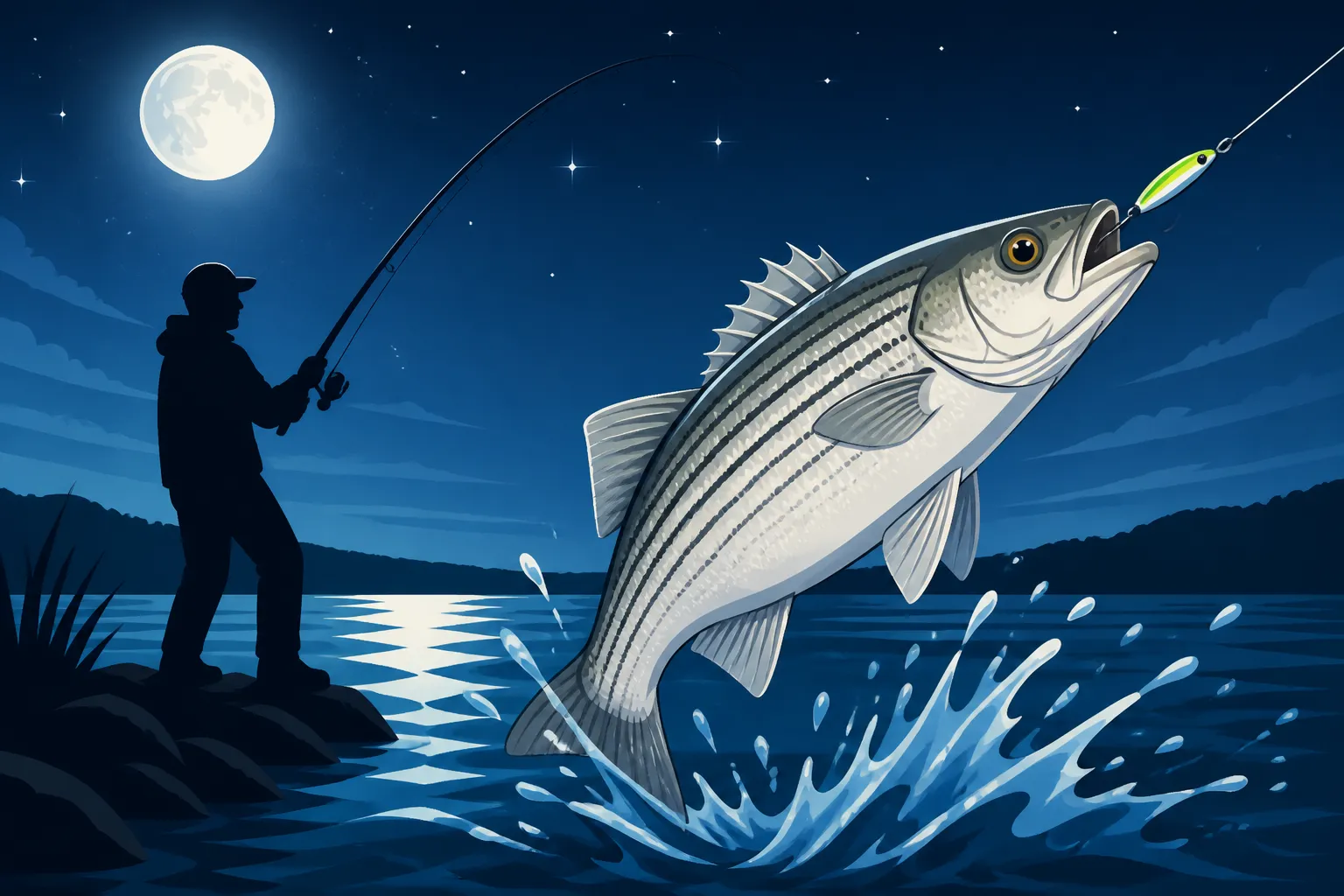
Milford Lake Night Fishing for White Bass
There’s nothing quite like the tranquility of a Kansas night on the water, but for white bass anglers on Milford Lake, that peaceful quiet can quickly turn into pure adrenaline! Many folks struggle to find these feisty fighters in the dark, wondering where they go and what bait they'll hit when the sun dips below the horizon. This guide is dedicated to demystifying the art of night fishing for white bass on Milford Lake, giving you the insider tips and techniques to turn those dark hours into some of your most successful fishing trips.
Why Night Fishing for White Bass on Milford Lake is a Game Changer
Night fishing for white bass isn't just a different way to fish; it’s often a better way, especially during the warmer months when the daytime sun can push these fish deep or make them sluggish. The night offers a unique set of advantages that can significantly boost your catch rates and provide an experience that’s truly unforgettable. It’s a completely different rhythm out there, and once you get a feel for it, you might just find yourself preferring the moonlit waters.
The Cooler Water Advantage
When the Kansas summer really heats up, surface water temperatures on Milford Lake can become uncomfortably warm for many fish species, including white bass. During the day, they often retreat to deeper, cooler water, making them harder to locate and tempt. However, as evening descends and the air cools, the surface water begins to shed its heat. This temperature drop, even a subtle one, is a huge draw for white bass. They become more active, moving into shallower feeding grounds where baitfish are often more accessible.
This behavioral shift means that areas that were barren during the day can come alive at night. You might find schools of white bass busting on the surface or congregating around structure in depths they wouldn't touch in broad daylight. It’s a prime opportunity to capitalize on their natural instincts to feed under the cover of darkness, escaping the intense heat and bright sun that often puts them down during the day.
Reduced Pressure and Increased Activity
One of the often-overlooked benefits of night fishing is the sheer reduction in boat traffic and angling pressure. During the day, Milford Lake can be a bustling place with pleasure boaters, skiers, and countless other anglers all vying for space. This constant activity can spook fish, driving them away from prime locations or making them more cautious. At night, the lake truly becomes your oyster.
With fewer disturbances, white bass often become bolder and more aggressive. They’re less wary of boats and lures, making them more willing to strike. This increased comfort level often translates into more consistent bites and, frankly, a much more peaceful fishing experience for you. Imagine having your favorite cove all to yourself, listening to the sounds of nature, and feeling that satisfying tug on your line without another boat in sight. It's truly a special kind of fishing.
Prime Locations for Night Fishing White Bass on Milford Lake
Knowing where to fish is arguably even more critical at night than it is during the day. White bass follow predictable patterns, but these patterns shift with the setting sun. Milford Lake, being the largest lake in Kansas, offers a variety of structures and features that become white bass magnets after dark. Focusing on these key areas will significantly improve your chances of success.
Lighted Docks and Bridge Pilings
One of the most reliable hotspots for night fishing white bass on Milford Lake is around any source of artificial light. Think about it: lights attract plankton, plankton attracts small baitfish (like shad and minnows), and small baitfish attract hungry white bass. It’s a classic food chain reaction that plays out nightly. Public boat docks, private piers with lights, and especially bridge pilings illuminated by nearby road lights are absolute goldmines.
When you approach these areas, you’ll often see schools of baitfish flickering under the lights. Position your boat or cast from shore so that your lure passes through the illuminated zone and into the darker edges where white bass often stage. The contrast between light and shadow is key; fish will dart out from the darkness to ambush prey silhouetted against the light. These spots are particularly effective after a hot day, as the fish are eager to feed in the cooler, low-light conditions.
Main Lake Points and Submerged Humps
Even without artificial light, certain natural structures become prime feeding grounds at night. Main lake points that extend out into deeper water, especially those with rock or gravel, are excellent choices. White bass will often push baitfish up against these structures from the deeper main lake basin. Similarly, submerged humps or islands that rise up from the lakebed act as ambush points.
When fishing these areas at night, you'll want to focus on the transitions – where shallow water drops off into deeper water, or where a hard bottom meets a soft bottom. White bass will patrol these edges, waiting for an opportunity. Using your sonar, if you have it, can help identify these contours even in the dark, though it’s often about knowing the lake's topography from daytime scouting. Remember, these fish are actively hunting, so covering water and presenting your lure effectively is paramount.
The Dam Area and River Channels
The area around the Milford Lake dam can be another productive spot, particularly if there’s any current or flow, which can concentrate baitfish. The sheer volume of water moving through here and the deep, rocky structure provide excellent habitat for white bass. Similarly, the main river channels that feed into and run through the lake, like the Republican River arm, offer consistent white bass action. These channels often have subtle depth changes and submerged timber that attract both bait and predator.
When fishing the dam, focus on any current breaks or eddies where fish might be holding. For river channels, look for bends, deeper holes, or areas where the channel narrows. These bottlenecks can funnel baitfish, making them easy pickings for schooling white bass. Just be mindful of any specific regulations or restricted zones around the dam, as these areas often have special rules. A great resource for all these specific guidelines is the official Kansas Fishing Regulations Explained guide.
Essential Gear and Techniques for Night Fishing White Bass
Night fishing requires a slightly different approach to gear and technique than daytime angling. You’re working in the dark, relying more on feel and sound, and often targeting fish that are behaving differently. Having the right tools and knowing how to use them effectively will make all the difference in turning a frustrating night into a triumphant one.
Rods, Reels, and Line for Sensitivity
For white bass, whether day or night, a medium-light to medium action spinning rod, around 6’6” to 7’ long, is ideal. This length provides good casting distance while still offering the sensitivity needed to detect subtle bites. Pair it with a matching spinning reel spooled with 8-10 pound test monofilament or fluorocarbon line. Monofilament offers a bit of stretch, which can be forgiving with aggressive night strikes, while fluorocarbon provides excellent sensitivity and is nearly invisible in the water, which can be an advantage under artificial lights. Braided line in 10-15 pound test with a fluorocarbon leader can also be a fantastic option for maximum sensitivity and strength.
The key at night is sensitivity. You'll often be feeling for bumps and taps rather than seeing the rod tip twitch. A rod with a fast tip will help transmit those subtle bites directly to your hand. When the white bass are hitting aggressively, even a dull rod will feel the strike, but for those light biters, sensitivity is everything. A good quality rod and reel, designed for finesse but capable of handling strong fighting fish, will be your best friend.
Lures and Baits That Shine in the Dark
When it comes to lures for night white bass, versatility is key. Small crankbaits, particularly those with a tight wobble, can be incredibly effective. Colors don't always matter as much at night, but shad patterns, chrome, or even glow-in-the-dark options can be productive. Casting spoons, like a Kastmaster or a Little Cleo, are also excellent for covering water and mimicking fleeing baitfish. These lures cast a mile and have a fantastic flash, even in low light, that can attract fish from a distance.
Jigs are another staple. A 1/4 to 3/8 ounce jig head tipped with a soft plastic swimbait or grub is hard to beat. White, chartreuse, or pearl colors are often top producers. Under artificial lights, these lighter colors stand out. If fishing around structure, a vertical jigging spoon can also be deadly. For those who prefer live bait, live minnows or shad rigged on a simple hook and weight setup under a slip bobber near lights can be irresistible to white bass. For more detailed insights on what to throw, check out Best Lures for Kansas White Bass.
Lighting and Electronics
Perhaps the most crucial piece of "night fishing gear" isn't tackle at all, but illumination. A good headlamp with both white and red light settings is indispensable. White light for tying knots, rigging, and landing fish, and red light for preserving your night vision while moving around the boat or shore. Many anglers also use submersible fishing lights, often green or white, which are lowered into the water to attract baitfish, and subsequently, the white bass.
When using lights, position them strategically. If fishing from a boat, place a submersible light on one side or off the stern to create a well-defined feeding zone. From shore, if permitted, a portable LED lantern or headlamp illuminating the water can work wonders. Your boat’s navigation lights are obviously essential for safety, but don't forget a spotlight for identifying hazards or navigating uncharted waters. Even if you think you know Milford Lake like the back of your hand during the day, nighttime presents entirely new challenges. For any serious angler looking to delve into advanced techniques, understanding your Kansas Fish Finder Buying Guide can significantly enhance your ability to locate schools of white bass, even in the darkest hours.
Safety and Regulations for Night Fishing on Milford Lake
Embarking on a night fishing adventure on Milford Lake is an incredible experience, but it comes with increased responsibilities regarding safety and adherence to regulations. The darkness amplifies risks, and being prepared and knowledgeable is not just good practice, it’s essential for a safe and enjoyable trip.
Navigational Hazards and Boat Safety
The most significant danger when night fishing from a boat on Milford Lake is navigation. What seems like a clear path during the day can harbor submerged stumps, shallow points, or floating debris that are invisible in the dark. Always travel at a significantly reduced speed at night, especially in unfamiliar areas. Use your boat’s navigation lights correctly, ensure all required safety equipment – like life jackets, a whistle or horn, and a fire extinguisher – are readily accessible and in working order. Everyone on board should wear a Best Life Jackets for Kansas Boaters approved PFD, as falling overboard at night can be disorienting and dangerous.
Before heading out, make sure your boat battery is fully charged, and consider carrying a backup power source for essential electronics and lights. Tell someone where you’re going and when you expect to return. Remember, help can be harder to find in the dark, so self-reliance and caution are paramount. FishingBooker can be a great resource for finding experienced local guides who are intimately familiar with Milford Lake's nocturnal nuances and safety protocols, offering guided trips specifically tailored to night fishing for white bass.
Understanding Kansas Fishing Regulations
Just because it's dark doesn't mean the rules change! All standard Kansas Fishing Regulations Explained still apply, including those for length and creel limits, especially for white bass. The daily creel limit for white bass on Milford Lake, as with most Kansas waters, is 50 fish, with no minimum length limit. However, it’s always wise to double-check the current regulations before you go, as rules can occasionally be updated.
You also need a valid Kansas fishing license, of course. For those wondering, Do You Need a License to Fish From the Bank in Kansas? The answer is generally yes, unless you fall under specific exemptions. If you're planning a multi-day trip, consider a Kansas Five-Year Fishing License Savings option to simplify your planning. Ensure you understand what constitutes legal fishing methods at night. Using certain types of nets or excessive numbers of lines might be restricted, so a quick review of the KDWP regulations summary is always a good idea. Compliance keeps you safe and helps conserve the fishery for future generations.
Weather Awareness and Contingency Planning
Nighttime weather can be unpredictable and unforgiving. A calm evening can quickly turn into a windy, stormy night, and those conditions are far more hazardous when visibility is limited. Always check the forecast thoroughly before you go and keep an eye on weather apps or marine radio updates while you’re out. Pay attention to sudden drops in temperature, shifts in wind direction, or lightning in the distance.
Have a contingency plan: know safe harbors or easily accessible boat ramps on Milford Lake, and don't hesitate to cut your trip short if conditions deteriorate. It’s better to be safe ashore than caught in a squall in the middle of a dark lake. Carrying extra layers of clothing, even on a warm summer night, is also a smart move, as temperatures can drop significantly after dark.
Night fishing for white bass on Milford Lake offers a unique blend of challenge and reward. With fewer boats, cooler temperatures, and actively feeding fish, the opportunities for a memorable catch are plentiful. By understanding the behavior of white bass after dark, knowing where to find them, and equipping yourself with the right gear and safety knowledge, you can unlock some of the best fishing experiences Kansas has to offer. Whether you’re a seasoned angler or looking for a new adventure, embrace the darkness and prepare for some thrilling white bass action! If you're looking to dive deeper into Kansas fishing, exploring options like Kansas Fishing Seasons Guide or even considering a Kansas Fishing Guide License Requirements in Kansas to share your passion with others, the resources are plentiful. For those who prefer to leave the navigation and expertise to the pros, consider using FishingBooker to find a local charter that specializes in night trips on Milford Lake, ensuring a safe and productive outing.
Night Fishing White Bass Quick Reference
| Best Locations | Lighted docks, bridge pilings, main lake points, submerged humps, dam area, river channels. |
|---|---|
| Key Lures | Small crankbaits (shad/chrome/glow), casting spoons (Kastmaster), jigs with soft plastics (white/chartreuse/pearl grubs), vertical jigging spoons. Live minnows/shad under lights. |
| Optimal Gear | Medium-light to medium action spinning rod (6'6"-7'), 8-10 lb mono/fluoro or 10-15 lb braid with fluoro leader. Headlamp (white/red light), submersible fishing lights, boat navigation lights. |
| Techniques | Cast lures through light/dark transitions, vertical jigging, slow trolling (with caution), fan casting points and humps. Focus on feeling subtle bites. |
| Safety First | Reduced speed, proper navigation lights, PFDs for all, backup power, check weather, tell someone your plan. |
| Regulations | Valid Kansas fishing license required. Adhere to current white bass daily creel limit (50 fish, no length limit on Milford). Review Kansas Fishing Regulations Explained for all rules. |
Disclaimer
The information provided in this guide is for general informational purposes only and should not be considered a substitute for official regulations. Fishing conditions, regulations, and safety requirements can change. Always consult the latest Kansas Department of Wildlife, Parks and Tourism (KDWP) regulations and local advisories before engaging in any fishing activities. Personal safety is paramount; exercise caution and good judgment while on the water.