Melvern Lake Catfish Fishing Report
Finding those elusive catfish in a vast reservoir like Melvern Lake can feel like searching for a needle in a haystack, especially when you're just looking for reliable information on where they're biting. It’s a common frustration, trying to sift through old reports or general advice that doesn't quite hit the mark for this specific body of water. This guide is dedicated to giving you the real scoop on Melvern Lake catfish fishing, breaking down where they hide, what they’re hitting, and how you can increase your chances of a successful outing.
Understanding Melvern Lake and Its Catfish Population
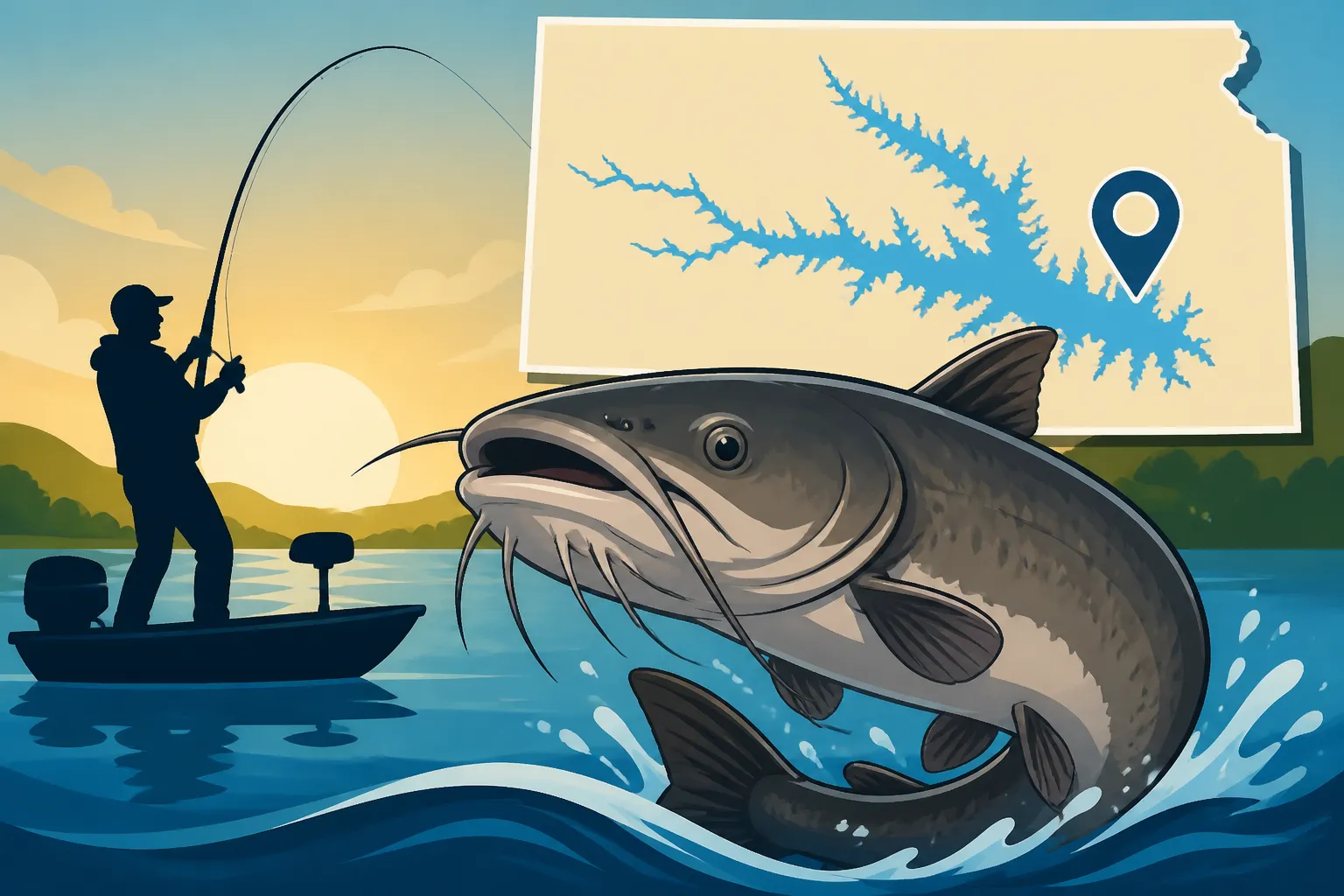
Melvern Lake, nestled in Osage County, Kansas, is a fantastic fishery, but like any large body of water, it has its nuances when it comes to targeting specific species. Catfish thrive here, with a healthy population of channel catfish, flatheads, and even some impressive blue catfish. Knowing the lake's unique features is the first step to unlocking its catfishing potential.
The Lay of the Land: Depths, Structure, and Currents
Melvern Lake covers about 6,930 acres at normal pool, offering a diverse range of habitats for catfish. Unlike some clearer, rockier reservoirs, Melvern often has a bit more turbidity, especially after heavy rains, which catfish tend to love. The lake is fed primarily by the Marais des Cygnes River, and understanding how this river system influences water flow and sediment deposition is key. Catfish are drawn to areas with current, as it brings food and oxygen, so paying attention to the river channel both upstream and within the lake itself is crucial.
The lake's structure includes a mix of submerged timber, old creek channels, humps, and points. For channel catfish, these areas offer cover and ambush points for foraging. Flathead catfish, being ambush predators, are particularly fond of heavy timber and deep holes where they can lie in wait for live bait. Blue catfish, often found in larger river systems, will also utilize the deeper, more open water near the old river channels and the dam area. Knowing the general depths – some parts of Melvern can reach over 50 feet deep – helps narrow down where fish might be holding based on water temperature and time of year.
The Primary Catfish Species in Melvern
Melvern Lake is home to a fantastic trio of catfish species, each with its own preferences and characteristics that are important for anglers to understand.
- Channel Catfish: These are the most abundant and widespread catfish in Melvern. They are often found in various habitats, from shallow flats in spring to deeper channels in summer. Channel cats are opportunistic feeders, responding well to a variety of baits, from prepared stink baits to cut bait and worms. They're a favorite for their consistent biting behavior and delicious fillets. If you're looking to catch a good number of fish, focusing on channel catfish is often your best bet.
- Flathead Catfish: Known as the "loggerheads," flatheads are solitary, predatory fish that prefer live bait. They are often found lurking in heavy cover like submerged timber, rock piles, or deep log jams. Melvern Lake has plenty of these areas, especially in the upper arms where the old river bottom is more prominent. Catching a trophy flathead requires patience and often larger live baits like bluegill or sunfish. They can grow to impressive sizes, offering a truly memorable fight.
- Blue Catfish: While perhaps not as numerous as channel cats, blue catfish are present in Melvern and can reach substantial sizes. These powerful fish tend to prefer deeper water and strong currents, often congregating along the main river channel and near the dam. They are primarily piscivores, meaning they prefer a diet of other fish, making cut bait from shad or other oily fish a prime choice. Targeting blue cats often means scaling up your gear and being ready for a serious battle. For more details on these whiskered wonders, check out our comprehensive guide on the Kansas Catfish Species Guide.
Prime Catfish Hotspots at Melvern Lake
Knowing where to drop your line is half the battle when it comes to successful catfishing at Melvern Lake. The lake offers several key areas that consistently produce good numbers of catfish throughout the seasons.
The Upper River Arms and Inflows
The upper end of Melvern Lake, particularly where the Marais des Cygnes River and its tributaries flow into the reservoir, is a consistent hotspot for catfish. During periods of higher water flow, these inflowing currents act like a food conveyor belt, washing nutrients and baitfish into the lake, attracting all three species of catfish.
- Spring and Early Summer: This area really shines during the spring and early summer as catfish move into shallower, warmer waters for spawning and feeding. The slightly muddier water in these sections provides excellent cover. Look for areas where the river channel winds through the flats, creating deeper pockets or current breaks. Shore anglers can have a field day here, especially after a good rain. Cut bait (shad, perch) or prepared baits work wonders for channel cats, while larger live bait fished near timber can entice flatheads.
- Bank Access and Kayak Fishing: For those without a large boat, the upper river arms often provide good bank access, particularly around public access points. Kayak anglers can also navigate these shallower, timber-rich areas effectively, allowing them to reach spots larger boats might struggle with. This is a great opportunity to explore the nuances of Melvern Lake's diverse habitat.
Main Lake Points and Submerged Structure
As water temperatures rise and fish disperse, targeting main lake points and various submerged structures becomes increasingly productive. Catfish will often relate to these features, using them as navigation routes, feeding lanes, and ambush points.
- Rocky Points and Humps: Any point that extends out into deeper water, especially if it has a rocky composition, can hold catfish. These areas attract baitfish, which in turn attracts catfish. Submerged humps or old roadbeds also concentrate fish. Using your fish finder to locate these structures and the fish holding on them can make a huge difference. Drift fishing over these humps with cut bait or a slip-sinker rig can be incredibly effective for both channel and blue catfish.
- Standing Timber and Brush Piles: Melvern Lake has numerous areas with standing timber and intentionally placed brush piles by the Kansas Department of Wildlife, Parks and Tourism (KDWPT) to enhance fish habitat. These are prime flathead territory but will also hold channel catfish. The key here is to fish in the cover without getting snagged. Heavy braided line and a strong rod are a must. A stout rod and reel combo for catfish is essential for pulling these big fish out of the snags. Consider using a guide service found through platforms like FishingBooker if you want to learn the precise locations of these hidden honey holes from an expert.
Areas Near the Dam
The deep water near the Melvern Lake dam and the adjacent spillway area can be a magnet for larger blue and channel catfish, especially during periods of water release or strong winds.
- Deep Water Access: The dam face and the rocky riprap area often provide access to the deepest parts of the lake. Big blue cats and channel cats will patrol these depths, especially in the heat of summer. Casting large cut bait (shad, carp, perch) into these deeper zones, or setting up with multiple rods from the bank, can yield impressive results.
- Spillway Fishing: Below the dam, the spillway and outflow areas can be phenomenal, particularly when water is being released. The current disorients baitfish and washes food downstream, creating a feeding frenzy for catfish. Check local regulations, as rules for fishing below the dam can sometimes differ. This is a prime location for anglers to try their hand at catching numbers of fish, sometimes even when the lake itself is slower. Just remember your Kansas Fishing Regulations Explained before you head out!
Effective Catfishing Techniques for Melvern
Once you know where to look, it’s time to talk about how to catch them. Melvern Lake catfish respond to a variety of techniques, and diversifying your approach can significantly improve your success.
Classic Bank Fishing Setups
For many, catfishing means setting up a comfortable chair on the bank, soaking a line, and enjoying the peace. Bank fishing at Melvern is highly effective, especially in the spring and fall.
- Slip-Sinker Rigs: This is perhaps the most common and versatile rig for bank fishing. A slip-sinker (often an egg sinker or a no-roll sinker) allows the line to run freely through it, meaning a catfish can pick up the bait and move off without feeling the resistance of the sinker. Above the sinker, a small swivel (to prevent line twist) and then a leader (12-24 inches) tied to a strong hook (circle hooks are highly recommended for easy, ethical release and improved hook-ups). This rig is perfect for presenting cut bait, worms, or dough baits on the bottom. When learning how to catch Channel Catfish From the Bank, this rig is a staple.
- Carolina Rigs and Three-Way Swivel Rigs: Similar to the slip-sinker, a Carolina rig is great for keeping bait on the bottom. For fishing areas with a bit more current or wanting to keep your bait slightly off the bottom, a three-way swivel rig with a dropper line for a heavy sinker and a separate leader for your bait can be beneficial. This allows the bait to flutter more naturally in the current.
Drift Fishing from a Boat
Drift fishing is a highly effective method for covering large areas and finding active catfish, particularly channel and blue catfish, in Melvern's main lake basin or over submerged structures.
- Controlled Drifting: This technique involves allowing your boat to drift with the wind or current, dragging your bait along the bottom. You can control your speed with a drift sock or by intermittently using your trolling motor. The goal is to cover ground slowly enough for fish to find your bait, but fast enough to search new areas. Use multiple rods with different baits or depths to figure out what the fish prefer on any given day. Check out our guide on Drift Fishing for Kansas Catfish for more in-depth tips.
- Bait Selection: For drift fishing, cut bait (shad, carp, perch) is often king, especially for blue and channel cats. The scent trail it leaves as it drifts is irresistible. Ensure your hooks are sharp and appropriately sized for the bait you're using. If you're using a guide service from FishingBooker, they’ll likely have fresh local bait and advanced sonar to help you identify prime drift paths.
Trotlines and Jug Fishing
For anglers looking to set multiple lines and target bigger fish, especially flatheads, trotlining and jug fishing are traditional and effective methods at Melvern. Just be sure to be familiar with Kansas Trotline and Jug Fishing Rules.
- Trotlines: A trotline consists of a main line with multiple baited hooks suspended from it. These are typically set overnight or for several hours in deeper channels or areas with heavy timber. Live bait (bluegill, perch) is preferred for flatheads, while cut bait can attract channels and blues. Proper anchoring and flagging are crucial for safety and compliance.
- Jug Fishing: Jug fishing involves individual lines tied to floating jugs or bottles, each with a baited hook. These are highly mobile and can cover a wide area, making them excellent for locating scattered fish. Live bait for flatheads or cut bait for channels and blues are common. Jugs need to be checked regularly, and clearly marked with your name and KDWPT number. Always check the current Kansas Fishing Regulations Explained for specific rules on the number of jugs allowed and other requirements.
Seasonal Catfish Strategies at Melvern
Catfish behavior at Melvern Lake changes dramatically with the seasons. Adapting your approach to the water temperature and fish metabolism is essential for consistent success.
Spring: The Catfish Awakening (March-May)
Spring is arguably one of the best times to target catfish at Melvern Lake. As water temperatures climb into the 50s and 60s, catfish become highly active and move into shallower waters to feed and eventually spawn.
- Shallow Water Feeding: In early spring, look for catfish in the shallower, warmer coves and the upper reaches of the lake, especially those with dark, muddy bottoms that absorb sunlight. The inflowing creeks become major highways for catfish moving upstream. Bank anglers will find excellent opportunities here. Focus on depths of 5-15 feet.
- Spawning Season: Catfish typically spawn when water temperatures reach the upper 60s to low 70s. During this time, they'll seek out cavities like hollow logs, rock crevices, or undercut banks to lay their eggs. While fishing for spawning fish is often less productive, adjacent areas where they feed before and after the spawn can be red hot. Use stink baits, worms, or small cut bait for channels, and live bluegill or green sunfish near timber for flatheads. Remember to consult the Kansas Fishing Seasons Guide for general timing.
Summer: Deep Water and Night Fishing (June-August)
Summer heat drives catfish into deeper, cooler water during the day, but they become highly active feeders at night.
- Daytime Depths: During daylight hours, focus on the main lake channels, deep points, and the cooler thermocline if present. Catfish will often stack up in these deeper areas. This is where drift fishing with large cut bait can be particularly effective, especially for blue and channel catfish. Look for depths between 20-40 feet, or even deeper near the dam.
- Nighttime Frenzy: As the sun sets and temperatures drop, catfish will move shallower to feed under the cover of darkness. The upper arms, shallower flats, and even rocky riprap near the dam can be excellent for night fishing. Use glow-in-the-dark bobbers or attach small lights to your jug lines for visibility. This is an ideal time to target bigger channel cats and flatheads that are more aggressive after dark. The Best Time of Year for Catfish often includes these warm summer nights.
Fall: The Pre-Winter Feast (September-November)
As water temperatures begin to cool in the fall, catfish go on a feeding binge, fattening up for winter. This can be another fantastic time to fish Melvern.
- Transitional Zones: Catfish will move between their summer deep-water haunts and shallower feeding areas. Target transition zones – where shallow flats drop off into deeper channels. The mouths of coves and creek arms are also productive as baitfish move out of the shallows.
- Larger Baits: With fish actively feeding, don't be afraid to use larger baits. Cut shad, whole smaller fish (if legal and appropriate for flatheads), and substantial chunks of prepared bait can attract the biggest fish. The Kansas Catfish Daily Limits are generous, but focus on quality over quantity during this time if you're targeting trophy fish.
Winter: The Slow Bite (December-February)
Winter fishing for catfish at Melvern can be challenging, but it's not impossible, especially for hearty anglers willing to brave the cold.
- Deep and Slow: Catfish become much less active in cold water, conserving energy. They will often hold in the deepest, most stable water they can find, typically in the main river channel or deep holes.
- Subtle Presentations: A slow, subtle approach is key. Use smaller baits, fish them directly on the bottom, and be patient. A live nightcrawler or a small piece of cut bait presented motionless in a deep hole can still entice a sluggish catfish. Ice fishing for catfish is also possible on Melvern if the ice is safe, often targeting deep holes and drop-offs. Always prioritize safety if considering ice fishing.
Leverage Local Knowledge and Resources
Even with all the best information, nothing beats local knowledge. Melvern Lake has dedicated anglers and resources that can provide real-time insights.
Fishing Reports and Online Forums
Keep an eye on current fishing reports from the KDWPT website or reputable online fishing forums dedicated to Kansas lakes. These can offer up-to-the-minute details on water conditions, recent catches, and specific patterns that are working. Local bait shops around Melvern are also an invaluable source of information on what’s biting and where. They often hear directly from successful anglers.
Guided Trips and Charters
If you're new to Melvern Lake or want to fast-track your learning, consider booking a guided catfishing trip. Local guides spend countless hours on the water and know the lake inside and out. They can teach you specific techniques, show you prime spots, and provide all the necessary gear. Services like FishingBooker can help you find and book experienced local fishing guides who specialize in Melvern Lake catfish, offering a fantastic way to learn the ropes and increase your chances of a trophy catch. Many guides provide everything from bait to tackle, making it a hassle-free way to enjoy a day on the water.
Catfish Care and Conservation
Catching catfish is a blast, but it's also important to practice good fish care, whether you plan to keep them for dinner or release them.
Handling and Releasing Catfish
If you're releasing catfish, especially larger ones, handle them gently. Keep them in the water as much as possible, use wet hands or a wet towel, and support their body weight. Avoid holding large fish vertically by the jaw, as this can damage their internal organs. Use circle hooks, as mentioned earlier, which typically hook fish in the corner of the mouth, reducing gut hooking and improving survival rates.
Filleting and Cooking Your Catch
Channel catfish are renowned for their delicious, mild-flavored white meat. Properly filleting your catch and removing any dark meat or fat will yield the best results. Whether you're frying, baking, or grilling, fresh Melvern Lake catfish is a true Kansas delicacy. Remember to always respect the Kansas Catfish Daily Limits to ensure sustainable fishing for future generations.
Disclaimer
Fishing conditions and regulations can change frequently. Always consult the official Kansas Department of Wildlife, Parks and Tourism (KDWPT) website for the most current rules and regulations before heading out on your fishing trip. This guide is for informational purposes only and does not constitute legal advice.