Council Grove Lake Walleye Fishing
Many anglers in Kansas find themselves scratching their heads when it comes to consistently catching walleye, a notoriously finicky but incredibly rewarding game fish. While our state boasts some fantastic walleye fisheries, figuring out the nuances of each lake can feel like a daunting task. That's why this comprehensive guide is here to shed some light on the ins and outs of walleye fishing specifically at Council Grove Lake, helping you unlock its secrets and put more of these toothy predators in your boat or on the bank.
Understanding Council Grove Lake's Walleye Potential
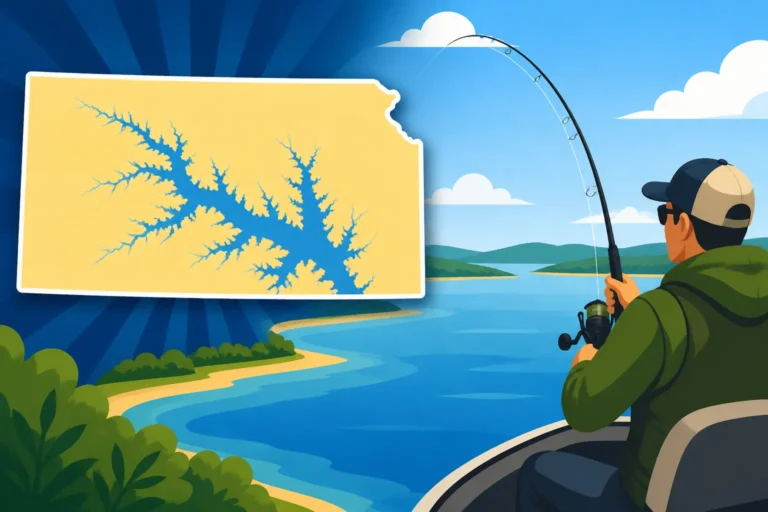
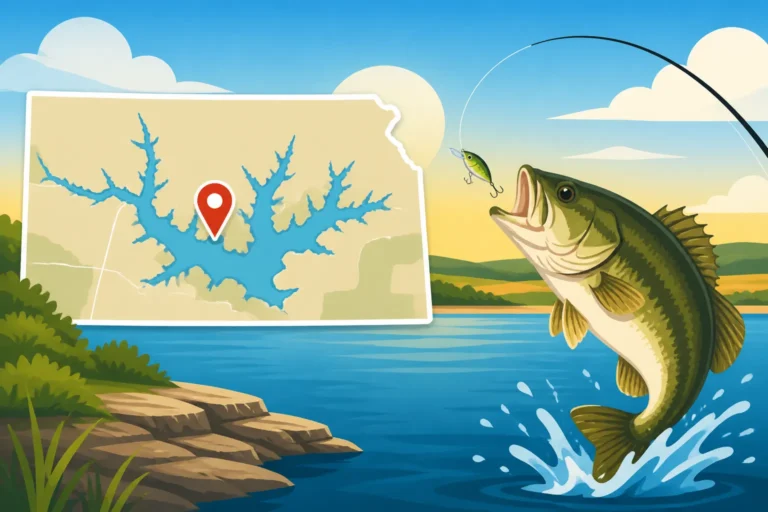
Council Grove Lake, nestled in the Flint Hills of east-central Kansas, offers a fantastic walleye fishing experience, but it’s a lake that demands a bit of understanding. At roughly 3,380 acres, it's not the largest reservoir in the state, but its diverse underwater topography and healthy forage base make it a prime spot for these elusive fish. Knowing where the walleye like to hang out and why is half the battle won, and Council Grove has plenty of prime real estate for them.
The Lake's Layout and Walleye Habitat
Council Grove Lake is characterized by a mix of rocky shorelines, submerged humps, old creek channels, and areas of standing timber, especially in its upper reaches and some of the larger coves. These features aren't just scenic; they are crucial habitat for walleye. Walleye are ambush predators, and they love to relate to structure that offers them cover from bright sunlight and a vantage point to ambush baitfish like shad, sunfish, and small crappie.
You'll find that the main lake points, especially those with significant rock or gravel transitions, are often walleye magnets. The rip-rap along the dam and larger causeways also attracts them, particularly during the spawning season in spring. As you move up the lake towards the Neosho River arm, the water can become shallower and muddier, but these areas can still hold fish, especially pre-spawn and during periods of increased flow. Deeper pockets and humps out in the main lake, often overlooked by those sticking to the shoreline, can be incredibly productive during warmer months. Understanding the flow of the Neosho River can also give you an edge, especially during certain times of the year when walleye move into or out of the river channel.
Prime Walleye Seasons and Activity
Walleye activity at Council Grove Lake, like any fishery, is heavily influenced by the seasons and corresponding water temperatures. They are cold-water fish, meaning their most active periods often coincide with cooler water, though they can be caught year-round if you adapt your tactics.
- Spring (March – May): The Spawning Run. This is arguably the most anticipated time for walleye anglers. As water temperatures climb into the low to mid-40s and eventually into the 50s, walleye move from deeper wintering holes to shallower, rocky areas to spawn. This typically happens from late March through April at Council Grove. Post-spawn, they'll often linger in these shallower areas for a few weeks, feeding aggressively to recover. This is a fantastic time for both boat and Best Bank Fishing Spots in Kansas anglers.
- Summer (June – August): Deep Water and Low Light. Once the water temperatures consistently hit the high 60s and 70s, walleye retreat to deeper, cooler water. They become less active during the bright daylight hours, often preferring to feed in low light conditions—dawn, dusk, and especially at night. During this season, understanding the lake's thermocline and locating deep structure becomes paramount.
- Fall (September – November): The Feeding Frenzy. As water temperatures begin to drop in autumn, walleye sense the approaching winter and embark on a major feeding binge. They move more freely, often returning to shallower depths and becoming much more aggressive. This can be a fantastic time for active presentations and covering water.
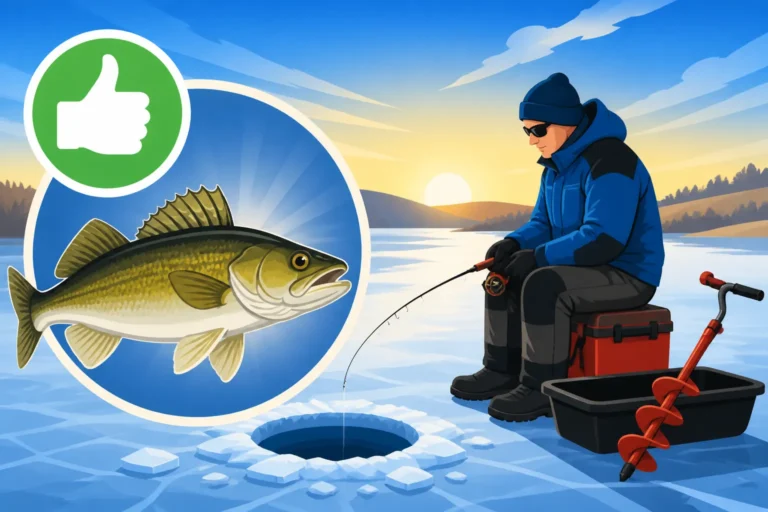
- Winter (December – February): Slow and Steady. Walleye in winter are lethargic but still catchable. They typically hold in deep holes, often near the bottom, and require slower, more subtle presentations. If ice conditions permit, Kansas Ice Fishing Guide can be quite productive for walleye, though Council Grove may not always offer consistent, safe ice.
Top Techniques for Council Grove Walleye
Catching walleye at Council Grove Lake requires a flexible approach, adapting your techniques to the season and the fish's behavior. What works like a charm in spring might be completely ineffective in the heat of summer. Let's break down some of the most productive strategies.
Springtime Strategies: Spawning Runs and Post-Spawn
Spring is prime time at Council Grove, starting with the pre-spawn staging. Walleye will move towards their spawning grounds before the actual event, often holding on the first significant structure adjacent to these areas. Look for rocky points, subtle humps, and the rip-rap along the dam.
During the spawn, walleye are focused, but shortly after, they become incredibly hungry. A popular and effective technique is jigging with live bait. A lead-head jig tipped with a lively minnow, a piece of nightcrawler, or even a plastic grub can be deadly. Work these jigs slowly along the bottom near rocky transitions, drop-offs, and around any submerged cover. The key is a slow, methodical retrieve with occasional pauses. Another tactic that shines in spring is slow trolling crankbaits. Smaller, shallow-running crankbaits in natural baitfish patterns or bright firetiger colors can entice strikes from both active and lethargic fish. Target depths of 5-15 feet, especially around those rocky points and flats where walleye will be staging or recovering. Pay attention to areas where you might find a good concentration of Kansas White Bass Run Timing, as walleye often follow similar forage movements.
Summer Deep Water Tactics
When Council Grove heats up, the walleye move to cooler, deeper water, often suspending over deep channels or holding tight to bottom structure in 15-30 feet of water, sometimes even deeper. This is where your electronics become your best friend.
Trolling becomes king in the summer. You'll want to employ deep-diving crankbaits that can reach depths of 20 feet or more. Brands like Rapala Deep Tail Dancers, Bandit Walleye Deep, or Reef Runner crankbaits are excellent choices. To get them down to the target depth, you might need to use lead core line or snap weights. Target contours, humps, and the edges of the old river channel. Troll at speeds between 1.5 and 2.5 miles per hour, experimenting until you find the sweet spot. Another deadly summer technique is bottom bouncing with live bait rigs. These rigs, often consisting of a lead weight (the "bouncers") and a snell with a spinner blade and hook, are tipped with a nightcrawler harness or a large minnow. They are dragged slowly along the bottom, presenting the bait right in the walleye's strike zone. This is particularly effective over main lake humps and flats where walleye are chasing schools of baitfish. Many anglers use these rigs to cover ground when Trolling for Walleye on Kansas Reservoirs as well.
Fall Feeding Frenzy Approaches
As autumn colors start to show and the lake's water temperature begins its slow descent, Council Grove's walleye enter a pre-winter feeding binge. They become more aggressive and are often found in a wider range of depths, making them more accessible.
Trolling larger crankbaits can be incredibly effective during this time. Walleye are looking to pack on calories, so bigger baits mimicking larger shad or other forage can trigger powerful strikes. Don't be afraid to experiment with brighter, more aggressive colors in addition to natural patterns. Casting jerkbaits over main lake points and rocky areas can also produce explosive strikes. Work the jerkbait with a "twitch, twitch, pause" retrieve, letting the bait suspend for a few seconds during the pause to entice a strike. For deeper holding fish, jigging blade baits or heavy spoons vertically over humps and structure can be a fantastic way to trigger reactive bites. These baits have a lot of flash and vibration, making them irresistible to hungry walleye.
Winter and Ice Fishing for Walleye
Winter walleye fishing at Council Grove can be a slower affair, but it certainly has its rewards. When open water persists, vertical jigging spoons or heavy jigs tipped with minnows near deep points and humps can still catch fish. The retrieve needs to be exceptionally slow and subtle.
If the lake freezes over consistently and safely, Ice Fishing Rules on Kansas Lakes will dictate your approach. Ice fishing for walleye typically involves jigging spoons, blade baits, or small jigs tipped with minnows or wax worms through the ice. Walleye will often cruise along contours, so setting up multiple holes along a break line can increase your chances. Patience is key, as bites can be very subtle. Remember to always prioritize safety when venturing out on the ice, checking thickness frequently. Council Grove isn't always known for safe ice, so monitor conditions closely.
Essential Gear and Tips for Success
Having the right tools for the job can make a significant difference in your walleye success at Council Grove Lake. It’s not just about having gear, but understanding how to use it effectively.
Recommended Rods, Reels, and Line
For walleye fishing, versatility is key. You'll want a selection of rods to cover different techniques.
- Jigging and Live Bait: A medium-light to medium power spinning rod, 6'6" to 7' in length, with a fast action tip, is ideal. Pair this with a 2500 or 3000 series spinning reel spooled with 6-8 pound monofilament or fluorocarbon. The sensitive tip allows you to feel subtle bites, while the backbone helps set the hook. This setup is also great for lighter Kansas Spring Walleye Fishing Tips.
- Trolling and Heavier Techniques: For trolling crankbaits or bottom bouncing, a medium power casting rod, 7' to 8'6" in length, with a moderate action, is often preferred. This allows the rod to absorb the shock of a strike and keep fish pinned. A baitcasting reel with a line counter is incredibly useful for precise depth control. Spool these with 10-14 pound monofilament for standard trolling, or consider lead core line for deeper presentations. For those who prefer braided line, a 10-15 pound test braid with a fluorocarbon leader can offer increased sensitivity. Consider what length and power are best for Best Rod Length for Bank Fishing if you're fishing from shore.
Choosing the right fishing line is crucial. Monofilament offers stretch, which can be forgiving, while fluorocarbon is nearly invisible underwater and has less stretch for increased sensitivity. Braided line provides maximum sensitivity and strength, especially good for feeling subtle bites in deep water or when fishing around abrasive structure.
Must-Have Baits and Lures
Your tackle box for Council Grove walleye should be well-stocked with a variety of options.
- Jigs: Lead-head jigs in 1/8 to 3/8 ounce sizes are staples. Tipped with live minnows, nightcrawler pieces, or soft plastic grubs (like paddle tails or curly tails in natural colors, chartreuse, or motor oil), they are incredibly versatile.
- Crankbaits: A selection of shallow-running, medium-diving, and deep-diving crankbaits is essential. Popular choices include Rapala Shad Raps, Flicker Shads (Berkley), Bandit Walleye Deep, and Reef Runners. Carry a variety of colors, including natural baitfish imitations (silver, perch), bright colors (firetiger, chartreuse), and darker patterns for stained water.
- Blade Baits and Spoons: For vertical jigging or colder water, blade baits like the Sebile Vibe Machine or Johnson ThinFisher, and spoons such as the Kastmaster or Swedish Pimple, are highly effective.
- Live Bait: Minnows (shiners, fatheads), nightcrawlers, and leeches are often the most reliable baits for walleye. Always check local regulations for live bait use. Using a good Best Live Bait Container for Summer Trips will ensure your bait stays lively.
Reading the Water and Electronics
Successful walleye fishing is as much about understanding the environment as it is about casting a lure. Learning to "read the water" means observing everything from wind direction and speed to water clarity and surface activity.
- Wind and Waves: Walleye often prefer choppy water because the disturbed surface scatters light, giving them a camouflage advantage, and it concentrates baitfish. Don't shy away from fishing windy points!
- Water Clarity: Council Grove Lake can experience varying water clarity. In clearer water, natural baitfish patterns and more subtle presentations are often best. In stained or turbid water, brighter colors and baits with more vibration or flash can be more effective.
- Fish Finders and Sonar: Modern fish finders are invaluable. They allow you to locate submerged structure (humps, old roadbeds, timber), identify baitfish schools, and even mark individual walleye. Pay attention to changes in depth, bottom composition (harder bottoms like rock or gravel are preferred by walleye), and the presence of bait. Side imaging and down imaging can give you a much clearer picture of what's beneath your boat and to the sides. Knowing how to interpret what your fish finder is showing you can dramatically reduce your search time and increase your catch rate. If you're looking to invest, check out a Best Fish Finder Under $300 for Anglers for a great starting point.
When it comes to finding local expertise or even booking a guided trip to learn the ropes of Council Grove Lake firsthand, platforms like FishingBooker can be an excellent resource to connect you with experienced guides who can teach you these nuances.
Here's a quick summary of seasonal tactics for Council Grove Lake walleye:
| Season | Primary Location | Preferred Depths | Key Techniques | Recommended Baits/Lures |
|---|---|---|---|---|
| Spring | Rocky points, rip-rap, shallow flats near channels | 5-15 feet | Jigging, slow trolling, slip bobber fishing | Minnows, nightcrawlers, plastic grubs, shallow crankbaits |
| Summer | Deep humps, channel edges, main lake points | 15-30+ feet | Trolling deep-diving crankbaits, bottom bouncing | Deep-diving crankbaits, crawler harnesses, large minnows |
| Fall | Mid-depth points, channel breaks, humps | 10-25 feet | Trolling larger crankbaits, casting jerkbaits, jigging blade baits | Larger crankbaits, jerkbaits, blade baits, spoons, minnows |
| Winter | Deep holes, main lake basin, subtle breaks | 20-40+ feet | Vertical jigging (spoons, blade baits), deadsticking | Minnows, small spoons, blade baits, wax worms |
Whether you're new to walleye fishing or a seasoned pro looking for an edge at Council Grove, remember that persistence and adaptability are your greatest assets. Take the time to understand the lake's unique characteristics, experiment with different techniques, and most importantly, enjoy your time on the water in beautiful Kansas. If you're planning a trip from out of state, remember to check out the Kansas Nonresident Fishing License Guide to ensure you're compliant with all regulations. For any issues with licenses, a Fishing License Replacement Process in Kansas is also available. You might even want to consult a Kansas Fishing License Guide for all the ins and outs before you head out.
Knowing the typical Kansas Walleye Minimum Length Limit of 21 Inches and the Kansas Walleye Daily Limit of Two Fish will ensure you're fishing legally. You can always check the Kansas Fishing Regulations Explained for the most up-to-date information. If you're interested in other species, there are also guides like Kansas Catfish Fishing Techniques or Kansas Crappie Fishing Guide that might be helpful. For those without a boat, consider the various Kansas State Park Fishing Permit Rules which may apply to shore access. Finally, if you're ever looking for a different experience, learning Kansas Paddlefish Snagging Season Dates could open up a whole new adventure.
Disclaimer
Please note that fishing conditions, regulations, and fish behavior can change. Always consult the latest Kansas Department of Wildlife, Parks and Tourism (KDWP) regulations before heading out. This guide provides general advice and recommendations based on common practices and available information.