Milford Lake Crappie Fishing
Milford Lake's immense waters can feel overwhelming to even seasoned anglers, making the quest for a bountiful crappie catch seem like searching for a needle in a haystack. The constantly shifting conditions, diverse underwater structures, and the sheer scale of Kansas' largest lake often leave hopeful crappie enthusiasts scratching their heads. This comprehensive guide is designed to cut through that confusion, offering you precise, actionable strategies to consistently locate, target, and reel in crappie from Milford Lake, transforming your fishing outings into gratifying successes.
Understanding Milford Lake and its Crappie Population
Milford Lake is a behemoth, sprawling across thousands of acres and offering an incredible diversity of habitat. For crappie anglers, this means both immense potential and significant challenge. Knowing the unique characteristics of this body of water and the specific crappie species that call it home is the first step toward a productive day on the water.
Milford Lake's Unique Features for Crappie
Situated on the Republican River in northeastern Kansas, Milford Lake boasts an impressive 15,700 acres of water and over 160 miles of shoreline. Its vastness means a wide range of cover and structure for crappie, from flooded timber and rocky points to deep creek channels and extensive brush piles. The lake's depth can vary significantly, with deeper sections reaching over 60 feet, particularly near the dam. This provides crappie with ample room to move vertically in response to temperature changes and baitfish migration.
The lake also experiences significant water level fluctuations, which can profoundly impact crappie behavior and location. During periods of high water, crappie might move into newly flooded terrestrial vegetation, offering excellent shallow-water opportunities. Conversely, during drawdowns, they tend to concentrate around remaining submerged structure and channel edges. Understanding these dynamics is crucial. For instance, knowing that Milford Lake Is the Largest Lake in Kansas gives you a sense of the scale, but knowing where to focus within that scale is key. The diverse feeder creeks and river arms, like those leading into the Republican River, also bring in nutrients and baitfish, creating prime crappie feeding grounds, especially during seasonal runs.
Species of Crappie You'll Find
Milford Lake is home to both white crappie and black crappie, though white crappie tend to be more prevalent. While both are fantastic sportfish and table fare, there are subtle differences in their preferred habitats and behaviors.
White crappie generally prefer murkier water and tend to associate more with open water and less dense cover, often schooling in impressive numbers around brush piles, submerged roadbeds, and creek channels. They are typically identified by their more silvery color and the presence of 5-10 dark vertical bars on their sides. These fish are notorious for their schooling behavior, meaning if you find one, you're likely to find many. Targeting these schools effectively requires a good fish finder and an understanding of their seasonal movements.
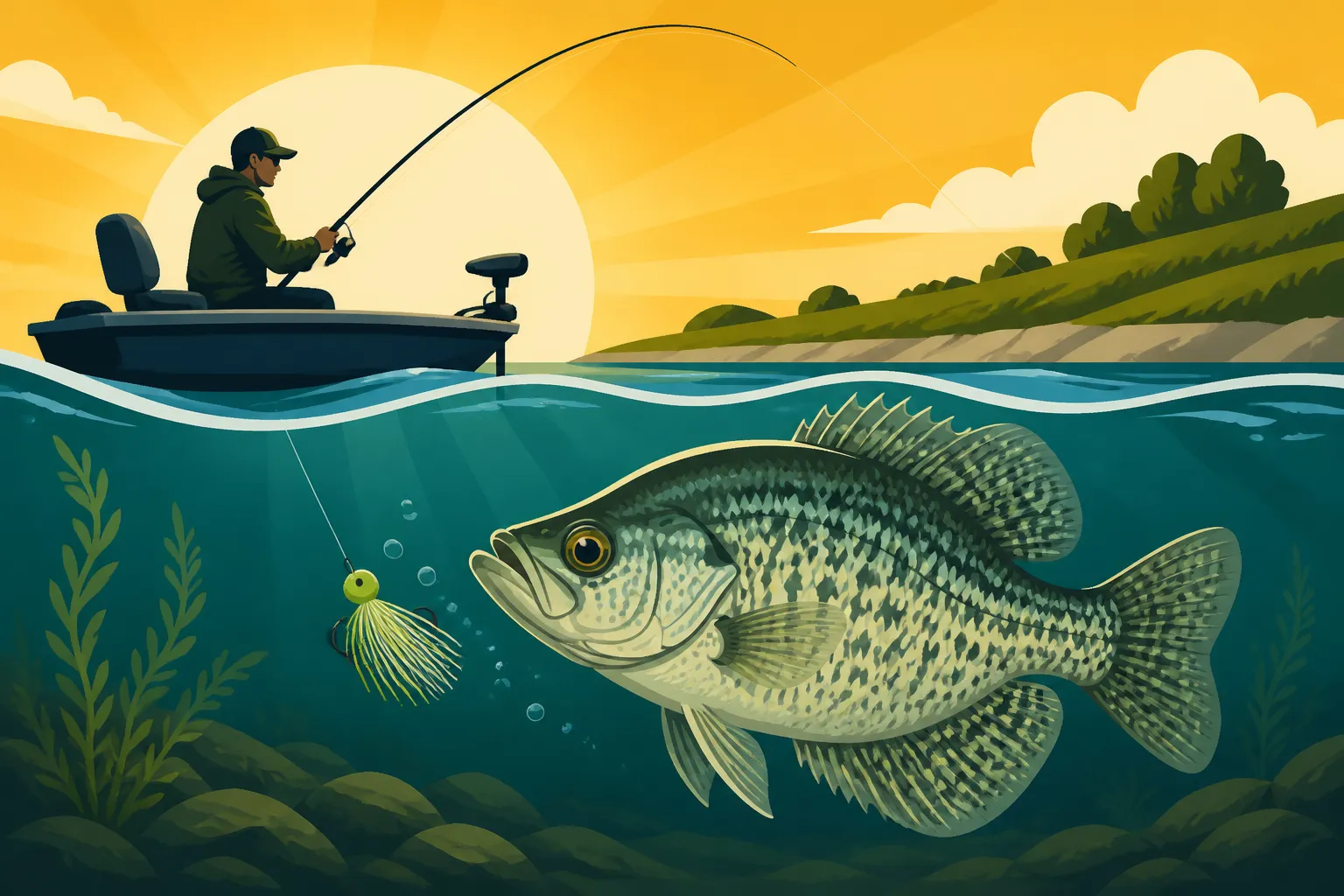
Black crappie, on the other hand, usually favor clearer water and are more commonly found in areas with denser vegetation and complex woody cover. They have a more speckled appearance, with irregular dark blotches instead of distinct bars, and typically possess seven or eight dorsal spines (compared to six for white crappie). While perhaps not as abundant as white crappie in some areas of Milford Lake, they can offer exciting catches, often bigger and fatter when found amongst heavy cover. Knowing the difference can help you refine your presentation and target specific types of cover. Anglers often refer to a Kansas Crappie Length and Bag Limits guide to ensure they comply with regulations for both species.
Seasonal Crappie Hotspots and Strategies on Milford Lake
Crappie, like most fish, are creatures of habit driven by spawning cycles, water temperature, and food availability. Understanding their seasonal movements on Milford Lake is paramount to consistent success. Forget fishing the same spot year-round; flexibility and adapting to the seasons will fill your cooler.
Spring Spawn Frenzy: Shallow Water Tactics
Ah, spring! This is arguably the most anticipated time for crappie anglers on Milford Lake. As water temperatures climb into the 50s and then into the 60-68°F range, crappie migrate from deeper wintering grounds to the shallows to spawn. This is when the action heats up, and fish become more accessible.
During the pre-spawn and spawn, crappie will stage in slightly deeper water adjacent to prime spawning areas before moving onto beds. Look for protected coves, shallow flats, and areas with flooded timber, brush, or emergent vegetation in depths from 2 to 8 feet. Key areas around Milford Lake for this activity include the backs of coves in the southern arms, areas up the Republican River arm with good woody debris, and sheltered bays near Curtis Creek or School Creek. These fish are actively feeding to bulk up for the spawn, making them aggressive biters. Use small jigs (1/16 to 1/8 ounce) tipped with soft plastic bodies (like tube jigs or tiny swimbaits) or live minnows under a bobber. Fan casting and slow retrieves are effective, as are vertical jigging techniques around specific pieces of cover. Remember that the Milford Lake Crappie Spawn Timing in May is prime, but it can start earlier or later depending on the year's weather.
Summer Deep Dwellers: Finding Thermocline Crappie
Once the spawn is over and the scorching Kansas summer sets in, crappie retreat to deeper, cooler waters. This can be a challenging time for anglers who stick to the shallows. During summer, Milford Lake often develops a thermocline – a distinct layer where the water temperature rapidly changes. Crappie will typically suspend just above, below, or within this thermocline, especially if it coincides with submerged structure or schools of baitfish.
Target depths can range from 15 to 30 feet, sometimes even deeper. Look for deep-water brush piles, creek channel edges, submerged humps, old roadbeds, and bridge pilings. Your fish finder becomes your best friend here, helping you locate schools of baitfish (often shad) and the crappie suspended nearby. Trolling with multiple rods at different depths, using small crankbaits or jigs, is a highly effective strategy. Another excellent technique is "spider rigging," where you use several long rods extending out from the boat, vertically presenting jigs or minnows at precise depths over structure. Keep an eye on the main lake points and the deeper sections of major creek arms, such as those found on the western side of the lake or near the dam, as crappie will often relate to these features in summer.
Fall Migration: Transition Zones and Feeding Patterns
As the heat of summer gives way to the cooler temperatures of fall, crappie on Milford Lake begin another significant movement. They become incredibly active, feeding aggressively to build up fat reserves for the coming winter. This transition makes fall one of the most rewarding times to target them.
Crappie will start moving out of their deep summer haunts and scatter, often following baitfish into shallower to mid-depth areas. The thermocline begins to break up, and fish become more comfortable moving through the entire water column. Focus your efforts on the transition zones: areas where deep water meets shallower flats, the edges of creek channels, and submerged timber on main lake points or large coves. Depths of 8 to 20 feet are often productive. Look for schooling baitfish, as crappie will be close behind, gorging themselves. Trolling with jigs or small crankbaits can be very effective for covering water and locating scattered schools. Additionally, casting small jigs or blade baits towards visible brush piles or submerged structure near these transition areas can yield great results. Consider popular spots like Custer Creek or School Creek as the temperatures drop, as their deeper channels often hold fish transitioning from the main lake.
Winter Wonders: Ice Fishing and Deep Structure
While Kansas winters might not always provide reliable ice for extensive periods, when conditions are right, Milford Lake can offer some fantastic ice fishing opportunities for crappie. Even without ice, during cold open-water periods, crappie will concentrate in deep, stable environments.
When ice fishing, crappie will hold tightly to deep structure. Look for sunken brush piles, standing timber in old creek channels, and sharp breaks in 20 to 40 feet of water. Key locations might be found in the deeper, more protected coves that tend to freeze first, or on main lake humps. Small jigs, 1/32 to 1/16 ounce, tipped with a small plastic or a wax worm, are incredibly effective. You'll want a sensitive ice rod to detect those subtle winter bites. Vertical jigging directly over a school of fish located with your fish finder is the name of the game. For open-water winter fishing, the strategy remains similar: find the deepest, most stable structure where crappie can hold. This might include the dam area, deep bridge pilings, or significant channel swings. Slow, methodical vertical presentations with jigs or minnows are usually best, as crappie are less active in the cold water. Remember to check local ice conditions carefully if you plan to go ice fishing, and always prioritize safety.
Essential Gear and Techniques for Milford Lake Crappie
Having the right tools and knowing how to use them can make all the difference between a frustrating day and a memorable crappie feast. Milford Lake's diverse conditions demand versatile gear and adaptable techniques.
Rod, Reel, and Line Selection
For crappie fishing on Milford Lake, a light to medium-light action spinning rod is your best friend. A rod between 6 to 7.5 feet long offers enough sensitivity for detecting light bites, sufficient backbone for handling larger crappie, and enough length for casting small baits. Brands like St. Croix or Ugly Stik offer excellent options for sensitivity and durability. Pair this with a small, lightweight spinning reel (size 500 to 1000) that balances well with the rod. The reel should have a smooth drag system, crucial for preventing line breaks with delicate crappie mouths.
When it comes to line, 4 to 6-pound test monofilament or fluorocarbon is generally ideal. Monofilament offers good knot strength and some stretch, which can be forgiving. Fluorocarbon, being nearly invisible underwater and having less stretch, provides increased sensitivity and direct contact with your lure, which can be a huge advantage for subtle bites. Some anglers even prefer a braided main line (6-10 lb test) with a fluorocarbon leader for maximum sensitivity and strength, especially when fishing around abrasive cover like brush piles. For a comprehensive guide on what might suit you best, check out content like the Best Rod and Reel Combo for Crappie.
Bait, Lures, and Rigging Strategies
Crappie are opportunists, and a variety of baits and lures will entice them on Milford Lake. Live minnows are a classic and often unbeatable choice. Hooked lightly through the back or lips, a lively minnow suspended under a bobber or fished on a tight line near structure is deadly. For more details on what live bait to use, you can explore resources on the Best Bait for Kansas Crappie.
Beyond live bait, a vast array of artificial lures can be incredibly effective:
- Jigs: Small jigs (1/32 to 1/8 ounce) are perhaps the most versatile crappie lure. They come in various head shapes (round, stand-up, spear) and colors. Tipping them with soft plastic bodies like tube jigs, grub tails, or tiny swimbaits can mimic small baitfish or insects. Chartreuse, white, black, and pink are consistently popular colors, but experimenting is key. For a deeper dive into techniques, consider learning more about Jigging Techniques for Kansas Crappie.
- Crappie Tubes: These small, soft plastic tubes resemble small minnows or crawfish and are fished on a jig head. They have a subtle fall and irresistible action.
- Marabou Jigs: Made with natural feathers, these jigs offer a unique pulsating action in the water that crappie find hard to resist. They are particularly effective when retrieved slowly or allowed to fall naturally.
- Small Crankbaits: During summer and fall, when crappie are chasing baitfish in open water, small shallow-running or diving crankbaits can be highly effective, especially when trolled.
- Spider Rigging: This technique, often used with multiple rods, involves presenting multiple jigs or minnows vertically at varying depths, covering a wide area over submerged structure.
- Dock Shooting/Skipping: For fishing under boat docks or low-hanging cover, shooting or skipping a jig can get your bait into spots other anglers can't reach, often where big crappie hide.
Boat and Electronics for Effective Crappie Fishing
While bank fishing can be productive in certain areas during the spawn, a boat significantly expands your access to Milford Lake's vast crappie grounds. A good fishing boat, whether it's a dedicated bass boat, a versatile jon boat, or a comfortable pontoon, allows you to cover water and reach prime offshore structures. Check out guides on the Best Boat for Milford Lake Fishing to help you decide.
Modern electronics are invaluable for crappie fishing on a lake of Milford's size:
- Fish Finder/Sonar: A quality fish finder is almost a necessity. It helps you locate schools of baitfish, identify submerged brush piles, creek channels, and other structures where crappie hide. Look for units with down imaging and side imaging capabilities to get a clearer picture of the underwater world. Brands like Humminbird and Lowrance offer excellent options.
- GPS/Chartplotter: Integrated GPS allows you to mark waypoints of productive spots, navigate safely, and return to specific structures time and again. This is especially useful for remembering the Best Coves for Crappie at Milford Lake or offshore brush piles.
- Trolling Motor: A quiet, efficient trolling motor (bow-mounted is usually preferred) allows for precise boat positioning, especially when vertically jigging over structure or moving slowly through a brush pile. Features like spot-lock GPS anchoring are game-changers for holding your boat in place regardless of wind or current.
Navigating Regulations and Conservation on Milford Lake
Being a responsible angler on Milford Lake means not only knowing how to catch crappie but also understanding and adhering to the rules that protect this valuable fishery. Conservation efforts ensure that future generations can enjoy the same fantastic fishing opportunities we do today.
Kansas Crappie Length and Bag Limits
The Kansas Department of Wildlife, Parks, and Tourism (KDWPT) sets specific regulations for crappie on Milford Lake, and these can sometimes differ from statewide limits or change year-to-year based on population surveys. It's crucial to always consult the most current KDWPT fishing regulations summary before you head out.
Generally, for Milford Lake, there are length limits designed to protect a certain size class of fish, allowing them to reach spawning maturity before being harvested. For instance, there might be a 10-inch minimum length limit for crappie, meaning any crappie shorter than 10 inches must be immediately released. The daily creel (bag) limit typically allows anglers to keep a generous number of crappie per day, often around 50 fish, which makes for a fantastic fish fry! However, exceeding these limits or keeping undersized fish can result in fines and penalties. It's always a good idea to refresh your knowledge on the Kansas Fishing Regulations Explained, as well as specific details like Kansas Crappie Length and Bag Limits to avoid any misunderstandings.
Respecting Milford Lake's Ecosystem
Beyond the explicit regulations, practicing good conservation habits ensures the health of Milford Lake's ecosystem and its fish populations.
- Catch and Release Ethically: For fish you don't intend to keep, handle them minimally and gently. Wet your hands before touching the fish to protect their slime coat, and release them quickly. If a fish is deeply hooked, it's sometimes better to cut the line rather than try to remove the hook, especially if it's bleeding significantly.
- Dispose of Waste Properly: Never leave trash, fishing line, or bait containers on the shoreline or in the water. Monofilament fishing line can take hundreds of years to break down and is a significant hazard to wildlife. Pack out everything you pack in.
- Prevent the Spread of Aquatic Invasive Species (AIS): Milford Lake, like many Kansas waters, is susceptible to AIS. Always clean, drain, and dry your boat, trailer, and fishing gear before moving between different bodies of water. This means removing all visible mud, plants, and animals; draining all water from your boat and livewell; and allowing everything to dry completely. Species like zebra mussels can wreak havoc on native ecosystems and fishing gear.
- Support Fisheries Management: Your fishing license fees directly fund the KDWPT's efforts in managing and maintaining healthy fish populations in Milford Lake and across the state. Consider donating to local conservation groups that work to protect and enhance aquatic habitats. Being mindful of these practices helps to preserve the natural beauty and abundance of Milford Lake for all.
Maximizing Your Milford Lake Crappie Experience
To truly make the most of your crappie fishing adventures on Milford Lake, it pays to think beyond just the catch. From leveraging local expertise to planning your overall trip, these tips will enhance your time on the water.
Hiring a Local Guide or Charter
For many anglers, especially those new to Milford Lake or crappie fishing, the learning curve can be steep. This is where the invaluable knowledge of a local fishing guide comes into play. A seasoned guide will have spent countless hours on the lake, understanding the nuances of crappie behavior throughout the seasons, knowing where the brush piles are, and what baits are working best on any given day.
Hiring a guide offers several advantages:
- Location Expertise: Guides know the hotspots, often having their own unmarked brush piles and knowing exactly where the crappie are holding based on current conditions.
- Technique Mastery: They can teach you specific techniques, like spider rigging, vertical jigging, or even how to "read" your sonar for crappie schools. This hands-on learning accelerates your skill development.
- Current Information: Guides are on the water constantly, so they have the most up-to-date information on water temperatures, fish depth, and feeding patterns.
- Quality Gear: Most guides provide all the necessary rods, reels, and tackle, often specialized for crappie fishing on Milford Lake. This saves you the expense and hassle of bringing your own.
If you're looking for a professional to help unlock Milford Lake's crappie secrets, services like FishingBooker can connect you with experienced, licensed fishing guides in the area who specialize in crappie. They offer a great way to explore the lake with confidence, learn new skills, and significantly increase your chances of a successful outing. Even for experienced anglers, a guided trip can reveal new insights into this massive reservoir.
Best Practices for a Successful Trip
Beyond the fishing itself, planning and preparation can elevate your entire Milford Lake experience.
- Check the Forecast (and Water Conditions): Always consult the weather forecast before heading out. Milford Lake can get rough quickly with strong winds, making boating challenging and unsafe. Pay attention to wind direction, speed, and potential storms. Also, check the KDWPT website or local fishing reports for current water conditions like clarity and temperature, as these drastically affect crappie behavior.
- Prepare Your Gear: Before you leave home, ensure your rods are rigged, reels are spooled, and tackle boxes are organized. Having everything ready means more time fishing and less time fumbling on the water. Don't forget essentials like pliers, a net (for landing those bigger slabs), and a cooler for your catch.
- Stay Hydrated and Fueled: Fishing can be physically demanding, especially under the Kansas sun. Bring plenty of water, snacks, and perhaps a packed lunch. Being comfortable and well-fed keeps your focus sharp and your spirits high.
- Fish During Peak Times: While you can catch crappie all day, specific times are often more productive. Dawn and dusk are typically prime feeding times, especially during warmer months. Overcast days can also extend the shallow-water bite. Understanding these windows helps optimize your efforts.
- Explore and Experiment: Don't be afraid to try new spots or techniques. If what you're doing isn't working, change depths, lure colors, retrieve speeds, or even move to an entirely different area of the lake. Milford Lake is vast, and crappie can be fickle. Persistence and adaptability are key. Maybe one day the crappie are tight to cover, the next they are suspended; a good guide from FishingBooker might already have that intel, or you can find it by moving around.
- Consider Camping: For a multi-day crappie adventure, consider Camping Near Milford Lake for Anglers. There are several excellent campgrounds around Milford State Park and other recreation areas that provide convenient access to boat ramps and fishing spots, allowing you to maximize your time on the water. Many fishing spots also have excellent shoreline access for those who prefer bank fishing.
| Season | Typical Crappie Depth Range (feet) | Key Structure/Cover | Recommended Baits/Lures | Pro Tip |
|---|---|---|---|---|
| Spring | 2-10 | Flooded timber, brush, shallow coves, emergent weeds | Live minnows, small jigs (tubes, grubs), soft plastics | Focus on protected, north-facing coves for warmer water and earlier spawners. |
| Summer | 15-30+ (Thermocline dependent) | Deep brush piles, creek channels, submerged humps | Trolled crankbaits, spider-rigged jigs/minnows | Use your fish finder extensively to locate suspended schools of crappie and baitfish. |
| Fall | 8-20 (Transition zones) | Channel edges, main lake points, scattered brush | Jigs, small crankbaits, blade baits, minnows | Follow baitfish movements; crappie will be actively feeding in preparation for winter. |
| Winter | 20-40+ (Deep structure) | Sunken brush, standing timber, deep channel breaks | Small jigs (1/32 oz), wax worms, minnows | Fish slowly and vertically; crappie bites are often very subtle in cold water. |
Disclaimer
The information provided in this guide is for general informational purposes only and is not intended as legal advice regarding fishing regulations. Fishing rules and regulations, including license requirements, length limits, and creel limits, are subject to change by the Kansas Department of Wildlife, Parks, and Tourism (KDWPT). Always consult the most current official KDWPT fishing regulations before engaging in any fishing activities. Adherence to all applicable laws and regulations is the sole responsibility of the angler.