Kansas River Fishing Access Points Near Manhattan
It can be incredibly frustrating trying to find legitimate, safe, and productive fishing spots along a major river, especially when you're in an area like Manhattan, Kansas, where the Kansas River winds through both urban and more rural landscapes. You might drive around for hours, peering over bridges or trying to decipher maps, only to find private property signs or inaccessible banks. This guide is here to cut through that confusion, detailing the best public access points along the Kansas River near Manhattan, so you can spend less time guessing and more time casting.
Understanding the Kansas River's Unique Character Near Manhattan
The Kansas River, affectionately known as the Kaw, is a sprawling, often overlooked gem for anglers in the state. Unlike many of the smaller, clearer streams or the deep, controlled reservoirs, the Kaw presents its own set of challenges and rewards. Near Manhattan, you're fishing a transitional zone – upstream of its confluence with the Big Blue River, and crucially, just downstream from the massive outflow of Tuttle Creek Lake. This unique position significantly influences water levels, clarity, and fish behavior, making local knowledge of access points and conditions absolutely vital.
The Influence of Tuttle Creek Lake Tailwaters
One of the biggest factors affecting fishing on the Kansas River near Manhattan is its proximity to Tuttle Creek Lake. The lake's dam regulates the flow, which can vary wildly depending on release schedules. During periods of heavy generation or flood control releases, the river can swell quickly, becoming swift and muddy, making bank fishing challenging and boat navigation tricky. Conversely, low-flow periods can reveal sandbars and structure that are usually submerged. Understanding these fluctuations is key. Anglers often find that the immediate tailwaters below Tuttle Creek Dam offer a different fishing experience entirely due to the cold, oxygen-rich water and the concentration of baitfish flushed through. This area often holds a fantastic population of various species, including trophy catfish and white bass. However, as you move further downstream towards Manhattan, the river begins to warm and slow, taking on a more characteristic "Kaw" feel.
Navigating River Access Challenges
Finding consistent and legal access to the Kansas River can be a real headache. Unlike smaller ponds or well-maintained state fishing lakes, river access often means dealing with varying bank conditions, private land, and sometimes less-than-ideal terrain. Many potential spots might look promising from a distance but turn out to be overgrown, muddy, or fenced off. The fluctuating water levels can also dramatically change the accessibility of a particular bank spot from one week to the next. Boat access also comes with its own set of considerations, from suitable ramps to navigating currents and submerged hazards. That's why having a solid list of known, public access points is crucial for any angler wanting to explore what the Kaw has to offer near Manhattan. If you're planning on using a boat, remember to check the current Kansas Boat Registration for Anglers requirements and always prioritize safety.
Key Public Access Points Along the Kansas River Near Manhattan
When you're looking to wet a line on the Kansas River around Manhattan, there are a few primary public access points that local anglers rely on. Each offers a slightly different experience, catering to various fishing styles and preferences. Understanding what each spot offers can help you decide where to launch your next fishing adventure.
Manhattan Riverwalk and Linear Park
The Manhattan Riverwalk, part of the extensive Linear Park system, offers some of the most convenient and well-maintained bank fishing access to the Kansas River right within the city limits. This paved trail runs along the river, providing numerous spots where anglers can set up. You'll find benches, trash receptacles, and generally clean surroundings here, making it a great option for families or those who prefer a more urban fishing experience.
You can typically access the Riverwalk from multiple points, including near the historic Blue Earth Plaza or other public parking areas downtown. The banks here are generally stable, though they can get muddy after heavy rains or high water releases from Tuttle Creek. The current can be quite strong during high flow, so sturdy tackle is advisable. This area is particularly popular for Kansas Catfish Fishing Techniques, with channel catfish being the most common catch, though flatheads and even some blues can be pulled from the deeper holes and current seams. Anglers often use cut bait, worms, or prepared baits, casting into the main current or targeting slack water behind structures like bridge pilings. You might also encounter large carp here, which can provide an exciting fight. While not typically a prime walleye spot, the occasional one might be caught, particularly if you're using jigs or crankbaits that mimic baitfish.
Tuttle Creek Lake Tailwaters
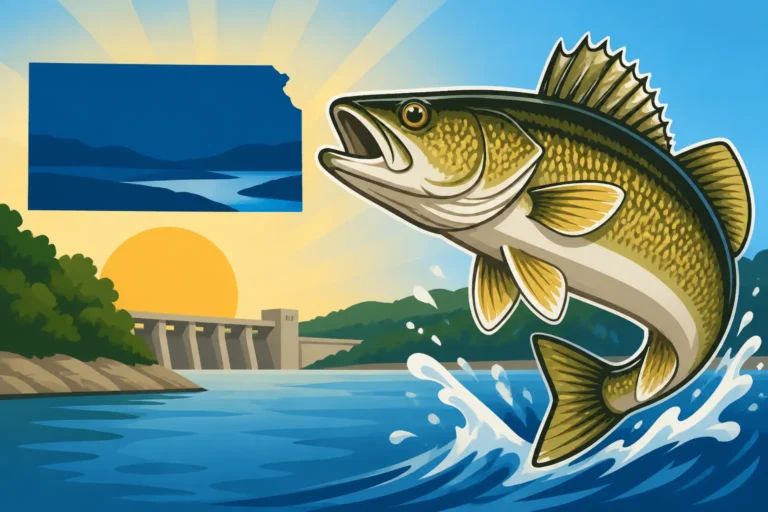
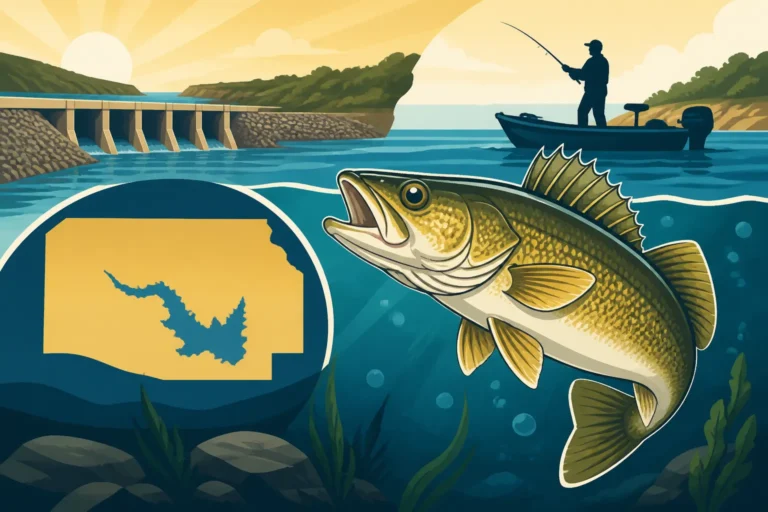
While technically the outflow of Tuttle Creek Lake and not the main stem of the Kansas River, the tailwaters immediately below the dam are an absolute must-mention for any angler near Manhattan. This area effectively becomes the Kansas River, and its unique conditions make it one of the most productive fishing destinations in the region. There's excellent public access, including designated fishing areas and a boat ramp.
The cool, turbulent water creates a rich environment. This is a renowned spot for white bass, especially during their famous spring and fall runs. Knowing the Kansas White Bass Run Timing can lead to incredible action. Anglers here often use small jigs, spinnerbaits, or spoons to target schooling white bass. Beyond white bass, the tailwaters are phenomenal for channel catfish, blue catfish, and flathead catfish. Many of the state's largest blue cats are caught in this very section. Live bait (like shad or sunfish) and large cut bait are go-to choices for trophy cats. Walleye are also present in good numbers here, often caught using jigs, crankbaits, or live bait fished near the bottom. Access points are plentiful, including areas below the dam on both the east and west sides, managed by the U.S. Army Corps of Engineers and Kansas Wildlife, Parks and Tourism (KDWP). While there's no state park on the tailwaters, accessing these public lands typically falls under standard fishing license rules, but always verify if any specific Kansas State Park Fishing Permit Rules apply if you venture into adjacent park areas further downstream.
| Access Point | Type of Access | Primary Fish Species Targeted | Key Features & Notes |
|---|---|---|---|
| Manhattan Riverwalk | Bank Fishing | Channel Catfish, Carp, Drum | Paved trail, urban setting, easy access, benches. Can be crowded. Good for casual fishing. Strong currents during high flow. |
| Tuttle Creek Tailwaters (East) | Bank & Boat | White Bass, Catfish (all), Walleye | Excellent public access, boat ramp, strong currents. Known for large fish and seasonal runs. Requires robust gear. |
| Tuttle Creek Tailwaters (West) | Bank Fishing | White Bass, Catfish (all), Walleye | More rugged bank access, often less crowded than east side. Similar species. Can be challenging terrain. |
| Blue River Confluence | Limited Bank Access | Catfish, White Bass, Carp | Where the Big Blue meets the Kaw. Current breaks and deeper holes. Access can be difficult; often requires local knowledge or permission. Check maps for public land. |
Blue River Confluence Areas
Just a few miles upstream of Manhattan, the Big Blue River merges with the Kansas River. This confluence creates a fantastic environment for fish, offering diverse currents, deeper holes, and abundant food sources. The mixing of waters often concentrates baitfish, which in turn attracts predators. While specific public access points directly at the confluence can be a bit more challenging to pinpoint due to surrounding private land, there are often informal pull-offs or areas accessible via county roads a short distance upstream or downstream from the exact meeting point.
Fishing the confluence zone requires a keen eye for current breaks, eddies, and submerged structure. Catfish thrive in these areas, particularly large flatheads and blue catfish that ambush prey in the turbulent water. White bass also congregate here, especially during their spawning runs, mirroring the activity often seen further downstream in the Tuttle Creek tailwaters. Using a local guide, perhaps found through a service like FishingBooker, could be immensely beneficial for navigating these more intricate spots and understanding the current flow. For bank anglers, sturdy rods and heavy weights are essential to hold bait in the strong currents. For boaters, extreme caution is advised due to the converging currents and potential for submerged debris. Always check local maps for public access points, as they can change, and respect private property boundaries.
Targeting Popular Fish Species in the Kansas River Near Manhattan
The Kansas River near Manhattan is a fantastic fishery, primarily renowned for its robust populations of catfish, white bass, and carp. While you might occasionally hook into other species, focusing on these mainstays will generally yield the most consistent action and success.
Catfish: The Kings of the Kaw
If there's one fish synonymous with the Kansas River, it's catfish. Near Manhattan, you'll find healthy populations of channel catfish, blue catfish, and flathead catfish. Each species has its own preferences, but all thrive in the Kaw's nutrient-rich, often turbid waters.
- Channel Catfish: These are the most common and widespread. They're opportunistic eaters and can be caught on a vast array of baits, from stink baits and chicken livers to cut bait and worms. Look for them in slower moving water, deep holes, and around submerged logs or brush piles. They are active throughout the warmer months and provide excellent table fare. Many anglers swear by the classic slip-sinker rig when targeting channel cats from the bank.
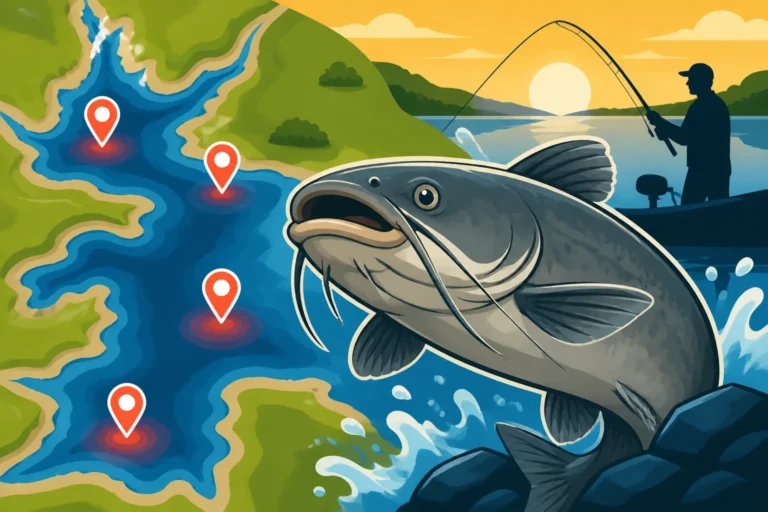
- Blue Catfish: The true heavyweights of the river, blue cats can grow to impressive sizes, with the Tuttle Creek tailwaters being a prime spot for trophy specimens. They prefer strong currents and deeper channels. Fresh cut bait, especially shad or other oily fish, is highly effective. If you're hoping to land a true river monster, you'll need robust gear, heavy line, and a lot of patience. Fishing in the deeper bends or washout holes is often productive. The Kansas Channel Catfish Daily Limit and Kansas Blue Catfish Daily Limit are important to know before you go.
- Flathead Catfish: These predatory giants love live bait. Small sunfish, bluegill, or other live minnows fished near log jams, submerged trees, or rocky ledges are excellent choices. Flatheads are ambush predators, often holding tight to cover in areas where they can dart out and grab passing prey. Night fishing can be particularly effective for flatheads, as they become more active in low light conditions. The Kansas Flathead Catfish Daily Limit also varies, so be sure to check those regulations.
White Bass: The River's Fighters
During certain times of the year, particularly spring and fall, the Kansas River comes alive with spawning runs of white bass. These feisty fish offer fast-paced action and are a blast to catch on light tackle. The Tuttle Creek tailwaters and the areas around the Blue River confluence are prime locations for these runs.
White bass feed aggressively on baitfish, and when they're running, they can be found in large schools, often boiling on the surface as they chase shad. Small jigs, spinnerbaits (like Rooster Tails or Mepps), and spoons are incredibly effective. Look for areas with current, especially below riffles or around rocky points. Their aggressive nature makes them a fantastic target for anglers of all skill levels, and they make for decent table fare too. Pay close attention to current conditions and local reports; when the white bass are running, the action can be non-stop.
Carp and Other Bottom Dwellers
Don't overlook the humble carp. Common in the Kansas River, common carp offer an incredibly strong fight and can grow to very large sizes. While often dismissed by some anglers, they provide fantastic sport, especially on lighter gear. They can be caught on corn, dough balls, boilies, or even worms. Similarly, freshwater drum (also known as gaspergou) are another prevalent species that put up a good fight and are often caught incidentally while targeting catfish with cut bait or worms. Both species are readily available throughout the Manhattan stretch of the Kaw and can offer consistent action when other species are slow.
Essential Tips for a Successful Kansas River Fishing Trip Near Manhattan
Embarking on a fishing trip on the Kansas River near Manhattan can be incredibly rewarding, but a little preparation goes a long way. Beyond knowing where to go and what to fish for, there are several practical considerations that can greatly enhance your experience.
Safety First on the River
River fishing, especially on a larger river like the Kaw, comes with inherent risks that differ from lake fishing. Water levels can change rapidly, currents can be surprisingly strong, and banks can be unstable and slippery. Always inform someone of your fishing plans, including where you're going and when you expect to return. Wear appropriate footwear with good grip, especially if you plan to venture onto muddy banks or rocky areas. If you're fishing from a boat, ensure all required safety equipment, including life jackets, is on board and easily accessible. The Kansas Fishing Regulations Explained guide provides crucial information on state-wide rules, but always be aware of local conditions. Never wade into unfamiliar waters, and be mindful of potential hazards like submerged debris, which the river often carries.
Checking Water Conditions and Forecasts
The Kansas River's personality is heavily influenced by recent rainfall and the releases from Tuttle Creek Lake. Before heading out, always check the current water levels and flow rates, which are often available through the USGS or local KDWP advisories. High, muddy water can make fishing challenging, reducing visibility for fish and potentially washing out your bait. Conversely, low water can expose new fishing spots but might also make boat navigation difficult.
Pay attention to the weather forecast as well. Sudden storms can quickly turn a pleasant outing into a dangerous situation, especially on the water. A good rule of thumb is to avoid fishing during or immediately after heavy rains, allowing the water to settle and clear slightly. Online resources or even a quick call to a local bait shop can give you invaluable real-time insights into river conditions. Platforms like FishingBooker can sometimes offer local insights from guides who regularly fish these waters, providing an edge for planning your trip.
Gear and Tackle Considerations
For Kansas River fishing, versatility in your gear can be a huge asset. For catfish, medium-heavy to heavy action rods paired with sturdy baitcasting or spinning reels spooled with 15-30 lb monofilament or braided line are ideal. You'll want a variety of sinker weights (from 1 oz up to 4 oz or more) to combat the current, along with appropriate hooks (circle hooks are excellent for catfish, sizes 2/0 to 8/0). For white bass, lighter spinning gear with 6-10 lb line is perfect, allowing for better casting distance with smaller lures.
Consider bringing a tackle box equipped for a range of scenarios. This includes various jigs (1/8 oz to 1/2 oz), crankbaits, and spinnerbaits. Don't forget an ample supply of fresh bait; cut shad, worms, chicken livers, and various prepared catfish baits are standard for the Kaw. A quality landing net is also a smart investment, especially if you're targeting larger catfish or white bass, as wrestling them onto the bank can be tricky. A good pair of polarized sunglasses will help you spot structure and fish in clearer sections of the river. And always, always, remember your Kansas Fishing License Guide – fishing without one can lead to unwanted penalties.
Disclaimer
Please note that fishing conditions, regulations, and access points can change. Always consult the latest Kansas Department of Wildlife, Parks and Tourism (KDWP) regulations and maps before heading out. Safety should always be your top priority when enjoying the outdoors.