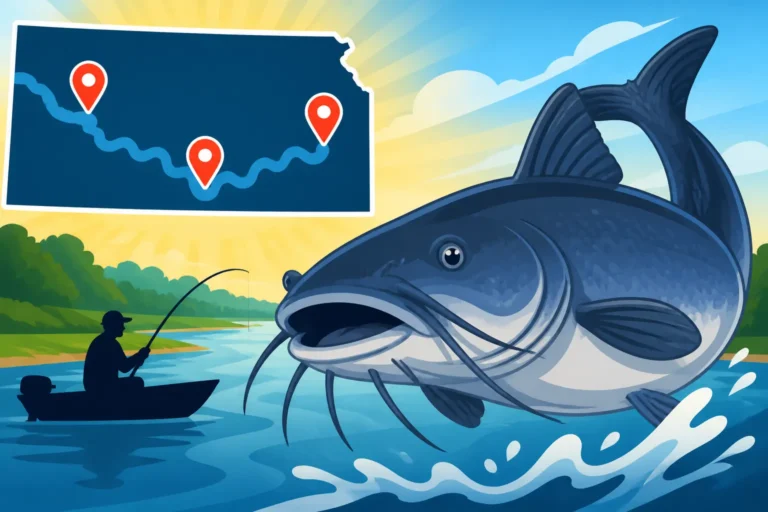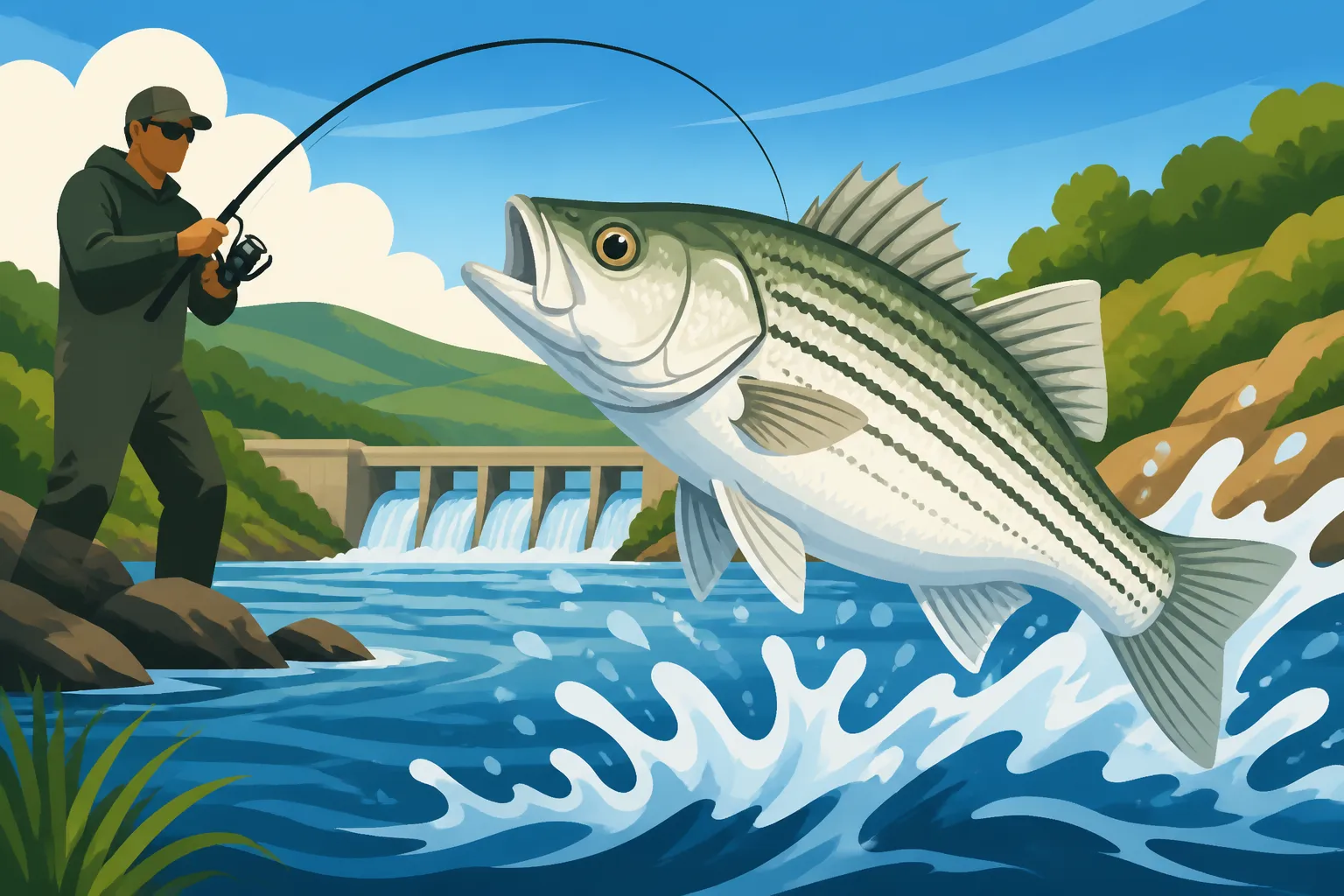
Milford Lake White Bass Run on the Republican River
There's nothing quite like the electrifying rush of a white bass run, where the water seemingly boils with hungry fish. But if you've ever felt frustrated by showing up at the wrong time or not knowing where to cast, you're not alone. Hitting the famed Milford Lake white bass run on the Republican River requires a bit of insider knowledge, and that's exactly what we're diving into today to help you experience that incredible fishing action.
Understanding the Milford Lake White Bass Run Phenomenon
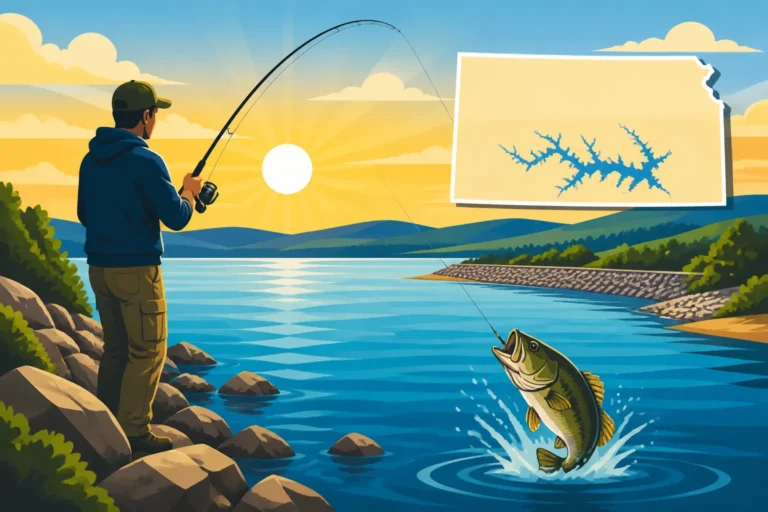
The white bass run near Milford Lake is one of Kansas's most exciting annual fishing events, drawing anglers from all over the state and beyond. It's a natural spectacle that, once you've witnessed it, you'll want to be a part of every year. But what exactly is it, and why is the Republican River such a critical player?
What is the White Bass Run and Why It Happens
Think of the white bass run as nature's grand migration for reproduction. Every spring, as water temperatures begin to climb, usually into the mid-50s to low-60s Fahrenheit, the white bass in Milford Lake feel an ancient urge to move upstream to spawn. They'll leave the main body of the lake and push into the feeder rivers, looking for shallow, flowing water with gravelly bottoms where they can lay their eggs. This mass movement concentrates thousands of fish into relatively small areas, creating an angler's paradise. It's not just about catching fish; it's about being immersed in a vibrant natural cycle. The sheer numbers of fish can be astounding, with some anglers reporting dozens, if not hundreds, of catches in a single outing when the timing is right. Understanding this innate drive is key to predicting when and where to intercept these energetic fish.
The Republican River's Unique Role in the Run
While Milford Lake has several feeder creeks, the Republican River is by far the most significant artery for the white bass run. It's a major inflow into the lake, providing the long stretch of moving water and diverse habitat that white bass seek for their spawning rituals. The river's varying depths, riffles, and pools create ideal staging and spawning grounds. As the fish travel upstream, they'll congregate in specific areas, especially where there's a noticeable current break or a sudden change in depth. The river's flow and water clarity, often influenced by recent rains, can significantly impact the run's intensity and the fish's behavior. Learning to read the river and its currents is a skill that will serve you well during this period. The Republican River Fishing Access points are often buzzing with activity during the peak of the run, so knowing where to go is half the battle.
Prime Locations and Timing on the Republican River
Timing is everything when it comes to the white bass run. Show up too early, and you'll find scattered fish. Too late, and the main push might be over. Local knowledge, combined with an understanding of environmental cues, is your best friend.
Seasonal Cues and Peak Windows for the Run
The white bass run generally kicks off in late March and can extend into May, but the absolute peak window is often quite narrow, lasting only a couple of weeks. The most reliable indicator is water temperature. When the river water consistently hits that 55-65°F range, it's game on. This usually coincides with longer daylight hours and the warming trends of late spring. Keep a close eye on weather forecasts, as a sudden cold snap can temporarily put the fish off the bite, while a warm rain can trigger an explosion of activity.
It's not just temperature; river flow is also critical. High, muddy water from heavy rains can scatter the fish and make them harder to locate. Conversely, a steady, moderate flow often concentrates them. You can often find official updates or even consult online resources like FishingBooker to check local reports or even book a guide who lives and breathes these conditions. They often have the most up-to-date intel on when the Kansas White Bass Run Timing is hitting its stride.
Here's a general guide to help you plan your trip:
| Run Stage | Typical Timing (Approx.) | Water Temperature Range | Key Characteristics |
|---|---|---|---|
| Early Run | Late March – Early April | 50-55°F | Scout fish, smaller groups, often deeper pockets. |
| Peak Run | Mid-April – Early May | 55-65°F | Massive schools, aggressive biting, widespread. |
| Late Run | Mid-May – Early June | 65°F+ | Post-spawn, fish disperse, less concentrated. |
Specific River Access Points for White Bass
While the entire lower Republican River can hold white bass during the run, certain areas are perennial hotspots due to their structure and accessibility. The stretch of river immediately below the Milford Lake dam is legendary. This area offers excellent current and oxygenation, attracting fish that are staging before their upstream push or congregating after the spawn. Look for public access points around Wakefield, such as the river accesses within Milford State Park or nearby wildlife areas.
Further upstream, towards areas like Clay Center, the river becomes narrower, and the fish can be even more concentrated. Bridges, riffles, and confluence points where smaller creeks join the Republican are natural funnels for the fish. Always check local maps and be mindful of private property. Access to the river can vary, and a little scouting before you go can save a lot of frustration. Remember that fishing from the bank is a popular option during the run, but if you have a kayak or small boat, you can often reach less pressured spots. The Best Spot Below Milford Dam for White Bass is frequently discussed among local anglers for a reason – it consistently produces.
Effective Techniques and Gear for a Successful Outing
Once you've nailed down the timing and location, the next step is getting your lure in front of these eager fish. White bass are generally aggressive, but a few tried-and-true techniques and the right gear will significantly increase your success.
Lure and Bait Choices for Aggressive White Bass
White bass are usually not picky eaters, especially when they're in a full-on feeding frenzy during the run. However, certain lures consistently outperform others. Small, flashy baits that imitate shad or other baitfish are your best bet.
- Rooster Tails or Small Spinners: These are classic white bass getters. The flash and vibration are irresistible. Opt for silver or white blades, sometimes with a touch of chartreuse or red.
- Small Jigs: White or chartreuse 1/8 to 1/4 ounce jigs, especially those with marabou or soft plastic bodies, are incredibly effective. You can tip them with a small piece of worm or a Berkley Gulp! Alive! minnow for added attraction.
- Spoons: Casting spoons like a Little Cleo or a Kastmaster, in silver or gold, can be deadly, especially when the fish are deeper or you need to cast a long distance.
- Inline Spinners: Brands like Mepps or Panther Martin are popular for their consistent action.
- Small Crankbaits: Shallow-diving crankbaits in shad patterns can also work, particularly if the fish are slightly less aggressive or holding in specific ambush points.
Live bait, like small minnows, can also be incredibly effective, especially if you're struggling to get bites on artificials. Presenting them under a bobber or on a simple split-shot rig can be very productive. To ensure you're geared up for the run, take a look at the comprehensive guide on the Best Lures for Kansas White Bass.
Rigging and Presentation Tips to Hook More Fish
When you're dealing with a white bass run, presentation is key. These fish are often schooling, and getting your bait into the strike zone effectively can mean the difference between a few fish and a cooler full.
- Light to Medium-Light Spinning Gear: A 6-foot to 7-foot spinning rod with a fast action, paired with a 2000-2500 series reel, is ideal. Spool it with 6-10 pound monofilament or braided line with a fluorocarbon leader. This setup allows for long casts and the sensitivity to detect subtle bites.
- Cast and Retrieve: For most lures like spinners, spoons, and crankbaits, a simple cast and retrieve is all you need. Vary your retrieve speed until you find what the fish prefer. Sometimes a steady retrieve works; other times, a stop-and-go retrieve with pauses can trigger strikes.
- Vertical Jigging: If you're fishing from a boat or kayak in a deeper hole, vertical jigging small spoons or jigs can be deadly. Drop your lure to the bottom and quickly snap it up a foot or two, letting it flutter back down. Many bites will occur on the fall.
- Utilize Current: White bass often face into the current, waiting for food to drift by. Cast upstream and let your lure drift naturally downstream, retrieving as it goes. This allows your bait to appear as a natural food source.
- Fan Casting: Don't just cast in one direction. Fan cast across the entire area to locate schools of fish. Once you find them, you'll often get bites on nearly every cast until the school moves on.
- Leader Material: Sometimes, especially in clearer water, a short fluorocarbon leader (12-24 inches) tied to your main braided line can make a difference. It's nearly invisible underwater and can coax bites from wary fish.
Remember, the goal is to cover water and find the active fish. When you find them, they'll usually let you know!
Navigating Regulations and Leveraging Local Knowledge
Beyond the excitement of the catch, it's crucial to understand the rules and tap into local expertise to make your fishing trip both successful and responsible.
Kansas Fishing Regulations Specific to White Bass
Kansas has specific regulations to manage its fisheries, and white bass are no exception. While they are often abundant, it's essential to stay within the legal limits to help conserve the population for future runs. Generally, white bass have a generous daily creel limit, but it's always smart to double-check the latest Kansas Fishing Regulations Explained handbook published by the Kansas Department of Wildlife, Parks and Tourism (KDWPT). This guide will detail daily limits, possession limits, and any tackle restrictions that might apply to certain areas or methods.
Of course, a valid Kansas fishing license is mandatory for most anglers aged 16 and older. Make sure to purchase yours before heading out. You can find comprehensive information on the Kansas Fishing License Guide to ensure you're compliant. Ignoring these rules can lead to fines and a ruined fishing trip, so a quick review is always worth your time. Always carry your license with you, either physically or digitally on your phone, to avoid any issues with law enforcement.
Leveraging Local Resources and Fishing Guides
One of the best ways to shorten the learning curve and truly experience the best of the Milford Lake white bass run is to tap into local knowledge. Experienced anglers who fish the Republican River year after year have an intimate understanding of the subtle cues that indicate a hot bite.
- Local Bait Shops: These are goldmines of information. Shop owners and staff are often passionate anglers themselves and hear daily reports from other fishermen. They can tell you what's biting, where, and on what. They'll also have the right baits and lures stocked for current conditions.
- Online Fishing Forums and Social Media Groups: Many local Kansas fishing communities on platforms like Facebook or dedicated forums share real-time updates and tips. Just be mindful that the hottest spots can sometimes be kept under wraps!
- Hiring a Fishing Guide: If you're serious about maximizing your chances, especially if you're new to the area or new to river fishing, consider hiring a local guide. Services found on platforms like FishingBooker specialize in specific bodies of water and target species. A good guide knows the river's moods, the fish's patterns, and can put you directly on the fish, teach you the best techniques, and ensure you're following all local regulations. They're an invaluable resource for experiencing the Milford Lake Fishing Guide expertise firsthand. Spending a day with a seasoned pro can accelerate your learning curve exponentially, and frankly, it's just plain fun to share the experience with someone who loves it as much as you do.
Remember, fishing is as much about community and sharing knowledge as it is about the catch. Don't be afraid to strike up a friendly conversation at the boat ramp or on the bank; you might learn something invaluable!
Disclaimer
Please remember that fishing conditions, regulations, and fish behavior can change. Always consult the official Kansas Department of Wildlife, Parks and Tourism (KDWPT) regulations guide before heading out. Safety should always be your top priority when fishing any body of water, especially rivers with currents.