Best Shore Fishing Spots on Milford Lake
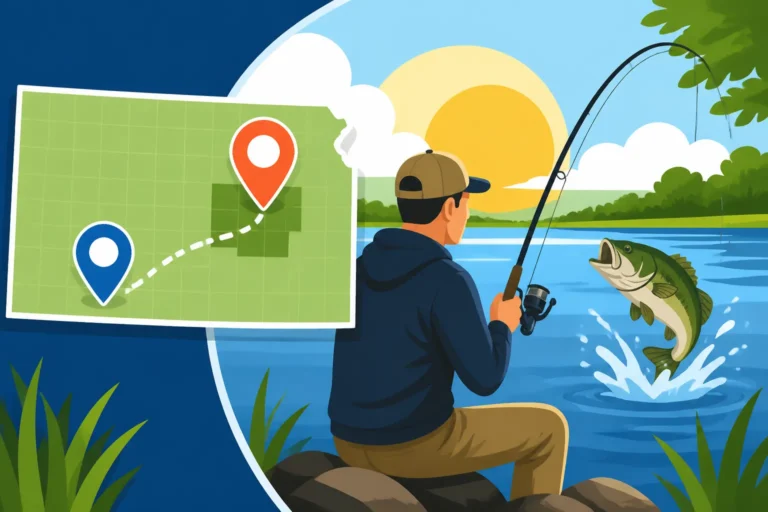
Oh, the joy and frustration of trying to tackle a massive body of water like Milford Lake when you're limited to fishing from shore! It can feel utterly overwhelming, right? You pull up to a public access point, look out at miles of shimmering water, and wonder, "Where do I even begin?" Many anglers face this exact dilemma, assuming that without a boat, the best spots are simply out of reach. But I'm here to tell you that's simply not true! This comprehensive guide is dedicated to unlocking the secrets of successful bank fishing on Milford Lake, pinpointing the best shore fishing spots and sharing tried-and-true techniques to help you land that trophy catch without ever needing to launch a boat.
Understanding Milford Lake's Shoreline Fishing Potential
Milford Lake, the largest lake in Kansas, offers an incredible array of fishing opportunities. However, its sheer size—spanning over 15,700 acres—can make shore fishing feel like an impossible task. But with the right knowledge, strategic planning, and a bit of perseverance, you can absolutely find fantastic success targeting various species from its vast shoreline.
The Unique Challenges of Shore Fishing Big Reservoirs
Fishing a behemoth like Milford Lake from the bank presents its own set of unique hurdles that can certainly test an angler's patience. For starters, the sheer scale of the water body is intimidating. Unlike a cozy farm pond where you can often cast to the opposite bank or easily cover the majority of the water, Milford's vastness means you're confined to a tiny sliver of its potential. You might spend hours casting into what feels like an endless expanse, wondering if there are even any fish within range. This feeling of being a small fish in a very, very big pond is a common frustration for many bank-bound anglers.
Another significant challenge is access. While Milford Lake is surrounded by extensive public lands, not all of it is easily accessible by foot, and many prime areas might appear just out of reach without a boat. You might encounter steep, eroding banks, dense tangles of vegetation, or even unknowingly stray onto private property. It's not uncommon to drive past miles of promising-looking shoreline only to find no safe or legal spot to set up. This limitation in maneuverability means shore anglers have to be smart about choosing their locations and accepting that some areas are simply off-limits to them.
Lastly, external factors like weather and water conditions can be amplified when you're restricted to the bank. A strong Kansas wind can turn a pleasant outing into a casting nightmare, making it difficult to feel subtle bites or accurately place your lure. Fluctuating water levels, common in reservoir environments, can quickly expose vast mudflats, pushing fish further out, or submerge your favorite bank access points. Adapting to these ever-changing conditions without the mobility of a boat is a skill that shore anglers at Milford quickly develop, learning to read the wind, water clarity, and historical patterns to their advantage.
Identifying Promising Bankside Structure
Despite the challenges, Milford Lake's shoreline is rife with features that hold fish, even if you're not in a boat. The key is learning to "read" the water and identify these promising structures from your fixed position. Think about what naturally attracts fish: cover for ambush, food sources, and comfortable depths. On Milford, this often translates to rocky points extending into the main lake, areas of submerged brush or timber, creek channels that once snaked through the valley before inundation, and even man-made riprap along causeways or bridge abutments. These are the natural highways, hideouts, and feeding grounds for various game fish.
Pay close attention to transitions in the shoreline and water depth. A sharp drop-off visible from the bank often indicates a quick change in depth underwater, creating a prime feeding edge where fish can hold in deeper water and dart into the shallows to feed. Conversely, a gently sloping bank might suggest a shallower, longer flat that could be ideal for spawning crappie or cruising catfish. Look for areas where different types of bottom meet—rock to mud, or sand to gravel. These junctions are often magnets for baitfish, which in turn attract predators.
Don't overlook the more obvious, yet highly effective, forms of cover. Fallen trees along the bank, old submerged roadbeds (common in any reservoir), or even the shadows cast by bridge pilings can concentrate fish. While you might not be able to cast directly into every snag, the edges and deeper water adjacent to these structures are often prime targets. Before making your first cast, take a few moments to observe the water. Look for any surface activity, diving birds, or subtle changes in the water's color or texture that could indicate submerged structure or schooling fish. These visual clues are invaluable for the patient shore angler.
Top Public Access Areas for Bank Anglers
Milford Lake is fortunate to have extensive public access, thanks to Milford State Park and various U.S. Army Corps of Engineers public use areas. These locations provide a fantastic starting point for any shore angler looking to explore the lake's potential without needing a boat.
Milford State Park Access Points
Milford State Park stands as a jewel for shore anglers, offering a plethora of accessible areas, many with convenient amenities. The park's numerous camping loops and day-use areas provide abundant shoreline access, making it a popular choice for both serious anglers and families looking for a relaxing day by the water. The trails and clearings throughout the park often lead directly to the water's edge, making it relatively easy to navigate and find a spot to cast your line. Plus, the presence of restrooms, picnic tables, and well-maintained grounds means you can focus on fishing in comfort.
Within the sprawling boundaries of Milford State Park, specific areas consistently produce for bank anglers. Marina Cove, despite its bustling activity, offers deeper water access closer to shore, making it a reliable spot for crappie and white bass, particularly during their seasonal movements into shallower water in spring and fall. The docks and associated structures provide excellent cover. Another excellent area is School Creek Park, especially along its eastern and western edges. Here, the shoreline varies from rocky banks—perfect for walleye and smallmouth bass—to more gradual slopes that are ideal for targeting channel catfish cruising for an easy meal. Remember, these easily accessible areas can see a lot of fishing pressure, so presenting your bait naturally and subtly is often the key to success.
Beyond these main areas, don't overlook the quieter sections near campgrounds like Eagle Ridge or the general vicinity of the spillway below the dam. While the immediate spillway area can have strong currents and might require careful navigation, the outflows are absolute magnets for white bass and other species, especially during the spring spawn. Just be sure to observe all local signage for any restricted areas or special regulations, as safety is paramount in these faster-moving waters. For those unfamiliar with the entire system, a general guide like the Milford Lake Fishing Guide can offer a great overview of the various sections.
Corps of Engineers Public Use Areas
Beyond the State Park, the U.S. Army Corps of Engineers maintains several public use areas around Milford Lake, providing additional and often less-crowded opportunities for productive shore fishing. These areas, while sometimes less developed in terms of amenities, offer a more rugged, natural experience and direct access to diverse fishing environments. Many Corps areas are equipped with boat ramps, but the surrounding shorelines are frequently perfect for bank anglers seeking a bit more solitude and a chance to explore different types of structure.
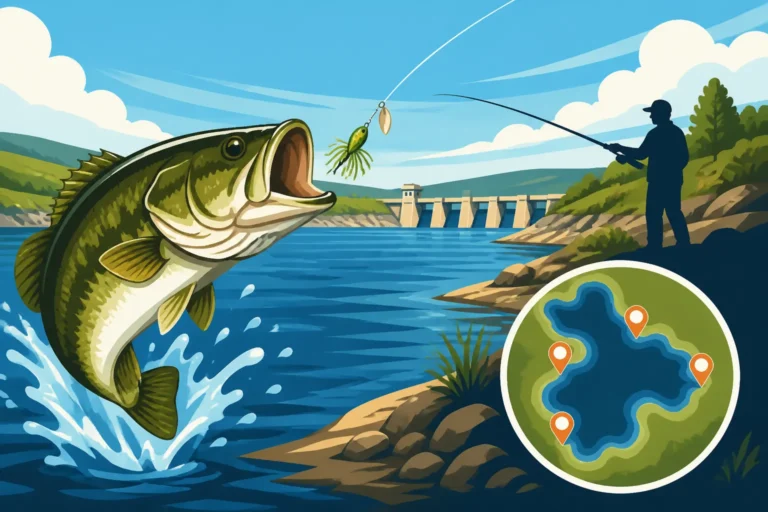
A prime example of a Corps-managed area that's a bank angler's dream is the Outlet Park, situated directly below the dam. This location is legendary for its incredible white bass action, particularly during the Milford Lake White Bass Run on the Republican River. In spring, you can witness massive schools of white bass migrating upstream, creating a fishing frenzy that allows anglers to catch fish after fish from the bank. The swift current in this area draws baitfish, and the white bass are never far behind. Another excellent area, particularly for crappie, is Curtis Creek Cove. While much of Curtis Creek is often best explored by boat, specific sections near the public use areas offer accessible bank fishing where crappie move into shallower cover, especially during the Milford Lake Crappie Spawn Timing in May.
Areas around Wakefield City Park also provide solid and often overlooked shore access. The confluence of the Republican River and the lake here creates a dynamic environment that can be a hotspot for various species, including catfish and white bass. The river sections just upstream from the main lake basin in this vicinity can be incredibly productive for channel cats and flatheads, particularly during the warmer months when these powerful fish are actively feeding. These locations are generally less frequented by casual visitors compared to the main State Park beaches, offering a more peaceful and focused angling experience.
Riverine Sections and Tributary Mouths
When you're shore fishing Milford Lake, don't make the mistake of focusing solely on the expansive main lake body. The riverine sections and the mouths of tributaries that feed into Milford are often overlooked goldmines for bank anglers. These areas act as natural funnels, concentrating baitfish and game fish alike, especially during periods of higher water flow or specific spawning migrations. The Republican River is the primary inflow, but smaller creeks and drainages can also offer exceptional opportunities, particularly for species that prefer moving water.
The stretch of the Republican River upstream from the lake's main basin, which can be accessed at various points through public land or via bridge crossings, provides superb fishing. This area is particularly fantastic for channel catfish, robust flatheads, and even offers a chance at some feisty smallmouth bass where rocky bottoms are present. During the spring, the Kansas White Bass Run Timing is a phenomenon where massive schools of white bass push upstream into this river system, creating phenomenal bank fishing action. Knowing when these runs typically occur can dramatically increase your chances of a truly memorable day on the water, with consistent bites right from the bank.
Similarly, smaller creeks and various drainages that empty into Milford Lake can become hotbeds of activity, especially after a good rain. These inflows bring in fresh nutrients, wash in terrestrial insects, and often introduce slightly cooler, oxygenated water, all of which act as irresistible attractants for game fish. While some of these spots might require a bit more effort to reach—perhaps a short hike through some brush—the reward can be well worth the adventure. Look for areas where these smaller streams create distinct deltas, scour out deeper pools, or form current breaks at their confluence with the lake. These transition zones are prime ambush points for a variety of species.
Specific Hotspots and What You'll Catch
Milford Lake is a diverse fishery, meaning shore anglers have a legitimate shot at a variety of popular game fish. Knowing where different species tend to congregate and what tactics work best from the bank is crucial for success.
Walleye and Crappie Hideouts from Shore
For walleye, which many anglers consider a prized catch, shore fishing is most effective around rocky points, riprap-lined banks, and areas with submerged rock piles, especially during low-light conditions or after dark. The areas near the dam, known for excellent Milford Lake Walleye Fishing Near the Dam, can be highly productive, with some spots offering direct bank access. Walleye are notorious for moving shallower to feed, particularly during the spring and fall transitions, making them vulnerable to patient bank anglers. Effective techniques include slowly working jigs tipped with live minnows or paddle-tail swimbaits along the bottom, mimicking their natural prey. A slow, methodical retrieve is often key to enticing a bite from these finicky predators.
Crappie, those ever-popular and delicious panfish, offer fantastic shore fishing opportunities, especially during their spring spawning season. As mentioned, during this time, they move into shallow, brushy cover. Look for areas with submerged timber, brush piles, or flooded vegetation, often found in the protected coves and quieter pockets within Milford State Park and other public access points. Small jigs (1/16 to 1/8 oz), tube baits, or live minnows suspended under a bobber are deadly when presented near these covers. Don't be afraid to move around until you locate a school, as crappie are highly communal and tend to group up.
Beyond the frantic spring spawn, crappie can still be caught from shore, particularly during early mornings or late evenings as they move closer to cover to feed. Docks (always respecting private property boundaries!), shaded areas, and rocky transition zones can hold them throughout the year. The primary challenge is often reaching them without spooking them. The key for consistent crappie success from the bank is often patience, a willingness to explore different depths and cover types, and adapting your presentation to their mood. Consider exploring various Kansas Crappie Fishing Techniques to broaden your approach.
Catfish Sanctuaries and Techniques
For consistent action and the chance at a truly trophy-sized fish, catfish are arguably the most reliable species for shore anglers on Milford Lake. All three major species—channel catfish, flatheads, and blue catfish—thrive here, and they are often found within easy casting distance from shore, especially in areas with slower currents, deeper holes, or heavy cover. The beauty of catfishing from the bank is its relative simplicity; a basic bottom rig is often all you need, making it accessible to anglers of all skill levels.
For channel catfish, target areas with a noticeable but not overpowering current, or seek out deeper scour holes near points, drop-offs, or the riverine sections. Baits that produce consistently include prepared stink baits, cut bait (such as shad or skipjack herring, if legal to acquire), chicken livers, or even simple nightcrawlers. A standard slip sinker rig, featuring a stout hook (many prefer a circle hook to ensure a good hookset), is very effective. Cast it out, let it sink to the bottom, and prepare for a patient wait. The reward for that patience can be a hard-fighting channel cat.
Flathead and blue catfish, often the largest inhabitants of Milford, generally prefer live bait and heavier, submerged cover. Look for downed trees, log jams, old stumps, or deeper rocky pockets along the banks of the Republican River section or within larger, deeper coves. Live sunfish, bluegill, or shad are prime baits for these powerful predators. To tackle these giants from shore, you'll need significantly heavier tackle, such as a sturdy Best Rod and Reel Combo for Catfish, paired with robust line to handle their brute strength and prevent them from burying you in snags. Remember, when you're limited to the bank, you can't maneuver a boat to follow a running fish, so your gear needs to be up to the task.
White Bass Runs and Their Bank Access
The white bass run on Milford Lake is a truly spectacular event that every shore angler should make an effort to experience. Typically peaking in the spring, though these aggressive fish can be caught throughout the summer and fall, they migrate upstream in massive schools, particularly into the Republican River arm of the lake. This is where shore anglers can enjoy some of the most consistent, fast-paced, and exhilarating action of the year.
Key access points for the white bass run include the Outlet Park below the dam and various bridge crossings or public lands scattered along the Republican River. The white bass stack up in riffles, eddies, and deeper pools as they make their way upstream to spawn. Small inline spinners (like Rooster Tails), spoons, jigs (especially curly-tail grubs or hair jigs), or even simple roadrunner jigs are incredibly effective. A common tactic is to cast upstream and retrieve, letting the current work your lure naturally. Keep an eye out for tell-tale signs: diving birds, frenzied surface activity from baitfish, or even the distinct splashes of white bass busting on schools of shad – these are often indicators that the fish are actively feeding.
Even outside the main spring run, white bass can still be caught from shore. They tend to school up and can be found in predictable locations. During windy days, baitfish are often pushed against shorelines, and white bass will follow. During low-light conditions, they'll cruise shallower points and humps. Look for them around rocky points or submerged humps where they can ambush prey. While the spring run is legendary for its sheer numbers, don't underestimate the year-round potential for catching these hard-fighting and delicious fish from the banks of Milford Lake. For specific timing, checking the Kansas Fishing Seasons Guide can be very helpful.
Essential Gear and Techniques for Shore Fishing Milford
Equipping yourself properly is paramount for successful shore fishing, especially on a large, diverse body of water like Milford Lake. You need gear that's versatile enough to handle different species and conditions, combined with techniques that overcome the limitations of bank access.
Rod and Reel Setups for Diverse Species
When you're confined to fishing from shore, versatility in your gear selection becomes your best friend. You don't have the luxury of a boat full of different rod setups for every scenario, so choosing an all-around workhorse is key. A good starting point for most species on Milford Lake is a 7 to 8-foot medium-heavy power spinning rod, paired with a reliable 3000- or 4000-series spinning reel. This setup provides the necessary casting distance to reach productive water on a large reservoir and offers ample backbone to effectively fight and land a decent-sized walleye, white bass, or channel catfish. The longer rod helps with casting distance and managing line over bankside obstructions.
For lighter, more finesse-oriented presentations, especially when targeting crappie, bluegill, or other panfish, having a separate, lighter action rod can be incredibly advantageous. A 6 to 6.5-foot light to medium-light power rod, coupled with a smaller 1000 or 2000 series reel, offers the sensitivity needed to detect subtle bites and make delicate presentations with small jigs or bobber rigs. While not strictly necessary, bringing both types of setups gives you invaluable flexibility, allowing you to quickly adapt to different conditions or target species without having to drastically change your approach.
Your choice of fishing line is also critical for shore anglers. Many experienced bank anglers opt for braided line as their main line, often with a fluorocarbon or monofilament leader. Braid offers superior sensitivity, incredible strength for its diameter, and excellent casting distance – all crucial factors when casting from a fixed position. However, a good quality monofilament line can also be highly effective, especially for species like crappie where its stretch can be more forgiving, preventing hooks from tearing out. The key is to match your line's strength and type to your target species and the specific presentation you're using.
Baits and Lures That Perform Best from Shore
When it comes to tempting the fish from Milford's shores, having a diverse arsenal of baits and lures is essential. For many species, especially bottom-feeders and panfish, live bait often reigns supreme. Minnows, worms (both nightcrawlers and red wigglers), and shad (if legal to cast net or acquire) are universally effective across various species. For catfish specifically, the Best Bait for Kansas Catfish frequently includes prepared stink baits or cut bait, which emit strong, enticing scents that can attract fish from a considerable distance, crucial when you're not actively covering water.
Artificial lures also have a significant place in the shore angler's tackle box. For aggressive species like white bass and active walleye, inline spinners (such as the classic Rooster Tail), spoons, and small to medium-sized crankbaits can be highly productive. Experiment with different colors and retrieve speeds until you find what triggers a bite. For crappie, small tube jigs, grub tails, or hair jigs fished under a bobber or slow-rolled near cover are incredibly effective. Always carry a variety of colors and sizes, as fish preferences can change throughout the day or season.
Beyond the main baits and lures, don't overlook the importance of your terminal tackle. A well-organized selection of hooks (e.g., circle hooks for catfish, Aberdeen hooks for crappie), sinkers (slip sinkers for bottom rigs, bell sinkers for current), swivels, and bobbers is absolutely essential. A versatile tackle box means you're prepared for whatever bite conditions you encounter, ensuring you don't miss out on a hot bite simply because you lack the right rig or component. Preparation is key to maximizing your limited casting opportunities from the bank.
Comfort and Safety Gear for Long Days
Shore fishing often involves a considerable amount of walking, standing, and waiting, so prioritizing comfort and safety is paramount for an enjoyable and successful outing. Sturdy, comfortable footwear is at the top of the list. Water-resistant hiking boots or even dedicated fishing boots are an excellent choice, especially if you anticipate navigating muddy banks, slippery rocks, or wading into shallow water. Layered clothing is also a smart strategy, as Kansas weather can be notoriously unpredictable, with temperatures fluctuating significantly throughout the day. A wide-brimmed hat and polarized sunglasses will not only protect you from the sun's glare but also help you spot subtle bites or any approaching fish activity.
Never underestimate the importance of staying hydrated and fueled, especially during the warmer months. A backpack stocked with plenty of water, some high-energy snacks or protein bars, and a basic first-aid kit is crucial for long days spent on the bank. A lightweight, portable chair or a bucket (which can also double as tackle storage or a makeshift livewell) can make a huge difference in your comfort levels, allowing you to relax and conserve energy while patiently waiting for a bite. Remember, you're not just fishing; you're also often hiking to your spot, so pack efficiently.
Safety should always be your top priority. If you're fishing near strong currents, such as below the dam, consider wearing a life jacket, even from shore. Always be acutely aware of your surroundings, especially if you're fishing alone or in more remote areas. It's always a good practice to let someone know where you're going, your planned route, and when you expect to return. And, of course, always check the local weather forecast before heading out to Milford. The wind can pick up rapidly, and sudden thunderstorms are not uncommon, creating challenging and potentially dangerous conditions.
Navigating Regulations and Best Practices
Successful and responsible angling isn't just about catching fish; it's also about understanding and adhering to the rules, and practicing good stewardship. Milford Lake, like all public waters in Kansas, has specific guidelines that anglers must follow.
Understanding Fishing Regulations Specific to Milford
The Kansas Department of Wildlife, Parks and Tourism (KDWP) is the governing body that sets forth specific rules for fishing across the entire state, and Milford Lake is absolutely no exception. It is not only highly recommended but absolutely crucial to familiarize yourself with these regulations before you cast a single line. This includes a clear understanding of the Kansas Fishing License Guide requirements – yes, even if you are simply fishing from the bank or a pier, you are almost certainly required to possess a valid Kansas fishing license. The KDWP website or a printed copy of the regulations summary is your best friend here.
Beyond the general license requirements, it is imperative to pay close attention to species-specific regulations that apply to Milford Lake. Things like Kansas Walleye Length Limits, crappie length and bag limits, and catfish daily limits can vary not only by species but sometimes by specific lake or even a particular water body within the state. A quick check of the KDWP fishing regulations summary will provide all the up-to-date information regarding these limits. Remember, ignorance of the rules is never an acceptable excuse, and penalties for violations can range from hefty fines to the confiscation of your gear and even loss of fishing privileges.
Furthermore, there might be regulations pertaining to specific fishing methods (e.g., snagging for paddlefish has very specific seasons and rules, and using trotlines or jug fishing techniques has its own set of guidelines), bait restrictions, or even specific areas within or around Milford Lake that are entirely off-limits for fishing. Always look for posted signage in state parks, Corps of Engineers public use areas, or along access points, as these often indicate localized rules or temporary closures. When in doubt, it's always safest and wisest to consult the official KDWP guidelines or contact a local game warden for clarification.
Respecting Private Property and Conservation
While Milford Lake offers extensive public access points, it's important to remember that significant portions of the land surrounding it are privately owned. Always be acutely mindful of property boundaries and, under no circumstances, ever trespass. If you are unsure whether an area is public or private, it is always best to err on the side of caution and assume it is private land, seeking explicit permission from the landowner before entering or casting a line. Disrespecting private property not only carries potential legal consequences but also casts a negative light on the entire angling community, potentially leading to reduced public access in the future.
Beyond property lines, practicing Leave No Trace principles is every angler's responsibility. This means packing out absolutely everything you pack in, including any discarded fishing line, empty bait containers, food wrappers, and any other trash. Litter not only harms the beautiful Milford Lake ecosystem and its wildlife but also detracts from the experience for other anglers, hikers, and outdoor enthusiasts. Let's all do our part to keep Milford Lake clean and beautiful for everyone to enjoy, today and for generations to come.
Conservation extends to how we interact with the fish themselves. If you choose to keep fish, only take what you need for a meal and what is legally allowed within the daily bag and length limits. Many responsible anglers also consider practicing catch-and-release, especially for larger, trophy-sized fish or any species that are beyond legal slot limits, as these often represent key breeding stock. Learning how to properly unhook and release a fish ensures its best chance of survival. Platforms like FishingBooker, for instance, often feature guides who actively promote responsible angling practices and catch-and-release, reflecting a broader commitment within the fishing community to sustainability and resource management.
Tips for a Successful and Responsible Trip
To maximize your success and ensure a responsible outing on Milford Lake, a little preparation and a flexible mindset go a long way. Before you even leave the house, do some research. The KDWP frequently provides updated fishing reports for major reservoirs like Milford, detailing recent catches, water conditions, and general fish patterns. Even if you're not booking a guided trip, websites like FishingBooker sometimes feature local fishing reports or guide insights that can offer valuable clues about fish movement and preferred baits. Another excellent resource is your local bait and tackle shop; these folks often have the most current, hyper-local information on what's biting and where.
Be adaptable once you're on the water. The fish might not always be precisely where you expect them, or they might not be interested in your chosen bait. Be willing to move to different spots along the bank, experiment with various lures, or alter your retrieve speed. Sometimes, simply waiting for a shift in light conditions – like the prime hours of dusk or dawn – can trigger a bite when the mid-day sun had the fish completely shut down. Persistence, combined with a willingness to change tactics, often pays off big time on a vast and dynamic lake like Milford.
Finally, remember that Milford Lake is a shared resource. You'll likely encounter other anglers, hikers, and boaters during your visit. Be courteous, give fellow anglers ample space, and avoid crowding anyone's fishing spot. A friendly wave, a shared tip, or even just a respectful nod goes a long way in fostering a positive and welcoming outdoor community. After all, we're all out there to enjoy the beauty of Kansas fishing, connect with nature, and hopefully, reel in a few memories.
| Shore Fishing Spot Category | Specific Area Examples | Target Species (Primary) | Best Season | Key Features for Shore Anglers |
|---|---|---|---|---|
| State Park Access | School Creek Park, Marina Cove, Eagle Ridge | Crappie, Channel Catfish, Walleye | Spring, Fall | Easy access, amenities, varied structure, family-friendly |
| Corps Public Use Areas | Outlet Park, Curtis Creek Cove, Wakefield City Park | White Bass, Walleye, Crappie, Catfish | Spring (White Bass, Crappie), Year-round (Catfish) | River access, deeper water, less crowded, strong currents at Outlet Park |
| Riverine Sections | Republican River upstream of lake | Channel Catfish, Flathead Catfish, White Bass | Summer (Catfish), Spring (White Bass) | Current breaks, log jams, tributary mouths, excellent for moving water species |
| Rocky Points/Riprap | Anywhere points extend into lake, causeways | Walleye, White Bass, Smallmouth Bass | Spring, Fall, Night | Ambush points, baitfish congregation, good for casting distance |
| Brushy Coves | Protected coves in State Park/Public Areas | Crappie, Bluegill, Largemouth Bass | Spring, Early Summer | Cover for spawning fish, shallower water, often warmer |
Disclaimer
Please note that fishing conditions and regulations can change. Always consult the latest Kansas Department of Wildlife, Parks and Tourism (KDWP) regulations guide before heading out. Fishing involves inherent risks; always prioritize safety and be aware of your surroundings.