Fire Extinguisher Requirement for Boats
It's easy to get caught up in the excitement of a day on the water, whether you're chasing crappie at Milford Lake or patiently waiting for a channel cat to bite on the Kansas River. But amidst the rods, reels, and bait, one crucial piece of safety equipment often gets overlooked until it's too late: the humble fire extinguisher. Many boaters simply aren't aware of the specific requirements, leading to potential fines or, far worse, an unprepared situation if a fire ignites. This guide will meticulously break down everything you need to know about fire extinguisher requirements for boats in Kansas, ensuring you're not only compliant but truly safe.
Why a Fire Extinguisher is a Must-Have on Kansas Waters
The thought of a fire on your boat can be unsettling, but it's a very real danger that every Kansas boater needs to be prepared for. Unlike a fire on land, you can't just call the fire department to roll up to your exact location in the middle of Wilson Lake. Prevention and immediate response are absolutely critical, and that starts with having the right equipment.
Understanding the Unique Risks of Boat Fires
Boats, by their very nature, carry several elements that can become fuel for a fire. Think about it: you've got fuel lines running through the vessel, a hot engine block, sometimes electrical systems that are constantly exposed to moisture, and for many, even cooking equipment on board. A minor fuel leak, an overheated battery, or a frayed wire in a confined space can quickly escalate into a serious blaze. Imagine a small electrical short in the console or a fuel vapor igniting near the engine compartment – the flames can spread with terrifying speed, leaving you with precious little time to react. The confined spaces on most recreational boats mean there's often less oxygen to fuel the fire, but it also means smoke and heat can build up rapidly, making escape and suppression incredibly challenging. It's not just about losing your boat; it's about the safety of everyone on board.
The Letter of the Law: Kansas Boating Regulations
It's not enough to simply think a fire extinguisher is a good idea; in Kansas, it's often a legal requirement. These aren't arbitrary rules dreamt up to inconvenience you; they are carefully crafted regulations designed to save lives and property on the water. The Kansas Department of Wildlife and Parks (KDWP) enforces these rules, and ignorance is no excuse if you're stopped by a game warden. Not having the correct, U.S. Coast Guard (USCG) approved fire extinguisher on board can lead to citations and penalties, which can certainly put a damper on your fishing trip. More importantly, it signals a lack of preparation that could have dire consequences. Understanding Kansas Fishing Law Enforcement and Penalties means knowing that safety violations are taken seriously.
Decoding Kansas's Fire Extinguisher Requirements: Types, Sizes, and Your Boat
Navigating the specifics of fire extinguisher requirements can feel a bit like reading a foreign language with all the "Type B-I" and "B-II" classifications. But don't worry, it's simpler than it seems once you understand the basic principles. The key is to know what type of fire extinguisher is appropriate for a boat fire and how its capacity relates to the size and design of your vessel.
USCG-Approved Extinguishers: Type B is Key
When we talk about fire extinguishers for boats, we're almost exclusively talking about Type B extinguishers. Why Type B? Because boat fires typically involve flammable liquids like gasoline, diesel, and oils (Class B fires), and sometimes electrical equipment (Class C fires). A Type B extinguisher is designed to combat these specific types of fires, using agents like dry chemical powder to suppress the flames.
It is absolutely crucial that your extinguisher is U.S. Coast Guard (USCG) approved. You'll usually find this designation printed clearly on the label of the extinguisher itself. A standard fire extinguisher you might have in your garage or kitchen might be great for home use, but if it doesn't have that specific USCG approval, it won't meet the legal requirements for your boat in Kansas. These approved units are built to withstand the marine environment better and meet specific performance standards for use on vessels.
Matching the Extinguisher to Your Vessel
The size and type of your boat determine the specific rating and quantity of fire extinguishers you need. The requirements generally fall into two categories: B-I and B-II. Think of B-I as your standard, smaller marine extinguisher, and B-II as a larger, more powerful unit.
Here’s a general breakdown of what's typically required, but always consult the most current KDWP regulations, which often mirror federal USCG standards for recreational vessels:
- Vessels less than 26 feet in length: These typically require one (1) B-I type extinguisher if they have features like an enclosed engine compartment, permanently installed fuel tanks, or spaces where flammable gases can accumulate (like under a seat or in a storage locker). If your boat is entirely open and has no such enclosed spaces, it might be exempt, but we'll get to that in a moment.
- Vessels 26 feet but less than 40 feet in length: These generally require two (2) B-I type extinguishers OR one (1) B-II type extinguisher.
- Vessels 40 feet but less than 65 feet in length: These usually need three (3) B-I type extinguishers OR one (1) B-II and one (1) B-I type extinguisher.
It's also important to note that if your boat has a permanently installed (fixed) fire extinguishing system in the engine compartment (like an automatic halon or FM-200 system), this can sometimes reduce the number of portable extinguishers required. However, even with a fixed system, you'll almost always still need at least one portable unit for fires that might break out in other areas of the boat, such as the galley or passenger compartment.
Here’s a simplified table to help you visualize the typical requirements:
| Boat Length (Overall) | Features Requiring an Extinguisher | Minimum Portable Extinguisher(s) Required (USCG Approved Type B) |
|---|---|---|
| Less than 26 feet | Enclosed engine, fuel tank, or spaces for vapors | One (1) B-I |
| Less than 26 feet | With fixed system in engine compartment | One (1) B-I |
| 26 to less than 40 feet | Enclosed engine, fuel tank, or spaces for vapors | Two (2) B-I OR One (1) B-II |
| 26 to less than 40 feet | With fixed system in engine compartment | One (1) B-I |
| 40 to less than 65 feet | Enclosed engine, fuel tank, or spaces for vapors | Three (3) B-I OR One (1) B-II and one (1) B-I |
| 40 to less than 65 feet | With fixed system in engine compartment | Two (2) B-I OR One (1) B-II |
Remember, this table is a general guide. Always verify with official Kansas Boating regulations, as they can sometimes have specific nuances. For broader safety guidance, you might also want to consult Kansas Boating Safety Equipment Requirements.
Exemptions and Strong Recommendations
Now, for those of you with smaller, simpler craft, there can be exemptions. Boats that are entirely open, without any enclosed compartments where flammable vapors could accumulate, and that use portable fuel tanks (like many jon boats or small aluminum fishing boats with an outboard motor and fuel tanks sitting on deck) may not be legally required to carry a fire extinguisher. This often applies to canoes, kayaks, and certain pontoon boats if they fit the criteria of being "open construction." You can learn more about requirements for specific vessel types in Boat Registration Rules for Kansas Anglers.
However, and this is a big however, even if you're legally exempt, always carry a fire extinguisher. The risks of fire don't disappear just because your boat is smaller or has fewer enclosed spaces. A spilled fuel tank, an electrical issue with your trolling motor battery, or even a carelessly discarded cigarette (though hopefully, no one is smoking near fuel!) can all spark a fire. It's a small investment for enormous peace of mind and significantly improved safety. Imagine being out on a peaceful afternoon kayak fishing trip, and suddenly you have an issue with your battery. Having a compact, readily accessible extinguisher can be a literal lifesaver. You can find many suitable USCG-approved options at stores like Bass Pro Shops or even conveniently order them from Amazon.
Keeping Your Fire Extinguisher Ready: Inspection and Placement
Having the right fire extinguisher is only half the battle. If it's old, discharged, or buried under a pile of fishing gear, it's utterly useless when you need it most. Proper maintenance and strategic placement are just as important as meeting the initial requirements.
The Vital Importance of Regular Checks
Your fire extinguisher isn't a "set it and forget it" piece of equipment. It needs to be regularly inspected to ensure it's in working order. Think of it like checking your boat's oil or tire pressure on your trailer; it's a routine safety check that could prevent a disaster.
Here’s what you should be looking for during your checks:
- Pressure Gauge: For extinguishers equipped with a gauge (typically dry chemical types), ensure the needle is firmly in the "green" operational zone. If it's in the red, the extinguisher has lost pressure and might not function when needed.
- Seals and Tamper Indicators: Check that the pin is intact and the tamper seal is unbroken. This indicates the extinguisher hasn't been accidentally discharged or tampered with.
- Nozzle and Hose: Make sure the nozzle is clear of obstructions, dirt, or insect nests. If there's a hose, check for cracks or damage.
- Physical Condition: Look for signs of corrosion, dents, or other damage to the cylinder. Any significant damage could compromise its integrity.
- Recharge/Expiration Date: Some extinguishers are disposable after a single use or after a certain period, while others can be recharged. Familiarize yourself with your specific unit's instructions. A common recommendation is to replace disposable extinguishers every 12 years from the date of manufacture, but always check the manufacturer's guidelines and the USCG approval information.
Making these checks a part of your pre-trip routine, maybe when you're going through your Kansas Fishing Gear Guide checklist, is a smart habit. If you find any issues, address them immediately. A non-functional extinguisher is as good as no extinguisher at all.
Optimal Placement for Quick Access
Where you store your fire extinguisher on your boat is critically important. It needs to be readily accessible in an emergency. This means:
- Visible and Unobstructed: Don't hide it under a pile of spare ropes, life jackets, or tackle boxes. It should be in plain sight or in a designated locker that is clearly marked and easy to open.
- Away from Heat Sources: While it might seem intuitive to put it right next to the engine, placing it too close to a potential fire source means you might not be able to reach it if a fire ignites there. A good rule of thumb is to place it where you can grab it before approaching the fire.
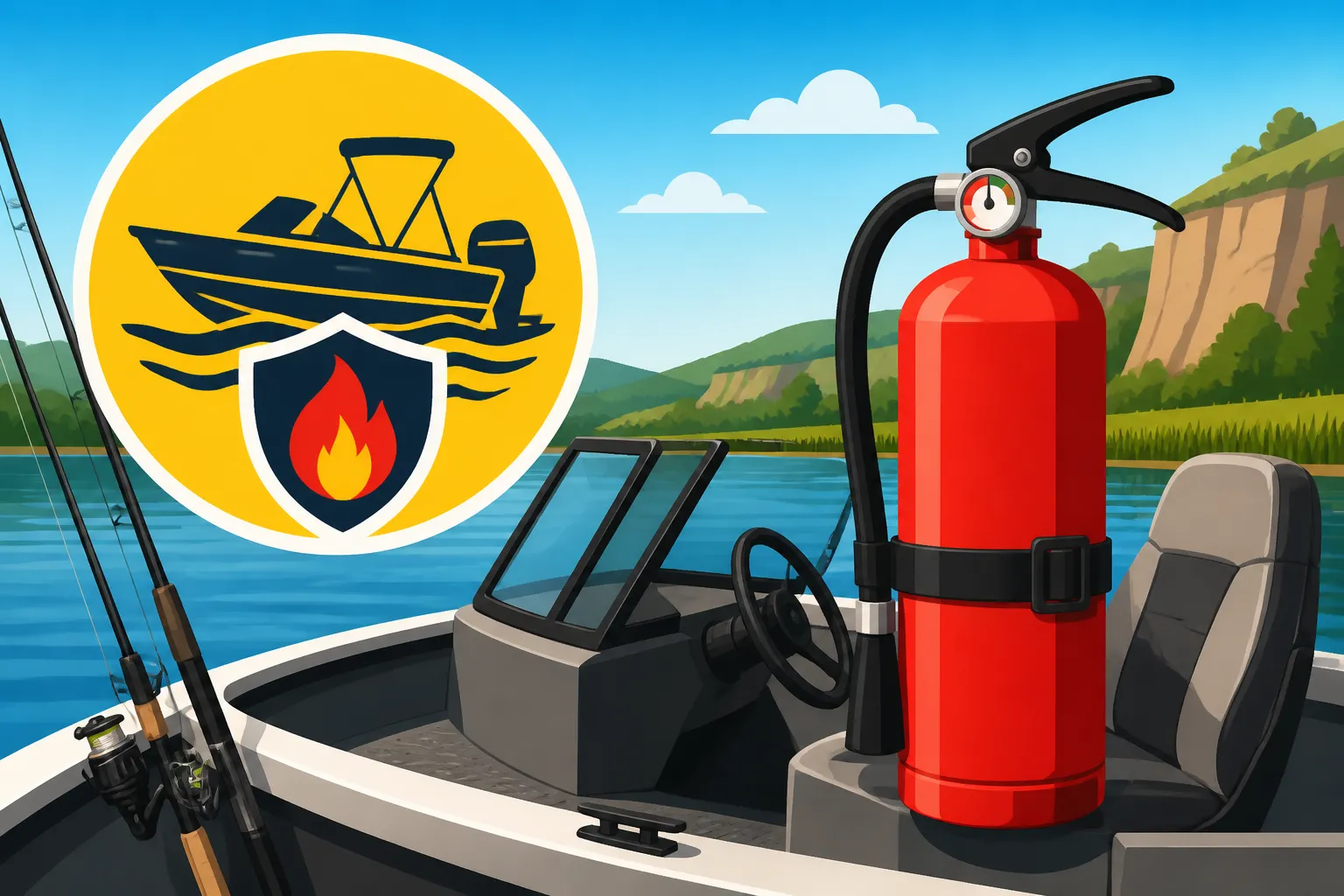
- Securely Mounted: Extinguishers should be mounted in a bracket designed to hold them securely. You don't want it rolling around the deck or falling off its mount when the boat hits a wave. A loose extinguisher can become a dangerous projectile.
- Consider Multiple Locations: If your boat is larger or has multiple compartments, consider having an extinguisher in each primary area. For example, one near the helm, one in the galley (if you have one), and one near the engine access. Even if your boat only requires one, having a second, smaller B-I extinguisher for quick grab-and-go situations is never a bad idea.
Think about a worst-case scenario: you're underway, and you smell smoke coming from the engine compartment. Your first instinct will be to shut off the engine and reach for the extinguisher. If it's right there, mounted securely within arm's reach, you can respond instantly. If you have to dig for it, precious seconds are lost, and those seconds could mean the difference between a small incident and a major catastrophe. You can often find suitable marine-grade mounting brackets and extinguishers that meet these safety standards at retailers like Bass Pro Shops or various online marine stores on Amazon.
Beyond the Extinguisher: Comprehensive Fire Safety and Gear for Kansas Anglers
While a fire extinguisher is a vital tool for combating a fire, the best approach is to prevent fires from starting in the first place. A comprehensive safety mindset means understanding risks, practicing prevention, and having a full suite of safety gear on board.
Proactive Fire Prevention on the Water
Many boat fires are preventable. A little proactive maintenance and careful habits can go a long way in keeping your vessel fire-free.
- Fuel System Integrity: Regularly inspect fuel lines, tanks, and connections for any signs of leaks or deterioration. Replace old or cracked hoses promptly. Ensure fuel caps are tight and vent lines are clear. Always vent your bilge before starting an inboard engine, and check for fuel fumes. Remember that gasoline vapors are heavier than air and can settle in the lowest parts of your boat, waiting for an ignition source.
- Electrical System Checks: Corroded wiring, loose connections, or overloaded circuits are common culprits for electrical fires. Check battery terminals for corrosion, ensure wiring is properly insulated and secured, and never exceed the capacity of your boat's electrical system with aftermarket accessories. If you're not comfortable inspecting your electrical system, have a qualified marine mechanic do it.
- Engine Maintenance: Keep your engine clean and well-maintained. Oil and fuel leaks on a hot engine can ignite. Ensure proper ventilation in engine compartments to prevent overheating and the buildup of flammable fumes.
- Safe Cooking Practices: If your boat has a galley or portable cooking appliances, use them responsibly. Never leave cooking unattended. Ensure good ventilation, keep flammable materials away from burners, and have a designated safe spot for portable grills that is away from any fuel sources or boat structures.
- "No Smoking" Rules: If you or your guests smoke, designate a safe, outdoor area away from fuel fills and engine compartments. Better yet, make it a "no smoking" zone altogether on the boat.
- Spill Kits: Keep a small spill kit on board with absorbent pads in case of fuel or oil spills. Promptly cleaning up spills prevents hazards and protects the environment.
By integrating these prevention methods into your routine, you're not just complying with Kansas Fishing Regulations Explained but actively safeguarding your boating experience.
A Holistic View of Boating Safety Gear
Your fire extinguisher is part of a larger safety ecosystem on your boat. Being truly prepared means having all the necessary equipment ready for any unforeseen event.
- Life Jackets (Personal Flotation Devices – PFDs): These are perhaps the most critical pieces of safety gear. Ensure you have a USCG-approved life jacket for every person on board, and that they fit properly. Children are often required to wear them at all times while the boat is underway. This is extensively covered in our Kansas Life Jacket and Boating Safety Guide.
- Sound-Producing Device: A horn, whistle, or bell is required to signal intentions or alert other boaters in emergencies, especially in low visibility.
- Visual Distress Signals (VDS): For nighttime operation on certain waters, visual distress signals like flares or an electronic VDS are crucial for alerting rescuers. Check requirements based on your boating area.
- Navigation Lights: Ensure your boat's navigation lights are functional and correctly displayed, especially during dawn, dusk, or nighttime operations.
- First-Aid Kit: A well-stocked first-aid kit for minor injuries is indispensable.
- Anchor and Line: For anchoring in emergencies or holding position.
- Paddle/Oars: Even if you have an engine, a paddle or oars can be a lifesaver if your engine fails, especially on smaller vessels. For kayakers, understanding Kansas Kayak Fishing Gear Guide ensures you have the right paddle and more.
- Tool Kit: A basic tool kit can help with minor repairs and prevent small issues from escalating.
- Communication Device: A fully charged cell phone in a waterproof case, or better yet, a marine VHF radio, can be critical for summoning help.
Being prepared with all this gear isn't just about avoiding fines; it's about being a responsible boater who prioritizes the safety of everyone on board and enjoys the beautiful Kansas waterways without unnecessary risks. Whether you're planning a trip to Cheney Reservoir or exploring the deeper waters of Tuttle Creek Lake, comprehensive preparation ensures a great day out.
Disclaimer
This article is for general informational purposes only and does not constitute professional advice. Laws, prices and regulations vary by location and change over time. Consult a qualified professional for guidance on your specific situation.