Best Fish Basket for Tournament Anglers
There's nothing quite like the thrill of a Kansas fishing tournament, but nothing quite saps that excitement like worrying if your hard-earned catch will make it to the weigh-in alive and healthy. Tournament anglers often face the frustrating challenge of keeping their fish in prime condition until it's time to show them off. This guide is dedicated to helping you choose the best fish basket to ensure your tournament catches are not only safe and secure but also stay lively and ready for a successful weigh-in, maximizing your chances for victory and ensuring responsible handling.
Why a Quality Fish Basket Matters for Tournament Anglers in Kansas
For many, fishing is a relaxing pastime, but for tournament anglers, it's a strategic sport where every detail counts. And when it comes to keeping your fish healthy, a good basket isn't just a nice-to-have; it's absolutely crucial. The pressure of a tournament day, from the initial hook-set to the final weigh-in, puts unique demands on both you and your catch.
The Stress of Keeping Fish Alive
Imagine landing that trophy walleye or a stringer full of crappie that could win you the whole event. The last thing you want is for those fish to expire before you can get them to the scales. This isn't just about losing points; it's about the ethical responsibility we have as anglers. Dead fish at a weigh-in can result in significant penalties, sometimes even disqualification, and it's certainly not a good look for the sport or the conservation efforts we all care about.
A quality fish basket is designed to minimize the stress on your catch. It provides a safer, more stable environment than just tossing them into a cooler with some water. Think about it: a fish needs ample space, good water circulation, and protection from physical injury. A flimsy, cramped basket can lead to scales being rubbed off, fins getting bent, and overall distress that shortens a fish's chances of survival and can make them less lively on the weigh-in stage.
For instance, after battling a feisty channel catfish from the depths of Tuttle Creek Lake, the goal is to get it quickly and gently into a holding environment where it can recover. A basket that allows for quick, stress-free transfer and then keeps the fish submerged in circulating water can make all the difference in its vitality. This translates directly into higher scores and a healthier fish for release.
Navigating Kansas Tournament Rules
Kansas tournaments, like those on Milford Lake or Cheney Reservoir, often have strict rules regarding live fish. These regulations are in place to promote conservation and fair play. Knowing these rules intimately is your first step, but having the right equipment to comply is equally important. Many tournaments specify how fish must be held, transported, and presented for measurement and weighing.
Your fish basket often acts as an extension of your livewell system, or for bank and kayak anglers, it is the primary livewell. Some tournaments require fish to be easily transferable for quick measurement by officials. A basket that allows for smooth, gentle transfer without excessive handling is a huge advantage. Imagine trying to get a lively bass out of a narrow, awkward basket while a judge is watching and the clock is ticking – not ideal.
Additionally, regulations might dictate how many fish can be kept per basket or per livewell, or even minimum size requirements, like the Kansas Walleye Minimum Length Limit of 21 Inches. Having a basket that's adequately sized for the species you're targeting and the limits you expect to meet is crucial. You don't want to show up to a crappie tournament on Hillsdale Lake with a basket clearly too small for the Kansas Crappie Daily Limit of 50 Fish, even if you don't expect to catch that many! It’s all about being prepared and showing respect for the rules and the fish.
Key Features to Look For in a Tournament Fish Basket
Choosing the right fish basket isn't just about picking the first one you see. There are specific features that can make a monumental difference in fish survival and your overall tournament experience. Thinking through these aspects will help you make a smart investment that truly pays off on the water.
Material and Durability for Kansas Conditions
The materials used in a fish basket directly impact its longevity and how well it protects your catch. You need something that can stand up to the elements of a Kansas fishing season – scorching summer sun, sudden downpours, and the general wear and tear of being hauled in and out of the water.
- Coated Wire: Many traditional baskets are made from galvanized or vinyl-coated wire. The coating is vital as it prevents rust, which can not only degrade the basket but also harm fish. Look for a thick, smooth coating that won't flake or scratch easily. This type can be quite durable, especially if kept clean and stored properly. It offers good water flow but can sometimes be a bit rigid, so ensure the wire spacing is appropriate for the size of fish you're targeting to prevent gills or fins from getting caught. You can often find these at local bait shops or big box stores like Bass Pro Shops.
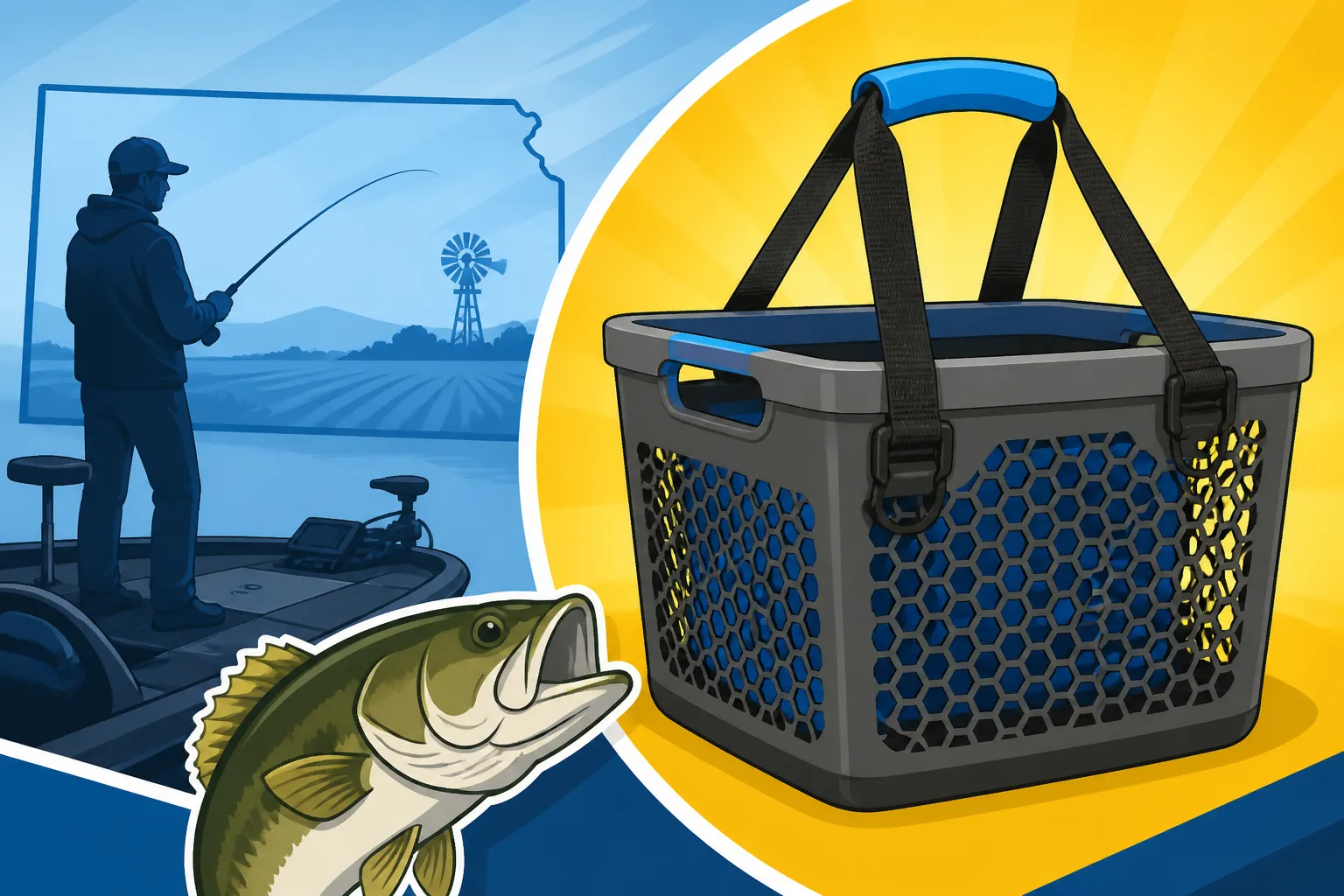
- Rubberized Mesh: A newer option is baskets made from rubberized or silicone-coated mesh. These are much gentler on fish, reducing scale loss and fin damage significantly. The rubber material is also resistant to odors and easy to clean. While often more expensive, their fish-friendly nature makes them a top choice for serious catch-and-release tournaments. They're also less likely to scratch your boat's gel coat.
- Rigid Plastic: Some baskets incorporate rigid plastic frames or even a mostly plastic construction. These are extremely durable and won't rust. They often feature smoother interiors, which again, is better for the fish. The trade-off can be bulk and less natural water circulation compared to wire or mesh, but many include integrated floatation.
When considering durability, also think about the hinges, clasps, and any handles. These are often the first points of failure. Stainless steel or marine-grade plastic components will hold up best in the aquatic environment. A basket that lasts several seasons, despite being exposed to various Kansas weather patterns and rigorous tournament use, is a worthwhile investment.
Size, Shape, and Capacity
The "best" size and shape really depend on what you're fishing for and the specific tournament rules. There's no one-size-fits-all, but there are some guiding principles.
- Capacity: You need enough room for your expected catch without overcrowding. Overcrowding is a surefire way to stress fish and lead to mortalities. If you're targeting larger species like walleye or bass, you'll need a larger basket than if you're primarily after panfish. Consider the maximum number of fish allowed in your tournament and size your basket accordingly, always erring on the side of slightly larger. For example, if you're fishing a bass tournament on El Dorado Lake with a five-fish limit, you'll want a basket that comfortably holds five healthy bass, allowing them to swim and not just stack up.
- Shape: Rectangular or cylindrical shapes are common. Rectangular baskets often sit nicely in a boat or along a bank. Cylindrical baskets can offer more continuous water flow around the fish when floating. Look for shapes that allow fish to lie naturally without being bent or cramped. A wide opening is essential for quick, gentle placement of fish. Some baskets feature a wide, flat bottom which helps fish maintain their upright position, further reducing stress.
- Depth: Deeper baskets are generally better as they keep fish submerged more fully and provide more vertical swimming room. Shallow baskets can expose fish to too much surface interaction or make it easier for them to jump out. The depth should allow fish to be fully underwater even if the basket is only partially submerged, which can happen if you're bank fishing or in a shallow current.
Think about how you'll be using the basket. A kayak angler on the Kansas River might prefer a collapsible, space-saving design, while someone fishing from a larger boat might prioritize a robust, high-capacity model. You can often find a wide variety of sizes and shapes online through retailers like Amazon.
Fish Care Features and Aeration Compatibility
Beyond just holding fish, the best baskets are designed with fish well-being explicitly in mind. These features can be the difference between a lively weigh-in and a disappointing one.
- Smooth Interior Surfaces: Any rough edges, sharp wires, or abrasive surfaces can quickly strip a fish of its protective slime coat and scales, making it vulnerable to disease and stress. Look for baskets with smooth interiors, whether it's a thick vinyl coating, rubberized mesh, or polished plastic. This seemingly small detail is paramount for fish health.
- Floating Capability: Most tournament fish baskets are designed to float, keeping your catch submerged in fresh water. This is critical for maintaining oxygen levels and temperature. Some baskets might have integrated floats, while others rely on their construction material to stay buoyant. Ensure the floatation is robust enough to keep the basket from sinking, even with a full load of fish.
- Lid Security: A secure, easy-to-operate lid is essential to prevent fish from jumping out, especially lively species like white bass or wipers. Latches should be strong but simple enough to open quickly with one hand when you're ready to add or remove a fish.
- Aeration Compatibility: For longer tournament days, especially in warmer Kansas waters, supplemental aeration can be a lifesaver. Some baskets are designed with small holes or attachment points for portable aerators or bubblers. While not all baskets will accommodate this directly, those that do offer a significant advantage for keeping fish oxygenated and active. Even a simple battery-powered aerator, hooked over the side of the basket, can pump in vital oxygen, much like a boat's built-in livewell. This is particularly important when fishing for species that are sensitive to low oxygen levels or during periods of high water temperature.
Types of Fish Baskets and Their Best Use Cases
When it comes to fish baskets, there isn't a single "best" option. Your ideal choice really depends on your fishing style, the species you target, and the tournament conditions you typically face. Let's explore the common types and where they shine.
Floating Wire Baskets
These are perhaps the most classic and recognizable style of fish basket. Typically made from galvanized or vinyl-coated wire, they usually feature a hinged lid and often a spring-loaded bottom for easy fish release. They're designed to float, keeping your catch submerged in the water.
- Pros:
- Cost-effective: Generally the most affordable option, making them accessible for casual anglers or those on a budget.
- Excellent Water Flow: The open wire construction allows for superb water circulation, keeping fresh, oxygenated water flowing through the basket naturally as it sits in the lake or river.
- Lightweight: Easy to carry and maneuver, especially when empty.
- Simple to Use: Just open the top, put the fish in, close it, and let it float.
- Cons:
- Can Be Hard on Fish: The rigid wire, even when coated, can rub off scales and damage fins, especially with larger or more active fish. This increases stress and reduces survival rates.
- Visibility: Fish can sometimes get tangled or stressed by seeing out through the wires, or by being seen by predators.
- Less Secure: A determined fish, especially a larger one, might find a way to escape or damage the basket's integrity.
- Best Use Cases: Floating wire baskets are excellent for shorter fishing trips or tournaments targeting smaller, hardier species like bluegill or crappie, especially if you plan on consuming the fish relatively soon. They are often a good choice for bank anglers or those fishing from small boats where space is a premium and a traditional livewell isn't an option. They also work well for Kansas Community Fishing Lake Rules where you might be keeping panfish for a family meal.
Collapsible Mesh or Rubberized Baskets
These baskets represent a significant step up in fish care compared to traditional wire. They prioritize gentle handling and often offer improved portability.
- Pros:
- Gentler on Fish: The soft, rubberized mesh or fine nylon netting significantly reduces scale loss, fin damage, and overall stress, leading to higher survival rates for catch-and-release.
- Space-Saving: Many models collapse flat or fold down, making them ideal for kayak anglers, small boats, or anyone with limited storage space. This is a huge benefit for those fishing from a kayak on the Kansas River or a small john boat on a state fishing lake.
- Easy to Clean and Odor Resistant: The non-porous nature of rubberized materials means they don't absorb odors and are simple to rinse clean.
- Better Privacy for Fish: The denser mesh offers fish a more enclosed, calmer environment, reducing visual stress.
- Cons:
- Less Rigid: Without a rigid frame, some might need to be supported or may not hold their shape perfectly when full, potentially creating cramped conditions if not designed well.
- Can Be More Expensive: The specialized materials and design often come with a higher price tag than basic wire baskets.
- Best Use Cases: These baskets are a fantastic choice for competitive anglers who prioritize fish health and live release. If you're fishing a bass tournament on Clinton Lake or a walleye event on Wilson Lake where every fish counts and live release is paramount, these are often the go-to. Kayak anglers will particularly appreciate their collapsible nature and fish-friendly design. Retailers like Bass Pro Shops and Amazon offer a wide selection of these modern basket types. They are perfect for scenarios where you need to hold fish for several hours, ensuring they remain active and healthy for the weigh-in and subsequent release.
Hard Plastic or Hybrid Livewells/Baskets
At the more robust end of the spectrum, some tournament anglers opt for larger, more integrated systems that blur the line between a traditional basket and a portable livewell. These are often used when a boat doesn't have a built-in livewell or when supplemental capacity is needed.
- Pros:
- Maximum Protection: The rigid walls offer superior protection against physical trauma and external impacts.
- Integrated Aeration (often): Many of these units come with built-in aerators or are designed to be easily compatible with external aeration systems, ensuring optimal oxygen levels for extended periods. This is vital for keeping delicate fish like striped bass or wipers healthy during long weigh-in lines.
- Temperature Stability: Thicker plastic walls can help insulate the water, providing more stable temperatures for your fish, which is crucial during both the heat of summer and the chillier shoulder seasons.
- High Capacity: These are often larger and can comfortably hold more or bigger fish.
- Cons:
- Bulky and Heavy: Their size and rigid construction make them less portable and take up more space, which can be an issue in smaller boats.
- More Expensive: These are typically the most significant investment compared to other basket types.
- Requires Power: If they include aeration, they'll need a power source (usually a 12V battery), adding to your gear setup.
- Best Use Cases: These systems are ideal for serious tournament anglers with larger boats that might lack an adequate built-in livewell, or for those who participate in multi-day events. If you're targeting big channel catfish or flathead catfish on the Kansas River and need to hold them for an extended period, or if you're frequently fishing for species like wipers in large reservoirs, this type of system provides the best chance for fish survival and success. They offer the closest experience to a full boat livewell without the permanent installation.
Practical Tips for Using Your Fish Basket in Kansas Tournaments
Having the best fish basket is only half the battle; knowing how to use and care for it effectively is equally important. Proper management ensures your investment pays off and, more importantly, keeps your tournament catches healthy.
Pre-Tournament Prep and Maintenance
A little effort before you hit the water can prevent big headaches during the heat of competition. Think of your fish basket as critical equipment, just like your rods and reels.
Before every tournament, give your fish basket a thorough inspection. Check for any sharp edges, broken wires, or frayed mesh that could harm your fish. If you have a coated wire basket, look for any chips or cracks in the coating that might expose bare metal and lead to rust or scrapes. Ensure all hinges, latches, and flotation devices are in good working order. There’s nothing worse than getting to the lake and finding your basket won't stay closed or is taking on water.
Clean your basket meticulously after every use. Use a mild soap and thoroughly rinse it, allowing it to air dry completely before storing. This prevents the buildup of bacteria, slime, and odors that can stress future catches or attract unwanted pests. Practicing deployment and retrieval, especially with a new basket, can also save precious seconds during the tournament when you're under pressure. For those who frequently participate in tournaments, having a routine checklist for your gear, including your basket, can be incredibly helpful. This ensures you're ready for anything the Kansas waters throw at you.
During the Tournament: Placement and Handling
Once you're on the water, how you use your fish basket can directly impact the health of your catch. Proper placement and gentle handling are key to ensuring fish stay lively.
Always place your fish basket in the water immediately upon catching a fish. Delaying this can cause undue stress. Choose a location that offers good water circulation and ideally, some shade. In the scorching Kansas summer, keeping fish out of direct sunlight can dramatically reduce water temperature fluctuations within the basket, minimizing thermal shock. If you're bank fishing, try to anchor the basket in a spot with a slight current or deeper, cooler water. For boat anglers, consider placing it off the shaded side of the boat, away from the prop wash.
When transferring a fish to the basket, do so as gently and quickly as possible. Avoid dropping fish from a height. If you're using a net, keep the fish in the net and immerse both the net and the fish into the basket to allow for a smooth slide-out. Never overcrowd your basket; if you anticipate a heavy catch, consider having a secondary basket or upgrading to a larger capacity. If a fish is struggling, consider adding a small, battery-powered aerator to the basket to boost oxygen levels. Remember, even a minute or two of careful handling can drastically improve a fish's chances of survival. This gentle approach is crucial for complying with Kansas Fishing Law Enforcement and Penalties regarding humane treatment of fish.
Post-Tournament Care
After the weigh-in, your job isn't quite done. Proper post-tournament care of your basket ensures it's ready for your next outing and remains in top condition.
Once the fish are released (and hopefully, you've won!), it's time to clean your basket thoroughly. Remove any debris, leaves, or remaining slime. A good scrub with a brush and a mild, environmentally friendly soap will do wonders. Pay special attention to corners and seams where gunk might accumulate. Rinse the basket extensively to remove all soap residue.
After cleaning, it's crucial to let the basket air dry completely before storing it. Hanging it up in a well-ventilated area will prevent mildew, rust, and unpleasant odors. Storing a damp basket can lead to material degradation and a nasty smell that will greet you on your next trip. If your basket is collapsible, ensure it's fully dry before folding it down. Store it in a cool, dry place away from direct sunlight, which can degrade plastic and rubber materials over time. Taking these simple steps extends the life of your fish basket and ensures it’s hygienic and ready to go for your next Kansas fishing adventure, whether you're targeting Kansas Walleye Fishing Techniques or Kansas Catfish Fishing Techniques.
Fish Basket Comparison Table
To help you visualize the different types of fish baskets and their typical characteristics, here's a quick comparison:
| Feature | Floating Wire Basket | Collapsible Mesh/Rubberized Basket | Hard Plastic/Hybrid Livewell |
|---|---|---|---|
| Cost | Low | Medium-High | High |
| Fish Stress | High | Low | Very Low |
| Durability | Medium (coating dependent) | Medium-High | High |
| Portability | High | Very High | Low (bulky) |
| Water Flow | Excellent | Good | Variable (often forced) |
| Aeration Comp. | Low (external only) | Medium (external possible) | High (often integrated) |
| Storage | Easy | Very Easy (folds flat) | Challenging (bulky) |
| Best For | Casual use, small fish, budget anglers, short-term holding | Tournament anglers, kayak fishing, catch & release | Serious tournament anglers, larger boats, extended holding |
Disclaimer
This article is for general informational purposes only and does not constitute professional advice. Laws, prices and regulations vary by location and change over time. Consult a qualified professional for guidance on your specific situation.