Best Rod and Reel Combo for Catfish
Ah, the quest for the perfect catfish rod and reel combo! It's a journey many of us Kansas anglers have been on, and it can feel like navigating a maze of conflicting advice and endless options. You want something that can handle the sheer power of a big flathead, the scrappy fight of a channel cat, and the relentless pull of a blue, without breaking the bank or your back. This guide is here to cut through the noise and help you piece together a catfish combo that truly works for the diverse fishing scenarios we encounter across the Sunflower State, ensuring you're ready for whatever monster lurks beneath the surface.
Why Your Catfish Combo Matters: Beyond Just a Stick and String
It's easy to think, "A rod's a rod, and a reel's a reel, right?" But when you're battling a stubborn blue cat or trying to haul a hefty flathead out of submerged timber, the nuances of your equipment make all the difference. The right rod and reel combo isn't just about catching fish; it's about control, comfort, and ultimately, your enjoyment on the water.
The Battle for Control: Matching Gear to Fish
Imagine hooking into a twenty-pound blue cat on a flimsy panfish rod. It'd be an epic fight, sure, but likely a short one for the fish and a frustrating one for you. Catfish, especially the bigger species we have in Kansas, are powerful adversaries. Kansas Catfish Species Guide details these species and their fighting characteristics. Channel cats are known for their strong runs and headshakes, while blue cats are simply bulldozers, and flatheads are masters of brute strength, often trying to burrow into structure. Your rod needs enough backbone (power) to turn their head and steer them away from snags, and your reel needs a smooth, reliable drag system to let them run without snapping your line. Without the proper match, you're not just fishing; you're just hoping, and hope doesn't land many trophy cats.
Choosing the right combination of rod power and reel drag isn't about overpowering the fish; it's about achieving a balance that allows you to manage the fight effectively. Too light, and you'll be endlessly chasing the fish around the lake or river, risking line breaks and exhausted fish that may not survive release. Too heavy, and you lose the sport, feeling nothing but a dead weight on the end of your line, which isn't much fun either. It's about finding that sweet spot where you feel the fight, but you also feel confident you can bring that fish to the net.
Comfort and Fatigue: Enjoying Your Time on the Water
Let's be honest, catfish fishing often involves long hours, sometimes through the night, holding onto a rod that could suddenly come alive. A heavy, poorly balanced combo can quickly lead to fatigue, sore shoulders, and overall discomfort. Nobody wants to spend their evening on the water feeling like they're lifting weights. This is where ergonomics and balance come into play. A rod that feels good in your hand, with a reel that sits nicely on the seat, can make those long waits much more bearable.
Consider how you fish. Are you constantly casting and retrieving from the bank, or are you sitting in a boat with rods in holders, waiting for that tell-tale dip? For active casting, a lighter, more balanced setup will prevent arm strain. For set-line fishing, where the rod primarily sits in a holder, durability and line capacity might take precedence over a featherlight feel. Finding a combo that fits your preferred style minimizes physical strain and maximizes the pure joy of being out there, waiting for that glorious bend in your rod. After all, fishing is supposed to be relaxing, even when you're wrestling a giant!
Decoding Rod Specifications for Catfish
When you're staring at a wall of fishing rods, the jargon can be overwhelming. "Power," "action," "modulus"—what does it all mean for catching catfish? Understanding these terms is crucial to selecting a rod that will perform the way you need it to, whether you're targeting a modest channel cat or an absolute monster blue.
Understanding Rod Power: From Medium to Heavy
Rod power, sometimes called "weight," refers to how much force it takes to bend the rod. Think of it as the rod's lifting strength. For catfish, you'll generally want something with a good amount of backbone.
- Medium Power (M): Great for smaller channel cats, especially when you're fishing with lighter baits and don't expect to encounter anything over 10-15 pounds. It offers more sensitivity for feeling those delicate bites, which can be crucial on slower days. A medium-power rod might be paired with a Kansas Crappie Minimum Length Limit of 10 Inches setup for instance, but for catfish, it's really at the lower end of the spectrum for smaller fish.
- Medium-Heavy Power (MH): This is the sweet spot for many Kansas catfishermen. It's versatile enough to handle most channel cats, smaller blue cats, and even modest flatheads. It provides enough leverage to set the hook firmly and muscle fish away from light cover, without feeling overly stiff. If you're looking for an all-around rod, this is often the way to go.
- Heavy Power (H): When you're specifically targeting trophy blue cats in large reservoirs like Milford Lake or Tuttle Creek Lake, or tackling big flatheads in dense cover along the Kansas River, a heavy power rod is your best friend. Kansas River Catfish Spots often hold some true giants. These rods are designed to absorb serious abuse and give you the leverage needed to turn a big fish and pull it from heavy snags. They might not offer the most finesse, but for sheer pulling power, they're unmatched.
- Extra-Heavy Power (XH): These are the absolute beasts, often reserved for extreme trophy hunting or specific methods like snookering really large flatheads. They are incredibly stiff and designed for maximum lifting power. Unless you're specifically going for a state record, heavy power is usually sufficient, but for those truly enormous fish, an extra-heavy rod can provide that extra insurance.
The Role of Rod Length: Casting Distance and Leverage
Rod length influences casting distance, accuracy, and leverage during a fight. There's a trade-off to consider based on your fishing style and location.
- Shorter Rods (6 to 7 feet): These are easier to handle in tight spaces, like fishing from a smaller boat or in brushy bank spots. They offer good leverage for close-quarters battles, allowing you to quickly muscle a fish away from snags. If you're fishing from the bank in Kansas and space is limited, a shorter rod can be an advantage. However, your casting distance will be more limited.
- Medium-Length Rods (7 to 8 feet): This range is arguably the most popular for catfish anglers. They offer a great balance of casting distance and fish-fighting leverage. You can still cast a good distance to reach those deeper holes or distant channels, and you'll have ample power to control a fighting fish. This length works well for both bank and boat fishing scenarios across many Kansas waters.
- Longer Rods (8 to 10+ feet): If you need maximum casting distance, especially from the bank, or if you're using multiple rod holders and need to spread your lines out, longer rods shine. They excel at launching heavy baits a long way, and the extra length provides additional leverage to keep big fish out of snags. However, they can be cumbersome to transport and handle in tight spots, so think about your primary fishing locations before committing to a very long rod. For example, if you're fishing a wide-open area like Cheney Reservoir, a longer rod could be beneficial for covering more water.
Fast, Moderate, or Slow: Choosing the Right Rod Action
Rod "action" describes where the rod bends when pressure is applied. This impacts sensitivity, hook-setting power, and how the rod handles the stress of a fighting fish.
- Fast Action: The rod bends mostly in the tip section. This provides maximum sensitivity, allowing you to feel even the lightest taps. It also offers excellent hook-setting power, as the strong backbone quickly transfers energy to the hook. Many anglers prefer fast action for channel cats, where subtle bites are common. However, a fast-action rod can sometimes pull the hook out of a soft-mouthed fish if you set it too hard, and it might not absorb the shock of a sudden head shake from a really big blue cat as well as a more moderate action rod.
- Moderate (or Medium) Action: The rod bends through the upper half to two-thirds of its length. This action is a fantastic choice for overall catfish fishing. It provides a good balance of sensitivity and forgiveness. The moderate bend helps absorb sudden shocks during a fight, reducing the chance of line breaks or pulling hooks. It's also excellent for casting baits and sinkers of varying weights. Many commercially available "catfish specific" rods will fall into this category.
- Slow (or Parabolic) Action: The rod bends almost from the handle. While less common for modern catfishing, slow-action rods are very forgiving and excel at casting lighter baits over longer distances. They absorb immense shock, making them less likely to break line on powerful runs. However, they offer less hook-setting power and can feel a bit "noodle-like" when trying to control a large fish near cover. They might be better suited for more relaxed, patient fishing styles with smaller fish.
Material Matters: Fiberglass, Graphite, and Composites
The material your rod is made from significantly affects its weight, sensitivity, durability, and cost.
- Fiberglass Rods: These are known for their incredible durability and toughness. They are generally heavier and less sensitive than graphite rods but are very forgiving, absorbing shocks well. Fiberglass rods are often a go-to for heavy catfishing, especially when you're using large cut baits and targeting monster fish that demand brute strength. They are also typically more affordable.
- Graphite Rods: Graphite offers superior sensitivity and lighter weight. You can feel even the most subtle bites, which is a huge advantage when fish are finicky. However, graphite can be more brittle than fiberglass and more prone to snapping under extreme stress or impact. High-quality graphite rods are often more expensive but offer an excellent balance of power and sensitivity. For finesse catfishing or when you really want to feel every bump, graphite is a great choice.
- Composite Rods: Many modern catfish rods are made from composite materials, blending fiberglass and graphite. This aims to combine the best attributes of both: the strength and durability of fiberglass with some of the sensitivity and lighter weight of graphite. These rods offer a fantastic middle ground and are often an excellent choice for a versatile catfish combo, providing a good blend of power, feel, and resilience.
Selecting the Perfect Catfish Reel
The reel is your engine, storing your line and allowing you to retrieve your catch. For catfish, this engine needs to be robust, reliable, and capable of handling significant strain. Two main types dominate the catfishing scene: spinning reels and baitcasting reels.
Spinning Reels vs. Baitcasting Reels: The Great Debate
Each reel type has its dedicated fans and its specific advantages.
- Spinning Reels: These are typically easier for beginners to learn, as they are less prone to backlashes. They are versatile, capable of casting lighter baits (like small cut pieces or worms) and are generally good for all-around fishing from the bank or a boat. For many anglers, a good quality spinning reel in a 5000-8000 series size, paired with a medium-heavy rod, is an excellent all-purpose Best Rod and Reel Combo for Catfish for various scenarios. They are especially useful for tossing lighter presentations for channel catfish or smaller blues. You can find reliable spinning reels at places like Bass Pro Shops or through online retailers like Amazon.
- Baitcasting Reels: Often preferred by experienced catfishermen, baitcasting reels offer superior power, torque, and pinpoint casting accuracy, especially with heavier baits. They are designed to handle larger diameter lines and put more pressure on big fish. While they have a steeper learning curve (backlashes are common if not spooled or cast correctly), their raw strength and control make them ideal for trophy blue and flathead catfishing. When you're trying to pull a Kansas State Record Catfish out of a snag, a baitcaster's leverage is invaluable. They also generally have stronger drag systems.
The Importance of a Robust Drag System
The drag system is perhaps the most critical component of your reel for catfishing. It's what allows line to pay out under tension, preventing it from snapping when a big fish makes a powerful run. A smooth, consistent drag is non-negotiable for catfishing.
- Smoothness: The drag should engage smoothly without stuttering or sticking. A jerky drag can cause sudden pressure spikes on your line, leading to breaks, especially with powerful catfish.
- Consistency: The drag setting should remain consistent throughout the fight, not tightening or loosening unexpectedly.
- Maximum Drag: Look for a reel with a high maximum drag rating, especially if you're targeting big blues or flatheads. While you likely won't fish at maximum drag all the time, having that reserve power is reassuring when a monster decides to make a break for it.
- Carbon Fiber vs. Felt Washers: Many high-quality reels use carbon fiber drag washers, which provide excellent heat dissipation and a very smooth, consistent drag. Cheaper reels often use felt washers, which can also be effective but may wear out faster or become less smooth under heavy use.
Gear Ratios and Line Capacity: What You Need to Know
These two specifications dictate how much line you can store and how quickly you can retrieve it.
- Gear Ratio: This indicates how many times the spool rotates with one turn of the handle.
- Lower Ratios (e.g., 4.1:1 to 5.2:1): These are "power" ratios. Each turn of the handle brings in less line but provides more torque, making it easier to crank in heavy weights or battle large, stubborn fish. This is often preferred for heavy-duty catfishing where brute force is more important than speed.
- Higher Ratios (e.g., 6.1:1 to 7.1:1): These are "speed" ratios. They retrieve line much faster, which can be useful for quickly checking baits, re-casting, or picking up slack when a fish charges you. While less common for dedicated trophy catfishing, a mid-range ratio can offer a good balance for general-purpose use. For instance, a medium ratio might be similar to what you'd see in a Best Rod and Reel Combo for Walleye setup, which also often requires a balance of power and speed.
- Line Capacity: This tells you how much line of a certain diameter the reel can hold. For catfishing, especially when targeting larger species, you want ample line capacity. A long run from a big blue cat in an open Kansas reservoir can strip a lot of line in a hurry. Look for reels that can comfortably hold at least 150-200 yards of your preferred line strength. For heavy blue cat and flathead setups, even more capacity is often desired.
Tailoring Combos to Kansas Catfish Species and Methods
Kansas is blessed with fantastic catfishing, offering chances to hook into channel cats, blues, and flatheads. Each species, and how you choose to target them, might benefit from a slightly different rod and reel approach.
Channel Catfish: The Versatile All-Rounder Combo
Channel catfish are the most widespread and commonly targeted catfish in Kansas. They are feisty fighters for their size and can be found in almost every body of water, from small farm ponds to large reservoirs. For channel cats, versatility is key.
A fantastic all-around combo for channel catfish would be a 7 to 7.5-foot medium-heavy power, moderate-fast action rod. This rod length provides good casting distance from the bank and enough leverage to handle fish in various conditions. The medium-heavy power allows you to cast a variety of baits, from stink bait to cut shad, and still have the backbone to control a 10-15 pound channel cat. Pair this with a reliable spinning reel in the 5000-6000 series range, spooled with 15-20 pound monofilament or braided line. This setup is forgiving for beginners and effective for experienced anglers. It's robust enough for a healthy fight but still sensitive enough to detect those subtle bites. Whether you're at a Kansas Community Lake Rules pond or a flowing river, this combo will serve you well.
Blue Catfish and Flatheads: Heavy-Duty Setup for Trophy Hunting
When you're chasing the true giants—the blue cats and flatheads that can easily exceed 50 pounds in lakes like Milford or the Kansas River—you need serious gear. These fish are powerful, and they know how to use cover to their advantage. A beefier combo is essential.
For trophy blue and flathead catfish, I highly recommend an 8 to 9-foot heavy or extra-heavy power rod with a moderate-fast to fast action. The extra length helps with long casts for big live baits and provides crucial leverage to pull these strong fish away from timber or rocky snags. The heavy power ensures you can truly lean into a fish without fear of the rod giving out. Pair this rod with a robust baitcasting reel in a 6000-8000 size (or even larger, depending on the brand), boasting a powerful, smooth drag system and a lower gear ratio for maximum cranking power. Spool it with 50-80 pound braided line, which offers incredible strength and sensitivity. This setup is built for battle, giving you the confidence to tackle anything from a 30-pound blue to a record-breaking flathead. For specific techniques, consider consulting resources like Kansas Flathead Catfish Daily Limit for regulations on these impressive fish.
Bank Fishing vs. Boat Fishing: Adapting Your Gear
Your fishing platform also influences your ideal combo.
- Bank Fishing: If you primarily fish from the bank, casting distance is often a priority. Longer rods (8 to 10+ feet) can help you reach deeper channels or structure further from shore. You might also want a rod that's comfortable to hold for extended periods or stands up well in a rod holder. Portability can be a concern with longer rods, so consider two-piece models if space is an issue. When fishing areas like Best Bank Fishing Spots at Cheney Reservoir, a longer rod can really help cover water.
- Boat Fishing: From a boat, casting distance might be less critical, as you can position yourself directly over structure or deeper holes. Shorter rods (6.5 to 7.5 feet) can be more maneuverable in a boat, especially if you're navigating around other anglers or boat equipment. However, if you're trolling or drifting with multiple rods, longer rods can still be beneficial for spreading lines and preventing tangles. Regardless of length, having a strong rod with good backbone is important for pulling fish out of structure directly beneath the boat.
Line, Rigs, and Accessories: Completing Your Catfish Arsenal
Having the perfect rod and reel is only half the battle. Your choice of fishing line, the way you rig your bait, and a few essential accessories truly complete your catfish setup, ensuring you're ready for action from the moment you hit the water.
Choosing the Right Line: Strength, Visibility, and Sensitivity
The line is the direct connection between you and the fish, so choosing wisely is paramount. Each type of line has distinct advantages for catfishing.
- Monofilament (Mono): This is a classic for a reason. Mono is relatively inexpensive, has good knot strength, and offers stretch, which can act as a shock absorber during violent headshakes, preventing hooks from tearing out or lines from snapping. It's also more abrasion-resistant than many might think. For channel catfishing with spinning reels, 15-25 pound test mono is a solid choice. However, its stretch means less sensitivity, and it can retain "memory," leading to coils on the spool.
- Braided Line: Braided line has virtually no stretch, offering incredible sensitivity. You'll feel every bump, tap, and subtle movement, which is a huge advantage when bites are light or when fishing in current. It's also exceptionally strong for its diameter, allowing you to spool heavier test lines without sacrificing capacity. For trophy blue and flathead fishing, 50-80 pound test braid is almost standard. The lack of stretch also provides tremendous hook-setting power and helps pull stubborn fish out of heavy cover. However, braid can be more expensive, less abrasion-resistant against sharp objects (like zebra mussels or rocks), and can sometimes "dig in" on the spool of a baitcaster if not spooled correctly. If you're using braid, a leader of monofilament or fluorocarbon is often recommended. Best Braided Line for Catfish Rigs can give you more insights.
- Fluorocarbon: Fluorocarbon is practically invisible underwater, which can be an advantage in clear water or for wary fish. It has less stretch than mono, providing better sensitivity, but more stretch than braid, offering some shock absorption. It's highly abrasion-resistant. Often, fluorocarbon is used as a leader material (30-60 pound test) with a braided main line, combining the best aspects of both. While full spools of fluorocarbon are available, they tend to be very expensive for the heavier test required for catfishing.
Essential Rigs for Successful Catfishing in Kansas
Understanding a few basic rigs will cover most of your catfishing needs across Kansas.
- Santee Cooper Rig: This rig is excellent for presenting cut bait or live bait off the bottom, preventing it from getting buried in silt or weeds. It uses a three-way swivel, with your main line tied to one eye, a sinker (like a flat no-roll or bell sinker) on a short leader from another eye, and your hook on a longer leader (12-24 inches) from the third eye. This allows the bait to float tantalizingly above the bottom, making it easily visible to cruising catfish.
- Slip Sinker Rig (Carolina Rig): The ubiquitous slip sinker rig is a staple for catfishing. It consists of a slip sinker (like an egg sinker or no-roll sinker) threaded onto your main line, followed by a bead (to protect your knot), a swivel, and then a leader (12-24 inches) with your hook. This rig allows the fish to pick up the bait and run with it without feeling the weight of the sinker, leading to more confident bites. It's a fantastic rig for targeting channel cats and is very effective with worms, stink baits, or small chunks of cut bait. For more details, check out Best Slip Sinker Rig for Catfish.
- Three-Way Swivel Rig: Similar to the Santee Cooper, but often used in current. Your main line goes to one eye, a heavy sinker on a short dropper line (6-12 inches) to the second eye, and your hook on a longer leader (18-36 inches) to the third. This keeps your bait stable in current while still allowing it to drift naturally. This is a common choice when targeting bigger blue cats in river systems.
For hooks, circle hooks are highly recommended for catfishing. They are designed to hook fish in the corner of the mouth, leading to fewer gut hooks, which improves the chances of successful release, especially important for trophy fish. Use an appropriate size for your bait; often, 6/0 to 10/0 are common sizes. Best Circle Hooks for Catfish offers more information.
Must-Have Accessories for Any Catfish Angler
Beyond the rod, reel, and line, a few other items are essential for a successful and enjoyable catfishing trip.
- Rod Holders: Whether you're fishing from the bank or a boat, sturdy rod holders are crucial. They protect your expensive combo and ensure your rod stays put when a big cat hits. Look for robust holders that can withstand powerful strikes and are securely anchored.
- Heavy-Duty Net or Gripper: Landing a large catfish, especially a big flathead, can be tricky. A large, rubber-coated landing net (to protect the fish's slime coat) or a strong lip gripper (like a BogaGrip or similar tool) is invaluable for safely securing your catch. For very large flatheads, a sturdy pair of gloves is also a good idea. Consider the size recommendations in Best Landing Net Size for Trophy Flathead Catfish.
- Pliers/Hook Remover: Catfish have powerful jaws, and circle hooks can be deeply set. A good pair of long-nose pliers or a dedicated hook remover will make unhooking safer for both you and the fish.
- Headlamp/Lantern: Catfish often bite best at night. A reliable headlamp allows you to tie knots, rig baits, and navigate safely, while a lantern can illuminate your general fishing area. Best Lantern for Night Fishing on Kansas Lakes offers great suggestions.
- Cooler: For keeping your bait fresh and for storing any fish you plan to keep. A quality cooler will make a big difference in the longevity of your bait on hot Kansas summer days.
- First Aid Kit: Accidents happen. A basic first aid kit with band-aids, antiseptic wipes, and pain relievers is always a smart addition to your fishing gear.
Where to Find and What to Expect When Buying
Now that you have a better idea of what you're looking for, the next step is actually acquiring your new catfish combo. You have a few main avenues, each with its own advantages.
Exploring Your Options: Online vs. Local Shops
Both online retailers and local tackle shops offer distinct benefits when purchasing fishing gear.
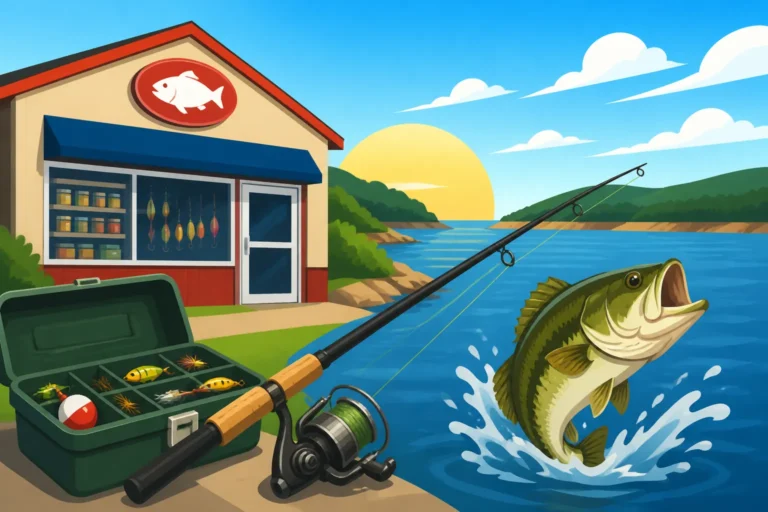
- Local Tackle Shops: These are often goldmines of local knowledge. The staff can provide tailored recommendations based on the specific lakes and rivers in your area, what fish are biting, and what gear is performing well locally. You can physically hold the rods and reels, get a feel for their balance, weight, and action, which is invaluable. Plus, you're supporting a local business that often contributes to the local fishing community. Building a relationship with a good local shop means you'll have a trusted resource for advice, repairs, and the latest hot tips. You might even discover some Best Live Bait for Kansas Channel Catfish options directly from them.
- Online Retailers: Sites like Amazon and large outdoor chains such as Bass Pro Shops offer an immense selection, competitive pricing, and the convenience of shopping from home. You can often find a wider variety of brands and specific models online that might not be stocked by smaller local shops. Customer reviews can also provide valuable insights into a product's real-world performance. However, you lose the ability to physically inspect the gear before buying, and getting personalized advice can be challenging. Always read return policies carefully when buying online, just in case the combo doesn't feel right once it arrives.
Setting a Budget and Smart Shopping Tips
Fishing gear can range from incredibly affordable to surprisingly expensive. Setting a realistic budget upfront will help you narrow down your choices.
- Budgeting: For a decent entry-level or general-purpose catfish combo, you can often find suitable options in the mid-range. As you move into more specialized, heavy-duty gear for trophy hunting, the price tag naturally increases. Remember, you don't need the absolute top-of-the-line gear to catch fish, but investing in quality components, especially a reliable reel, will pay dividends in durability and performance. Consider your frequency of use and the size of fish you realistically expect to encounter most often.
- Matching Components: When buying a combo (rod and reel together), the manufacturer has typically done the work of matching the power, action, and reel size for optimal performance. If you're buying separate components, ensure they are well-matched. A heavy power rod needs a reel with sufficient line capacity and drag to balance it out, and vice-versa.
- Check for Sales: Keep an eye out for seasonal sales, especially around holidays or during the off-season. This is a great way to snag quality gear at a reduced price, both online and in brick-and-mortar stores.
- Read Reviews: Whether buying online or in-store, check product reviews from other anglers. Pay attention to comments about durability, drag performance, and how the combo handles big fish. This real-world feedback can be incredibly helpful in making your final decision.
- Don't Forget the Line: Factor the cost of quality fishing line into your budget. A great rod and reel are only as good as the line connecting you to the fish!
Choosing the best rod and reel combo for catfish in Kansas is a personal journey, but armed with this knowledge, you're well on your way to making an informed decision that will lead to many successful and memorable days (and nights!) on the water.
Disclaimer
This article is for general informational purposes only and does not constitute professional advice. Laws, prices and regulations vary by location and change over time. Consult a qualified professional for guidance on your specific situation.