Kansas Boating Safety Equipment Requirements
Oh, the open water! There’s nothing quite like the feeling of heading out on a Kansas lake or river, whether you’re chasing a trophy walleye on Milford Lake or just enjoying a peaceful afternoon crappie fishing. But before you cast off, there's that nagging thought about all the rules and gear you should have. It can feel overwhelming trying to keep track of what's absolutely required for safe boating and what's just a good idea. Don't worry, friend; this guide is here to untangle all those Kansas boating safety equipment requirements so you can enjoy your time on the water with confidence and peace of mind.
The Foundation of Safety: Essential Gear for Every Boat
When you're out on the water, whether it's the vast expanse of Cheney Reservoir or a smaller, winding section of the Kansas River, certain pieces of equipment aren't just suggestions – they're the bedrock of your safety. For many of us, this is where the real headaches begin, trying to figure out exactly what kind of life jacket or signal device is needed for our particular craft. Let's break down the absolute must-haves that every Kansas boater needs to be aware of.
Personal Flotation Devices PFDs Your First Line of Defense
Let's be real, nobody wants to wear a bulky life jacket all day, especially on a hot Kansas summer afternoon. But PFDs, or personal flotation devices, are absolutely non-negotiable. They are truly your first line of defense in an unexpected situation, like a sudden capsize or someone falling overboard. The Kansas regulations are quite clear: you need to have enough approved PFDs on board for every person on your vessel.
Now, here's where it gets a little more specific. All children under the age of 12 must wear a U.S. Coast Guard-approved PFD at all times when on board any vessel that is underway. This isn't just a suggestion; it's a critical safety law, and for good reason. Accidents happen fast, and little ones need that immediate protection. For adults, the rule is generally to have a PFD readily accessible, though wearing it is always the safest option. Just imagine trying to dig one out of a storage compartment in a sudden emergency – it's practically impossible. We cover all the ins and outs in our detailed Kansas Life Jacket and Boating Safety Guide.
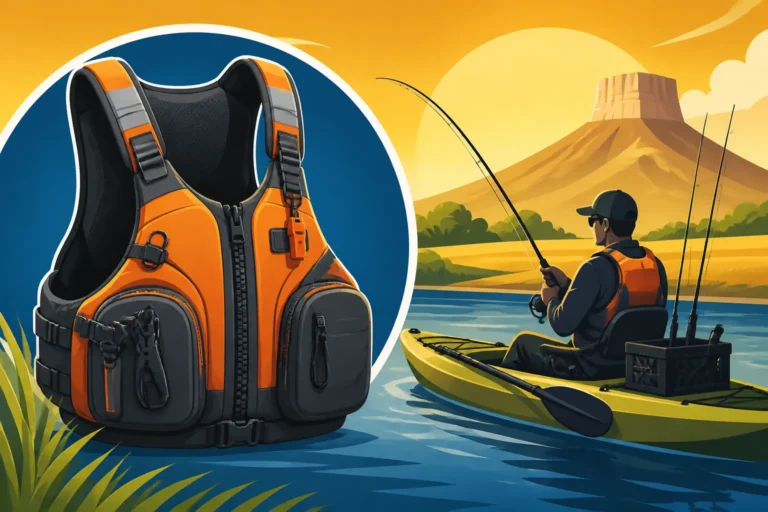
Beyond just having them, it's crucial to understand the different types of PFDs. Type I vests are for offshore use, offering maximum flotation and designed to turn an unconscious person face up. Type II are nearshore buoyant vests, still good but less turning ability. Type III are flotation aids, like the popular vests you often see, comfortable for continuous wear but might not turn you face up. Type IV are throwable devices, like a cushion or ring buoy, meant to be thrown to someone in distress. And Type V are special use devices, like those for waterskiing or kayaking, that are only approved for their specific activity. Make sure the PFDs you have are the right type for your activity and, critically, that they fit properly. A PFD that's too big can slip off, and one that's too small won't provide enough flotation. You can find a wide range of PFDs at local retailers and online from places like Bass Pro Shops, ensuring you have the right fit for everyone on your boat.
Visual Distress Signals VDS When Help is Needed
Picture this: you're out on a large reservoir like Wilson Lake, and suddenly your engine dies. No cell signal, no other boats in sight. How do you signal for help? That's where Visual Distress Signals (VDS) come in. These aren't just for dramatic movies; they're vital tools that can literally save your life by alerting others to your predicament.
For recreational boats operating on federally controlled waters (which includes most larger lakes and reservoirs in Kansas), VDS are required. These can include flares, an orange distress flag, or a an electric distress light. If you're out between sunset and sunrise, you'll need an approved electric distress light or pyrotechnic signals. During daylight hours, either pyrotechnic signals or a distress flag will suffice. Keep in mind that pyrotechnic flares have an expiration date, so always check them before your boating season starts and replace them as needed.
While smaller boats on non-federally controlled waters might not strictly require VDS by law, it's always a smart idea to carry them. A simple orange flag or an inexpensive, battery-operated distress light can make a huge difference in an emergency. Being visible when you're in trouble is paramount, and these devices are designed to cut through the vastness of the water and sky to get attention. You can easily pick up a comprehensive VDS kit from a marine supply store or online through retailers like Amazon, making sure you're prepared for any eventuality.
Sound-Producing Devices Announcing Your Presence
Have you ever been navigating a busy channel or a foggy morning and wished you had a way to let other boaters know exactly where you are? A reliable sound-producing device is just that. It's not just about blaring a horn for fun; these devices are crucial for signaling intentions, alerting others to danger, or warning them of your presence, especially in conditions with reduced visibility.
Every vessel, from a tiny kayak to a large cruiser, is required to have some means of making a sound signal. For smaller boats, this can be as simple as a pealess whistle. For larger vessels (over 39.4 feet), a horn and a bell are generally required. The important thing is that whatever device you have, it must be audible. A weak, reedy whistle isn't going to cut it on a blustery day.
These devices are used for specific signals: a short blast means "I intend to pass you on my starboard (right) side," while two short blasts mean "I intend to pass you on my port (left) side." Five short, rapid blasts, however, are a universal danger signal. Understanding and using these signals correctly is a sign of a responsible boater. For more specific details on what your boat needs, take a look at our guide on Boat Horn and Whistle Requirements. Carrying a reliable air horn or even a good, loud whistle is a minimal investment that can provide significant safety benefits.
Fire, Fuel, and Fumes: Preventing Emergencies
There's nothing quite as terrifying as the thought of a fire breaking out on your boat, especially when you're far from shore. The combination of fuel, oil, and electrical systems in a marine environment means that vigilance and the right preventative equipment are absolutely essential. Kansas regulations take this seriously, recognizing the unique risks associated with boating.
Fire Extinguishers A Critical Safeguard
It's easy to overlook a fire extinguisher, tucked away in a locker, until you really need it. But when an engine backfires or a fuel line springs a leak, having a properly charged and accessible fire extinguisher can be the difference between a minor scare and a full-blown disaster. Fires on boats can spread incredibly quickly, consuming everything in their path.
Boats with enclosed engine compartments, permanently installed fuel tanks, or any living spaces (like galleys or sleeping areas) are typically required to carry at least one U.S. Coast Guard-approved portable fire extinguisher. The type and size of extinguisher you need will depend on the length of your vessel and the presence of these specific hazards. Generally, a B-I or B-II classification is what you'll be looking for, indicating its effectiveness against flammable liquids and electrical fires – the most common types encountered on boats.
Beyond just having one, ensure your extinguisher is inspected regularly. Check the pressure gauge to confirm it's in the green, and make sure the seal isn't broken. It should be mounted in an easily accessible location, not buried under a pile of gear. Imagine trying to find it in a smoky cabin! Investing in a good quality marine fire extinguisher is a small price to pay for such vital protection. For more in-depth information, our guide on the Fire Extinguisher Requirement for Boats is a great resource.
Ventilation Systems Keeping the Air Clear
You can't see them, you can't smell them until it's too late, but gasoline fumes are incredibly dangerous on a boat. They are heavier than air and can accumulate in enclosed spaces, creating a highly explosive environment. This is why proper ventilation systems are a critical, albeit often unseen, safety feature on many powerboats.
Boats with gasoline engines and enclosed fuel or engine compartments are required to have a functioning ventilation system. This typically includes a combination of natural ventilation (through vents and ducts) and, for larger compartments, a powered blower system. The blower is designed to purge any accumulated fumes before you start your engine. This is why you'll often hear experienced boaters say "run the blower for a few minutes" before turning the key.
Before starting your engine, especially after refueling or if your boat has been sitting for a while, always run your blower for at least four minutes. It’s a simple habit that can prevent a catastrophic explosion. Also, make sure all your vents are clear of obstructions like spiderwebs or debris. A clogged vent is a useless vent. Understanding how your boat's ventilation system works and diligently using it is a crucial part of responsible boating.
Backfire Flame Arrestors Protecting Inboard Engines
Another piece of vital equipment, especially for older or specific types of gasoline inboard engines, is the backfire flame arrestor. This might sound like a highly technical component, but its function is straightforward and incredibly important for safety.
When a gasoline engine "backfires," it means a combustion event has occurred in the intake manifold. Without a flame arrestor, these flames can escape into the engine compartment, where gasoline fumes might be present. You can probably imagine the disaster waiting to happen. A backfire flame arrestor is designed to contain these flames, preventing them from igniting any fuel vapors in the engine space.
These devices are typically mounted on the carburetor or throttle body of the engine. They must be U.S. Coast Guard-approved and kept clean and in good working order. Over time, they can become clogged with oil and dirt, reducing their effectiveness. Regular inspection and cleaning, or replacement if necessary, are important maintenance tasks. If you have an inboard gasoline engine, confirm that it's equipped with an approved flame arrestor, and ensure it's properly maintained. This simple device is a silent hero in preventing onboard fires and explosions.
Navigation and Visibility: Ensuring Safe Passage
Boating isn't just about what you carry; it's also about how well you can see and be seen, especially when the sun goes down or visibility drops. Being able to navigate safely, and ensuring other vessels can spot you, are paramount for preventing collisions and enjoying a worry-free day (or night) on the water.
Navigation Lights Guiding Your Way in the Dark
There's a certain magic to being on the water at dusk, watching the stars come out over the likes of El Dorado Lake. But with that beauty comes the responsibility of ensuring your boat is properly lit. Navigation lights aren't just for decoration; they're codified signals that tell other boaters your position, direction of travel, and even the type of vessel you are. Without them, you're essentially invisible, a danger to yourself and everyone else.
Generally, powered vessels are required to display a red light on the port (left) side, a green light on the starboard (right) side, and a white light that can be seen from all around. The white light is usually located aft (rear) or higher up as an all-around light. The specific configuration can vary slightly depending on the size and type of your boat (e.g., sailboats have slightly different requirements when under sail versus under power). These lights must be visible from a specified distance – typically one or two miles, depending on the light and vessel size.
It's a good practice to test your navigation lights before every evening outing. A burned-out bulb or a loose connection can quickly turn a peaceful night cruise into a hazardous situation. Always carry spare bulbs or fuses if your system isn't LED. Remember, even if you only plan to be out during daylight, unexpected delays can push your trip into the dark, so always be prepared.
Registration Numbers and Decals Clear Identification
Just like your car has a license plate, your boat needs clear identification. In Kansas, that means displaying your registration numbers and current decals in a very specific way. It's not just a formality; these numbers allow law enforcement to identify your vessel and are crucial in search and rescue operations or in the event of an accident.
Your Kansas registration numbers must be painted, applied as a decal, or otherwise affixed to both sides of the bow (front half) of your vessel. They need to be block characters, at least three inches high, and in a color that contrasts sharply with the background. There should also be a space or a hyphen between the letters and numbers (e.g., KS 1234 AB or KS-1234-AB). No fancy fonts or obscure placements – they need to be clear and easy to read.
In addition to the numbers, you'll also receive a validation decal with your registration. This decal needs to be displayed on the port side of the boat, usually within six inches of the registration number. This little sticker is how authorities quickly confirm your registration is current. Failing to display these correctly can lead to fines and delays. Our Kansas Boat Registration Guide and Kansas Boat Registration Cost and Renewal posts offer more comprehensive information on these requirements, ensuring you sail smoothly with your paperwork in order.
Anchors and Anchor Lines Holding Your Ground
While an anchor might not always be listed as a legally required safety item for every single boat type in Kansas, it is, without a doubt, one of the most fundamental pieces of safety and utility gear you can carry. Imagine trying to hold your position in a strong wind, or even worse, drifting helplessly towards hazards if your engine fails. An anchor is your boat's handbrake, your tie-down, and your emergency stop.
Having the right anchor for your boat's size and the type of bottom you'll encounter on Kansas lakes (be it mud, sand, or rock) is crucial. A small grapnel anchor might be fine for a kayak in calm waters, but a heavier, fluke-style anchor or a Danforth will be necessary for a larger fishing boat on a windy reservoir. Equally important is having enough anchor line – generally, you want at least 7 to 10 times the depth of the water you'll be anchoring in, plus some extra for scope. So, if you're in 20 feet of water, you'll need 140-200 feet of line, at a minimum.
Beyond simply stopping your boat, an anchor can be used in an emergency to keep your boat from drifting into dangerous areas, to hold steady while you make repairs, or even to help re-float a grounded vessel. Don't skimp on your anchor setup. Consult our guides on the Best Anchor for Reservoir Fishing and Best Anchor Rope Length for Lakes to ensure you're adequately equipped for the diverse conditions you might face while fishing in Kansas.
Communication and Emergency Preparedness
Being safe on the water isn't just about preventing problems; it's also about being ready to respond when things inevitably go awry. Even the most meticulously maintained boat can experience an unexpected issue, and having the means to communicate and handle minor emergencies can make all the difference.
Marine Radios and Cell Phones Staying Connected
In today's world, it's easy to assume your cell phone is all you need for communication. And while a cell phone is certainly a valuable tool on the water, especially for quick calls to friends or checking the weather app, it has limitations. Signal coverage can be spotty on some of the larger, more remote Kansas reservoirs, and batteries can die. This is where a dedicated marine radio truly shines.
A VHF (Very High Frequency) marine radio provides a direct line to other boats and, more importantly, to the Coast Guard and marine patrol services in an emergency. It uses designated distress channels (like Channel 16) that are constantly monitored. If you're out on Milford Lake or another major body of water and face a serious situation, a "Mayday" call over a VHF radio is the quickest and most effective way to get professional help. Many modern VHF radios also have Digital Selective Calling (DSC) capabilities, which, when properly registered, can transmit your boat's exact GPS coordinates to rescue authorities with the push of a button.
While a cell phone in a waterproof case (easily found on Amazon, for example) is great for everyday communication and checking localized weather, don't solely rely on it for emergencies, especially on larger, more isolated waters. For any serious boating, a VHF radio is a crucial piece of safety equipment. Even if it's not strictly required for your size of vessel in all Kansas waters, it's a strongly recommended safety measure for any responsible boater.
First-Aid Kits Ready for Minor Mishaps
The bumps, scrapes, and unexpected cuts are almost an inevitable part of any outdoor adventure, and fishing trips are no exception. From a hook prick to a sunburn or a sudden headache, having a well-stocked first-aid kit onboard means you can handle minor injuries quickly and prevent them from escalating into bigger problems.
Your boat's first-aid kit shouldn't just be an afterthought. It should be comprehensive and tailored to the marine environment. Think about what you might encounter: motion sickness, dehydration, insect bites, cuts from filleting knives, or even allergic reactions. Include basics like bandages, antiseptic wipes, pain relievers, and allergy medication. But also consider items like waterproof tape, moleskin for blisters, sunscreen, and aloe vera for sunburn.
Keep your first-aid kit in a waterproof container and ensure everyone on board knows where it is. It's also a good idea to periodically check the contents, replacing expired medications and replenishing used supplies. A well-prepared first-aid kit isn't just a regulatory checkbox; it's a testament to your foresight and care for yourself and your fellow anglers.
Tools and Spare Parts Being Self-Sufficient
Imagine this scenario: you're several miles from the boat ramp on Clinton Lake, the perfect fishing spot, and suddenly your engine starts sputtering. You pop the cowling, and realize a simple fuse has blown or a battery cable has come loose. Without a basic toolkit and a few spare parts, that minor hiccup turns into a frustrating, possibly expensive, tow back to shore. Being self-sufficient on the water is a huge part of being a safe boater.
While not mandated by law, carrying a basic set of tools and some common spare parts is just plain good sense. Your toolkit should include items like an adjustable wrench, screwdrivers (flathead and Phillips), pliers, wire cutters, electrical tape, and maybe a small knife. For spare parts, consider extra fuses (especially for your bilge pump or navigation lights), spark plugs, a spare propeller nut, and perhaps even a repair kit for small fuel line leaks.
Think about the unique challenges of a marine environment: vibration, corrosion, and exposure to the elements can all cause parts to fail unexpectedly. Having the ability to perform minor repairs or quick fixes can save your day and prevent you from being stranded. It also gives you incredible peace of mind knowing you're prepared. Make sure your tools are kept in a waterproof container or bag to prevent rust, and regularly check their condition.
Specific Vessel Types and Unique Considerations
The world of boating is incredibly diverse, from small, quiet kayaks gliding across a glassy pond to powerful personal watercraft zipping across a large reservoir. While the core safety principles remain the same, certain types of vessels have their own specific requirements and considerations that Kansas boaters need to understand.
Kayaks, Canoes, and Paddleboards Human-Powered Safety
Many Kansas anglers adore the simplicity and stealth of human-powered vessels like kayaks, canoes, and stand-up paddleboards. They allow you to get into shallow waters and tight spots that larger boats can't reach, perfect for stalking bass in the backwaters of El Dorado Lake. However, their small size and stability (or lack thereof, depending on the craft) mean specific safety considerations are even more critical.
First and foremost, the PFD rule is absolute for these vessels: everyone on board a kayak, canoe, or paddleboard must have a PFD. And while adults are generally only required to have it readily accessible, it is highly, highly recommended that you wear your PFD at all times, especially in a kayak or on a paddleboard. Capsizing is a much higher probability than in a larger boat, and trying to put on a PFD in the water is nearly impossible. Children under 12 must wear them regardless.
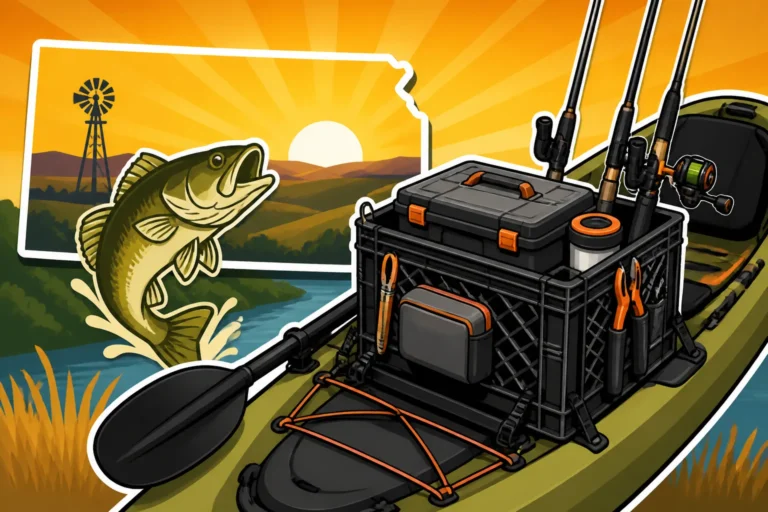
Furthermore, if you're out on the water from sunset to sunrise, you must have a sound-producing device (like a whistle) and display a white light visible from all directions. This is especially vital given how small and low to the water these vessels sit, making them incredibly hard for larger boats to spot. You don't want to be a silent, invisible hazard in the dark. For more on preparing your paddle craft, check out our Kansas Kayak Fishing Gear Guide. Also, a quick note: most kayaks, canoes, and paddleboards that are solely propelled by paddle or sail, and are under a certain length (typically 16 feet), usually don't need to be registered in Kansas, but always double-check the current regulations, especially if you add a trolling motor. Our Do Kayaks Need to Be Registered in Kansas? article has more details on this.
Personal Watercraft PWCs High-Speed Safety
Personal Watercraft (PWCs), often called jet skis, WaveRunners, or Sea-Doos, are exhilarating to operate and popular on many Kansas lakes for recreation. Their speed and maneuverability, however, come with inherent risks, and thus, specific safety rules apply to PWC operators.
One of the most important rules for PWC operation in Kansas is that every person on a PWC must wear a U.S. Coast Guard-approved PFD. Unlike larger boats where adults might just need to have a PFD available, on a PWC, it's mandatory to have it on. This makes perfect sense when you consider the speeds and sudden turns these vessels are capable of. If you fall off at speed, that PFD is your immediate lifeline.
Another critical requirement is the use of a safety lanyard. Most PWCs have an engine cut-off switch that is attached to a lanyard worn by the operator. If the operator falls off, the lanyard pulls out of the switch, immediately stopping the engine. This prevents the PWC from becoming a runaway vessel, posing a serious danger to others, and also ensures the operator isn't stranded in the water while their PWC speeds away. Always attach your lanyard before starting your PWC! Additionally, Kansas has age restrictions for PWC operators, so always be aware of who can legally operate one.
Trailering Safety Getting to the Water Safely
While technically not "boating" safety, ensuring your boat gets to the water safely is the first step in any successful fishing trip. We've all seen those boats on the highway with a flickering taillight or a loose strap, and it immediately makes you cringe. Proper trailering is about protecting your investment and ensuring the safety of everyone on the road.
Before you even leave your driveway, do a thorough check of your trailer and boat. This includes checking tire pressure (don't forget the spare!), ensuring all trailer lights are working (running lights, brake lights, turn signals), and making sure the boat is securely tied down with appropriate transom straps and a bow strap. The safety chains must be crossed under the tongue of the trailer and attached to your tow vehicle. Don't rely solely on the winch strap to hold the boat to the trailer; separate tie-downs are essential.
Additionally, always ensure your hitch is properly engaged and locked, and the electrical connector for your lights is fully seated. A little preventative maintenance and a quick once-over before each trip can prevent a major headache on the highway. For comprehensive advice on this topic, our Best Boat Ramps and Trailer Tips in Kansas guide offers practical advice on preparing for and navigating boat ramps safely, ensuring your fishing adventure starts and ends without a hitch.
Staying Informed and Responsible
Being a responsible boater in Kansas isn't just about ticking boxes on a checklist; it's about a commitment to continuous learning, preparation, and understanding the impact you have on shared waterways. The regulations exist for good reason – to keep everyone safe and preserve the joy of Kansas fishing for generations to come.
Understanding Boating Education Requirements
For many, the first dive into boating regulations feels like jumping into the deep end of the pool. But Kansas, like many states, recognizes that an informed boater is a safer boater. That's why there are specific requirements for boating education, especially for younger operators.
In Kansas, anyone born on or after January 1, 1989, who wishes to operate a motorized vessel must complete an approved boating safety course. This includes operating a personal watercraft. These courses cover everything from navigation rules and hazard recognition to environmental considerations and emergency procedures. Even if you're older and not legally required to take the course, it's a fantastic idea. You'll likely learn something new, refresh your memory on vital rules, and gain a deeper appreciation for safe boating practices.
There are various ways to fulfill this requirement, including online courses or in-person classes offered by organizations like the U.S. Coast Guard Auxiliary or the U.S. Power Squadrons. Upon completion, you'll receive a boating safety certificate, which you'll need to carry when operating a motorized vessel. Think of it as your boater's license – it proves you've taken the time to learn the ropes and are committed to safe operation.
Pre-Departure Checks Your Safety Ritual
You wouldn't drive your car without checking the fuel gauge or ensuring your mirrors are properly adjusted, right? The same level of diligence should apply to your boat before every single outing. A pre-departure check isn't just a suggestion; it's a critical safety ritual that can prevent countless problems and ensure your day on the water is filled with enjoyment, not anxiety.
Develop a routine and stick to it. Before you even pull away from the dock or launch ramp, mentally (or physically) go through a checklist:
- Weather: Have you checked the latest forecast for your specific location and duration? Wind changes, pop-up storms, and temperature drops can all affect your safety.
- Fuel: Is your tank full enough for your planned trip, with a reserve? (Rule of thumb: 1/3 out, 1/3 back, 1/3 reserve).
- Engine & Battery: Is the engine running smoothly? Are battery connections tight? Is the bilge pump working?
- Safety Gear: Are all required PFDs, VDS, fire extinguishers, and sound devices onboard and accessible?
- Drain Plug: Is the drain plug in? (Yes, it happens to the best of us!)
- Communication: Is your cell phone charged, or your marine radio functioning?
- Know Your Crew: Are all passengers aware of where safety equipment is located and what to do in an emergency?
Making this checklist a habit will give you immense peace of mind. It’s a proactive step that moves you from simply complying with regulations to genuinely embracing a culture of safety.
Consequences of Non-Compliance
It's easy to think that skipping a few of these safety requirements might save you a few bucks or a few minutes. But the truth is, the consequences of non-compliance can range from frustratingly inconvenient to tragically severe. Kansas law enforcement, including game wardens and local sheriff's deputies, are out on the water to ensure everyone's safety, and they take these regulations seriously.
The most immediate consequence of not having required safety equipment is often a citation and a fine. These fines can quickly add up, easily exceeding the cost of the equipment you failed to carry. Imagine getting a ticket for not having enough PFDs or an expired fire extinguisher – that's a quick way to sour your fishing trip and lighten your wallet. But beyond the monetary penalties, there's the inconvenience. An officer can detain your vessel until deficiencies are corrected, or even order you back to shore. That means your day of fishing is over before it even really began. For more detailed information, our post on Kansas Fishing Law Enforcement and Penalties can provide insight into potential repercussions.
However, the most severe consequences are not financial or inconvenient, but potentially life-threatening. Not having a PFD for someone who falls overboard, a working fire extinguisher during an engine fire, or adequate navigation lights at night can lead to serious injury or even fatality. The regulations are there to protect you, your passengers, and other boaters. Being fully equipped and prepared isn't just about avoiding a ticket; it's about ensuring everyone comes home safely at the end of the day.
| Equipment Type | Requirement for Most Motorized Vessels | Key Details |
|---|---|---|
| Personal Flotation Devices | One USCG-approved PFD per person | Children under 12 must wear PFD. Must be readily accessible, in good condition, and appropriate size. |
| Throwable Device (Type IV) | For vessels 16 feet and over | One USCG-approved throwable device (e.g., cushion, ring buoy) must be immediately available. |
| Sound-Producing Device | All vessels | Whistle, horn, or bell. Must be capable of producing an efficient sound signal. |
| Visual Distress Signals | Required on federally controlled waters | Pyrotechnic flares (dated) or non-pyrotechnic (flags, electronic lights). Specific requirements for day/night use. |
| Fire Extinguisher | If fuel tank, enclosed engine, or cabin | Type B-I or B-II USCG-approved. Number depends on vessel size and hazards. Must be accessible and charged. |
| Ventilation System | If gasoline engine & enclosed spaces | Natural or powered. Important to run blower before starting engine. Keep vents clear. |
| Backfire Flame Arrestor | For gasoline inboard engines | USCG-approved, clean, and in good working order. Prevents flames from igniting fumes. |
| Navigation Lights | All vessels sunset to sunrise | Red (port), Green (starboard), White (all-around or masthead/stern). Specific configurations for vessel types. Must be visible. |
| Registration Numbers/Decal | All registered motorized vessels | Clearly displayed on bow, block characters, contrasting color, 3 inches high. Decal affixed near numbers on port side. |
| Marine Radio / Cell Phone | Recommended (not always required) | Crucial for emergencies, especially on large bodies of water. Cell phones helpful but have limitations. |
| First-Aid Kit | Highly Recommended | Comprehensive kit in waterproof container. Tailor to marine environment (sunburn, motion sickness, cuts). |
| Tools & Spare Parts | Highly Recommended | Basic tools, spare fuses, spark plugs, etc. for minor repairs to avoid being stranded. |
Disclaimer
This article is for general informational purposes only and does not constitute professional advice. Laws, prices and regulations vary by location and change over time. Consult a qualified professional for guidance on your specific situation.