Kansas Life Jacket and Boating Safety Guide
There's nothing quite like a day out on the water in Kansas, whether you're chasing monster catfish on the Kansas River, trolling for walleye on Milford Lake, or simply enjoying the peaceful calm of a small pond. But that incredible freedom comes with a huge responsibility: safety. Far too many folks overlook critical safety measures, especially when it comes to life jackets and understanding the rules of the water, leading to heartbreaking accidents that are often preventable. This guide is here to walk you through everything you need to know about life jackets and essential boating safety to ensure every trip is a safe and enjoyable one for you and your loved ones.
Understanding Kansas Boating Safety Regulations
Navigating the waters of Kansas isn't just about knowing where the fish bite; it's also about understanding the rules of the road, or in this case, the rules of the water. The Kansas Department of Wildlife and Parks (KDWP) sets forth specific regulations to keep everyone safe, and trust me, they're not just suggestions. These rules are designed to prevent accidents and ensure that if an unforeseen event does occur, you're prepared. Ignoring them isn't just risky; it can lead to fines and legal trouble. Think of these regulations as your peace-of-mind checklist before you even launch your boat.
Who Needs to Wear a Life Jacket in Kansas?
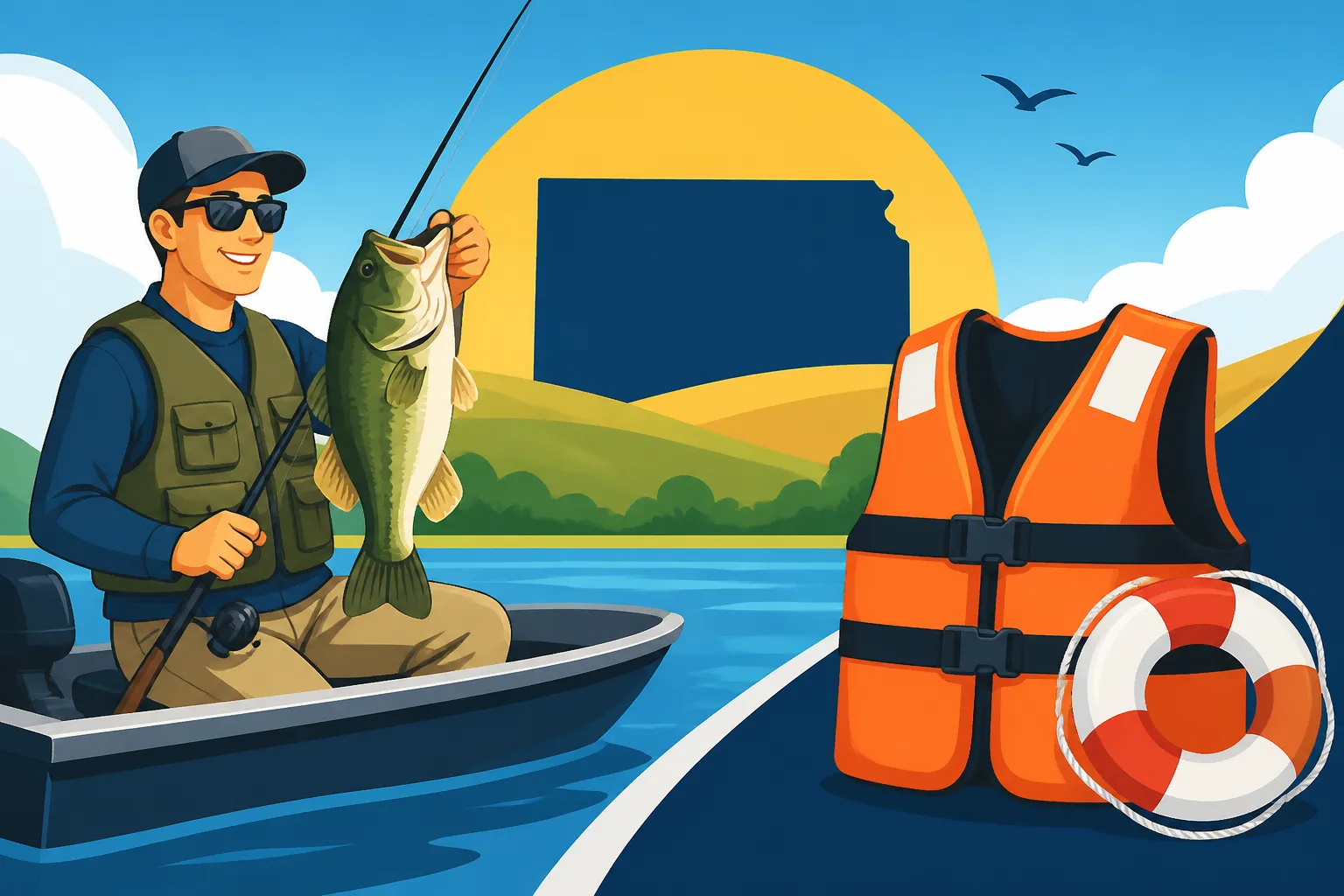
This is one of the most crucial points, and often, it's where misunderstandings arise. While you don't necessarily have to wear a life jacket all the time if you're an adult on a boat, there are very specific circumstances where it's mandatory, and honestly, wearing one is always the safest bet. For instance, any child under the age of 13 is required to wear a U.S. Coast Guard-approved life jacket whenever they are on a vessel that is underway, meaning not at anchor, moored, or aground. This applies to all vessels, from a small fishing boat to a large pontoon.
Beyond the age requirement, there are other situations where wearing a life jacket becomes non-negotiable. If you're being towed behind a boat on water skis, a tube, or a wakeboard, you must have a life jacket on. Similarly, anyone operating or riding on a personal watercraft (PWC), like a Jet Ski or WaveRunner, is also required to wear a life jacket. And, of course, during the chilly winter months or any time the water temperature drops below a certain threshold, even adults are strongly encouraged to wear them due to the severe risks of hypothermia. Even if you're a strong swimmer, an unexpected capsize in cold water can quickly incapacitate you, making a life jacket your best, and sometimes only, chance.
Other Essential Boating Safety Equipment Requirements
Beyond life jackets, Kansas law, echoing federal U.S. Coast Guard regulations, mandates other pieces of safety equipment be on board your vessel. These aren't just for show; they're vital tools that could save lives or prevent further trouble if something goes wrong. Every motorboat must carry at least one U.S. Coast Guard-approved life jacket for each person on board or being towed. This is the minimum. It's always a good idea to have a few extras, just in case. But it doesn't stop there.
You'll also need visual distress signals, especially if you're on federal waters or a large reservoir where visibility can be an issue. Think flares, flags, or electric lights that signal for help. Sound-producing devices, such as a whistle, horn, or bell, are also a must to alert other boaters or signal distress. And let's not forget fire extinguishers – any vessel with an enclosed engine compartment, a permanently installed fuel tank, or other sources of ignition will need one. Navigational lights are critical for night boating, ensuring your boat is visible to others from dusk till dawn. Neglecting these items isn't just a ticket waiting to happen; it's a gamble with your safety and the safety of those around you. You can find more details on these in our Kansas Boating Safety Equipment Requirements guide.
Consequences of Non-Compliance
It can be tempting to cut corners or think "it won't happen to me," but the consequences of not following Kansas boating safety regulations can be severe. First and foremost, there are the legal ramifications. KDWP game wardens and other law enforcement officials patrol Kansas waters, and they are well within their rights to stop and inspect your vessel for compliance. If you're found without the required life jackets, proper registration, or other safety gear, you could face hefty fines. These penalties aren't just a slap on the wrist; they can seriously impact your wallet and spoil your day on the water.
Beyond fines, there's the much graver risk of injury or even death. Accidents on the water can happen in a flash – a rogue wave, a sudden engine failure, or a collision with another vessel. In these situations, having the right safety equipment, especially properly fitted life jackets, can be the difference between a close call and a tragedy. Imagine being thrown from your boat into cold water without a life jacket; the chances of survival plummet. Furthermore, repeated violations or involvement in accidents due to negligence could lead to more severe legal action, including potential impoundment of your vessel or even criminal charges in cases of gross negligence or operating under the influence. It’s always better to be safe than sorry, both for your peace of mind and your legal standing. Check out Kansas Fishing Law Enforcement and Penalties for further reading on this topic.
Types of Life Jackets and When to Use Them
When we talk about life jackets, it's not a one-size-fits-all situation. The U.S. Coast Guard classifies personal flotation devices (PFDs) into different types, each designed for specific activities and water conditions. Knowing the difference is key to picking the right one for your adventure and ensuring maximum safety. Using a Type III recreational vest for an offshore excursion on a large, choppy reservoir might not provide the same level of safety as a Type I, for example. Understanding these distinctions helps you make informed choices that could truly make a difference.
Type I: Offshore Life Jackets
These are your heavy-duty, maximum buoyancy life jackets, designed for rough or remote waters where rescue might take a considerable amount of time. Type I PFDs are typically bulky, but that bulk comes with a purpose: they're designed to turn an unconscious person face-up in the water, offering critical protection if you're knocked out or disoriented. They provide a minimum of 22 pounds of buoyancy for adults.
You'll often see Type I PFDs on commercial vessels, charter boats heading far out on large bodies of water like Lake Superior or the ocean, but they are also a smart choice for serious anglers venturing onto the largest Kansas reservoirs, such as Milford Lake or Cheney Reservoir, especially when conditions are rough or during colder months. If you're planning an extended trip where help might be hours away, or if you're fishing in potentially hazardous conditions, a Type I offers the best chance of survival. While not the most comfortable for active fishing, their superior flotation and ability to keep you safe in an emergency far outweigh any minor inconvenience.
Type II: Near-Shore Vests
Type II PFDs are a good compromise between comfort and safety, making them a popular choice for recreational boaters on inland waters. They offer at least 15.5 pounds of buoyancy for adults and are designed to turn an unconscious person face-up in calm water. While they might not be as effective in rough seas as a Type I, they are perfectly suitable for fishing close to shore, casual cruising, or family outings on smaller lakes and rivers here in Kansas.
These vests are less bulky than Type I, making them more comfortable for all-day wear, which encourages compliance. They're often seen as the "orange horse collar" style life jackets, though modern versions come in more comfortable vest designs. For many Kansas anglers fishing on typical state fishing lakes or even closer to shore on reservoirs, a Type II PFD provides adequate safety without feeling overly cumbersome. They're a practical choice for activities where you're not far from assistance, yet still need reliable flotation in case of an accidental fall overboard.
Type III: Flotation Aids (Recreational Vests)
These are arguably the most common type of life jacket you'll see in recreational settings, and for good reason. Type III PFDs are designed for maximum comfort and freedom of movement, making them ideal for watersports like waterskiing, wakeboarding, kayaking, or even just general recreational boating and fishing. They also provide at least 15.5 pounds of buoyancy for adults, similar to a Type II.
The key difference with Type II is that Type III PFDs are designed for a wearer who is conscious and can assist in turning themselves face-up if needed. This means they might not automatically turn an unconscious person over. However, their comfort encourages people to actually wear them, which is half the battle! If you're casting a line from a kayak on a serene Kansas river, fly fishing a trout stream, or enjoying a calm day on Clinton Lake, a Type III vest allows for unrestricted movement while still offering reliable flotation. Many anglers opt for specialized fishing vests that incorporate Type III flotation, often with pockets for tackle and gear. You can find a vast array of these comfortable and functional options at outdoor stores like Bass Pro Shops.
Type IV: Throwable Devices
Unlike the other types, Type IV PFDs are not designed to be worn. Instead, they are meant to be thrown to a person in the water to provide flotation until they can be rescued. These include buoyant cushions or ring buoys. While they are a required piece of safety equipment on many vessels, they are supplemental to wearable life jackets, not a replacement.
Think of a Type IV device as your emergency throw-line. If someone unexpectedly falls overboard, especially if you're in a situation where you can't immediately get a wearable PFD to them, a throwable device can keep them afloat. Every vessel 16 feet or longer (excluding canoes and kayaks) must have at least one readily accessible Type IV device. Having one on board is a minimal requirement, and keeping it easily accessible is paramount. Storing it under a pile of gear defeats its purpose. Make sure everyone on board knows where it is and how to deploy it quickly.
Type V: Special Use Devices (Inflatables)
Type V PFDs are specialized life jackets designed for specific activities or conditions. This category includes everything from work vests for commercial operations to inflatable PFDs popular with serious anglers and boaters. The key characteristic of a Type V is that it must be worn to be considered legal and effective. Inflatable PFDs, for example, are much less bulky than traditional foam vests, making them incredibly comfortable for all-day wear. They inflate automatically upon water immersion or manually by pulling a cord.
For many avid Kansas anglers, especially those who find traditional vests too restrictive for casting, inflatable Type V PFDs are a game-changer. They offer a high level of buoyancy when inflated, often more than a Type I, and allow for a full range of motion. However, they do require more maintenance, including regular inspection and cartridge replacement. Always check the label to ensure a Type V PFD is approved for your specific activity and that you understand its operating instructions. You can often find a wide selection of these specialized PFDs at larger outdoor retailers like Bass Pro Shops, or even online through platforms like Amazon, but always ensure they are U.S. Coast Guard approved for recreational use.
Here's a quick comparison of the common PFD types:
| PFD Type | Minimum Buoyancy (Adult) | Intended Use | Turns Unconscious Person Face-Up (Calm Water) | Best For |
|---|---|---|---|---|
| Type I | 22 lbs | Offshore, rough or remote waters | Yes (Excellent) | Long voyages, rough weather, remote fishing on large reservoirs |
| Type II | 15.5 lbs | Near-shore, calm inland waters | Yes (Good) | General recreational boating, close-to-shore fishing |
| Type III | 15.5 lbs | Recreational, freedom of movement | No (Wearer must assist) | Watersports, kayaking, active fishing, comfortable all-day wear |
| Type IV | 16.5 lbs | Throwable device (not worn) | Not applicable | Emergency throw, supplemental to wearable PFDs (required on most boats over 16 ft) |
| Type V | Varies (often >22 lbs) | Special Use (inflatables, work vests, etc.) | Varies by design (often excellent when inflated) | Specific activities, active fishing (when worn and maintained) |
Choosing the Right Life Jacket for Your Family
Selecting the right life jacket isn't just about meeting legal requirements; it's about ensuring comfort and safety for every person on your boat. A life jacket that fits properly is far more effective and less likely to be taken off. Just like shoes, what fits one person won't fit another, and getting the right size and type is especially critical for children, whose safety depends entirely on your informed choices. Investing a little time in trying on different styles and sizes will pay dividends in peace of mind.
Sizing for Adults
For adults, proper life jacket sizing is primarily determined by chest size, not weight. Most adult PFDs are labeled with a chest circumference range. When trying on a life jacket, put it on and fasten all zippers and buckles. It should feel snug but not uncomfortably tight, and you should be able to breathe and move freely. A good test is the "lift test": lift your arms over your head, and have someone gently pull up on the shoulders of the PFD. If it rides up over your ears or chin, it's too big and could slip off in the water.
Remember that different activities might warrant different styles. If you're mainly bank fishing or just riding in a larger boat on a calm lake, a more basic Type II might suffice. However, if you're actively casting from a small boat, kayak, or engaging in watersports, a Type III or an inflatable Type V will offer better mobility and comfort, encouraging you to keep it on. Always prioritize comfort that doesn't compromise safety; an uncomfortable life jacket is one that people are more likely to remove, negating its purpose.
Life Jackets for Children and Infants
When it comes to the youngest members of your family, choosing the right life jacket is paramount. Children's PFDs are sized by weight, and it's absolutely critical to match the child's weight to the jacket's label. Never, ever buy a life jacket for a child to "grow into." An oversized life jacket can ride up over their head in the water, providing no flotation and potentially putting them in a more dangerous position. Conversely, one that's too small won't provide adequate buoyancy.
Infant life jackets are specifically designed for babies and toddlers, often featuring extra head support to keep their airway clear and a crotch strap to prevent the jacket from riding up. For older children, look for vibrant colors that make them easily visible in the water, and ensure they pass the "lift test" just like adults. Remember, in Kansas, children under 13 must wear a life jacket when the vessel is underway. There's no exception for strong swimmers; the law is clear, and it's for their protection. Consider options like those found at outdoor retailers or online, ensuring they are U.S. Coast Guard-approved.
Ensuring a Proper Fit
A life jacket only works if it fits correctly. Beyond the sizing considerations for adults and children, there are universal fit principles that apply to everyone. All straps, buckles, and zippers should be securely fastened. After you've put it on and adjusted everything, try to move around. Bend, twist, sit down – simulate movements you'd make on the boat. It shouldn't chafe or restrict your movement excessively.
The lift test (having someone pull up on the shoulders) is the golden standard. If the PFD moves more than a few inches, it's too loose. For children, this is even more critical; an improperly fitted child's PFD can ride up and push their head underwater. If you're buying online from a site like Amazon, make sure to check the manufacturer's sizing charts carefully and consider trying it on as soon as it arrives, perhaps even testing it in shallow water if possible, to ensure it meets your expectations for fit and comfort. A well-fitting life jacket is one that you and your family will wear, making your time on Kansas waters much safer. For more specific guidance, refer to Best Life Jackets for Kansas Boaters.
Essential Boating Safety Equipment Beyond Life Jackets
While life jackets are undeniably at the top of the safety list, a truly prepared boater understands that comprehensive safety extends far beyond PFDs. Kansas boating regulations, mirroring federal standards, mandate several other pieces of equipment designed to prevent accidents, signal distress, and handle emergencies. These items are not mere suggestions; they are crucial components of responsible boating that every vessel owner should carry and understand how to use. Overlooking any of these could put you, your passengers, and even other boaters at significant risk.
Visual Distress Signals
Imagine being stranded on a vast lake like Wilson Lake after dark or in the middle of a dense fog. How would you signal for help? That's where visual distress signals (VDS) come in. These devices are designed to alert other vessels or rescue personnel to your presence when you're in trouble. For recreational boats on federally controlled waters (which include most larger Kansas reservoirs and major rivers), you're typically required to carry U.S. Coast Guard-approved VDS.
These can include pyrotechnic devices like flares (red handheld or aerial flares for night/day use, orange smoke signals for daytime) or non-pyrotechnic devices like an orange signal flag (daytime) or an electric distress light (nighttime). Pyrotechnic VDS have expiration dates, so make sure yours are current and stored in a waterproof container. Non-pyrotechnic options like an electric distress light, which can flash the Morse Code "SOS" signal, offer a reliable, non-expiring alternative for nighttime use. Always ensure your VDS are easily accessible and that everyone on board knows how to operate them.
Sound-Producing Devices
Just as important as being seen is being heard, especially in conditions of reduced visibility or when you need to warn another vessel of your presence or intentions. Sound-producing devices are a mandatory piece of equipment for all recreational vessels. This can be as simple as a whistle for smaller boats like kayaks or canoes, or a horn for larger motorboats. Vessels 39.4 feet (12 meters) or longer also typically require a bell.
A whistle or horn serves multiple purposes: it can be used to signal distress (five or more short blasts), to indicate your presence in fog, or to communicate with other vessels about passing or maneuvering intentions. Imagine navigating a busy channel on a weekend or heading back to the ramp after dark. A quick blast of the horn can prevent a collision or alert an unaware boater to your position. Always check that your device is in working order before heading out, as a non-functional horn or whistle won't do you any good in an emergency.
Fire Extinguishers
While you might not immediately associate boating with fire, a marine environment presents unique fire hazards. Engine compartments, fuel lines, electrical systems, and even cooking appliances can all be sources of potential fires. That's why U.S. Coast Guard-approved fire extinguishers are a critical piece of safety equipment, especially for motorboats. Vessels with enclosed engine compartments, permanently installed fuel tanks, or other potential ignition sources are required to carry them.
The type and number of extinguishers required depend on the size and configuration of your boat. For example, a smaller boat might require one B-I type extinguisher, while a larger vessel might need multiple B-I units or a single B-II. Familiarize yourself with the "PASS" method for using an extinguisher: Pull the pin, Aim at the base of the fire, Squeeze the handle, and Sweep from side to side. Crucially, ensure your extinguisher is properly charged and easily accessible, not buried under fishing gear. Regular checks of your boat's electrical and fuel systems can also help prevent fires in the first place.
Navigation Lights
Boating at night or during periods of restricted visibility (like fog or heavy rain) requires proper navigation lights to ensure your vessel is seen by others and to communicate your status (e.g., underway, at anchor). Kansas law mandates that all vessels operating between sunset and sunrise, and during periods of restricted visibility, display appropriate navigation lights. This isn't just a courtesy; it's a legal requirement designed to prevent nighttime collisions.
For power-driven vessels, this typically means a masthead light (white, shining forward), sidelights (red for port/left, green for starboard/right), and a stern light (white, shining aft). The specific configuration can vary based on the size and type of vessel. Small boats, kayaks, and canoes might have different requirements, but the general rule is to ensure you are visible from all directions. Always check your lights before heading out after dark to make sure all bulbs are working and connections are secure. A dead battery or faulty wiring could leave you invisible on the water, turning a peaceful night into a dangerous situation. You can learn more about these requirements in Kansas Boat Registration Guide and Kansas Boat Registration for Anglers.
Boating Under the Influence and Its Dangers
Just like driving a car, operating a boat under the influence of alcohol or drugs is not only illegal but incredibly dangerous. Boating Under the Influence (BUI) is a serious offense in Kansas, and the consequences can be devastating, leading to accidents, severe injuries, and even fatalities. The relaxed atmosphere of being on the water can sometimes lead people to underestimate the impairing effects of alcohol, but the risks are just as real, if not more so, than on the highway. Sun exposure, wind, noise, and vibration can actually intensify the effects of alcohol on the water, a phenomenon sometimes called "boater's fatigue."
Legal Alcohol Limits for Boating
In Kansas, the legal limit for blood alcohol concentration (BAC) for boat operators is the same as for vehicle operators: 0.08%. If you're under 21, a "zero tolerance" policy usually applies, meaning even a trace amount of alcohol can result in a BUI charge. This isn't a suggestion; it's the law. Law enforcement officers, including KDWP game wardens, actively patrol Kansas lakes and rivers and are trained to identify impaired operators. They have the authority to stop boats, conduct field sobriety tests, and administer breathalyzer tests.
It's also important to remember that these limits apply not just to alcohol but also to drugs, including prescription medications that can impair judgment or motor skills. Even if a drug is legally prescribed, if it impairs your ability to safely operate a vessel, you could still face BUI charges. The best and safest policy is simple: if you plan to drink, don't operate a boat. Designate a sober operator, just as you would for a car.
Impaired Judgment and Accidents
The primary danger of BUI is the severe impairment of judgment and motor skills. Alcohol can slow your reaction time, impair your balance and coordination, reduce your vision, and dull your ability to process information quickly. On the water, where conditions can change rapidly and unexpected obstacles can appear, these impairments are particularly perilous. You might misjudge distances, fail to see another boat or swimmer, or be unable to react quickly to a sudden wave or engine problem.
Statistics consistently show that alcohol is a leading contributing factor in fatal boating accidents. An impaired operator might fail to properly navigate, fall overboard, or collide with another vessel, dock, or submerged object. These accidents often result in severe injuries to passengers and other innocent people, leading to long-term physical and emotional trauma. The serene beauty of a Kansas evening on the lake can turn into a nightmare in an instant if judgment is compromised by alcohol.
Penalties for BUI
The penalties for Boating Under the Influence in Kansas are significant and can have lasting impacts on your life. A BUI conviction can result in substantial fines, which can quickly add up. Beyond that, you could face jail time, especially for repeat offenses or if an accident resulted in injury or death. Your boating privileges can also be suspended or revoked, meaning you won't be able to legally operate a vessel for a period of time.
Furthermore, a BUI conviction often carries consequences beyond the immediate legal system. It can impact your insurance rates, your employment opportunities, and your personal reputation. For instance, a BUI charge might even impact your driver's license, depending on the specifics of the case. It’s a serious offense that can lead to criminal records, making it difficult to move forward. The bottom line is that the risks of BUI far outweigh any perceived benefit. Always prioritize safety and sobriety when you’re in control of a boat on Kansas waters.
Safe Boating Practices for Kansas Waters
Beyond understanding the legal requirements for life jackets and other gear, adopting a mindset of proactive safety is what truly makes a responsible boater. Kansas waters, from the vast expanses of Milford Lake to the winding currents of the Kansas River, offer diverse experiences, but they all demand respect and preparation. Integrating safe boating practices into every outing ensures that you're not just complying with the law, but actively minimizing risks for everyone on board and around you.
Pre-Departure Checklist
Before you even think about launching your boat, a thorough pre-departure checklist can prevent many common problems and ensure you have all the necessary safety equipment. This isn't just for long trips; even a quick afternoon fishing excursion warrants a quick check. Start with your vessel: Is the engine in good working order? Are the fuel lines intact, and do you have enough fuel for your trip? Check your battery connections and ensure all lights are functioning.
Next, verify your safety gear. Do you have enough U.S. Coast Guard-approved life jackets for everyone on board, correctly sized? Is your fire extinguisher charged and accessible? Are your visual distress signals and sound-producing device on board and working? Don't forget your boat's registration and any required permits, like a Kansas State Park Fishing Permit Rules if you're launching from a state park. Inform someone on shore of your float plan – where you're going, with whom, and when you expect to return. This simple step can be invaluable if you encounter unexpected trouble and rescue is needed. Taking a few minutes before you launch can save hours of trouble, or worse.
Navigational Rules and Courtesy
The "rules of the road" apply just as much on the water as they do on land, designed to prevent collisions and ensure an orderly flow of traffic. These are often referred to as the International Regulations for Preventing Collisions at Sea (COLREGs), and while some specifics vary for inland waters, the core principles remain. Always maintain a proper lookout, using both sight and hearing, and proceed at a safe speed appropriate for the conditions, visibility, and traffic. Remember that larger vessels generally have the right-of-way, and sailboats typically have right-of-way over powerboats.
When encountering other vessels, know the rules for passing and crossing. Always keep a safe distance from other boats, especially those fishing, swimming, or anchored. Respect "no-wake" zones, typically found near marinas, swimming areas, or docks, where you must reduce your speed to minimize your wake and prevent damage or injury. Courtesy goes a long way: don't cut off other boats, avoid loud music that disturbs others, and always be mindful of swimmers and divers. Remember, everyone is out on the water to enjoy themselves, and a little respect makes the experience better for all.
Weather Awareness and Preparedness
Kansas weather can be notoriously unpredictable, especially during spring and summer. A sunny, calm morning can quickly turn into a stormy, windy afternoon, and being caught unprepared can be incredibly dangerous. Before every trip, check the marine weather forecast for your specific location. Pay attention to wind speeds, chances of thunderstorms, and any special weather advisories. If the forecast looks questionable, err on the side of caution and postpone your trip.
While on the water, remain vigilant for changing weather patterns. Darkening skies, sudden drops in temperature, increased wind, or distant thunder are all signs to head back to shore or seek safe harbor. Have a weather app or a marine radio on board to get real-time updates. If you do get caught in a storm, secure loose items, ensure everyone is wearing a life jacket, and reduce your speed. If lightning is present, stay low in the boat and avoid contact with metal surfaces. Being prepared for the worst while hoping for the best is a hallmark of a truly safe boater in Kansas. Our Kansas Fishing Seasons Guide often mentions optimal weather conditions for various species, but always prioritize safety over fishing.
Educational Resources and Safety Courses
While this guide covers many essential aspects of life jacket usage and boating safety, nothing replaces dedicated education. Just like you wouldn't drive a car without understanding the rules of the road, operating a boat safely requires knowledge and skill. In Kansas, there are excellent resources available to help you become a more confident and responsible boater, many of which are specifically designed to meet or exceed state requirements.
Kansas Boating Education Requirements
Kansas has specific boating education requirements, particularly for younger operators. If you were born on or after January 1, 1989, and you operate a motorboat or personal watercraft (PWC) on public waters, you are generally required to have successfully completed an approved boating safety course. This course covers a wide range of topics, including navigation rules, safe operating practices, accident prevention, and emergency procedures.
These courses are offered by various organizations, including the KDWP, the U.S. Coast Guard Auxiliary, and the U.S. Power Squadrons. Many of these courses can be taken online, offering flexibility for busy schedules, while others are classroom-based. Upon successful completion, you'll receive a boating safety education certificate, which you must carry with you when operating a vessel. Even if you're not legally required to take a course, completing one is highly recommended for all boaters, regardless of age or experience level. It's an investment in your safety and the safety of everyone on the water.
Benefits of Voluntary Safety Courses
Even if you're an experienced boater and not subject to mandatory education requirements, taking a voluntary boating safety course offers immense benefits. Technology on boats changes, regulations can be updated, and refreshing your knowledge never hurts. These courses delve deeper into topics like advanced navigation, emergency preparedness, marine first aid, and specific rules for different types of vessels or waterways. You might learn new techniques for docking, anchoring, or handling severe weather that you never knew before.
Beyond the practical knowledge, completing a recognized boating safety course can sometimes qualify you for discounts on your boat insurance premiums, making it a financial win as well. More importantly, it demonstrates a commitment to safety and responsibility, setting a positive example for younger generations and contributing to a safer boating community for everyone who enjoys Kansas waters. Think of it as a continuous learning journey; the more you know, the safer and more enjoyable your time on the water will be.
Disclaimer
This article is for general informational purposes only and does not constitute professional advice. Laws, prices and regulations vary by location and change over time. Consult a qualified professional for guidance on your specific situation.