Best Gear for Kids Fishing in Kansas
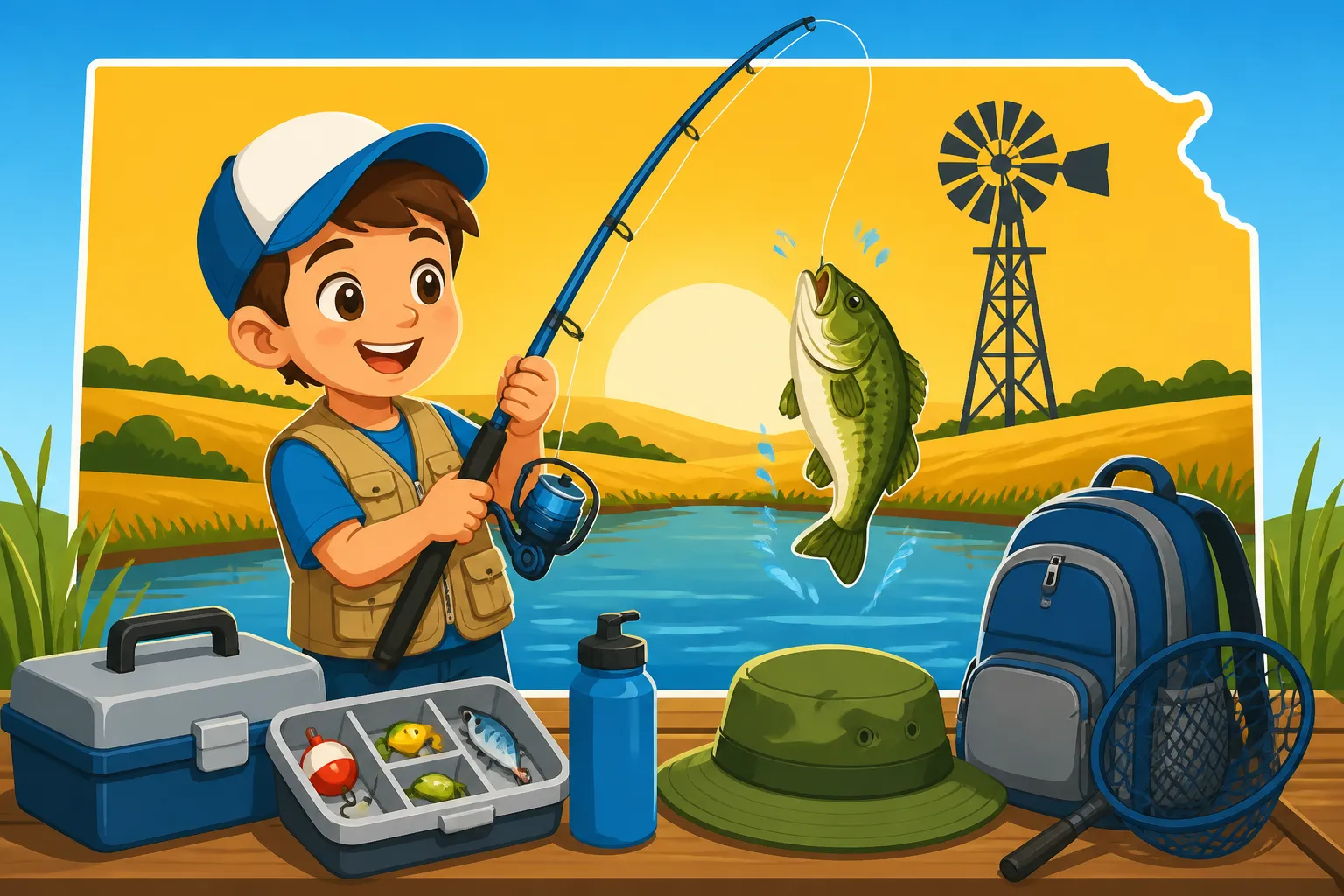
Bringing your kids along for a fishing trip in Kansas is one of life's greatest joys, but let's be honest, it can quickly turn into a frustrating ordeal if they're wrestling with gear that's too heavy, too complicated, or just plain wrong for their little hands. You want them to fall in love with the outdoors, not dread the next outing. This guide is all about simplifying that process, helping you pick out the perfect, kid-friendly fishing gear that ensures smiles, fosters independence, and makes those precious moments on the water truly unforgettable.
Choosing the Right Rod and Reel Combo for Young Anglers
Getting the right rod and reel setup is absolutely crucial for a positive first fishing experience. Imagine trying to cast a heavy, adult-sized rod with tiny arms – it's just not going to work, and it's certainly not going to be fun. The goal here is ease of use, durability, and a comfortable fit that encourages them to learn and engage, rather than struggle.
Age-Appropriate Rod Length and Action
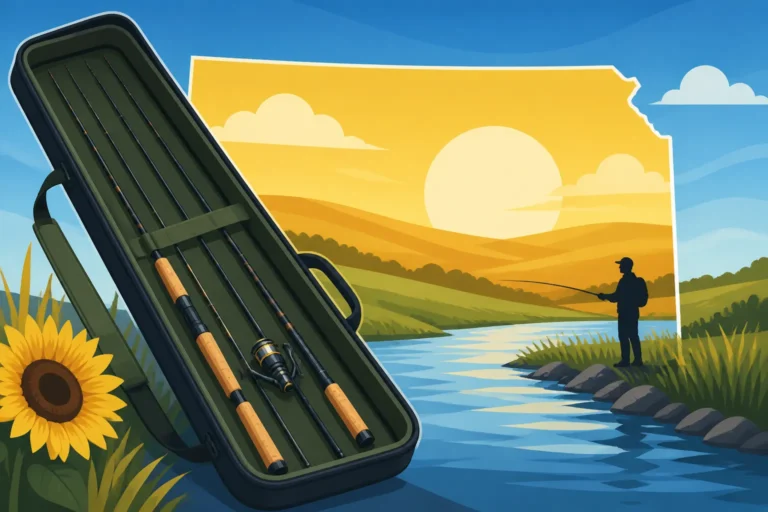
When it comes to fishing rods for kids, shorter and lighter is generally better, especially for the younger crowd. A rod that's too long will be difficult for them to control, making casting awkward and tiring. For toddlers and preschoolers, think about rods around 2 to 3 feet in length. These are often integrated into a combo with a simple spincast reel and are designed for very close-range casting, perfect for a short dock or a quiet bank at a Kansas Community Fishing Lake Rules. As children grow, they can graduate to slightly longer rods, perhaps 4 to 5 feet, which offer a bit more casting distance but are still manageable. The "action" of the rod, which refers to how much it bends, should also be considered. A moderate or slow action rod will be more forgiving for beginners, allowing them to feel the fish better and making it easier to set the hook without ripping it out of the fish's mouth.
For elementary school-aged kids (say, 6 to 10 years old), a 4.5 to 5.5-foot light or medium-light action rod is often ideal. This length provides enough leverage to cast a small lure or bait a decent distance, which can be thrilling as they start to experiment beyond just dropping a line straight down. Many companies make specific "youth" or "junior" rod and reel combos that are perfectly balanced for this age group, often in fun colors or featuring popular cartoon characters, which can add to the excitement. Look for combos that feel light in their hand but still have enough backbone to handle a feisty panfish or a small bass.
As kids approach their pre-teen years (10-12), they might even be ready for a 6-foot rod, potentially venturing into a spinning reel setup if they've mastered the spincast. This transition allows them to tackle larger fish, like the Kansas Channel Catfish Daily Limit or small walleye, with more confidence. The key is to avoid anything too cumbersome. If they're straining to hold the rod, they're going to lose interest quickly. Think about the type of fishing you plan to do most often – if it's primarily panfishing, a lighter, more sensitive rod is perfect. If you're hoping for slightly bigger catches, a medium-light option will give you more versatility.
Spincast vs. Spinning Reels for Kids
The choice of reel is another critical component in a successful kid's fishing experience. For most young children, a spincast reel is the undisputed champion of ease of use. These reels are incredibly simple: you push a button, cast, and crank. There’s no complicated bail to open, no line management issues like tangles that can plague a spinning reel beginner. The line is enclosed, protecting it from snags and knots, which means less time untangling and more time actually fishing. Many quality spincast reels are available from brands widely carried at stores like Bass Pro Shops or found online at Amazon. They come pre-spooled with line and are ready to go straight out of the package, which is a huge bonus for impatient little anglers.
While spincast reels are fantastic for starting out, older kids (typically 8+) might start to express interest in a spinning reel. Spinning reels offer more control, better casting distance, and a wider range of drag adjustments, which can be beneficial for tackling larger fish. However, they do have a steeper learning curve, requiring kids to manually open and close the bail, and to manage line slack to prevent tangles. If your child is showing genuine interest and has mastered the spincast, slowly introducing a small, lightweight spinning reel can be a great next step. Start by teaching them the mechanics when you're not actually fishing, perhaps in the backyard with a practice plug, so they can get comfortable without the pressure of a fish on the line.
Ultimately, the best reel is the one your child can operate confidently. A frustrating reel experience can quickly sour a kid on fishing. It's often wise to start with a reliable spincast setup and let your child indicate when they're ready for more complexity. There's no rush! The goal is enjoyment and developing a lifelong love for the sport. Many of these beginner combos will serve them well for several years, handling everything from bluegill to a surprising channel catfish. Don't feel pressured to buy the most expensive gear; consistent performance and user-friendliness are far more important for a young angler.
Essential Tackle Box Items for Kids' Fishing Adventures
A kid's tackle box doesn't need to be filled with dozens of specialized lures and tools. In fact, a simpler approach is usually better to avoid overwhelming them. Focus on the basics that are effective, easy to use, and minimize frustration.
Simple and Effective Baits and Lures
For kids, natural baits are often the easiest and most exciting way to get bites. Worms are almost universally effective for a wide variety of fish in Kansas, from bluegill and sunfish to crappie and even smaller catfish. They're easy to put on a hook and the wiggling action attracts fish without much effort from the angler. Crickets are another fantastic option for panfish, especially in smaller ponds and community lakes. You can often find these at local bait shops, and they provide instant action, which is key to keeping a child engaged.
When it comes to artificial lures, simplicity is still king. Small jigs (1/32 to 1/16 ounce) with a grub or curly-tail plastic body are incredibly versatile. They can be cast out and slowly retrieved, or simply dangled under a bobber. Crappie and bluegill absolutely love these, and they come in a rainbow of colors, letting kids pick their favorites. Small spinnerbaits or inline spinners are also great because they create flash and vibration as they're reeled in, which can trigger bites from white bass, smaller largemouth bass, and even some panfish. The most important thing is that whatever bait or lure you choose, it should be manageable for a child to cast and retrieve, and it should realistically have a good chance of catching fish quickly to build their confidence. Don't forget to teach them how to gently unhook a fish before releasing it, or how to handle it if you're keeping it for dinner!
Hooks, Bobbers, and Sinkers: The Basic Rig
Every successful kid's fishing setup needs a few fundamental components. Let's start with hooks. For panfish and smaller species, size 8 or 10 Aberdeen hooks are a great choice. They are thin-wired, making them less likely to get snagged, and they're easy to unhook from a fish's mouth. As kids get a little older and aim for larger fish like channel cats, a size 4 or 6 circle hook can be a good transition. Circle hooks are designed to hook fish in the corner of the mouth, reducing the chance of gut-hooking and making releases much easier. Always start with barbless hooks, or pinch down the barbs on standard hooks with pliers. This makes hook removal quicker and less traumatic for both the fish and the child.
Bobbers are essential for beginner anglers. They provide visual excitement when a fish bites and make it easy to see where the bait is. Choose brightly colored, clip-on bobbers that are easy for small hands to attach and detach from the line. Red and white are classic choices, but any vibrant color will do. For sinkers, small split-shot weights are perfect. They're easy to pinch onto the line a foot or so above the hook, helping to get the bait down to where the fish are without being so heavy that they hinder casting. Keep the weight minimal; you only need enough to sink the bait and allow the bobber to stand upright. A basic rig with a hook, a few split-shot, and a bobber will catch nearly anything a kid wants to target in a Kansas lake or pond. For a comprehensive look at what fish you might find, check out Kansas Fish Species Guide.
| Gear Item | Recommended for Kids | Why It's Great for Young Anglers |
|---|---|---|
| Rod Length | 2-5 feet | Easy to handle, reduces fatigue, good for casting basics |
| Reel Type | Spincast | Simple push-button casting, fewer tangles, very user-friendly |
| Hooks | Size 8-10 Aberdeen | Smaller, easier to set, good for panfish, consider barbless |
| Bobbers | Clip-on, bright | Visual bite indicator, easy to attach, builds excitement |
| Sinkers | Small split-shot | Minimal weight, easy to attach, helps present bait |
| Bait (Live) | Worms, crickets | Universally effective, easy to rig, high success rate |
| Lures (Artificial) | Small jigs, inline spinners | Creates action, colorful, good for various species |
| Pliers | Small, needle-nose | Essential for hook removal, cutting line, safety |
| Net | Small landing net | Helps land fish, reduces direct handling of fish |
Safety and Comfort: Keeping Kids Happy and Safe on the Water
Fishing with kids isn't just about the catch; it's about the entire experience. Ensuring their safety and comfort makes the difference between a cherished memory and a day cut short by discomfort or a scary moment. This means being prepared for the environment and having the right personal gear.
Life Jackets and Sun Protection
Safety is paramount, especially when fishing near water. Even if your child is a strong swimmer, a properly fitted life jacket (also known as a Personal Flotation Device or PFD) is non-negotiable. Accidents happen quickly, and a PFD provides essential buoyancy and peace of mind. For kids, look for US Coast Guard-approved PFDs that are size and weight appropriate. They should fit snugly but comfortably, without riding up around their ears. Many modern kids' PFDs are designed with bright colors for visibility and include a grab handle on the back, which is incredibly useful for quickly pulling a child out of the water if needed. Whether you're fishing from a boat on Milford Lake or just bank fishing along a Kansas state fishing lake, keep that life jacket on! Kansas Life Jacket and Boating Safety Guide offers even more detailed information.
Beyond water safety, sun protection is vital in Kansas, where the sun can be relentless, especially during the warmer months. A wide-brimmed hat or a baseball cap with a neck flap provides crucial shade for their face, ears, and neck. Long-sleeved, lightweight shirts made from quick-drying, UV-protective fabric are excellent for shielding their arms and torso without making them overheat. And, of course, don't forget waterproof sunscreen with a high SPF, applied generously and frequently to any exposed skin. Sunglasses that offer UV protection are also a good idea to protect their eyes from glare off the water, which can reduce eye strain and help them spot fish. These simple measures can prevent uncomfortable sunburns and heat exhaustion, keeping the focus on fun.
Hydration, Snacks, and First Aid
A hungry or thirsty child is a grumpy child, and a grumpy child quickly spells the end of a fishing trip. Always pack plenty of water, juice, or other hydrating drinks. Staying hydrated is critical, especially when spending hours outdoors under the Kansas sun. A small cooler filled with ice can keep drinks and snacks cool and refreshing throughout the day. When it comes to snacks, think easy-to-eat, mess-free options like granola bars, fruit snacks, crackers, or pre-cut fruit. Avoid anything that requires a lot of preparation or can easily melt into a sticky mess. A few well-timed snacks can work wonders for maintaining energy levels and good spirits.
No matter how careful you are, minor scrapes, cuts, or bug bites are part of outdoor adventures. A small, well-stocked first aid kit is an absolute must-have. Include band-aids in various sizes, antiseptic wipes, pain relievers (child-appropriate), insect bite cream, and any personal medications your child might need. Having these essentials readily available means you can quickly address minor issues, prevent them from escalating, and get back to fishing with minimal interruption. You can easily find compact first aid kits at retailers like Amazon or your local pharmacy, making it simple to grab and go for any outing. Being prepared for small emergencies allows everyone to relax and enjoy the natural beauty of Kansas's fishing spots.
Making It an Experience: Beyond the Gear
While having the right gear is important, the true magic of fishing with kids lies in the entire experience – the learning, the patience, the connection with nature, and the memories you create together. The gear is merely a tool; the teaching and shared moments are the real treasures.
Teaching Patience and Appreciation for Nature
Fishing is an incredible teacher of patience, a skill that can be challenging for kids (and adults!). It's not always about catching a fish every minute; sometimes it's about enjoying the quiet, watching the bobber, and observing the natural world around you. Encourage your child to notice the birds, the dragonflies, the ripples on the water, and the feel of the breeze. Talk about the different types of fish you might catch, their habitats, and why they might bite certain baits. A great resource to learn about specific species is Kansas Walleye Fishing Techniques or Kansas Catfish Species Guide. Explain that sometimes the fish just aren't biting, and that's okay. It’s part of the challenge and makes the eventual catch even more rewarding.
This appreciation extends to conservation and responsible angling practices. Teach your child about catch-and-release, handling fish gently, and leaving no trace behind. Explain the importance of Kansas Fishing Regulations Explained and why we have limits on certain species. When you're packing up, make it a joint effort to pick up any stray line, bait containers, or snack wrappers. Instill in them a respect for the environment and the fish they pursue. This isn't just about following rules; it's about fostering a deeper connection to nature and understanding their role in protecting it for future generations of anglers.
The Value of Simple Fun and Shared Moments
Remember, for kids, the act of fishing itself is often secondary to the adventure and spending time with you. It's about casting, reeling, perhaps baiting their own hook (with supervision, of course!), and the thrill of maybe catching something. Don't put too much pressure on catching a "trophy" fish; celebrate every little bluegill, every nibble, and even the simple joy of being outdoors. A small fish caught by a child often feels like the biggest fish in the world, and that excitement is priceless.
Take photos, tell stories, and let them lead sometimes. Let them choose where to cast, what color bobber to use, or even what snack to have next. These small acts of independence build confidence and make the experience truly theirs. These are the moments they'll remember – the quiet conversations, the shared laughter over a missed bite, the excitement of a tug on the line, and the simple pleasure of a day spent together. Good gear facilitates these moments, but your presence and enthusiasm are what truly make a "best" fishing experience for your kids in Kansas. Even if all you catch are memories, those are often the most precious keepsakes of all.
Disclaimer
This article is for general informational purposes only and does not constitute professional advice. Laws, prices and regulations vary by location and change over time. Consult a qualified professional for guidance on your specific situation.