Kansas Channel Catfish Daily Limit
It can be incredibly frustrating to head out for a peaceful day of fishing, only to come home wondering if you accidentally broke a rule. The regulations surrounding daily limits for different fish species in Kansas can sometimes feel like a labyrinth, especially when you're just trying to enjoy the great outdoors and maybe bring home some delicious table fare. This comprehensive guide is here to untangle the specifics of the Kansas Channel Catfish daily limit, explaining not just the rules, but why they matter and how you can easily stay compliant.
Understanding the Kansas Channel Catfish Daily Limit
Let's dive right into the heart of the matter: what's the deal with channel catfish in Kansas? For many anglers, channel catfish are a staple. They're abundant, fight hard, and are fantastic on the dinner plate. Because of their popularity and robust populations across the state, the Kansas Department of Wildlife and Parks (KDWP) has a clear set of guidelines to ensure these fish remain plentiful for generations to come.
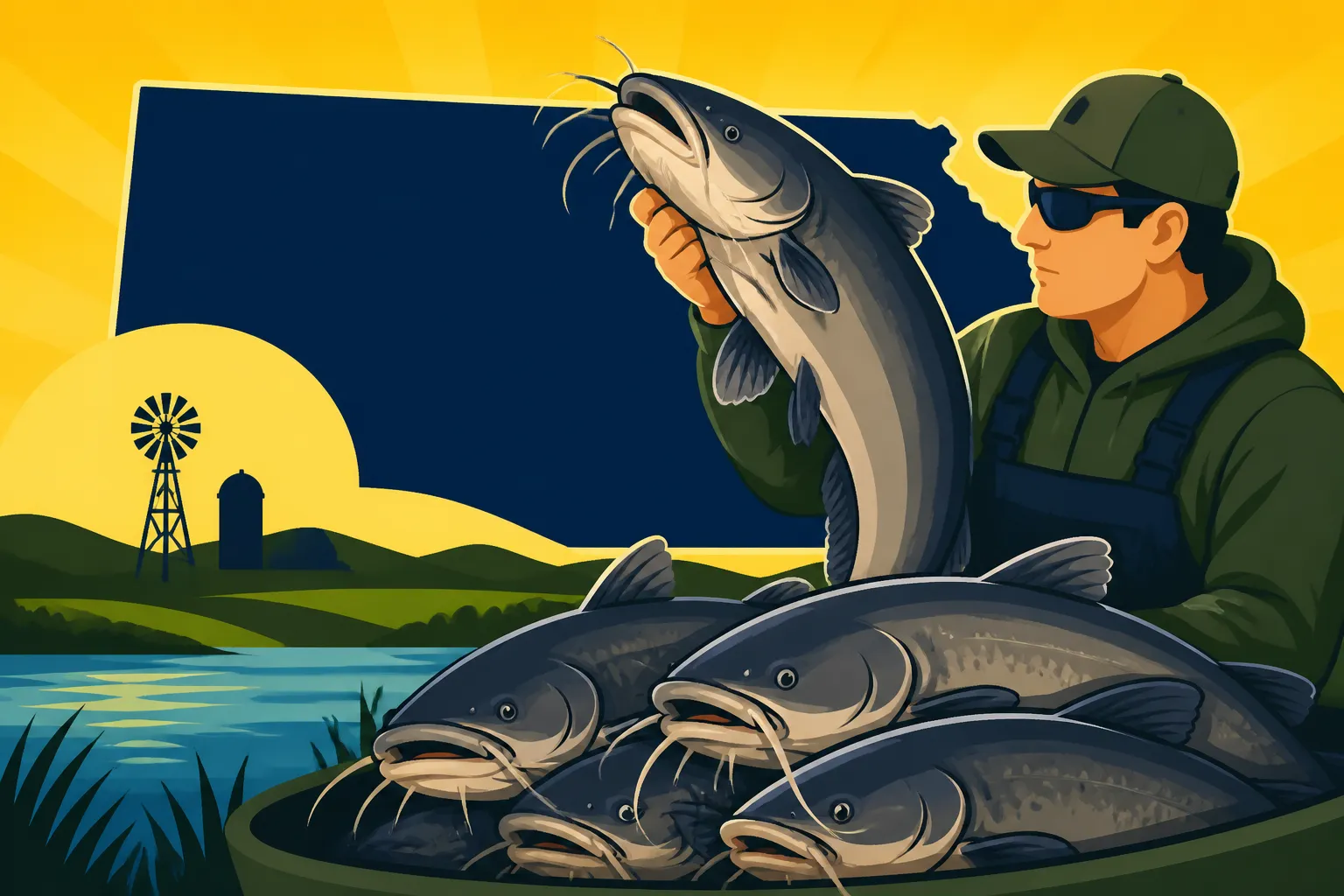
Generally, for channel catfish, the statewide daily creel limit is 10 fish per angler. This means that in most public waters throughout Kansas, you can legally harvest up to ten channel catfish within a 24-hour period. It’s important to remember that this isn't a suggestion; it's a hard limit. Going over it, even by one fish, can lead to fines and other penalties, which we'll discuss later.
Statewide Versus Specific Lake Regulations
Now, here's where it can get a little nuanced, and honestly, this is where many folks get tripped up. While the statewide limit is 10 channel catfish, some specific water bodies in Kansas have their own, more restrictive, regulations. These are often called "special regulations" or "site-specific regulations." These exceptions are usually implemented to help manage a particular fishery, protect a recovering population, or enhance angling opportunities in unique ways.
For instance, certain community fishing lakes or smaller impoundments might have a reduced daily limit, say five channel catfish, to prevent overharvest in a smaller, more accessible body of water. Other lakes might even have length limits in addition to daily limits, meaning you can only keep fish within a certain size range. It's crucial, absolutely critical, to check the specific regulations for the lake or river you plan to fish before you even cast your first line. You can usually find these detailed rules in the annual KDWP Fishing Regulations Summary, which you should always have handy. Understanding these nuances is key to staying out of trouble and being a responsible angler. For a broader overview, take a look at our full guide on Kansas Fishing Regulations Explained.
Why These Limits Are in Place
You might wonder, why bother with limits at all? It's all about conservation and sustainable management. Channel catfish reproduce readily and grow quickly, but they're also under significant fishing pressure. Without daily limits, anglers could potentially deplete local populations, leading to fewer fish for everyone in the future and harming the ecosystem.
The KDWP employs fisheries biologists who conduct extensive research on fish populations in Kansas lakes and rivers. They analyze growth rates, reproductive success, angler harvest data, and overall population health. Based on this scientific information, they set limits designed to maintain healthy fish numbers while still allowing anglers to enjoy their sport and keep some fish for the pan. These limits protect fish during critical spawning periods, allow younger fish to grow to maturity, and ensure genetic diversity within the population. It's a delicate balance, but one that's vital for the long-term health of our fisheries. If you're curious about other species, our Kansas Catfish Species Guide offers more details.
The Role of Conservation in Daily Limits
The daily limit for channel catfish isn't just an arbitrary number; it's a vital tool in the broader conservation strategy for Kansas's aquatic resources. Think of it as a carefully calibrated dial that helps maintain the ecological equilibrium of our lakes and rivers.
Preventing Overharvest and Sustaining Populations
One of the primary reasons for daily limits is to prevent overharvest. Channel catfish are incredibly popular, and if there were no limits, a small number of dedicated anglers could potentially remove a significant portion of the fish population from a smaller body of water in a short time. This isn't just about ensuring there are fish for the next person; it's about the health of the entire fishery. When a species is overharvested, it can disrupt the food chain, impact other species, and ultimately lead to a decline in fishing quality for everyone.
The KDWP constantly monitors catch rates and angler feedback. If they notice that channel catfish populations are declining in a particular area, or if fish aren't reaching healthy sizes, they might implement those site-specific regulations we talked about earlier. These could be temporary reductions in the daily limit or the introduction of length limits to give younger fish a chance to grow larger before being harvested. It's a proactive approach to ensure that Kansas remains a prime destination for fishing. For anyone getting started, our Kansas Fishing License Guide covers the first step to legally fishing in these waters.
Promoting Healthy Ecosystems
Beyond just the channel catfish themselves, these limits contribute to a healthier overall aquatic ecosystem. Catfish play a crucial role as scavengers and predators in their environments. By maintaining a healthy population, they help keep other fish populations in check, control aquatic insect populations, and generally contribute to the clean-up crew of the lake or riverbed.
When a fishery is well-managed with appropriate limits, it creates a more resilient ecosystem. This resilience means the fishery is better able to withstand environmental stressors like drought, floods, or disease outbreaks. It also ensures that there's a diverse array of fish species present, making for a more interesting and vibrant fishing experience for everyone. A balanced ecosystem is a thriving ecosystem, and daily limits are a cornerstone of that balance. It’s all part of the larger picture of Kansas Fishing Seasons and Limits.
Practical Tips for Adhering to the Daily Limit
Staying within the daily limit for channel catfish isn't difficult, but it does require a little mindfulness and preparation. Here are some practical tips to help you ensure you're always fishing legally and responsibly.
Counting Your Catch Accurately
The most straightforward way to avoid exceeding the limit is to simply keep a running count of the fish you've harvested. This might sound obvious, but when the bite is hot and you're having a blast, it's easy to lose track. Many anglers use clicker counters, often purchased from outdoor retailers or even on Amazon, that they wear on their belt or keep in their tackle box. Each time they put a keeper in the livewell or stringer, they click it. This simple tool can be a game-changer for staying accurate.
Another method is to use a dedicated stringer or cooler for your keepers. Once that stringer is full to your limit, any subsequent channel catfish you catch must be immediately released back into the water. This also means you need to be prepared to release fish safely. Have a pair of needle-nose pliers or a hook remover handy to quickly unhook fish, especially if they've swallowed the bait. Minimize their time out of water to give them the best chance of survival.
What to Do When You Reach Your Limit
So, you've landed your tenth channel catfish for the day, and it's a beauty. Now what? The rules are clear: once you've reached your daily limit, you must stop harvesting that particular species. This doesn't mean you have to pack up and go home, though! Many anglers choose to switch tactics and target a different species that has a separate daily limit. For example, if you've hit your channel catfish limit, you could switch to targeting crappie or bass, assuming you haven't already hit their respective limits.
Alternatively, you can practice catch-and-release fishing for channel catfish. This is a fantastic way to continue enjoying the fight and thrill of fishing without breaking any rules. Just be sure that any fish you catch after reaching your limit are handled with extreme care and released quickly to minimize stress and maximize their survival chances. A good quality fishing net can also aid in safe release, preventing the fish from being flopped around on the bank. You can find excellent nets for safe handling on Amazon that are gentle on fish scales and slime coats. If you're using live bait, ensure you know Best Bait for Kansas Catfish to keep them healthy for release.
Here's a quick reference table for common catfish limits in Kansas:
| Species | Statewide Daily Creel Limit | General Length Limits (if any) | Common Exceptions to Check For |
|---|---|---|---|
| Channel Catfish | 10 fish | None statewide | Community lakes, specific reservoirs |
| Blue Catfish | 5 fish | None statewide | Select river stretches (e.g., Kansas River) |
| Flathead Catfish | 5 fish | None statewide | Select river stretches (e.g., Kansas River) |
| Bullhead Catfish | 50 fish | None statewide | Few, but always check |
Note: Always consult the current KDWP Fishing Regulations Summary for the most up-to-date and site-specific rules.
Consequences of Exceeding the Limit
Nobody wants to get into trouble while enjoying a day on the water, but it's important to understand that violating fishing regulations, including daily limits, carries real consequences. Ignoring these rules can lead to more than just a slap on the wrist.
Fines and Penalties
If a KDWP game warden or other law enforcement officer finds you in possession of more channel catfish than the legal daily limit, you're likely facing a citation. The specific fine can vary depending on the severity of the violation (how many fish over the limit you have), your prior record, and the discretion of the court. However, typical fines for exceeding daily limits in Kansas can range from several hundred dollars to well over a thousand, plus court costs. This can quickly turn a fun fishing trip into a very expensive mistake.
In addition to monetary fines, there can be other penalties. Your fishing license might be suspended or even revoked, preventing you from legally fishing in Kansas for a period. Any equipment used in the violation, such as your fishing rods, reels, or even your boat, could potentially be confiscated. These are serious repercussions that can impact your ability to enjoy fishing for years to come. Familiarizing yourself with Kansas Fishing Law Enforcement and Penalties is a good idea for any angler.
The Importance of Ethical Angling
Beyond the legal ramifications, there's an ethical component to adhering to daily limits. As anglers, we are stewards of the natural resources we enjoy. Breaking the rules undermines conservation efforts and can negatively impact fish populations for everyone. It shows a disregard for the hard work of fisheries management and for your fellow anglers who want to see healthy populations thrive.
When we choose to follow the regulations, we contribute to a culture of responsible angling. We help ensure that future generations will have the same opportunities to experience the joy of catching channel catfish in Kansas. It's about respecting the fish, the environment, and the community of anglers who share the passion for fishing. Remember, good ethics aren't just about avoiding a fine; they're about preserving a cherished pastime. If you're looking for different techniques for ethical harvest or release, check out tips on How to Catch Channel Catfish From the Bank. You can even find great resources and ethical angling gear on Amazon.
Finding the Latest Regulations and Further Resources
Staying informed is your best defense against inadvertently breaking fishing rules. The Kansas Department of Wildlife and Parks (KDWP) makes it quite easy to access all the necessary information, so there's really no excuse for not knowing the current limits.
KDWP Official Resources
The absolute best place to find the most current and accurate information on channel catfish daily limits, as well as all other fishing regulations in Kansas, is directly through the KDWP. Their website is a treasure trove of information, regularly updated to reflect any changes in rules. You can easily download the annual Kansas Fishing Regulations Summary in PDF format, which is compact enough to keep on your phone or print out and stash in your tackle box.
Additionally, many KDWP offices and licensed vendors (like bait shops or sporting goods stores) will have printed copies of the regulations summary available for free. Before any fishing trip, especially if you're visiting a new lake or haven't fished in a while, it's always wise to give the regulations a quick glance. Being knowledgeable about things like Kansas Fishing License Exemptions or Kansas Boat Registration for Anglers is part of being a well-rounded and responsible participant in the sport.
How to Double-Check Site-Specific Rules
While the statewide limit of 10 channel catfish is a good baseline, those site-specific regulations are the ones that can really catch you off guard. To check for these, here's a reliable approach:
- Consult the KDWP Website: The online fishing atlas or individual lake pages on the KDWP website often list specific regulations for each body of water.
- Look for Signage: Many public fishing areas, especially community lakes and state parks, will have kiosks or signs posted at boat ramps or popular access points detailing any special rules for that particular water. Always take a moment to read these.
- Use Fishing Apps: There are several reputable fishing apps available (some free, some subscription-based) that integrate KDWP regulations and map out specific water bodies. While convenient, always cross-reference with the official KDWP source if you have any doubt, as apps can sometimes lag behind official updates. Just be sure to pick a good, reliable app from a trusted source like the app store or Amazon.
- Call a Local KDWP Office: If you're still unsure, don't hesitate to call the nearest KDWP office or a local park office. The staff there are incredibly helpful and can provide you with the exact information you need. It’s always better to ask than to unknowingly violate a rule. After all, nobody wants to face Fishing Without a License Penalties in Kansas or other fines.
By taking these simple steps, you can ensure that your fishing adventures in Kansas are always compliant, enjoyable, and contribute positively to the future of our fisheries.
Disclaimer
Please note that fishing regulations can change. While this guide provides detailed information based on current knowledge, it is essential to always consult the official Kansas Department of Wildlife and Parks (KDWP) regulations summary before heading out to fish. This article is for informational purposes only and does not constitute legal advice.