Cheney Reservoir Walleye Fishing
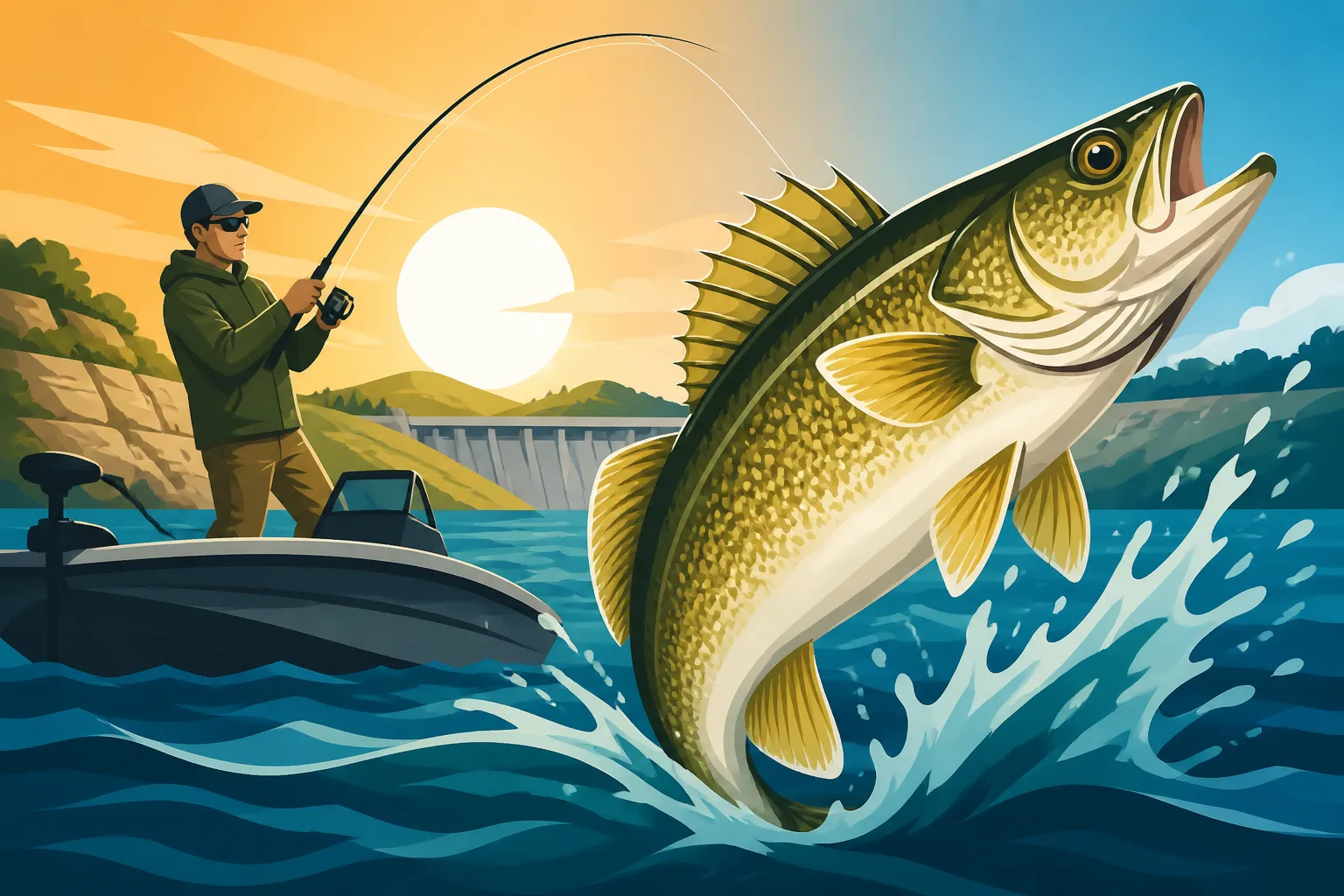
Ah, the mighty walleye of Cheney Reservoir! If you've spent any time on Kansas waters, you know that chasing these elusive, toothy critters can be both incredibly rewarding and, let's be honest, a little bit frustrating at times. Finding consistent success with walleye, especially on a large and diverse body of water like Cheney, feels like cracking a secret code. But don't you worry, because this guide is all about demystifying the walleye game at Cheney, helping you understand their habits, preferred spots, and the techniques that truly work.
Why Cheney Reservoir is a Walleye Hotspot
Cheney Reservoir, sprawling across over 9,500 acres in south-central Kansas, isn't just a big lake; it's a dynamic ecosystem that consistently ranks as one of the state's premier walleye fisheries. Many anglers scratch their heads trying to find walleye in other lakes, but Cheney’s unique characteristics make it a go-to destination year after year. It's not just hype; there are concrete reasons why this lake holds so many great walleye.
Ideal Habitat and Abundant Forage
Cheney Reservoir offers a smorgasbord of perfect walleye habitat. Unlike some of our shallower, muddier lakes, Cheney boasts significant areas of clear water, which walleye absolutely adore. They're sight feeders, after all, and clear water gives them the advantage. Beyond clarity, you'll find extensive rocky points, submerged humps, and old creek channels that provide excellent structure for these fish to ambush prey. These underwater features aren't just random; they create current breaks and depth changes that walleye use for feeding lanes and resting areas.
What truly seals the deal for Cheney's walleye population is its robust forage base. The reservoir is teeming with gizzard shad and various panfish, which are the primary food sources for growing walleye. A healthy population of baitfish means the walleye have plenty to eat, leading to faster growth rates and larger, healthier fish. This abundance of food also means they can be picky, so understanding their feeding patterns relative to the baitfish is key to your success.
Successful Stocking and Management Programs
The Kansas Department of Wildlife, Parks and Tourism (KDWPT) plays a crucial role in maintaining Cheney's status as a walleye powerhouse through its diligent stocking and management programs. While walleye do reproduce naturally in Cheney, supplementary stocking ensures a strong year class every year, replenishing the population and boosting numbers for anglers. These stockings often involve fingerlings, which are young walleye carefully raised in hatcheries before being released into the reservoir.
Beyond stocking, KDWPT actively manages the fishery through creel and length limits, which are designed to protect the walleye population and allow fish to reach trophy sizes. For example, there's often a minimum length limit for walleye, ensuring that younger fish have a chance to mature and reproduce before being harvested. It's a delicate balance, but these efforts contribute significantly to why you have a real shot at catching a quality walleye at Cheney. Understanding these regulations is vital for responsible angling, and you can always check out the latest updates in our Kansas Fishing Regulations Explained guide.
Prime Times for Walleye Fishing at Cheney
Timing is everything when it comes to walleye, and Cheney Reservoir is no exception. These fish are highly influenced by water temperature, light conditions, and their seasonal movements related to spawning and feeding. Knowing when to hit the water can make the difference between a frustrating day of catching nothing and a memorable trip with a cooler full of fillets.
The Energetic Spring Spawning Run
Spring is arguably the most anticipated time for walleye anglers at Cheney, largely due to the spawning run. As water temperatures climb into the low to mid-40s Fahrenheit, typically from late March through April, walleye migrate to rocky areas, dam riprap, and shallow flats with gravel bottoms to reproduce. This concentration of fish makes them more accessible, though they can also be notoriously finicky during the actual spawn.
Pre-spawn activity often sees big females gorging themselves before the rigors of spawning, offering some of the best opportunities for trophy fish. After the spawn, males tend to hang around these areas a bit longer, while females recover and then disperse to deeper water. Anglers often target these staging and post-spawn areas with jigs tipped with minnows or small crankbaits. Early morning and late evening are prime low-light periods during the spring, as walleye are more active and less sensitive to bright conditions.
Summer Patterns and Deep Water Tactics
Once the scorching Kansas summer heat sets in, usually from June through August, walleye at Cheney move to deeper, cooler waters where oxygen levels are stable and baitfish congregate. This doesn't mean they're impossible to catch; it just means you need to adjust your tactics. Look for them holding on main lake humps, deep points, and along the old river channel at depths of 15-30 feet, or even deeper depending on the day.
During summer, trolling becomes a dominant strategy. Long-lining deep-diving crankbaits like Berkley Flicker Shad or Rapala Shad Raps in metallic or natural baitfish patterns can be highly effective, especially around dawn, dusk, or even at night. Another killer tactic is vertical jigging blade baits or heavy spoons over deep structure when you mark schools of fish on your electronics. Remember that walleye will often suspend in the water column following schools of shad, so your Best Fish Finder for Kansas Reservoirs becomes your best friend in summer.
The Fall Feeding Frenzy
Autumn, typically from September through November, brings cooler water temperatures and a renewed vigor to Cheney's walleye population as they prepare for winter. This is a fantastic time for both numbers and size. As the water cools, baitfish move shallower, and walleye follow, often aggressively feeding to build up fat reserves. You'll find them on main lake points, shallower humps, and the edges of flats, particularly those with access to deep water nearby.
Trolling crankbaits remains highly effective in the fall, but don't overlook casting stickbaits or jigging spoons on windy points. The wind can push baitfish into concentrated areas, and walleye will often be right there with them. The fall bite can extend well into late November, offering some of the most consistent action of the year, especially on cloudy days or during periods of stable weather. It's a perfect time to try out different lures and colors, really dialing in what the walleye are keying on.
Top Techniques for Cheney Walleye
Catching walleye at Cheney Reservoir requires a versatile approach. These fish can be finicky, and what works one day might not work the next. Having a few go-to techniques in your arsenal will significantly increase your chances of success, allowing you to adapt to changing conditions and fish behavior.
Trolling with Crankbaits
Trolling is arguably the most popular and effective technique for covering water and finding active walleye on Cheney, especially during the summer and fall. The idea is to slowly pull crankbaits behind your boat, allowing them to dive to specific depths where walleye are holding. Speed is crucial, typically between 1.0 and 2.5 mph, but experimentation is key. Sometimes a slight change in speed can trigger a bite.
When trolling, pay close attention to your boat speed, lure depth, and how many feet of line you have out. Precision is important. Deep-diving crankbaits are essential here, with popular brands like Rapala, Bandit, and Reef Runner often making an appearance in local tackle boxes. Colors can vary from natural baitfish patterns to bright, chartreuse or firetiger hues, depending on water clarity and light conditions. You'll want to target contours like main lake points, submerged humps, and the edges of the river channel. Running multiple lines with different lure depths and colors can help you quickly identify what the walleye are hitting.
Vertical Jigging for Structure-Oriented Fish
When walleye are concentrated on specific pieces of structure, like a rock pile, a deep hump, or a submerged timber line, vertical jigging can be incredibly effective. This technique involves positioning your boat directly over the fish (often identified with your fish finder) and dropping a jig or spoon straight down to them. It's a more active, hands-on approach than trolling, requiring sensitivity and a quick hookset.
Popular baits for vertical jigging include lead head jigs tipped with live minnows, soft plastics, or paddle tails. Blade baits, like the Johnson ThinFisher or the Rapala Rippin' Rap, are also excellent choices, especially when fished with an aggressive lift-fall retrieve. The key is to present the bait right in the strike zone, often just above the fish, and impart an erratic, enticing action. This technique shines during the colder months or when walleye are lethargic and less willing to chase a trolled bait.
Effective Live Bait Presentations
Sometimes, nothing beats live bait, especially when walleye are being particularly stubborn or during transitional periods. Live bait offers natural scent, action, and appearance that artificial lures sometimes can't replicate. Minnows, shiners, nightcrawlers, and leeches are all effective choices at Cheney, depending on the season and what the walleye are feeding on.
One common live bait rig is the Lindy Rig, which involves a walking sinker, a swivel, a leader, and a hook. This rig allows your bait to drift naturally near the bottom. Another effective method is to use a slip bobber rig, especially when fishing over submerged brush or along weed lines, allowing you to suspend a minnow or leech at a precise depth. During the spring, a jig tipped with a lively minnow is almost always a reliable choice. When walleye are suspended, drifting live minnows under a float can also be incredibly potent.
Key Walleye Locations on Cheney Reservoir
Cheney is a large body of water, and knowing where to start looking for walleye can be daunting. Thankfully, walleye tend to relate to similar types of structure and areas throughout the year, even as their depth changes. Understanding these key locations will give you a significant advantage.
Main Lake Points and Submerged Humps
Main lake points are classic walleye magnets. These fingers of land extending into the main body of the lake offer access to both shallow and deep water, creating natural ambush points for walleye. They're often rocky and attract baitfish, especially during windy conditions when waves crash against them, disorienting prey. Walleye will often sit on the deep side of the point, moving up onto the shallower flat top to feed during low light or calm periods.
Submerged humps, also known as underwater islands, are equally productive. These isolated pieces of structure rise from the lake bed and are often surrounded by deeper water. Walleye will relate to these humps for cover, feeding, and staging. Use your electronics to find these humps and identify any baitfish or fish arches holding on or around them. Trolling around these structures or vertically jigging on top of them can produce excellent results. Some of the most productive humps on Cheney are found in the central and northern sections of the reservoir.
The Old River Channel and Associated Flats
The remnants of the North Fork Ninnescah River channel wind through Cheney Reservoir, forming a crucial pathway and holding area for walleye. This channel, with its distinct drops and edges, acts as a highway for fish moving between feeding grounds and deeper resting areas. Walleye will often stack up on the edges of the channel, especially where it makes a turn or intersects with a prominent point or hump.
Adjacent to the river channel are extensive flats, which, while sometimes featureless, can hold immense schools of baitfish. Walleye will move onto these flats, especially during low light, to chase bait. Look for subtle changes in bottom composition, isolated rock piles, or old stumps on these flats, as these can concentrate fish. Trolling deep-diving crankbaits along the channel edges or drifting live bait across the flats can be highly effective. These areas are particularly fruitful during the post-spawn and early summer periods when walleye are spreading out.
The Dam Area and Riprap
The dam face and its associated riprap (rocky shoreline) are perennial walleye hotspots, especially during the spring spawn. The rocky structure provides ideal conditions for walleye to lay their eggs, and the depths immediately adjacent to the dam offer easy access to deeper water once spawning is complete. The current created by the dam's outflow can also concentrate baitfish, drawing in hungry walleye.
Anglers targeting the dam area often cast jigs tipped with plastics or minnows along the riprap, letting them fall down the face of the dam. Trolling along the dam in deeper water, especially at night, can also be very productive. While this area sees a lot of pressure, it continues to produce trophy-sized fish year after year. Always be mindful of any restricted areas near the dam and respect other anglers sharing the space. You can find more details on fishing around these structures in our Cheney Reservoir Walleye Fishing guide.
Essential Gear for Cheney Walleye Anglers
Having the right equipment can make all the difference in your walleye success at Cheney. From the rod in your hand to the electronics on your dash, each piece of gear plays a role in helping you locate, hook, and land these challenging fish. Investing in quality gear designed for walleye fishing will pay dividends.
Rod and Reel Setups
For walleye, a versatile rod and reel setup is crucial. For most trolling applications, a medium-heavy power rod, around 7 to 8 feet in length, with a moderate action is ideal. This softer tip helps absorb the shock of a strike and keeps the fish hooked, while the backbone allows you to fight larger walleye effectively. Pair this with a baitcasting reel spooled with 10-15 lb test monofilament or fluorocarbon line for its stretch and abrasion resistance, or braided line with a fluorocarbon leader for increased sensitivity.
For jigging and casting applications, a medium-light to medium power spinning rod, typically 6'6" to 7 feet long, with a fast or extra-fast action, is preferred. This setup provides the sensitivity needed to detect subtle bites and the quick tip action for precise jigging movements and strong hooksets. A matching spinning reel spooled with 6-10 lb test braided line and a fluorocarbon leader (4-8 lb test) offers maximum feel and casting distance. Remember that a specific Best Rod and Reel Combo for Walleye can greatly enhance your experience.
Electronics and Mapping
Modern fish finders and GPS units are indispensable tools for walleye fishing on a large reservoir like Cheney. Side imaging and down imaging technologies allow you to scan vast areas quickly, identifying submerged structure, baitfish schools, and individual walleye arches. A quality unit with a high-definition screen can display detailed contour maps, making it easier to navigate to productive areas and stay on course while trolling. Brands like Humminbird and Lowrance are popular choices among serious walleye anglers.
GPS mapping is equally important, allowing you to mark waypoints for productive spots, follow precise trolling paths, and navigate safely, especially in low light or fog. Many anglers will spend hours studying bathymetric maps before even hitting the water, identifying potential humps, points, and channel edges that might hold fish. Your electronics will not only help you find fish but also understand their behavior and preferred habitats in real-time.
Bait and Lure Selection
A diverse selection of baits and lures is essential for Cheney walleye, as their preferences can change daily. For trolling, a range of deep-diving crankbaits in various colors and sizes is a must. Include natural baitfish patterns (silver, perch, shad) for clear water and bright, aggressive colors (chartreuse, firetiger, orange) for murky conditions or when fish are aggressive.
For jigging, stock up on lead-head jigs from 1/8 to 1/2 ounce, pairing them with soft plastics like paddle tails, grubs, or minnow imitators. Blade baits and spoons are also critical, particularly for vertical presentations over deeper structure. And, of course, don't forget live bait. A supply of lively minnows, especially during spring and fall, can often save a slow day. Carry a good livewell or bait bucket with an aerator to keep your bait fresh. For a deeper dive, check out our Best Lures for Kansas Walleye guide.
| Season | Primary Techniques | Recommended Lures/Bait | Optimal Depths | Notes |
|---|---|---|---|---|
| Spring (Pre-Spawn/Spawn) | Vertical Jigging, Casting | Jigs (1/4-3/8 oz) tipped with minnows or soft plastics, shallow-diving crankbaits | 5-15 feet | Focus on rocky points, dam riprap, shallow gravel flats |
| Spring (Post-Spawn) | Trolling, Drifting | Medium-diving crankbaits, Lindy Rigs with nightcrawlers/minnows | 10-20 feet | Walleye recovering, spreading out from spawning areas |
| Summer | Trolling, Vertical Jigging, Drifting | Deep-diving crankbaits, blade baits, heavy spoons, Lindy Rigs with nightcrawlers | 15-35+ feet | Walleye move deep, follow thermocline and baitfish schools |
| Fall | Trolling, Casting, Vertical Jigging | Deep-diving crankbaits, stickbaits, jigs with soft plastics/minnows | 10-25 feet | Aggressive feeding as water cools, often shallower than summer |
| Winter (Ice Fishing) | Vertical Jigging | Small spoons, tungsten jigs with minnow heads or wax worms | 10-25 feet | If safe ice forms, focus on humps and channel edges |
Navigating Regulations and Conservation at Cheney
As a dedicated angler, part of enjoying the incredible fishing Cheney Reservoir offers is understanding and adhering to the regulations set forth by the KDWPT. These rules aren't just arbitrary; they are carefully designed to protect the fishery and ensure that future generations can enjoy the same opportunities we do today. Plus, practicing good conservation habits ensures the long-term health of the walleye population.
Understanding Length and Creel Limits
Kansas has specific length and creel limits for walleye, and these can sometimes vary from lake to lake. For Cheney Reservoir, it's absolutely critical to know these numbers before you hit the water. Typically, there's a minimum length limit, meaning any walleye you catch below that size must be immediately released unharmed. This protects young fish, allowing them to grow and contribute to the spawning population. You can learn more about specific regulations in our article on Kansas Walleye Length Limits.
Creel limits dictate how many walleye you can legally keep in a single day. These limits are set to prevent overfishing and maintain a healthy population balance. Always refer to the most current Kansas Fishing Regulations Summary for the precise numbers, as they can occasionally be adjusted based on fishery assessments. Ignorance of the law is no excuse, and wardens patrol Cheney regularly to ensure compliance. Adhering to these limits is a cornerstone of ethical angling.
The Value of Booking a Fishing Guide
For those new to Cheney, or even experienced anglers looking to refine their skills and unlock new secrets, hiring a professional fishing guide can be an invaluable investment. A local guide spends countless hours on Cheney, understanding the nuances of walleye behavior through different seasons, conditions, and patterns. They know the hotspots, the baits that are working, and the precise techniques needed for success on any given day.
A guide can teach you how to effectively use your electronics, read the water, and master specific presentations like precision trolling or vertical jigging. They provide all the necessary gear and often put you on fish faster than you could on your own. If you're looking for an experienced pro who knows Cheney's walleye inside and out, platforms like FishingBooker are an excellent resource for finding and booking reputable guides in the area. It's a fantastic way to accelerate your learning curve and make the most of your time on the water.
Practicing Responsible Catch and Release
While it's thrilling to harvest a few walleye for the frying pan, practicing responsible catch and release is vital for sustaining Cheney's fishery, especially for those trophy-sized fish. Walleye, particularly larger females, are crucial for the reproductive health of the lake. When you decide to release a fish, handle it with care to maximize its chances of survival.
Minimize its time out of the water, use wet hands to avoid removing their protective slime coat, and use pliers to carefully remove hooks. If a fish is deeply hooked, it's often best to cut the line as close to the hook as possible rather than tearing its throat trying to remove it. Consider using single, barbless hooks, especially when fishing for sport. By being mindful and making conscious choices to release fish, particularly those magnificent breeders, you're directly contributing to the future of fantastic walleye fishing at Cheney Reservoir.
Disclaimer
Please note that fishing regulations and conditions can change. Always consult the official Kansas Department of Wildlife, Parks and Tourism (KDWPT) regulations before heading out on the water. This guide is for informational purposes only and should not be considered legal advice.