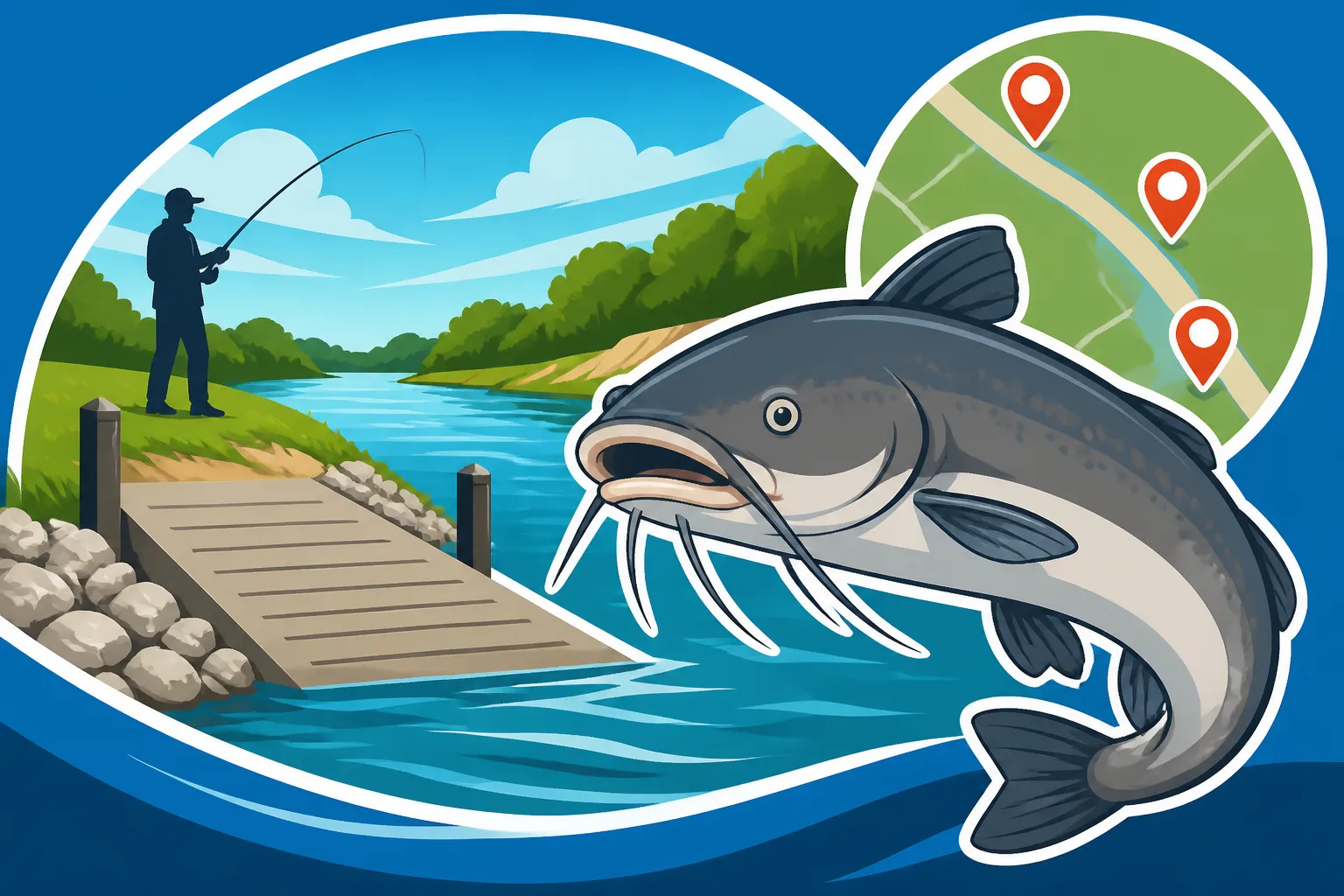
Republican River Catfish Access Points
It can be incredibly frustrating to hit the water on the Republican River, hoping to land some impressive catfish, only to find yourself wondering if you're even in the right spot or if the access you found is truly worth the effort. Many anglers spend precious time driving around, looking for that perfect bend or deep hole, often coming up empty-handed. This guide is here to take the guesswork out of your next catfishing adventure, revealing some of the best and most reliable access points along the Republican River in Kansas where you can consistently find channel, blue, and flathead catfish.
Understanding the Republican River for Catfish
The Republican River, originating in eastern Colorado and flowing through Nebraska before entering Kansas, is a vital waterway for a variety of fish species, but it truly shines as a prime habitat for catfish. This river offers a diverse ecosystem, from slow, deep pools to faster-moving riffles and sandbars, all of which attract different catfish species throughout the year. Knowing the river's characteristics is your first step to unlocking its catfishing potential.
River Characteristics and Catfish Habitat
When you look at the Republican River, you'll notice it’s not always the widest or deepest river, especially compared to some of the major reservoirs in Kansas. However, what it lacks in sheer size, it makes up for in structure and food sources for catfish. The riverbed often consists of sand, gravel, and silt, with occasional rocky outcroppings and submerged timber. These features create perfect ambush points and hiding spots for catfish. Channel catfish, for instance, love to hang around current breaks, logjams, and deeper holes where they can easily intercept passing baitfish or other food items. Flathead catfish, on the other hand, are true structure lovers, preferring to hide in the densest logjams, undercut banks, and deep scour holes where they can ambush live prey. Blue catfish, while less common in the upper stretches of the Republican compared to larger rivers like the Kansas River, will still utilize deeper sections with strong currents, especially downstream towards its confluence with the Smoky Hill to form the Kansas River.
The river's flow can fluctuate quite a bit throughout the year, influenced by rainfall and upstream releases. High water periods can spread fish out, making them harder to locate, while lower, stable flows often concentrate them in predictable areas like deep bends, confluence points, or below small rapids. Pay attention to these changes; they dictate where the fish will be holding. Understanding these nuances is crucial for developing effective Kansas Fishing Techniques for Beginners specifically tailored to river environments.
The Abundance of Catfish Species
The Republican River in Kansas is primarily known for its excellent populations of channel catfish. These whiskered fighters are abundant and can be caught using a wide variety of baits and techniques. They are often found in almost every accessible stretch of the river. However, don't overlook the opportunity to target flathead catfish, especially in areas with substantial timber and deeper water. These giants offer a serious challenge and a rewarding catch. While blue catfish might not be the primary target in every section, they are present, particularly in the lower Republican where it meets the Smoky Hill River, forming the majestic Kansas River. For a deeper dive into what makes these species tick, you'll want to check out our comprehensive Kansas Catfish Species Guide.
It’s important to remember that each species has slightly different preferences regarding habitat, diet, and behavior. Channel catfish are opportunistic feeders, eating almost anything from cut bait to prepared stink baits. Flatheads are primarily piscivorous, meaning they prefer live bait. Blue catfish, being schooling fish, often go after cut bait in stronger currents. Knowing these preferences will help you choose the right bait and tactics for your target species, ensuring a more successful outing. Make sure you're also familiar with the Kansas Channel Catfish Daily Limit and the Kansas Flathead Catfish Daily Limit before you head out.
Key Access Points for Catfish on the Republican River
Finding the right spot on the Republican River often comes down to knowing where public access exists and what those areas offer in terms of habitat and convenience. While some spots might require a bit of a hike, others provide easy drive-up access, perfect for a quick evening trip or if you're bringing a lot of gear. Remember to always respect private property and be mindful of "No Trespassing" signs; stick to designated public access areas.
Public Parks and Wildlife Areas
Many of the most reliable access points along the Republican River are found within state parks, public fishing areas, or wildlife management areas managed by the Kansas Department of Wildlife, Parks and Tourism (KDWP). These areas are usually well-maintained and offer amenities like parking, restrooms, and sometimes even boat ramps.
One fantastic area is the Republican River Wildlife Area near Concordia. This area offers extensive public land along the river, providing numerous spots for bank fishing. You can find deep bends and logjams here that are notorious for holding good numbers of channel cats and even some big flatheads. It's a prime example of Republican River Fishing Access that's well-managed and provides excellent opportunities. Another great spot is the Belleville City Park access, which offers a more urban fishing experience but still produces plenty of catfish. Here, you'll find easy bank access, often close to deeper water, making it convenient for anglers of all ages. For those looking for a bit more adventure, some of the smaller county roads might lead to bridge crossings that offer limited but often productive access, just be sure to verify they are public access points.
Bridge Crossings and Roadside Access
Bridge crossings over the Republican River can often be overlooked gems for catfishing access. While you should always be cautious about parking and safety, many bridges offer direct access to deeper water and current breaks that catfish love. Below bridges, the pilings and rip-rap often create scour holes and eddies where fish congregate.
For instance, several state highway bridges crossing the Republican River between Concordia and Clay Center can provide decent access. The key is to look for pull-offs or designated parking areas nearby. Always make sure you're not obstructing traffic or parking illegally. Often, these spots allow anglers to fish from the bank directly below the bridge or, if the banks are stable, walk a short distance upstream or downstream to find more secluded spots. When fishing from bridges, be aware of boat traffic if it's a navigable section of the river, and always use caution with overhead lines if casting. These spots are particularly good for targeting channel catfish with cut bait or worms. You can often scout these areas quickly to see if they hold promise before setting up your gear. For those who prefer to fish from the bank, learning How to Catch Channel Catfish From the Bank specifically applies to these types of river setups.
Boat Ramps and Kayak Launch Points
While the Republican River isn't typically known for large boat traffic, there are a few public boat ramps and numerous spots suitable for launching kayaks or canoes, especially in the wider, deeper sections. Accessing the river by boat opens up a whole new world of catfishing opportunities, allowing you to reach secluded bends, deep holes, and extensive logjams that are inaccessible from the bank.
One such area providing potential boat access is near the lower stretches as the Republican merges. While dedicated large boat ramps are scarce directly on the Republican River in Kansas due to its sometimes shallow nature, many anglers use smaller jon boats, canoes, or kayaks. These smaller crafts allow you to navigate shallower waters and reach prime catfish habitat. Look for informal access points where the bank is low and stable enough to launch a kayak or canoe. Always be sure to check the river levels before launching, as low water can make navigation difficult. If you plan on using any type of watercraft, remember to check Kansas Boat Registration for Anglers regulations to ensure you're compliant. For those adventurous anglers, exploring the river by kayak allows you to drift silently into prime fishing holes, making it an excellent way to target those elusive flatheads hiding deep within timber. When booking a guided trip, platforms like FishingBooker often list guides who specialize in river fishing and might offer excursions on the Republican River, providing expertise and boat access to top spots.
Here's a quick overview of some potential access types:
| Access Type | Best For | Typical Amenities | Catfish Species Targeted | Notes |
|---|---|---|---|---|
| State Parks/Wildlife Areas | Bank fishing, some informal kayak launches | Parking, restrooms (sometimes), trails | Channel, Flathead, Blue (lower) | Well-maintained, public land, often multiple spots |
| Bridge Crossings | Quick bank fishing, convenient | Limited parking (roadside) | Channel, Flathead | Watch for traffic, public safety, can be crowded |
| Informal Shoreline Access | Secluded spots, kayak/canoe launching | Minimal (no official facilities) | Channel, Flathead | Requires scouting, respect private land, often productive |
Tips for Successful Catfishing on the Republican River
Once you've found your access point, the real fun begins. Catfishing on the Republican River requires a bit of strategy, but with the right techniques and bait, you'll be pulling in whiskered beauties in no time.
Essential Gear and Bait Choices
You don't need highly specialized gear to catch catfish on the Republican River, but having the right setup can definitely improve your success rate. A medium-heavy to heavy action spinning or baitcasting rod, paired with a reel spooled with 15-30 lb monofilament or braided line, is a good starting point. This setup gives you enough power to cast heavier baits and pull fish out of snags. For terminal tackle, use a slip sinker rig with an egg sinker or flat sinker (to prevent rolling in current), a swivel, and a sturdy circle hook in sizes 4/0 to 8/0, depending on the size of catfish you're targeting.
When it comes to bait, variety is key. For channel catfish, classic options like chicken livers, cut bait (shad, sunfish, or carp), and prepared stink baits are highly effective. Many local bait shops along major highways like US-24 or US-36 will carry a good selection of these. For flathead catfish, live bait is almost always preferred. Small sunfish, shiners, or goldfish are excellent choices. Rig them on a large circle hook (6/0 to 8/0) near deep cover. Blue catfish, if present in your area, will readily strike large chunks of fresh cut bait. Remember, checking our guide on the Best Bait for Kansas Catfish can provide even more detailed recommendations based on species and season.
Identifying Productive Spots and Techniques
Even within an accessible area, some spots will be more productive than others. Look for natural features that attract catfish. Deep holes in river bends are always prime locations. Current breaks created by fallen trees, logjams, or large rocks are also excellent spots, as catfish use these areas to rest and ambush prey. Undercut banks provide shade and shelter, making them perfect hiding spots, especially for flatheads.
Drift fishing can be a very effective technique on the Republican River, especially for channel and blue catfish. Using a slip sinker rig, allow your bait to slowly drift along the bottom, covering more water and presenting a natural offering. Our detailed guide on Drift Fishing for Kansas Catfish explains this technique thoroughly. For flatheads, anchoring near a substantial logjam or deep hole and presenting a live bait on the bottom is often the most successful approach. If you're exploring the river with a kayak or canoe, you can slowly paddle and fish, targeting structure as you go. Consider hiring a local guide through platforms like FishingBooker; they often know the most productive stretches and specific holes on the river, drastically cutting down your scouting time.
Best Times to Fish
Catfish are generally more active during low-light hours, making early mornings, late evenings, and nighttime prime fishing times, especially during the warmer months. As the sun beats down, catfish often retreat to deeper, cooler water or dense cover. However, after a good rain that introduces fresh, cooler water and new food sources into the river, catfish can be active throughout the day.
During the spring, as water temperatures rise, catfish become very active and move into shallower areas to feed aggressively before their spawn. This is an excellent time for both quantity and quality. Summer nights are legendary for big catfish, as they venture out from their daytime lairs to feed under the cover of darkness. In the fall, as water temperatures begin to drop, catfish will feed heavily in preparation for winter, making it another productive season. Even in winter, if the river doesn't completely freeze over, you can find active channel catfish in deeper holes, though their metabolism slows, and they might be less aggressive. Always keep an eye on the weather and river conditions; changes in flow, turbidity, and temperature can significantly impact catfish behavior.
Conservation and River Etiquette for Anglers
As responsible anglers, it's our duty to protect the natural beauty and health of the Republican River and its fish populations. Following conservation guidelines and practicing good river etiquette ensures that everyone can enjoy this fantastic resource for years to come.
Adhering to Kansas Fishing Regulations
Before you even make your first cast, you need to be familiar with the current Kansas Fishing Regulations Explained, especially those pertaining to catfish. Regulations cover everything from daily creel limits to length limits and legal fishing methods. For instance, while trotlines and jug fishing can be highly effective for catfish, they are subject to specific rules and require proper tagging and attendance. Make sure you understand all the nuances of Kansas Trotline and Jug Fishing Rules if you plan to use these methods.
Always carry your valid Kansas Fishing License Guide with you, as it's required for most anglers over the age of 16. The KDWP regulations summary is available online and at most license vendors. Pay close attention to any special regulations for specific river sections or species. These rules are in place to manage fish populations sustainably, ensuring there are plenty of catfish for future generations of anglers. If you're targeting blue catfish, familiarize yourself with Kansas Blue Catfish Facts and Limits as well.
Practicing Catch and Release and Proper Handling
While many anglers enjoy taking catfish home for a delicious meal, practicing catch and release, especially for larger breeding-size fish or when you've already met your legal limit, is crucial for maintaining healthy populations. If you do plan to release a fish, handle it with care. Wet your hands before touching the fish to protect its slime coat, which is vital for its health. Support the fish horizontally, especially large ones, to avoid damaging its internal organs.
Use appropriate tools like needle-nose pliers or a hook remover to quickly and safely remove hooks. If a fish is deeply hooked, it's sometimes better to cut the line as close to the hook as possible rather than causing further injury by trying to remove it. For catfish, which are tough fighters, a sturdy landing net or even a pair of fish grips can help you control the fish quickly and minimize its time out of the water. Thinking about the long-term health of the fishery is a hallmark of a seasoned angler.
Leaving No Trace
One of the most important aspects of river etiquette is to leave no trace of your visit. This means packing out everything you pack in, including all trash, discarded fishing line, and bait containers. Litter not only detracts from the beauty of the river but can also harm wildlife. Fishing line, in particular, is a significant hazard to birds and other animals.
Be mindful of the vegetation and riverbanks. Avoid trampling delicate plants or eroding banks, especially when choosing your fishing spot. If you're building a small campfire (where permitted), ensure it's completely extinguished before you leave. Respect other anglers and river users; maintain a reasonable distance, keep noise levels down, and always offer assistance if you see someone in need. By being a responsible steward of the Republican River, you contribute to a positive experience for everyone who enjoys this incredible natural resource, and you help preserve its vibrant ecosystem for years to come.
Disclaimer
Fishing involves inherent risks, including but not limited to adverse weather conditions, slippery banks, and encounters with wildlife. Always prioritize safety and be aware of your surroundings. Regulations regarding fishing licenses, seasons, and limits can change, so it is the angler's responsibility to consult the most current Kansas Department of Wildlife, Parks and Tourism (KDWP) guidelines before fishing. This guide is for informational purposes only and does not constitute professional advice or a guarantee of fishing success.