Marion Reservoir Fishing Access Points
It can be incredibly frustrating to roll up to a new fishing spot, especially a big reservoir, only to find yourself driving around for ages trying to figure out where you can actually get on the water. You’ve heard the whispers about Marion Reservoir and its fantastic fishing, but knowing where to cast a line, whether from the bank or launching a boat, feels like a secret handshake. This guide is here to cut through that confusion, giving you a detailed breakdown of the best fishing access points at Marion Reservoir so you can spend less time searching and more time reeling in that next big catch.
Understanding Marion Reservoir's Unique Fishing Landscape
Marion Reservoir, nestled in Marion County, Kansas, is a stunning body of water spanning approximately 6,160 acres. It's a key destination for anglers across the state, and for good reason. Managed jointly by the U.S. Army Corps of Engineers and the Kansas Department of Wildlife, Parks and Tourism (KDWP), this lake offers diverse habitats, from expansive open water to submerged timber, rocky points, and shallow coves, making it a true angler's paradise. But its size also means finding the right access point is paramount to a successful outing.
A Brief Overview of Marion Reservoir's Appeal
Marion Reservoir isn't just a pretty face; it’s known for its robust fish populations and offers a variety of fishing experiences. The lake was impounded in 1968, and over the decades, it has developed into a thriving ecosystem supporting numerous game fish. For those who love the challenge of finding structure or drifting open water, Marion provides ample opportunities. The surrounding landscape, a mix of rolling prairies and wooded areas, only adds to its charm, making it a great spot for a full day or even a weekend adventure. The reservoir's consistent stocking programs and habitat improvement efforts by KDWP ensure that anglers have a strong chance at a productive day, regardless of their preferred target species.
Primary Fish Species You'll Encounter
Anglers flock to Marion Reservoir primarily for its fantastic walleye fishing, but that's just the tip of the iceberg. You’ll find a healthy population of channel catfish, flathead catfish, and blue catfish, especially in the deeper channels and river arms. Crappie are also abundant, offering thrilling action, particularly during their spring and fall movements. For those who enjoy a hard fight, white bass and wipers (a hybrid striped bass) provide exciting opportunities in open water and during their famous river runs. There are also decent numbers of largemouth bass, particularly in areas with submerged brush and timber. Knowing what you're targeting can often help you pick the best access point, as different species prefer different types of habitat close to shore or boat ramps. If you're keen on chasing different species, our comprehensive Kansas Fish Species Guide can give you more insights into what to expect.
Premier Bank Fishing and Shoreline Access Points
Not everyone has a boat, and honestly, sometimes there’s nothing quite as relaxing as setting up a chair on the bank, casting a line, and just enjoying the tranquility. Marion Reservoir offers several excellent spots for bank anglers, each with its own advantages.
Marion Reservoir State Park Shores
The eastern side of the reservoir is home to Marion Reservoir State Park, which provides some of the most accessible and well-maintained bank fishing areas. This park is a hub of activity and offers a variety of amenities.
One popular spot is Cottonwood Point. This area extends into the lake, offering excellent access to deeper water without needing a boat. The points and coves around Cottonwood Point are known for producing crappie and white bass, especially during their spawning seasons. You can often find anglers setting up here with multiple rods, targeting different depths. The rocky banks here can also hold walleye, particularly during low light conditions or when they move shallow to feed. The convenience of nearby parking and restroom facilities makes it a family-friendly choice.
Another fantastic area within the State Park is around Hillsboro Cove. While often used for boat launching, the shoreline around the cove entrance and along the main park roads can provide great access for bank fishing. These areas tend to have more gradual slopes, making them easier to navigate, and often feature submerged vegetation that attracts panfish and smaller bass. It’s a good spot if you’re looking for a more relaxed setting to catch bluegill or redear sunfish, which are perfect for young anglers. Don't forget to check out our Kansas Panfish Guide for tips on catching these feisty little fish.
Public Hunting and Fishing Areas (PHFA) Access
Beyond the developed state park, Marion Reservoir is surrounded by extensive Public Hunting and Fishing Areas (PHFAs) managed by KDWP. These areas offer a more rugged, less crowded experience for anglers willing to explore. You might need to walk a bit further or navigate some uneven terrain, but the reward can be excellent fishing in undisturbed waters.
The PHFAs often feature long stretches of undeveloped shoreline, perfect for those seeking solitude. These areas are particularly good for targeting channel catfish and flathead catfish, especially during warmer months. Anglers using cut bait or stink bait often have success here, as the less pressured waters can hold larger, more wary fish. While specific "named" access points are less common in these areas, consulting a KDWP public land map for Marion Reservoir can reveal numerous informal trails and access points. Just be mindful of hunting seasons if you're venturing out during the fall, and always wear appropriate safety gear. These spots can be goldmines for anglers who prefer to cast into an untouched stretch of water.
Dam Area and Spillway Fishing
The Marion Reservoir dam area, specifically the outflows and spillway, can be incredibly productive, especially during periods of water release. Fish tend to congregate in these currents, seeking out baitfish that are flushed through. However, fishing directly below the dam or in the spillway area is often subject to very specific regulations due to safety concerns.
Typically, anglers will find success fishing the calmer waters adjacent to the spillway or in the first major pools downstream from the dam. White bass and saugeye are frequently caught here, as they are strong current feeders. Always look for signage around the dam, as rules can change. Some areas might be restricted due to machinery or dangerous currents, so safety should always be your top priority. If conditions are right and access is permitted, the dam area can offer some of the most consistent action at the reservoir, particularly for those targeting schooling fish.
Marion Reservoir Boat Ramps and Water Access
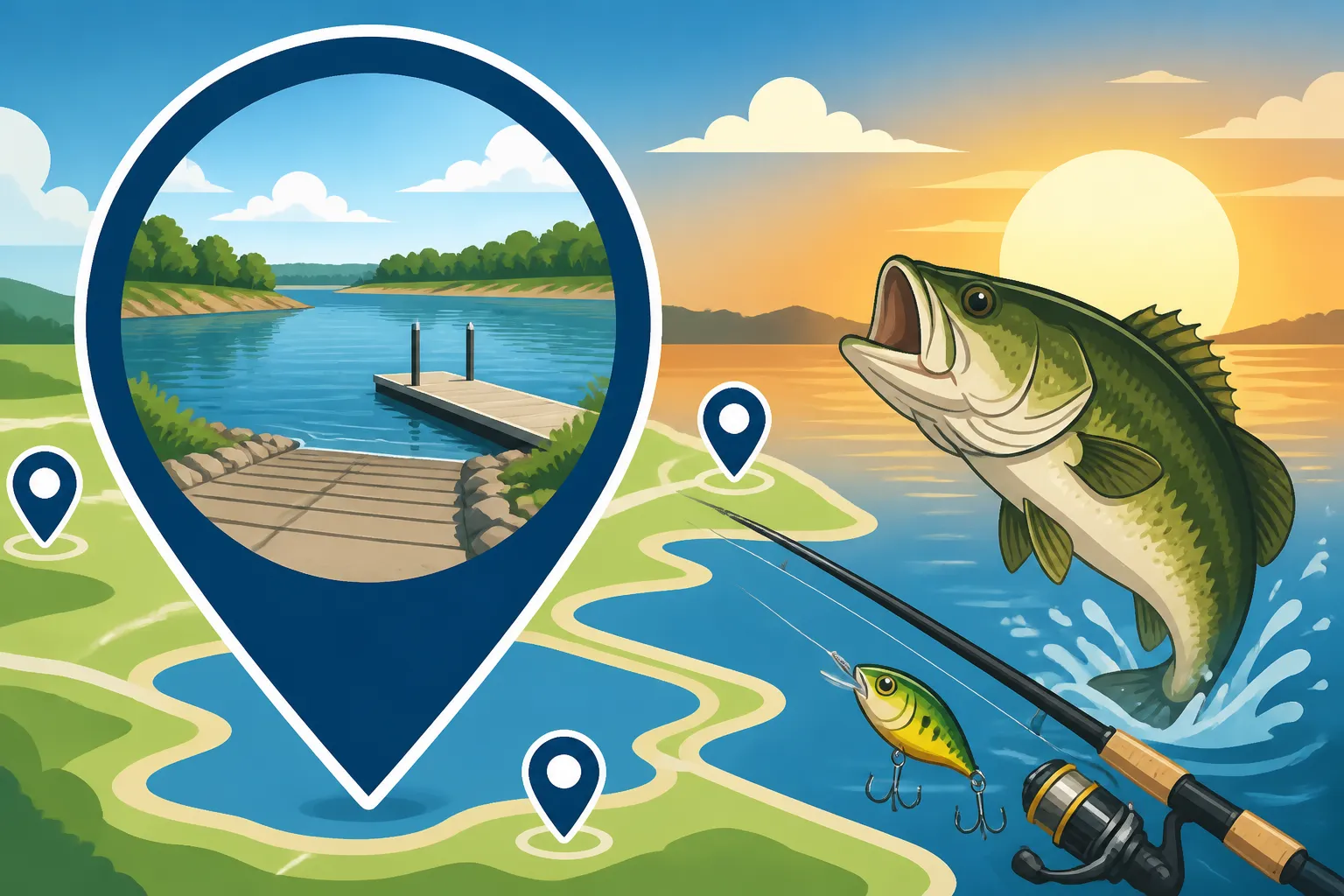
For many serious anglers, a boat is the key to unlocking Marion Reservoir’s full potential. With its vast open waters, numerous coves, and submerged structures, having a vessel allows you to reach spots that bank anglers simply can't. Thankfully, Marion Reservoir offers several well-maintained boat ramps.
Major Boat Ramps and Their Features
The primary boat ramps at Marion Reservoir are strategically located to provide access to different sections of the lake, catering to various fishing preferences.
-
Cottonwood Point Boat Ramp (Marion Reservoir State Park): This is one of the most popular and well-equipped ramps on the east side of the lake. It features multiple lanes, ample parking for trucks and trailers, and typically has good water depth even during fluctuating lake levels. Its proximity to Cottonwood Point means quick access to excellent walleye and crappie structure. This ramp is ideal for larger bass boats, walleye rigs, and even pontoon boats. The convenience of being within the state park also means easy access to facilities and camping spots, making it a great base camp for a multi-day fishing trip. If you’re towing a bigger rig, this is often your best bet for a smooth launch and retrieve.
-
Hillsboro Cove Boat Ramp (Marion Reservoir State Park): Located a bit further south within the State Park, the Hillsboro Cove ramp also offers good facilities, though it might see slightly less traffic than Cottonwood Point. It’s a great option if the main ramp is crowded or if you want to explore the southern parts of the reservoir more immediately. The cove itself can be productive for bass and crappie, especially in the spring. Like Cottonwood Point, it typically offers good parking and easy access to the water.
-
Marion County Park Boat Ramps (West Shore): On the western side of the reservoir, Marion County Park provides additional boat launch opportunities. These ramps are generally well-maintained and offer access to a different side of the lake. The western shoreline tends to have more submerged timber and brush, which can be fantastic habitat for largemouth bass and crappie. These ramps are often less crowded than the state park ramps, especially on weekdays, offering a quicker and quieter launch experience. Remember, regardless of where you launch, ensure your vessel is properly registered. Our Kansas Boat Registration Guide outlines all the requirements.
Kayak and Canoe Launch Spots
Kayaking and canoeing have exploded in popularity among anglers, and for good reason: they offer quiet access to shallow coves and backwaters that larger boats can't reach. Marion Reservoir is a fantastic place for paddlecraft, and while there aren't always "designated" kayak launches separate from boat ramps, many spots are perfectly suited.
The numerous small coves and quieter sections within Marion Reservoir State Park or the KDWP PHFAs provide ideal spots for launching a kayak or canoe. Look for areas with a gentle slope and firm ground where you can easily slide your paddlecraft into the water. These "soft launches" are often found at the ends of gravel roads or informal access points within the public lands. These quieter areas are phenomenal for targeting largemouth bass, sunfish, and shallow-water crappie. The stealth of a kayak allows you to approach fish without spooking them, and you can thoroughly work brush piles and lily pads. Packing light and having the right gear is key for these trips; our Kansas Kayak Fishing Gear Guide can help you get set up for success. Always remember to check wind conditions before heading out, as large reservoirs can get choppy quickly.
Navigating Regulations and Maximizing Your Experience
Getting to the water is only half the battle. To ensure a safe, legal, and ultimately successful fishing trip at Marion Reservoir, a little preparation goes a long way. Understanding the rules and having a few local tips in your back pocket can make all the difference.
Essential Permits and Licenses
Before you even think about casting a line, make sure your paperwork is in order. Every angler 16 years of age and older needs a valid Kansas fishing license. This is non-negotiable and easy to obtain online through the KDWP website, at sporting goods stores, or local bait shops.
Beyond the basic fishing license, if you plan to access Marion Reservoir through Marion Reservoir State Park, you will also need a Kansas State Park Fishing Permit Rules. This permit is often a vehicle permit that covers entry into the park area. You can usually purchase these at the park office or self-pay stations. It’s always best to check the current requirements before you go, as rules can occasionally change. Being prepared avoids any unnecessary fines or disruptions to your fishing day.
Table: Marion Reservoir Fishing Access Points Summary
Here's a quick rundown of some key access points and what they offer:
| Access Point | Type of Access | Primary Target Species | Key Features & Considerations |
|---|---|---|---|
| Cottonwood Point | Bank, Boat Ramp | Walleye, Crappie, White Bass | Multiple ramps, ample parking, nearby facilities, rocky points. |
| Hillsboro Cove | Bank, Boat Ramp | Bass, Crappie, Panfish | Good facilities, less crowded, access to southern lake areas. |
| Marion County Park Ramps | Boat Ramp | Bass, Catfish, Crappie | West shore access, often less busy, good for exploring timber. |
| State Park Shorelines | Bank | Panfish, Catfish, Bass | Easy walking access, family-friendly, diverse depths. |
| PHFA Shoreline Access | Bank (primitive) | Catfish, Bass, Panfish | Less crowded, rugged terrain, requires KDWP land maps for specific spots. |
| Dam Outflow (restricted) | Bank (check rules) | White Bass, Saugeye | High current areas, can be highly productive but safety is key. |
Tips for Planning Your Trip and Local Insights
Marion Reservoir's fishing success can often hinge on a few key factors:
- Check Water Levels and Weather: Before heading out, especially for bank fishing or if you're launching a boat, check the current lake levels and weather forecast. High winds can make boating hazardous on a large reservoir, and rapidly changing water levels can affect bank access. The U.S. Army Corps of Engineers website usually has up-to-date lake information.
- Scout Your Location: If you're new to a specific access point, take a few minutes to walk the shoreline or observe from the ramp before unloading all your gear. Look for subtle changes in depth, submerged cover, or current breaks that might hold fish.
- Consider a Guide: If you're truly looking to maximize your time and learn the reservoir quickly, consider booking a local fishing guide. Guides know the lake intimately, including hidden spots and the most effective techniques for current conditions. Platforms like FishingBooker make it easy to find experienced local guides who can put you on the fish and share invaluable insights specific to Marion Reservoir. This can be especially helpful if you're targeting specific species like walleye or want to learn the best spots for Kansas Walleye Fishing Techniques.
- Optimal Timing: For species like crappie and white bass, knowing the Kansas White Bass Run Timing or when crappie are in the shallows can dramatically improve your success. Early morning and late evening are often the most productive times, especially in warmer months.
- Bait and Tackle: While live bait like minnows, worms, and shad are always excellent choices, having a variety of artificial lures is also wise. Jigs with soft plastics, crankbaits, and spinnerbaits are staples for walleye and bass. For catfish, stink baits, cut bait, or even chicken livers are hard to beat. Local bait shops near Marion or Hillsboro can often provide current hot tips on what's biting and what bait to use.
- Respect Other Anglers and the Environment: Always practice catch and release if you don't plan to eat your catch, dispose of all trash properly, and be mindful of noise levels, especially in shared areas. Leave the spot better than you found it.
Whether you're planning a quiet morning casting from the bank at Hillsboro Cove or launching your boat for a full day of chasing walleye, Marion Reservoir offers fantastic opportunities. By understanding the various access points and doing a little homework, you'll be well on your way to a memorable Kansas fishing adventure.
Disclaimer
Fishing conditions and regulations in Kansas can change, so always consult the most current Kansas Department of Wildlife, Parks and Tourism (KDWP) regulations before heading out. This guide provides general information and recommendations but should not replace official sources. Always prioritize safety on the water.