Kansas Community Lake Fishing Spots
Finding that perfect fishing spot can sometimes feel like a treasure hunt, especially when you're looking for somewhere accessible, family-friendly, and stocked with fish without the hustle and bustle of bigger reservoirs. It’s frustrating to drive all the way out to a lake only to find it overcrowded, hard to navigate with kids, or lacking decent amenities. This comprehensive guide is here to unravel the mystery of Kansas's fantastic community fishing lakes, offering detailed insights into what makes them special, where to find them, and how to make the most of your angling adventures at these local gems.
Understanding Kansas Community Fishing Lakes
Kansas is renowned for its vast reservoirs, but often overlooked are the smaller, equally vibrant community fishing lakes that dot the landscape. These aren't just puddles; they're managed aquatic ecosystems designed with local anglers in mind, providing easy access and consistent fishing opportunities right in your backyard, or at least a short drive away. They represent a concerted effort by the Kansas Department of Wildlife and Parks (KDWP) and local municipalities to enhance recreational fishing for everyone, from seasoned veterans to those just casting their first line.
What Makes a Lake a "Community" Lake?
The term "Community Fishing Lake" isn't just a casual name; it designates a specific type of water body managed with particular goals in mind. These lakes are typically smaller than major reservoirs, often located closer to urban or suburban areas, making them incredibly convenient for a quick fishing trip after work or a weekend outing with the family. The KDWP often collaborates with local cities or counties to manage these lakes, ensuring they meet specific criteria for public access, fish stocking, and amenity development. This partnership means that while the state provides expertise and fish, local entities often maintain the surrounding infrastructure.
Unlike private ponds, which might require explicit permission from landowners, community lakes are public assets, accessible to anyone with a valid Kansas fishing license. They are often subject to specific local rules in addition to statewide regulations, which are usually posted clearly on-site. The focus is squarely on providing quality recreational opportunities, making them a cornerstone of local outdoor life and a fantastic resource for fostering a love of fishing within the community.
Benefits of Fishing Community Lakes
Fishing community lakes comes with a host of advantages that make them a standout choice for many anglers. First and foremost is their accessibility. Many feature paved parking, concrete boat ramps (for smaller craft, often electric motors only), and well-maintained bank fishing areas, sometimes even with handicap-accessible piers. This thoughtful design removes many barriers to entry, making it easier for seniors, individuals with disabilities, and families with young children to enjoy a day on the water. You'll often find clean restrooms, picnic areas, and even playgrounds nearby, transforming a fishing trip into a full-fledged family outing.
Another significant benefit is the consistent stocking programs. These lakes are frequently stocked with popular game fish, increasing the likelihood of a successful catch and building angler confidence. Imagine bringing your kids to a spot where they're almost guaranteed to reel something in – that's the magic of many community lakes. They also tend to be less crowded than larger, more famous fishing destinations, offering a more peaceful and intimate fishing experience. For those learning the ropes, the contained nature of these smaller lakes can be less intimidating than navigating vast, open waters, providing a perfect learning environment.
Key Features and Management of Community Lakes
Kansas community fishing lakes are not left to chance; they are actively managed ecosystems designed to provide optimal fishing experiences. This proactive approach covers everything from what species thrive there to how easy it is for you to get your line in the water, ensuring that every visit offers a rewarding experience. The careful planning and consistent upkeep by the KDWP and local partners are what set these spots apart.
Stocking Programs and Fish Species
One of the cornerstones of community lake management is the strategic stocking of fish. The KDWP invests considerable effort into maintaining healthy fish populations in these waters, often stocking them several times throughout the year. For instance, many community lakes receive regular infusions of channel catfish, especially during the warmer months, to ensure there are plenty of biters for anglers. It's common to see community lakes stocked with various sizes of catfish, providing both quantity and the occasional trophy-sized catch.
Beyond catfish, you'll often find an abundance of panfish like bluegill and crappie, which are fantastic for younger anglers and provide consistent action. In some instances, especially during the cooler months, certain community lakes are designated as "winter trout fisheries" and are stocked with rainbow trout. This diverse stocking strategy means that depending on the season and the specific lake, you could be targeting a wide variety of species, making each trip unique. Knowing the stocking schedule can significantly boost your success, and the KDWP website is an excellent resource for this information.
Accessibility and Amenities for Anglers
Community lakes are designed with the angler's convenience in mind. You'll rarely find yourself trudging through dense brush to reach the water's edge here. Many boast paved access roads, ample parking, and well-maintained gravel or concrete pathways leading to the water. A significant number of these lakes feature accessible fishing piers, complete with railings and often shaded areas, making them perfect for anglers of all ages and abilities. These piers are often positioned over deeper water or near structure, giving you a better chance at catching fish.
Beyond fishing-specific amenities, many community lakes are integrated into larger park systems, offering additional facilities like picnic tables, grills, clean restrooms, and sometimes even playgrounds for the kids. If you're planning a day-long family outing, these extra comforts can make a huge difference. For those who prefer to fish from a boat, many community lakes provide concrete boat ramps, though most limit boat motors to electric-only to maintain a peaceful environment and prevent shoreline erosion, preserving the fishing experience for everyone.
Navigating Local Regulations and Permits
While Kansas fishing regulations provide a statewide framework, community lakes often have specific local rules you'll need to be aware of. These can range from daily creel limits that differ slightly from the general state regulations, to restrictions on certain types of bait or fishing methods. For example, some community lakes might have a slot limit for certain species or might prohibit the use of trotlines or jug fishing techniques entirely. It’s crucial to check the specific regulations for each community lake you plan to visit, as ignorance is rarely an excuse when it comes to wildlife enforcement.
In addition to your standard Kansas fishing license, some community lakes or those located within state parks might require an additional permit, such as a State Park Vehicle Permit for Anglers, or a specific local permit from the managing municipality. These details are usually posted at the lake entrance or available on the KDWP website or the respective city/county parks department site. Always make sure you understand the rules before you cast your line, ensuring a smooth and enjoyable experience for everyone involved. You can find comprehensive details in the Kansas Fishing Regulations Explained guide.
Top Community Fishing Lakes Across Kansas
Kansas boasts an impressive network of community fishing lakes, strategically placed to offer diverse angling opportunities across the state. Whether you're in the bustling northeast, the scenic central plains, or the quiet stretches of the west, there's likely a well-stocked, accessible community lake waiting for your next adventure. Each region offers its unique charm and angling prospects, from urban ponds to more secluded, nature-immersed settings.
Northeastern Kansas Gems
The northeastern part of Kansas, with its higher population density, benefits greatly from easily accessible community lakes. These urban and suburban oases provide quick escapes for anglers without requiring a long drive.
-
Shawnee County Lake (Lake Shawnee, Topeka): This is a crown jewel for Topeka residents and visitors alike. Lake Shawnee is a large municipal lake that acts like a community lake, heavily managed and regularly stocked with channel catfish, crappie, and largemouth bass. It's incredibly family-friendly, featuring multiple boat ramps (electric motors only), numerous accessible fishing docks, and plenty of bank fishing opportunities. Its well-maintained park setting includes playgrounds, shelters, and even a miniature golf course, making it ideal for a full day out with the family. The lake's structure, with its varying depths and coves, provides diverse habitats for fish, ensuring good fishing throughout the seasons.
-
Atchison City Lake (Atchison): Nestled slightly north, Atchison City Lake is another excellent spot known for its robust populations of channel catfish, crappie, and bluegill. It's a peaceful retreat, often less crowded than some larger urban lakes, making it perfect for a tranquil morning of fishing. The lake offers good bank access and a boat ramp for small boats, again with electric motor restrictions usually in place. The local community takes pride in its upkeep, and anglers often report consistent catches, especially during spring and fall.
Central Kansas Favorites
Moving towards the heart of the state, central Kansas offers a mix of agricultural landscapes and rolling plains, with community lakes providing essential fishing havens.
-
McPherson State Fishing Lake (McPherson County): While technically a state fishing lake, it operates very much like a community resource due to its size and accessibility. This lake is a fantastic destination, managed by KDWP with strong stocking programs for channel catfish, crappie, and even saugeye. It features good bank access, a boat ramp, and facilities for picnicking and camping, making it a great spot for a weekend trip. The lake's relatively clear water often makes for exciting sight-fishing opportunities for panfish in shallower areas.
-
Harvey County East Lake (near Newton): This lake is a local favorite, known for its consistent channel catfish and crappie fishing. Its calm waters and ample bank access make it particularly appealing to families and those seeking a relaxing day. The county maintains several fishing jetties and a boat ramp, ensuring diverse angling options. The lake is also home to healthy populations of largemouth bass, providing a challenge for sport anglers. Many local fishing tournaments are held here, a testament to its quality.
Southeastern Kansas Hotspots
The southeastern corner of Kansas, rich in natural beauty and diverse topography, offers some picturesque community fishing experiences.
-
Lake Parsons (Parsons): A larger municipal lake that provides excellent community fishing, Lake Parsons is celebrated for its impressive populations of crappie, channel catfish, and largemouth bass. It's a popular destination, offering multiple boat ramps, numerous docks, and extensive shoreline access. The lake's deeper sections hold larger fish, while its coves and shallow areas are perfect for targeting panfish. The surrounding park facilities are well-developed, ensuring a comfortable visit for all.
-
Big Hill Lake Community Access (near Cherryvale): While Big Hill Lake is a major reservoir, it has designated community fishing areas that are actively managed for easier access and consistent catches. These areas often focus on providing bank access and specific stocking programs for channel catfish and panfish. It's a prime example of how even larger bodies of water can cater to the community fishing model, offering a blend of big-lake opportunities with localized, angler-friendly management. The diverse structure, from rocky points to submerged timber, makes it a dynamic fishing environment.
Western Kansas Opportunities
In western Kansas, where larger bodies of water are fewer, community fishing lakes become even more vital, providing critical recreational opportunities in a more arid landscape.
-
Finney County Lake (Garden City): This smaller, well-maintained lake near Garden City is a crucial fishing resource for residents of western Kansas. It's regularly stocked with channel catfish and provides good opportunities for bluegill and crappie. The lake is designed for easy access, with several fishing docks and plenty of bank access, making it very popular with local families. It's a testament to the KDWP's commitment to providing fishing opportunities even in regions with fewer natural waterways.
-
Scott State Lake (Scott City): Located within Lake Scott State Park, this lake truly embodies the "community" spirit, offering a serene fishing experience amidst stunning natural beauty. While it requires a state park vehicle permit, it's well worth the fee. The lake is regularly stocked with channel catfish and sometimes rainbow trout during winter. Its unique canyon setting and excellent facilities, including camping and hiking, make it a full outdoor adventure. The KDWP ensures its fish populations are healthy, making it a reliable spot for anglers in the far west.
Targeting Popular Species in Community Lakes
Community fishing lakes are often managed to provide abundant populations of several popular game fish, making it easier for anglers of all skill levels to find success. Understanding the typical behavior and preferred baits for these species can significantly increase your catch rate and enjoyment. Whether you're aiming for a panfish feast or a feisty catfish, these lakes offer prime opportunities.
Crappie and Bluegill: Panfish Perfection
Crappie and bluegill are the undisputed kings of panfish in Kansas community lakes, offering consistent action and delicious fillets. They are often found in large numbers, making them excellent targets for beginners and children. These species typically prefer calmer, shallower waters, especially during their spawning seasons in spring.
For crappie, look for submerged brush, fallen trees, or man-made structures like fishing piers and brush piles. They love cover and will often suspend near these structures. Small jigs (1/32 to 1/16 ounce) tipped with a minnow or a small plastic grub are deadly effective. A slip bobber rig set a few feet above the cover can also work wonders. In the spring, when crappie move shallow to spawn, they can be caught in just a few feet of water. As summer progresses, they tend to move to deeper brush piles. Bluegill, on the other hand, are often found closer to the bank, particularly around weed beds, lily pads, or other vegetation. They are less finicky than crappie and will readily strike small worms, crickets, or tiny artificial baits like a beetle spin or a micro jig. A simple bobber and hook setup with a piece of worm is often all you need for a fun day of bluegill fishing. These species are perfect for those just learning how to fish, offering constant encouragement with frequent bites. For more detailed insights, check out our Kansas Crappie Fishing Guide.
Channel Catfish: The Kansas Favorite
Channel catfish are a staple in Kansas community lakes, and for good reason: they're abundant, fight hard, and are fantastic table fare. The KDWP regularly stocks community lakes with channel cats, ensuring a robust population. These fish are opportunistic feeders, making them relatively easy to catch once you know their habits.
Catfish are most active during low-light conditions, meaning early morning, late evening, or even night fishing can be incredibly productive. They often patrol deeper channels, submerged humps, or the edges of drop-offs, but will also move into shallower areas to feed, especially after a rain. The best baits for channel catfish are often strong-smelling and natural. Stink baits, chicken livers, cut bait (like shad or sunfish), and even hot dogs are perennial favorites. A simple bottom rig with a slip sinker and a size 1 or 2 circle hook works well. Cast your bait out, let it sink to the bottom, and wait for that characteristic slow pull. Remember that catfish often take their time before committing, so be patient. For those keen on specifics, our Kansas Channel Catfish Facts and Limits and Best Bait for Kansas Catfish guides offer even deeper dives.
Largemouth Bass: Excitement for Anglers
While community lakes might not always produce trophy largemouth bass compared to some of the larger reservoirs, they certainly offer exciting opportunities for this popular sport fish. Largemouth bass thrive in lakes with plenty of cover, such as weed beds, fallen timber, rock piles, and submerged structures. They are ambush predators, so targeting these areas is key to success.
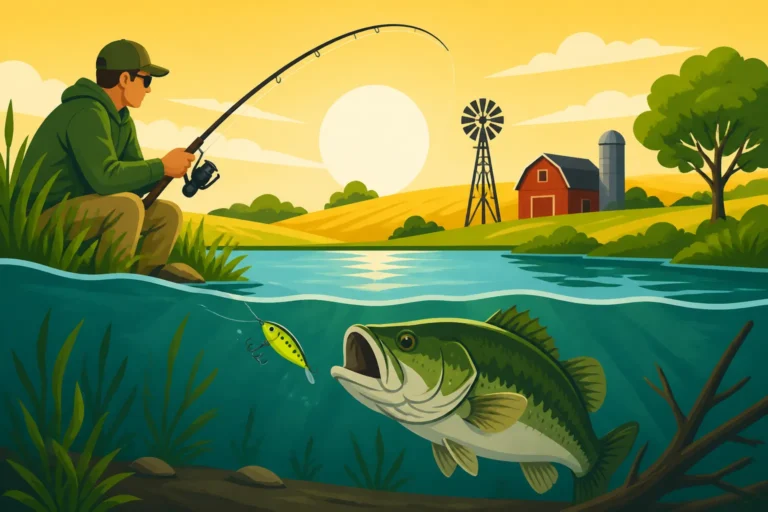
Spring and fall are typically the best times to target largemouth bass in community lakes, as they are more active in moderate water temperatures. During the spring spawn, they can be found in shallow, protected coves. In summer, they often move to deeper water during the day, becoming more active around dawn and dusk. For baits, plastic worms, spinnerbaits, crankbaits, and topwater lures are all excellent choices. When fishing plastic worms, Texas rigging or Carolina rigging them near cover can be incredibly effective. For topwater action, try popping frogs or walking baits during low-light hours. Look for visible structure along the bank or cast towards submerged cover that you can locate with a fish finder. A good pair of polarized sunglasses can also help you spot underwater structure or cruising fish, giving you an edge. Many community lakes have healthy populations, offering a great challenge without the need for specialized bass boats. Check out our Kansas Bass Fishing Guide for more in-depth strategies.
Tips for a Successful Community Lake Fishing Trip
A successful fishing trip isn't just about catching fish; it's about enjoying the experience, being prepared, and making memories. Community lakes, with their accessible nature, are perfect for cultivating these positive experiences. A little planning and a few smart choices can transform a good day into a great one.
Best Baits and Lures for Community Lakes
When fishing community lakes, versatility is your friend. You'll want a tackle box that can handle a variety of species, as these lakes often hold a diverse aquatic population. For panfish like crappie and bluegill, keep it small and simple. Live baits such as waxworms, mealworms, crickets, and small minnows are almost always effective. For artificials, tiny jigs (1/32 to 1/16 ounce) in bright colors like chartreuse, white, or pink, often paired with a micro-plastic grub or tube bait, are irresistible. Small inline spinners like a Rooster Tail or a Panther Martin can also entice panfish and even smaller bass.
For channel catfish, don't overthink it. The classics are classics for a reason: chicken livers, nightcrawlers, prepared stink baits, and cut bait (especially shad, if legal and available). A simple hook, sinker, and line setup on the bottom will usually do the trick. For largemouth bass, bring an assortment of plastic worms (dark colors for muddy water, natural colors for clear), spinnerbaits (white or chartreuse are go-tos), and a few shallow-diving crankbaits. Having a variety allows you to adapt to what the fish are biting on any given day. Remember, sometimes the simplest bait is the best bait for Kansas Community Fishing Lake Rules.
Family-Friendly Fishing Strategies
Community lakes are tailor-made for family outings, and a few strategies can make the experience even more enjoyable for everyone, especially the younger anglers. First, prioritize comfort and safety. Bring plenty of water, snacks, sunscreen, and insect repellent. Life jackets should be a non-negotiable for young children, even when bank fishing near water. Teach kids basic casting techniques in an open area before you even get to the water, building their confidence and preventing snags.
Focus on species that are easier to catch, like bluegill or small channel catfish, to keep engagement high. A simple bobber rig with a worm is incredibly effective and exciting for kids when the bobber dips! Choose locations with easy bank access, preferably near a fishing pier, so everyone can fish comfortably without feeling cramped. Consider a short trip first, maybe just an hour or two, to gauge attention spans. Pack a small cooler for drinks and snacks, and make sure to celebrate every catch, no matter how small. Even if the fish aren't biting, turn it into an opportunity to enjoy nature, watch birds, or have a picnic. The goal is to foster a love for the outdoors, not just to fill a stringer. Do you know Do Kids Need a Fishing License in Kansas?? It's important to check!
Respecting the Environment and Other Anglers
Being a responsible angler means more than just following the rules; it means being a good steward of the environment and a considerate member of the fishing community. Always practice "Leave No Trace" principles. Pack out everything you pack in, and if you see any trash, take a moment to pick it up. This helps keep our community lakes beautiful and healthy for everyone. Properly dispose of fishing line, which can be a hazard to wildlife.
Be mindful of other anglers, especially in popular community lake spots. Give others ample space, avoid casting over their lines, and keep noise levels down. If you're fishing from a boat, be aware of bank anglers and keep a respectful distance, especially if you're using an electric motor that might spook fish in shallow areas. If you keep fish, know and follow all creel and length limits, and only take what you will consume. Release any fish you don't intend to keep quickly and gently to ensure their survival. By upholding these principles, we ensure that Kansas community lakes remain fantastic fishing destinations for generations to come.
| Community Lake (Example) | Primary Species | Key Features | Best For | Notes |
|---|---|---|---|---|
| Lake Shawnee (Topeka) | Catfish, Crappie, Bass | Paved access, multiple piers (accessible), electric motor only, park amenities | Families, beginners, bank anglers | Heavily stocked, very popular. |
| McPherson State Fishing Lake | Catfish, Crappie, Saugeye | Good bank access, boat ramp, picnic/camp sites, KDWP managed | Weekend trips, diverse species, sight fishing | Clearer water, can offer camping. |
| Harvey County East Lake | Catfish, Crappie, Bass | Fishing jetties, boat ramp, calm waters | Local anglers, relaxation, consistent catches | Often hosts local tournaments. |
| Finney County Lake (Garden City) | Catfish, Bluegill | Easy access, fishing docks, small size | Western KS residents, quick trips, families | Vital resource in more arid region. |
Planning Your Community Lake Adventure
Getting out on the water should be an exciting and stress-free experience. With Kansas's community lakes, a bit of foresight can ensure you have everything you need for a fantastic day of fishing. From utilizing official resources to considering guided experiences, there are many ways to enhance your trip.
Utilizing KDWP Resources and Online Tools
The Kansas Department of Wildlife and Parks (KDWP) website is an invaluable treasure trove of information for anyone planning a fishing trip to a community lake. Their "Fishing Report" section often provides up-to-date conditions, recent stocking information, and tips specific to various lakes, including many community spots. You can also find detailed maps, regulations, and information on amenities available at each site. This is your go-to source for checking Kansas Fishing Seasons and Limits and ensuring you have the correct Kansas Fishing License Guide.
Beyond fishing reports, the KDWP website offers interactive maps that can help you locate community lakes near you, along with directions and details on access points. They also publish stocking schedules for channel catfish, crappie, and especially winter trout, which can be a game-changer for planning. Before heading out, a quick check of the KDWP site can save you time and greatly improve your chances of a successful and compliant fishing trip. It’s also where you'll find information about specific Kansas Community Fishing Lake Rules that might apply.
Booking Guided Trips and Local Expertise
Even for smaller community lakes, tapping into local expertise can significantly elevate your fishing experience. While you might not find dedicated guides for every single community pond, many local tackle shops or community sports outfitters can offer invaluable advice on current hot spots, bait choices, and techniques. Don't be shy about striking up a conversation with the folks behind the counter; they often have their ear to the ground and know what's biting.
For those who prefer a more structured experience, especially if you're new to an area or want to learn specific techniques, consider looking for local fishing guides who specialize in the region. Platforms like FishingBooker can connect you with experienced guides who know the ins and outs of Kansas waters, sometimes even smaller lakes or nearby reservoirs that offer similar species and experiences. A guide can provide all the necessary gear, teach you effective strategies, and help you maximize your time on the water, turning a casual trip into a truly educational and productive outing. They can even provide insights into the best local spots for various fish species, from panfish to larger bass.
Disclaimer
Please remember that fishing regulations, lake conditions, and stocking schedules can change. Always check the most current information directly with the Kansas Department of Wildlife and Parks (KDWP) or the managing local authority before planning your trip. This guide is for informational purposes only and does not constitute legal advice.