Kansas Urban Fishing Ponds Near Topeka
For many of us who love to fish, the idea of hitting the water often conjures images of remote lakes or winding rivers, far from the hustle and bustle of city life. But let's be real – sometimes, you just don't have the time for a big road trip, or you're looking for a quick, accessible spot to wet a line with the kids. That's where Topeka's fantastic urban fishing ponds come into play, offering convenient, well-maintained, and often surprisingly productive fishing right within the city limits. This guide will walk you through the best spots and tips to make your next urban angling adventure a success.
The Appeal of Urban Fishing Ponds in Topeka
There’s a unique charm and immense practicality to fishing in urban environments. It’s not just about catching fish; it’s about accessibility, community, and making the most of the green spaces right in your backyard. For Topeka residents and visitors alike, these ponds provide an invaluable resource that often gets overlooked.
Accessibility and Convenience
One of the biggest frustrations for anglers, especially those with busy schedules or young families, is the sheer effort involved in getting to a good fishing spot. Urban ponds completely eliminate this barrier. You can often be at a pond within minutes, which means more time casting and less time driving. This convenience makes them perfect for a spur-of-the-moment outing after work, a quick session before dinner, or a relaxed weekend morning with the kids. Think about it: no long drives, no gas guzzling, just pure, unadulterated fishing fun just a stone's throw away. This ease of access is a game-changer for many who might otherwise find it tough to indulge their passion.
Diverse Fishing Opportunities
While you might assume urban ponds only hold a handful of species, you’d be pleasantly surprised by the diversity these Topeka waterways offer. The Kansas Department of Wildlife and Parks (KDWP) does an excellent job of managing and regularly stocking many of these ponds, ensuring a healthy population of popular game fish. You'll often find plump Channel Catfish, especially during the warmer months, eager to bite on a variety of baits. For those who enjoy panfish, Bluegill and other sunfish species are abundant, providing constant action perfect for younger anglers or anyone looking for a reliable bite. And don't forget the seasonal Rainbow Trout stockings in many ponds, turning these urban waters into legitimate cold-water fishing destinations during winter. It's a fantastic way to experience different types of fishing without ever leaving the city.
Community Engagement and Education
These urban ponds aren't just bodies of water; they're vibrant community hubs. Many local parks host fishing derbies, educational events, and youth fishing clinics throughout the year. These events are fantastic opportunities for beginners to learn the ropes from experienced anglers, for families to bond over a shared outdoor activity, and for the community to connect with nature. The KDWP often collaborates with local parks and recreation departments to ensure these programs are well-run and beneficial, making urban ponds truly invaluable for fostering a love of fishing in the next generation. It’s not just about teaching someone how to fish, but also instilling a sense of environmental stewardship and appreciation for local resources.
Top Urban Fishing Ponds Around Topeka to Explore
Topeka boasts several excellent urban fishing ponds, each with its own unique character and appeal. Whether you’re looking for a trophy catfish, a stringer of panfish, or just a peaceful afternoon by the water, there’s a spot for you.
Lake Shawnee: A Topeka Gem
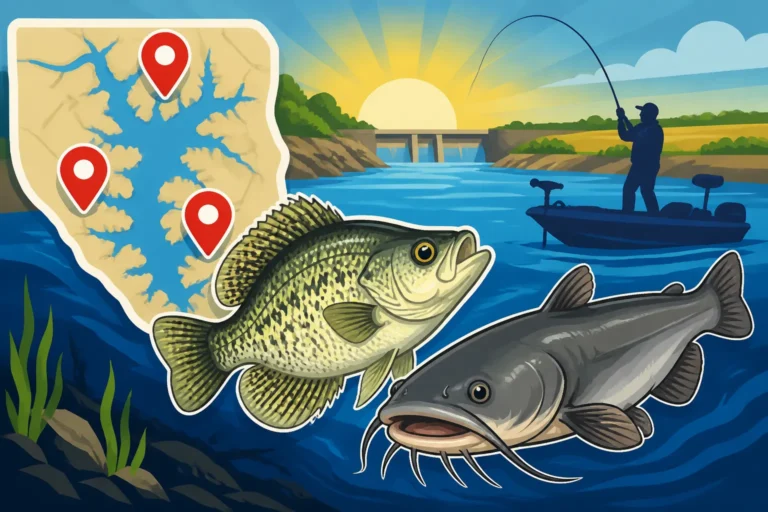
When people talk about fishing in Topeka, Lake Shawnee is often the first name that comes up, and for good reason. This sprawling 410-acre lake isn't just an urban pond; it's a full-fledged recreational hub right on the east side of Topeka. While it's large enough to accommodate boats, its numerous accessible banks and fishing piers make it an urban angler's dream. The KDWP manages Lake Shawnee for a variety of species, making it a truly versatile fishing destination. You can expect to find good populations of Channel Catfish, Largemouth Bass, Crappie, and various panfish. The lake also receives regular stockings of Rainbow Trout during the winter months, offering a unique cold-water fishery right in the city. Its size means you can explore different areas, from rocky points to weed beds, all within the same lake.
Beyond the fishing, Lake Shawnee offers a wealth of amenities including picnic areas, walking trails, and playgrounds, making it perfect for a full-day family outing where fishing is just one part of the adventure. The lake's clear water and well-maintained surroundings make for a pleasant experience, and there's usually ample parking available, even on busy weekends. If you're looking for a spot that combines great fishing with plenty of other recreational activities, Lake Shawnee is undoubtedly your top choice.
Central Park Pond: Family-Friendly Fun
Located at 1534 SW 10th Avenue, Central Park Pond is a fantastic smaller urban pond specifically geared towards family enjoyment and beginner anglers. This pond is part of the KDWP’s Community Fisheries Assistance Program (CFAP), which means it receives regular stockings and management efforts to ensure high catch rates. While it won't yield monster fish, it's an ideal spot for kids to experience the thrill of a bite. You'll primarily find Channel Catfish and an abundance of Bluegill, which are usually quite cooperative. The pond is easily accessible with paved paths and plenty of open bank space, perfect for setting up a few chairs and enjoying the afternoon.
The shallow, manageable size of Central Park Pond makes it less intimidating for young children, and the consistent stocking provides a higher chance of success, which is crucial for keeping new anglers engaged. It’s the kind of place where you can pack a simple rod and reel, some worms or corn, and almost guarantee some action. Remember, a Kansas fishing license is generally required for adults, but children under 16 often fish for free, so it’s a great way to introduce them to the sport without too much hassle. You might even find local events happening here designed to get more kids outdoors and fishing.
Dornwood Park Pond: Secluded and Serene
For those seeking a quieter, more tranquil urban fishing experience, Dornwood Park Pond (2800 SE 25th Street) offers a pleasant escape. While still within Topeka city limits, this pond feels a bit more secluded and natural than some of the larger, more bustling locations. It’s a smaller body of water, making it easy to cover the entire shoreline and find those hidden pockets where fish might be holding. Similar to other urban ponds, Dornwood often holds a good mix of Channel Catfish and various panfish, with seasonal trout stockings providing winter opportunities. The surrounding park environment is peaceful, with mature trees offering shade and a relaxing atmosphere.
Dornwood Park Pond is an excellent choice if you prefer bank fishing and appreciate a more intimate connection with nature, even in an urban setting. It’s less about high-energy action and more about patient angling in a serene setting. The limited number of access points helps keep crowds down, making it easier to find your own slice of quiet fishing paradise. It's a great spot for a solo trip or a peaceful outing with a fishing buddy, away from the typical park crowds.
Gage Park Pond: A City Oasis
Nestled within Topeka’s iconic Gage Park (635 SW Gage Blvd), this urban pond offers a wonderfully accessible and scenic fishing option. Gage Park is a massive urban green space, home to the Topeka Zoo, beautiful gardens, and numerous attractions. The pond itself is a tranquil oasis amidst all the activity, providing a calming backdrop for anglers. Like other KDWP-managed urban waters, Gage Park Pond is regularly stocked with Channel Catfish and also offers good opportunities for catching Bluegill and other sunfish. Its central location makes it incredibly easy to reach, and it’s a popular spot for families looking to combine a fishing trip with other park activities.
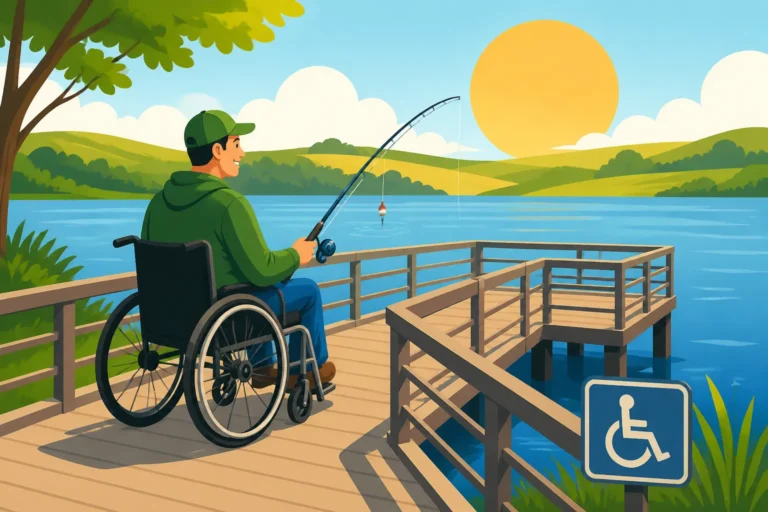
The pond features well-maintained banks and often has a fishing pier, making it very user-friendly for all ages and abilities. During the cooler months, it often participates in the winter trout stocking program, adding another exciting dimension to its fishery. The vibrant atmosphere of Gage Park, coupled with the consistent fishing action, makes this pond a unique and enjoyable place to cast a line. After a successful morning of fishing, you can easily transition to exploring the zoo or enjoying a picnic in the park.
Essential Tips for Success at Topeka's Urban Ponds
Fishing urban ponds can be a blast, but a few key strategies and considerations can significantly increase your chances of success and ensure a more enjoyable experience.
Gear Up Smart for Pond Fishing
You don't need a boatload of specialized gear for urban pond fishing, which is part of its appeal. A simple spin-casting or light spinning rod and reel combo is usually perfect. Look for something in the 6-7 foot range with a light to medium action. This setup will give you enough versatility to handle everything from panfish to a feisty catfish. When it comes to line, 6-10 pound test monofilament is a good all-around choice. It's strong enough for most catches, and its slight stretch can be forgiving for beginners.
For terminal tackle, keep it simple. A selection of small hooks (sizes 6-10 for panfish, 2-4 for catfish), some split shot weights, and a few small bobbers are usually all you need. Live bait is often king in these ponds – worms, crickets, or small minnows will entice most species. However, don't shy away from prepared baits for catfish, like punch bait or stink baits, which can be incredibly effective. For trout, try small PowerBait, corn, or tiny spinners. Remember, the goal is convenience, so a small tackle box or bag is ideal for carrying your essentials. Consider reading our guide on the best rods and reels for Kansas fishing for more detailed recommendations.
Understanding Pond Fish Behavior
Even in urban ponds, fish behavior is largely dictated by water temperature, time of day, and available cover. In the warmer months, especially for species like Channel Catfish and Largemouth Bass, fishing early morning or late evening often yields the best results. These are periods when the water is cooler, and fish are typically more active and feeding closer to the banks. During the heat of the day, fish might retreat to deeper, shadier areas or hold tight to any available structure like submerged logs, weed beds, or rock piles.
For panfish like Bluegill, they're often active throughout the day, especially near vegetation where they seek food and shelter. During the spring, look for them in shallow, spawning beds. In winter, if the pond is stocked with trout, they'll be most active in colder water. Focus on areas where food sources might accumulate or where there's a slight depth change. Using a fish finder, even a basic portable one, can help locate these subtle underwater features. Understanding Kansas Fishing Seasons Guide will give you a broader perspective on when different species are most active.
Respecting the Urban Environment
Fishing in urban parks comes with a responsibility to maintain the environment for everyone. Always pack out everything you pack in, including discarded fishing line, bait containers, and food wrappers. Litter not only harms wildlife but also detracts from the beauty of these shared spaces. Be mindful of other park users; avoid casting near playgrounds or crowded pathways. If fishing from a pier, be courteous and share the space.
Another crucial aspect is fish handling. If you plan to release fish, do so gently and quickly to maximize their chances of survival. Use appropriate netting tools that don't harm the fish. If you plan to keep fish, be aware of daily creel limits and length restrictions, which are always outlined in the Kansas Fishing Regulations Explained published by KDWP. These regulations are in place to ensure healthy fish populations for future generations of anglers.
Navigating Regulations and Resources
To ensure your urban fishing adventure is legal and hassle-free, it's essential to understand the licensing requirements and how to access up-to-date information.
Licensing Requirements for Urban Ponds
Just because you’re fishing in the city doesn’t mean you’re exempt from the rules. In Kansas, most individuals aged 16 through 74 are required to possess a valid fishing license to fish in public waters, which includes all the urban ponds mentioned here. This applies to both residents and non-residents. Children under 16 generally don't need a license, making these ponds ideal spots for youth fishing. It’s always a good idea to confirm the current regulations, especially regarding age requirements, as rules can occasionally change. For instance, knowing Do Kids Need a Fishing License in Kansas? is critical before taking youngsters out.
Additionally, if you plan to target Rainbow Trout during the winter stocking season, you'll likely need to purchase a special Trout Permit in addition to your regular fishing license. These permits help fund the stocking programs that bring these popular fish to urban waters. You can easily purchase your license and any necessary permits online through the KDWP website or at authorized vendors like sporting goods stores and some Walmart locations. For a comprehensive overview, refer to the Kansas Fishing License Guide.
Staying Informed with KDWP
The Kansas Department of Wildlife and Parks is your best resource for staying informed about urban fishing opportunities and regulations. They maintain an extensive website with detailed information on specific lakes and ponds, including stocking schedules, fish population reports, and any special local rules. Many urban ponds are part of the KDWP’s Community Fisheries Assistance Program (CFAP), which means they receive special attention and regular updates.
Before heading out, it's always smart to check the KDWP's current fishing reports for the Topeka area. These reports can provide valuable insights into what's biting, where the fish are holding, and what baits are working best. The KDWP also publishes an annual fishing regulations summary, which you should always have access to, either digitally or a physical copy. Being aware of the Kansas Community Fishing Lake Rules can prevent any unintended issues and ensure you have a smooth and enjoyable trip. You can also sometimes find local guides or charters on platforms like FishingBooker who specialize in specific lakes, though for smaller urban ponds, direct KDWP information is usually sufficient.
| Pond Name | Primary Species | Seasonal Stocking | Key Features | Best For |
|---|---|---|---|---|
| Lake Shawnee | Catfish, Bass, Crappie | Rainbow Trout | Large, boat access, piers, full amenities | Versatile, families, boats |
| Central Park Pond | Catfish, Bluegill | Rainbow Trout | Small, easy access, family-focused | Kids, beginners, quick trips |
| Dornwood Park Pond | Catfish, Panfish | Rainbow Trout | Secluded, tranquil, bank fishing | Quiet angling, relaxation |
| Gage Park Pond | Catfish, Bluegill | Rainbow Trout | Central location, scenic, easy access, pier | Families, combines with park |
Disclaimer
The information provided in this guide is for general informational purposes only and is subject to change. Always consult the official Kansas Department of Wildlife and Parks (KDWP) regulations and local ordinances before engaging in any fishing activities. Fishing conditions, stocking schedules, and regulations can vary, so staying up-to-date with KDWP's official resources is crucial for a safe and legal fishing experience.