Kirwin Reservoir Fishing Access
Kirwin Reservoir, a sprawling body of water tucked away in Phillips County, Kansas, offers some fantastic fishing opportunities, but knowing where to drop a line can sometimes feel like a daunting task. With its diverse shoreline and varied depths, navigating the best access points and understanding the prime fishing locations can make or break your trip. This comprehensive guide is designed to cut through the confusion, helping you discover the most productive and accessible spots at Kirwin, ensuring your next angling adventure is both rewarding and enjoyable.
Navigating Kirwin Reservoir for Anglers: Access Points and Facilities
When you pull up to a large body of water like Kirwin Reservoir, it can be overwhelming to figure out the best spot to start, especially if you're not familiar with the area. Luckily, the Kansas Department of Wildlife, Parks, and Tourism (KDWP) has done a great job providing various points of access that cater to different styles of fishing, from those with a boat looking for open water to anglers who prefer the simplicity of bank fishing. Understanding these access points is your first step to a successful day on the water.
Public Boat Ramps and Launching Your Craft
Kirwin Reservoir is well-equipped for boaters, boasting several public boat ramps strategically placed around its shores. The main ramps are typically well-maintained concrete structures, making launching and retrieving your boat a relatively smooth process, even with larger vessels. For instance, the ramps on the north side, often near the Kirwin National Wildlife Refuge headquarters or the marina area, provide excellent access to the main body of the reservoir and deeper waters where many of the reservoir's trophy fish lurk. On the south side, additional ramps offer different angles of attack, particularly useful during various wind conditions or when trying to access specific coves.
Before you even think about backing your trailer down the ramp, remember that any motorized boat in Kansas needs to be registered. You'll want to review the Kansas Boat Registration Guide to ensure all your paperwork is in order and that you understand the process. The Kansas Boat Registration Costs $42.50, so factor that into your planning. Always check the current water levels, as exceptionally high or low conditions can affect ramp usability, sometimes making it difficult or impossible to launch in certain spots. The KDWP website or local bait shops are usually good resources for the most up-to-date information on water levels and ramp conditions. Ample parking for trucks and trailers is usually available at these primary access points, but it's always wise to arrive early on busy weekends, especially during peak fishing seasons.
Prime Bank Fishing Locations Around the Reservoir
Not everyone has a boat, and honestly, sometimes it’s just nice to set up a chair on the bank and enjoy the peace and quiet. Kirwin Reservoir offers some fantastic bank fishing opportunities, making it accessible for anglers of all stripes. One popular area for bank access is along the main dam face, particularly where riprap offers excellent habitat for a variety of species. The rocky structure here attracts baitfish, which in turn draws in predators like walleye and catfish. Early mornings or late evenings can be especially productive from these spots.
Additionally, many of the coves and quieter arms of the reservoir, particularly those accessible from county roads or designated recreation areas, provide excellent bank fishing. Areas near the campground or day-use parks often have cleared spots perfect for casting. Look for points that jut out into the water or areas with submerged timber and brush piles, as these are natural magnets for crappie and other panfish. The river arms feeding into the reservoir can also be great for bank fishing, especially during certain times of the year when species like white bass run upstream. Always keep an eye out for posted signs, as some areas within the Kirwin National Wildlife Refuge might have specific access rules or closures during certain seasons to protect wildlife.
Accessibility for All Anglers
Fishing is a passion that should be accessible to everyone, and Kirwin Reservoir, like many of Kansas's public fishing areas, strives to meet this need. You'll find that several of the more developed access points, particularly around popular day-use areas and campgrounds, offer features designed to accommodate anglers with disabilities. This might include paved pathways leading to fishing piers, accessible restrooms, and designated parking spaces.
While not every single spot around the reservoir is fully ADA compliant, the KDWP is continually working to improve access. Look for information on specific accessible fishing piers or designated platforms which provide a safe and stable environment for casting a line. These spots are usually clearly marked and offer a great opportunity for individuals who might have mobility challenges to enjoy the fishing experience fully. If you're planning a trip and have specific accessibility needs, it’s always a good idea to contact the Kirwin National Wildlife Refuge office or the KDWP regional office beforehand to get the most accurate and up-to-date information on available facilities. Their staff can often provide detailed insights into which areas would best suit your needs, ensuring your visit is as comfortable and enjoyable as possible.
Strategic Fishing Spots and What You'll Catch
Understanding where to physically access the water is just half the battle; knowing where to cast your line once you're there, and what species to expect, is the key to filling your cooler. Kirwin Reservoir is renowned for its diverse fishery, boasting healthy populations of popular game fish. However, like any large body of water, fish tend to congregate in specific areas based on structure, depth, and time of year.
Targeting Walleye and Wiper Hotspots
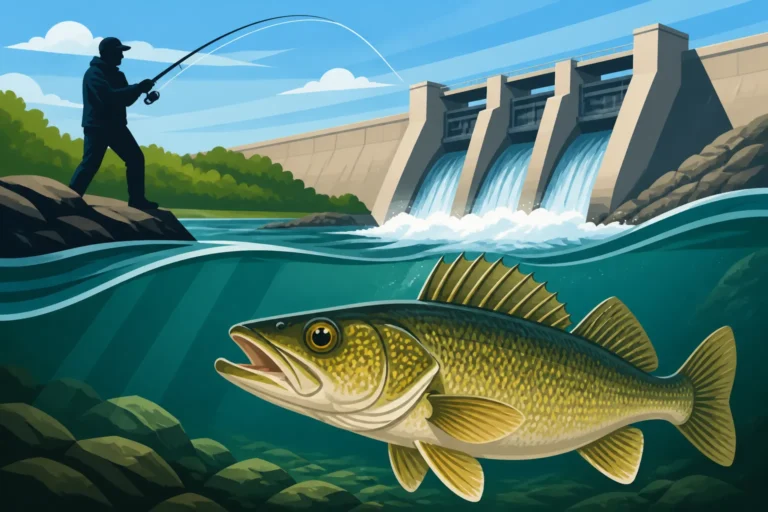
Walleye are a prized catch in Kirwin Reservoir, known for their delicious fillets and challenging fight. These fish are often found relating to submerged structure. Look for underwater humps, old creek channels, and points that drop off into deeper water. The riprap along the dam face, mentioned earlier for bank fishing, is also a prime walleye spot for boaters, especially during low light conditions or after dark. Trolling crankbaits or casting jigs along these break lines and structural elements are highly effective methods. Early spring, when water temperatures begin to rise, and late fall, as fish fatten up for winter, are often the most productive times for walleye. Our Kansas Walleye Fishing Guide delves deeper into specific techniques that prove fruitful in Kansas waters.
Beyond walleye, Kirwin is also home to wipers, a feisty hybrid of white bass and striped bass. These hard-fighting fish are often found schooling in open water, chasing baitfish. Look for surface activity, especially around the main lake body or the larger coves, where gulls or pelicans might be diving. Wipers can also be found near submerged points and humps, similar to walleye, but they tend to be more aggressive and willing to chase fast-moving lures. Trolling large crankbaits or casting spoons and lipless crankbaits into schooling fish are excellent strategies. These powerful fish offer an exhilarating fight, making them a favorite among many anglers.
Finding Catfish and Crappie Sanctuaries
For anglers seeking the whiskered giants or pan-sized delights, Kirwin has plenty to offer. Catfish – including channel cats, flatheads, and blues – thrive in the reservoir's deeper channels and river arms. The inflow areas where the Solomon River enters the reservoir, particularly in the upper reaches, can be fantastic catfish spots, especially after a rain when fresh nutrients are washed into the lake. Look for brush piles, fallen trees, or deep holes where these bottom-dwellers like to ambush prey. Night fishing is particularly effective for catfish, as they become more active feeders after dark. If you're looking for bait recommendations, our guide on the Best Bait for Kansas Catfish offers excellent suggestions to tempt these fish.
Crappie, both white and black, are another popular target at Kirwin. These fish absolutely love structure, so concentrate your efforts around submerged timber, brush piles, and any standing timber remnants in flooded creek beds. Early spring, when crappie move into shallower waters to spawn, is a prime time to target them, often found in 3-10 feet of water. As summer progresses, they retreat to deeper, cooler water, often suspending over brush piles or around deeper structure. Learning specific tactics from our Kansas Crappie Fishing Techniques guide can dramatically increase your catch rates for these tasty panfish. Always check the Kansas Crappie Length and Bag Limits before heading out, as these regulations are in place to ensure healthy fish populations for years to come.
Best Times and Seasonal Considerations
Understanding the annual cycle of fish activity at Kirwin is crucial for consistent success. Spring brings a flurry of activity, with walleye and crappie moving shallow for their spawning rituals. This is also when the white bass often make their runs up the feeder rivers, providing incredible action. As temperatures rise in summer, many fish move deeper, and night fishing becomes a popular and productive tactic, especially for catfish and sometimes even walleye. Don't forget to consult the Kansas Fishing Seasons Guide to understand general patterns across the state.
Fall is another fantastic time to fish Kirwin. As water temperatures cool, fish become highly active, feeding aggressively to build up reserves for winter. This can be a prime time for trophy walleye, wipers, and large catfish. Even into winter, if the ice becomes safe and thick enough, ice fishing for crappie, walleye, and even yellow perch can be a unique and rewarding experience on Kirwin, though ice conditions require extreme caution and constant monitoring. Knowing what to expect each season can help you plan your trips effectively.
Essential Regulations and Local Tips for a Successful Trip
Fishing on any public water body requires adherence to specific rules and regulations, and Kirwin Reservoir is no different. These rules are in place to ensure sustainable fishing and protect the aquatic ecosystem for future generations of anglers. Beyond the printed regulations, local knowledge and awareness of amenities can significantly enhance your trip.
Understanding Kirwin's Specific Fishing Regulations
While the general rules for fishing in Kansas apply statewide, specific reservoirs like Kirwin can have unique regulations, often pertaining to length limits or creel limits for certain species. It is absolutely vital that you carry a valid Kansas fishing license – you can explore our comprehensive Kansas Fishing License Guide for all the details on types, costs, and where to purchase one. Furthermore, always check the current KDWP fishing regulations summary specifically for Kirwin Reservoir before you head out. These summaries are usually available online or at local bait shops.
For example, walleye often have minimum length limits (Kansas Walleye Length Limits), and crappie might have both length and daily bag limits (Kansas Crappie Length and Bag Limits) that can vary from other lakes. Certain gear restrictions might also apply in specific areas. If your access to the reservoir is through Kirwin State Park, you may also need a Kansas State Park Fishing Permit Rules in addition to your fishing license. Ignoring these regulations can lead to hefty fines and a ruined fishing trip, so always double-check. The KDWP website is your best friend for staying informed, and there are typically informational signs posted at major access points around the reservoir.
| Fish Species | Key Habitat | Effective Technique | Best Bait/Lure (Examples) | Average Size Range |
|---|---|---|---|---|
| Walleye | Submerged points, humps, riprap, creek channels | Trolling, jigging, casting | Crankbaits (Bandit, Rapala), Jigs with live bait (minnows, nightcrawlers) | 15-25 inches |
| Wiper (Hybrid Striped Bass) | Open water, schooling baitfish, main lake points | Trolling, casting, jigging | Spoons, lipless crankbaits, swimbaits, white or chrome lures | 18-30 inches |
| Channel Catfish | Deep holes, river arms, brush piles, current breaks | Bottom fishing, drift fishing | Cut bait (shad, sunfish), chicken livers, prepared baits, worms | 1-10 lbs (larger possible) |
| Crappie | Submerged timber, brush piles, standing timber, docks | Jigging, slip-bobber fishing | Small jigs (plastic or hair), minnows, small crankbaits | 8-12 inches (larger possible) |
Beyond the Regulations: Local Advice and Amenities
While regulations are strict, local knowledge can be invaluable. Don't hesitate to strike up conversations with other anglers at the boat ramp or bait shops in nearby towns like Kirwin or Phillipsburg. They often have real-time information on what's biting, where, and on what. Checking local bait shops is also a great way to gauge what lures and baits are currently working best. Many local shops, like those you might find on your way to Kirwin, are more than just places to buy tackle; they're hubs of fishing intelligence.
Planning your trip might involve more than just fishing. Kirwin Reservoir is part of a larger recreation area, offering camping facilities, picnic areas, and hiking trails. If you're coming from out of state or just want a hassle-free experience, consider connecting with a local fishing guide. Services like FishingBooker can help you find experienced guides who know Kirwin Reservoir intimately, offering insights into patterns, techniques, and secret spots that might take years to discover on your own. A guide can be an excellent investment, especially if you're targeting a specific species or are new to the area. Many anglers use resources like FishingBooker to book a guide when visiting a new lake to maximize their time on the water. Even if you're an experienced angler, a local guide found through platforms like FishingBooker can offer a unique perspective and often reveal nuances that make all the difference. Remember to bring plenty of water, sunscreen, and appropriate clothing for the weather, as Kansas summers can be hot and winters surprisingly cold. Always tell someone your float plan if you're heading out on the water, and be aware of changing weather conditions, especially sudden thunderstorms.
Disclaimer
Fishing regulations and conditions can change. Always consult the official Kansas Department of Wildlife, Parks and Tourism (KDWP) website or local authorities for the most current information before planning your trip to Kirwin Reservoir. This guide is for informational purposes only and should not replace official sources.