How to Find Crappie in the Fall
Fall fishing for crappie in Kansas can feel like a totally different ball game than the spring spawn or summer patterns. The fish scatter, water temperatures drop, and what worked just a few weeks ago might leave you scratching your head now. This guide is here to untangle the mysteries of autumn crappie, helping you pinpoint their locations and get those slabs in your livewell as the leaves start to turn.
Understanding Fall Crappie Behavior in Kansas
When the crisp autumn air rolls into Kansas, it signals a significant shift in crappie behavior. Gone are the days of easy limits on shallow brush piles from the spring spawn. Now, these fish are preparing for winter, which means they're on the move, chasing bait, and often holding in different kinds of structure. Understanding these changes is crucial for consistent success.
Water Temperature's Role in Crappie Movement
As the days shorten and nights get cooler, the surface water temperature in Kansas lakes and reservoirs begins to drop steadily. This cooling trend is the primary driver for crappie movement. Initially, during early fall (late September into October), crappie might still be found in similar depths to late summer, but as temperatures dip into the 60s and then 50s, they start to transition. They'll move out of the very shallow, warmest pockets and seek more stable, often deeper, environments. This isn't a sudden exodus; it's a gradual shift, so paying attention to water temps is key. A good fish finder with a temperature gauge can be an invaluable tool during this period, helping you identify the specific thermal layers crappie prefer.
Following the Baitfish Migration
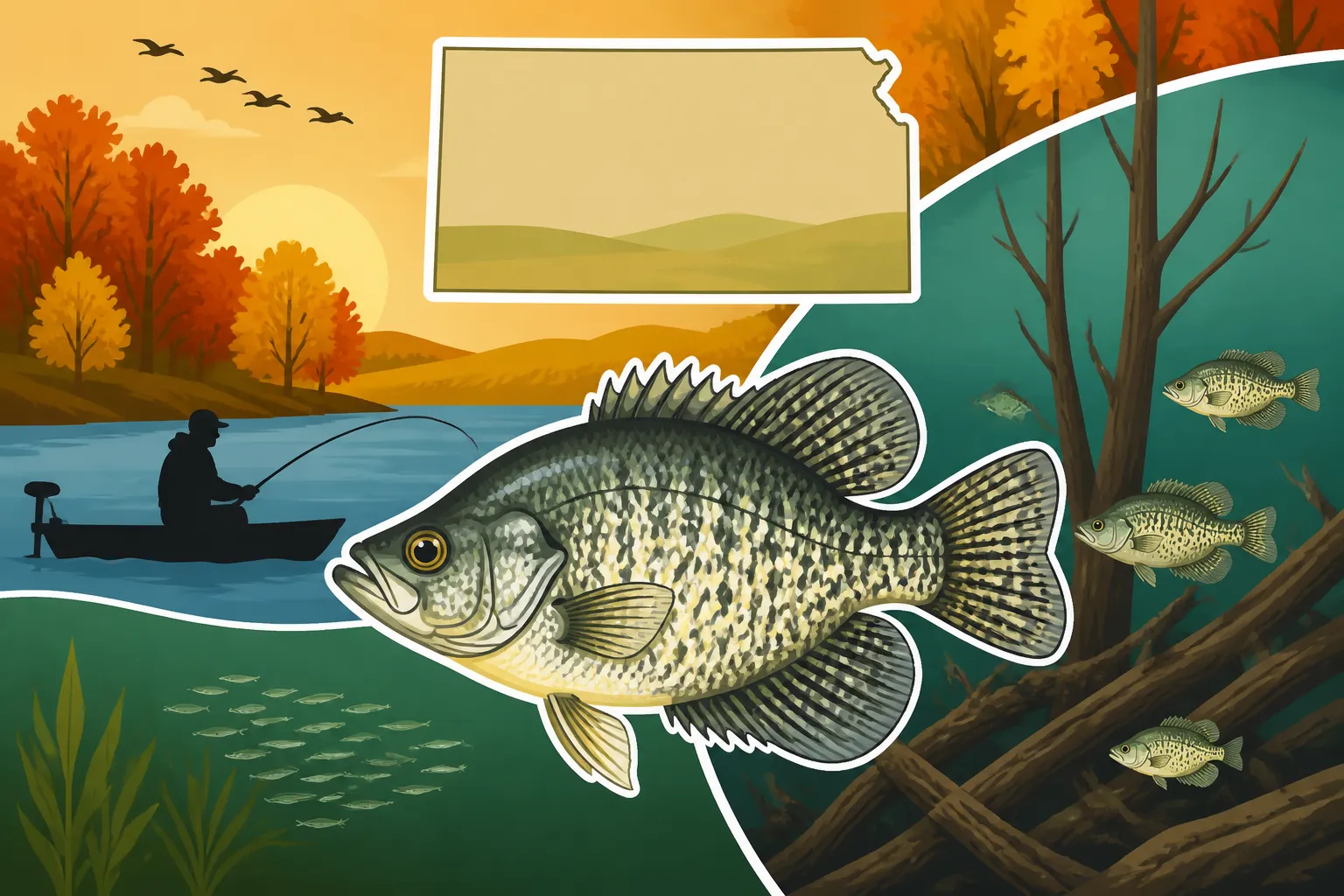
Crappie are predators, and like all predators, they follow their food. In the fall, baitfish like shad, which have been prolific all summer, also react to cooling water. As the deeper water begins to cool, baitfish often migrate from shallow bays and flats towards main lake areas, especially congregating in the deeper, more defined creek channels and over flats adjacent to these channels. The crappie will be right on their heels. This often means crappie will be suspended at the same depth as dense schools of bait, or holding just below them, waiting for an easy meal. If you can locate the bait, you're usually one step closer to locating the crappie.
The "Turnover" Effect on Crappie
One of the most challenging periods in fall crappie fishing is during "turnover." This natural phenomenon occurs when the surface water cools to the point where it becomes denser than the deeper, warmer water. This causes the entire water column to mix, bringing nutrient-rich, often oxygen-depleted water from the bottom to the surface, and vice-versa. Turnover can temporarily scatter fish, making them harder to locate. In Kansas, this typically happens in mid-to-late fall, usually when water temperatures reach the low to mid-50s. During turnover, which might last a week or two, crappie can be found almost anywhere as they adjust to the mixing water. Don't get discouraged; once the lake "sets up" post-turnover, the fishing can become excellent again as fish settle into more predictable patterns.
Key Locations to Target Fall Crappie
Once you understand why crappie move in the fall, the next step is knowing where to look for them. Kansas lakes and reservoirs offer a variety of structures that become prime crappie real estate as temperatures drop. Forget about those summer haunts; we're looking for different kinds of cover now.
Deep Water Structure: Brush Piles and Submerged Timber
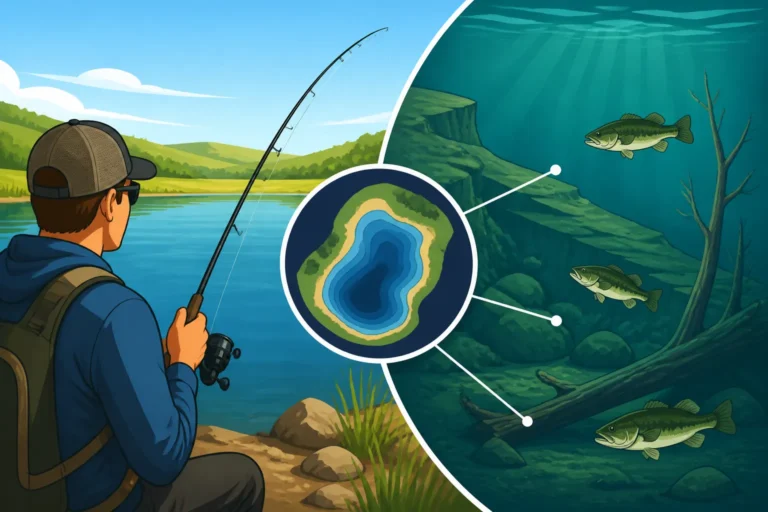
As crappie move deeper, they still need cover. This is where those submerged brush piles, old stump fields, and standing timber in deeper water become absolute magnets. Crappie will often position themselves in or around these structures, using them for ambush points and protection. The key is to find brush piles that are in deeper creek channels or on drop-offs that lead to deeper water. For instance, if you're fishing Milford Lake, focusing on the deeper river channel edges where timber still stands can be incredibly productive. These aren't the brush piles you might have targeted in 5 feet of water; think more like 15-30 feet, depending on the lake and how far into fall we are. Good electronics, which you can find a wide selection of on Amazon, are essential for pinpointing these hidden gems.
River and Creek Channel Intersections
Major creek channels and the main river channel are highways for baitfish in the fall, and consequently, for crappie. Focus on where these channels bend, intersect, or have significant depth changes. Points that extend into these channels, especially if they have some kind of cover like rocks or timber, are often holding areas. The confluence of a feeder creek into a larger channel on lakes like Cheney Reservoir can be a hotspot. Crappie will hold along the edges of these channels, often suspended at the depth where the baitfish are concentrated. Sometimes they're right on the bottom, other times they're halfway up in the water column. The specific depth can vary from day to day, so be prepared to experiment.
Main Lake Points and Drop-offs
Main lake points that have a sharp drop-off into deeper water are another fantastic fall crappie location. These points provide easy access to deep water for crappie while also allowing them to move shallower quickly if conditions (like feeding opportunities) dictate. Look for points that have some rock, gravel, or even a few scattered stumps or brush. Crappie will often relate to the "lip" of the drop-off, or suspend just off the point in the deeper water. This is particularly true in mid to late fall when crappie are settling into their winter patterns. Think about areas on Wilson Lake where the bluffs drop sharply into the main lake, creating natural deep-water access. These kinds of spots also tend to attract different species, so you might also find some healthy walleye mixed in!
Effective Fall Crappie Fishing Techniques and Baits
Now that you know where to look, let's talk about how to catch them. Fall crappie often require a more subtle approach than their spring counterparts, and presentation is everything. You'll need to adapt your techniques and bait choices to their cooler water behavior.
Vertical Jigging and Dipping
When crappie are holding tight to deep cover like brush piles or submerged timber, vertical jigging or "dipping" is often the most effective method. This involves positioning your boat directly over the structure and dropping a small jig or live minnow straight down into the fish. You'll want a sensitive rod, perhaps one of the "Best Rod and Reel Combo for Crappie" options, to detect those subtle bites. The key is to present your bait precisely at the depth the crappie are holding. Watch your fish finder intently. Once you see fish on the screen, lower your bait just above them and twitch it gently. Sometimes a completely motionless presentation, just holding the bait still, is what it takes. Small marabou jigs, hair jigs, or tiny plastic grubs on light jig heads (1/32 to 1/16 oz) are perfect for this.
Slow Trolling and Spider Rigging
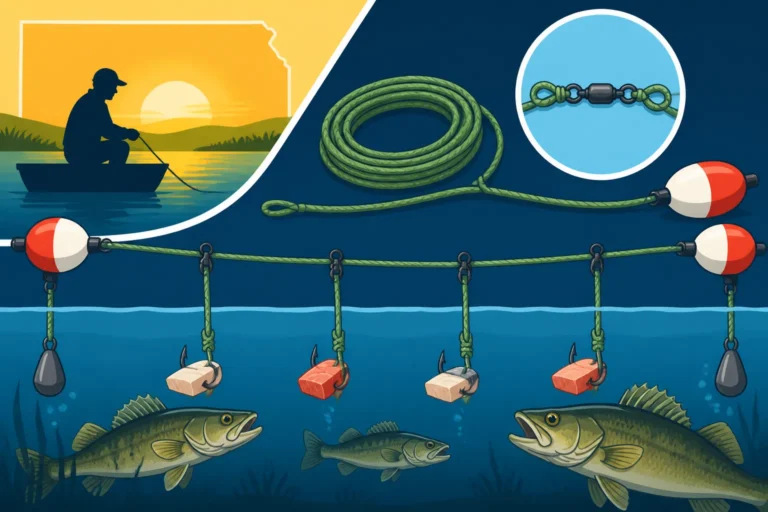
When crappie are suspended in open water over channels or flats, or are more spread out, slow trolling (often called "spider rigging" when using multiple rods) can be incredibly productive. This technique involves dragging multiple baits behind the boat at very slow speeds (0.5 to 1.5 mph), covering a lot of water and presenting your bait at various depths. You can use long rods (10-16 feet) in rod holders, spreading them out to cover a wider path. Baits can include live minnows, small crankbaits, or various soft plastics rigged on jigs. This is especially effective when crappie are following schools of shad. Experiment with different depths and speeds until you find the sweet spot. A good set of "Kansas Fishing Gear Guide" essentials will likely include some long trolling rods.
Best Baits and Lures for Cooler Water
Cooler fall water often means crappie are less aggressive and might prefer smaller, more subtle presentations.
- Live Minnows: These are almost always a go-to for crappie, especially in fall. Hooked through the lips or dorsal fin, a lively minnow suspended under a bobber or on a tight-line rig near structure is hard for a crappie to resist. Make sure your minnows are fresh and lively, as this makes a big difference.
- Small Plastic Jigs: Tiny soft plastic grubs, tubes, and "crappie magnets" in natural colors like black, white, gray, or smoke are very effective. The key is often a slow retrieve or a gentle jigging motion. Many anglers find a wide selection of these versatile lures on Amazon.
- Hair Jigs and Marabou Jigs: These traditional jigs offer a lifelike pulsating action in the water, even with minimal movement, making them ideal for finicky fall crappie. White, chartreuse, black, or combinations of these colors tend to be popular.
- Blade Baits and Spoons: For deeper, more aggressive crappie, especially during periods when they're actively feeding on schooled bait, small blade baits or spoons can trigger strikes with their flash and vibration. These are often worked with a lift-and-drop retrieve.
Here's a quick look at fall crappie hotspots and techniques:
| Fall Period | Water Temp Range | Typical Crappie Depth | Key Locations to Target | Preferred Techniques |
|---|---|---|---|---|
| Early Fall | 60-70°F (15-21°C) | 8-15 feet (can be shallower) | Main lake points, creek channel bends, larger brush piles | Jigging, slow trolling, casting small crankbaits |
| Mid-Fall | 50-60°F (10-15°C) | 12-25 feet | Deeper brush piles, standing timber, main lake channels | Vertical jigging, slow trolling (spider rigging) |
| Late Fall | Below 50°F (10°C) | 20-35+ feet | Deepest creek channels, main lake humps/ridges with cover | Vertical jigging (very slow), deadsticking minnows |
| During Turnover | Variable, usually 50-55°F | Scattered, difficult to predict | Anywhere, often suspended at various depths | Search patterns, try different depths and presentations |
Reading the Water and Adapting Your Approach
Fishing for crappie in the fall isn't just about knowing where to go; it's about being a detective, constantly reading the signs the water gives you and being willing to change your strategy. Flexibility is your best friend when the leaves are falling.
Using Electronics for Deeper Understanding
Modern fish finders are an absolute game-changer for fall crappie. Don't just look for fish; look for baitfish schools. If you find dense baitfish, the crappie are usually nearby. Pay attention to the depth the bait is holding, and that's likely the depth you'll find the crappie. Side imaging and down imaging can help you locate brush piles and submerged timber away from your boat, allowing you to approach them quietly and precisely. GPS mapping is also crucial for marking those productive brush piles or channel bends so you can return to them later. Remember, a variety of powerful fish finders, from entry-level to advanced, can be found on Amazon. Learning to interpret what your screen is showing you, like differentiating between a school of bait and a cluster of crappie, takes practice but will significantly improve your autumn catches.
Adapting to Kansas Weather Changes
Kansas weather in the fall can be notoriously unpredictable. A warm, sunny day can quickly give way to a cold front and gusty winds. These weather changes dramatically impact crappie behavior.
- Cold Fronts: After a strong cold front, crappie often become more lethargic and might move even deeper or tighter to cover. Your presentation needs to slow way down. Think small baits, minimal movement, and extended pauses.
- Warm Ups: A period of stable, warmer weather in the fall can sometimes bring crappie shallower, especially in the afternoon. They might move to the sunny side of a point or a shallower brush pile to feed.
- Wind: Wind can be a blessing or a curse. A moderate breeze can create a 'crappie chop' that scatters light and provides good cover for fishing, often concentrating baitfish on windy points. However, too much wind makes boat control and feeling bites incredibly difficult. On very windy days, seek out protected coves or fish parallel to wind-blown banks. Understanding these dynamics is part of truly grasping "Kansas Fishing Seasons and Limits" throughout the year.
Timing Your Fall Crappie Trips
While crappie can be caught throughout the day in fall, certain times often prove more productive.
- Morning and Evening: Like many fish, crappie often exhibit increased feeding activity during low-light conditions, making early mornings and late afternoons prime fishing times. The stable temperatures before the sun really heats things up or cools them down can be very reliable.
- Midday on Sunny Days: Don't discount midday, especially on bright, sunny days after a cold night. The sun warming the surface layers can draw baitfish and crappie shallower for short feeding windows.
- Late Fall Consistency: As winter approaches and water temperatures stabilize in the low 40s to low 50s, crappie tend to settle into a more consistent pattern in deeper water. Once you find them, they might stay in that general area for extended periods, making late fall fishing often more predictable than the tumultuous turnover period. Even during the winter, you might find similar deep water patterns, which can inform your "Kansas Ice Fishing Guide" adventures.
By understanding these seasonal shifts and adapting your strategy, you'll be well on your way to enjoying some fantastic fall crappie fishing across Kansas, whether you're at a large reservoir like El Dorado Lake or a smaller "Kansas Community Fishing Lake Rules" locale.
Disclaimer
Fishing conditions and regulations in Kansas can change. Always consult the latest Kansas Department of Wildlife, Parks and Tourism (KDWPT) fishing regulations before heading out on the water to ensure you are compliant with all current laws and limits.