Best Lures for a White Bass Run
There's nothing quite like the thrill of a Kansas white bass run. One moment, the water is calm, and the next, it erupts into a feeding frenzy, with white bass busting baitfish on the surface. But if you’ve ever found yourself casting everything in your tackle box without a single strike while others around you are reeling in fish after fish, you know the frustration. It’s not just about being there; it’s about knowing which lures to tie on and how to work them to truly capitalize on this exciting seasonal event. This guide is dedicated to helping you unlock the secrets of a successful white bass run, ensuring you’re prepared with the best lures and techniques to fill your stringer.
Cracking the Code of the Kansas White Bass Run
The white bass run in Kansas is an annual spectacle that every angler looks forward to, but it can be fleeting and unpredictable if you don't understand the nuances. These aggressive schooling fish migrate upstream from their main lake habitats into tributary rivers and creeks to spawn. It’s a period of intense feeding activity driven by instinct, making them highly susceptible to the right presentation.
When and Where to Find the Action
Timing is everything when it comes to the white bass run. Generally, it kicks off in early to mid-spring, typically from late March through April, when water temperatures climb into the 55-65 degree Fahrenheit range. However, this isn't a hard and fast rule; fluctuating temperatures and significant rain events can shift the start and peak of the run. To stay ahead of the game, anglers often monitor river flows and water temperatures on the Kansas Department of Wildlife and Parks (KDWP) website or local fishing reports. For more detailed information, check out our comprehensive guide on Kansas White Bass Run Timing.
When it comes to location, you’ll want to focus on the tributary rivers and creeks flowing into Kansas’s large reservoirs. Iconic spots like the Republican River upstream from Milford Lake are legendary for their prolific white bass runs. Other major reservoirs like Cheney, Wilson, and Tuttle Creek also have excellent tributary systems that host impressive white bass congregations. Anglers often find success fishing rocky riffles, current breaks, and the deeper pools directly below rapids or small dams. The areas below major dams on these reservoirs can also be fantastic, as the turbulent water concentrates both baitfish and hungry white bass. For specific hot spots, you might find our article on Milford Lake White Bass Run particularly helpful.
Understanding White Bass Behavior During the Spawn
During the spawning run, white bass are driven by instinct to reproduce, which means they are highly active and aggressive. They move in large schools, chasing baitfish relentlessly. This aggressive behavior is what makes them such a blast to catch and why they strike at a variety of lures. They are not necessarily feeding out of hunger alone; often, it's a reaction strike, a territorial defense, or simply an instinct to strike at anything moving quickly through their spawning grounds.
Water flow plays a critical role in their behavior. When rivers are running high and clear, white bass will push further upstream. If the water is murky from heavy rains, they might hold in deeper pools or wait for clearer conditions before continuing their migration. Identifying these holding patterns—whether they are actively chasing bait in a shallow riffle or hunkering down in a deeper eddy—is key to choosing the right lure and presentation. Remember, these fish are constantly on the move, so what worked an hour ago might not work now. Flexibility and a willingness to change your approach are vital during the run.
Essential Lures for Dominating the Run
When the white bass run is on, you don’t want to be caught without the right tools. While white bass can be notoriously aggressive, having a selection of proven lures can make all the difference between a few bites and a banner day. These are the workhorses that Kansas anglers swear by.
The Unbeatable Spinnerbait
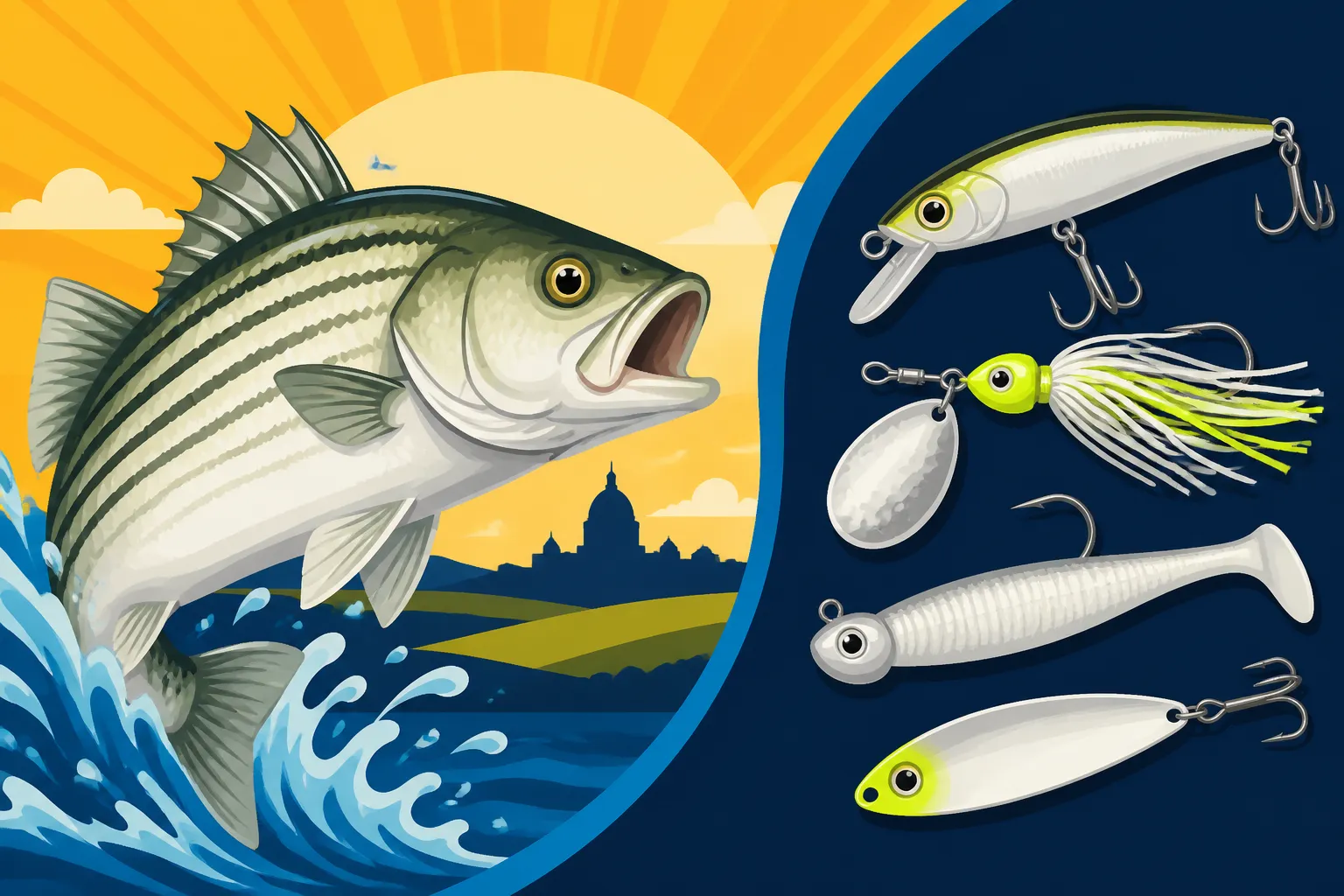
If there's one lure that screams "white bass run," it's the inline spinnerbait. These lures are incredibly effective because they mimic small baitfish, create a lot of flash, and produce irresistible vibrations that white bass can detect from a distance, even in murky water. Sizes typically range from 1/8 to 1/4 ounce, with single or double blades.
For colors, classic silver or gold blades are always a good starting point, especially on sunny days or in clear water. However, don’t shy away from experimenting. Chartreuse, white, or firetiger bodies can be absolute dynamite in stained or cloudy water conditions, or on overcast days. A prime example is the classic Roostertail or Mepps Aglia. You can find a great selection of these on Amazon, often in multi-packs that let you experiment with different blade configurations and colors without breaking the bank. The key is to find a spinnerbait that casts well and maintains a consistent, vibrant spin even in strong currents.
Versatile Jigs and Soft Plastics
Jigs, paired with various soft plastics or hair, are perhaps the most versatile lure choice for white bass. They allow for incredible control over depth and action, which is crucial when white bass are holding at different levels in the water column or when they're less aggressive. A 1/8 to 1/4 ounce jig head is standard, though you might go lighter or heavier depending on current speed and depth.
- Marabou Jigs: These feathery jigs offer a pulsating, lifelike action in the water that white bass simply can't resist. White, chartreuse, and yellow are classic colors.
- Tube Jigs: Small tube baits (1.5 to 2.5 inches) rigged on a jig head have a subtle spiraling action on the fall that can entice strikes when fish are finicky.
- Grub Tails: Single or double-tail grubs, especially in white, chartreuse, or pearl, are fantastic. Rig them on a jig head and retrieve with a steady swim or a lift-and-fall action. These are particularly effective below dams or in deeper pools where the white bass might be suspending.
- Paddle Tail Swimmers: Small paddle tail swimbaits, like those from Keitech or similar brands available on Amazon, offer a realistic baitfish profile and tail kick that can be deadly.
Experiment with different retrieve speeds and jigging motions until you find what triggers a strike. Sometimes a steady retrieve is best, other times a sharp jigging motion with pauses will ignite the bite.
Flashy Spoons and Jigging Lures
When white bass are actively busting on the surface or holding in deeper, open water, spoons can be incredibly effective. The flash and erratic wobble of a spoon perfectly imitate a struggling baitfish, making it an easy target.
- Casting Spoons: Lures like the Kastmaster or Little Cleo, typically in 1/4 to 1/2 ounce sizes, are excellent for long casts to reach schooling fish. Silver, gold, or hammered finishes work well. Cast them out and retrieve with an erratic, stop-and-go motion, allowing the spoon to flutter on the pause.
- Blade Baits: These thin, vibrating metal lures, such as a Silver Buddy or Rapala Rippin' Rap, are phenomenal for jigging in deeper water or even casting and retrieving. Their intense vibration draws attention, and they often provoke vicious strikes. The key is to lift and drop the lure, letting it fall on a semi-slack line to flutter naturally. These are also great choices for when you're trying to locate schools quickly.
Spoons and blade baits are excellent tools for covering a lot of water quickly and are especially effective when white bass are aggressive and chasing down anything that moves.
Topwater Thrills for Aggressive Biters
While often overlooked for white bass, topwater lures can provide some of the most exciting action during a strong run, especially in low light conditions (dawn/dusk) or when fish are aggressively feeding on the surface. When you see white bass boiling and slashing at bait on the surface, it’s time to tie on a topwater.
- Poppers and Walk-the-Dog Lures: Small poppers (like a Pop-R) or walk-the-dog baits (like a Zara Spook Puppy) create disturbance on the surface that mimics struggling baitfish. The visual aspect of a white bass exploding on a topwater is truly unforgettable.
- Prop Baits: Lures with small props on the front or back, like the Devil's Horse, create a sputtering sound and commotion that can draw fish from a distance.
Work topwater lures with short twitches and pauses, creating splashes and gurgles that mimic distressed baitfish. This can be a high-energy way to catch white bass, and it's particularly thrilling when you can witness the strike firsthand.
Master Your Presentation: Techniques for Success
Having the right lures is only half the battle. Knowing how to present them effectively is what truly separates successful anglers from those left scratching their heads. During a white bass run, adaptability is key, as conditions and fish behavior can change rapidly.
Matching the Hatch and Water Conditions
"Matching the hatch" isn't just for fly anglers; it applies directly to lure selection for white bass. Observe what the white bass are feeding on. Are they chasing tiny minnows? Then small, silvery lures like 1/8 oz spinnerbaits or small grubs are likely to be effective. If they're hitting larger baitfish, you might scale up to a 1/4 oz spoon or a slightly larger swimbait. Water clarity also plays a huge role.
- Clear Water: In clear water, natural baitfish colors (silver, pearl, light gray) and less obtrusive presentations are often best. You might also find that slightly smaller lures get more strikes.
- Stained or Murky Water: This is where brighter colors shine. Chartreuse, bright orange, firetiger, or even pure white can provide the contrast needed for fish to see your lure. Lures that create a lot of vibration, like spinnerbaits with large thumping blades or blade baits, are also excellent choices here because fish will rely more on their lateral line to detect your offering.
- Cloudy Days: Overcast conditions often allow fish to be more active throughout the day. Medium-bright colors and lures with good flash are usually productive.
Always start with what you know works, but don't be afraid to experiment. Sometimes, a completely unexpected color or retrieve will be the magic ticket on a given day. You can grab a good variety of colors and sizes for many of these lures on Amazon, ensuring you have options for all conditions.
Retrieve Methods for Different Lure Types
The way you work your lure is just as important as the lure itself. White bass are often reacting to movement, so varied retrieves can be highly effective.
- Spinnerbaits: A steady, medium-speed retrieve is a great starting point, allowing the blade(s) to spin consistently. However, try adding occasional pauses or short, sharp jerks to simulate an injured baitfish. This erratic action often triggers a strike from following fish. When fishing current, cast slightly upstream and retrieve just fast enough to keep the blade spinning as it drifts downstream.
- Jigs and Grubs: These are incredibly versatile. You can retrieve them with a steady swim, mimicking a cruising baitfish, or with a "lift-and-fall" technique, allowing the jig to bounce along the bottom. The lift-and-fall is especially effective when fish are holding deeper or when the current is strong. Cast upstream, let the jig sink, and then bounce it back towards you with the current. This is a common technique used to catch Kansas White Bass on the Republican River.
- Spoons and Blade Baits: For casting spoons, a quick retrieve with intermittent jerks and pauses is often best. Let the spoon flutter down on the pause. For blade baits, vertical jigging is super effective, especially from a boat or bank when you've located a school. Lift the rod tip sharply, then let the lure fall on a controlled slack line. On the retrieve, feel for the distinct vibration, and be ready for a strike on the fall!
- Topwaters: Poppers should be "popped" and paused, creating small splashes. Walk-the-dog lures require a rhythmic twitch of the rod tip to make them zig-zag across the surface. The key here is not to rush it; let the fish have time to locate the lure and commit to the strike.
Reading the Water and Locating Schools
During the white bass run, finding the fish is half the battle. White bass move in schools, sometimes by the hundreds, and they can be here one minute and gone the next.
- Look for Surface Activity: The most obvious sign is white bass actively busting on the surface, chasing baitfish. This usually looks like a chaotic boil or splash. Cast immediately into the feeding frenzy!
- Identify Current Seams and Eddies: White bass often hold in current breaks, behind rocks, logs, or points that disrupt the main flow. These areas offer them a place to rest while still being close to the food source carried by the current. Eddies (areas of swirling water) are prime locations.
- Use Your Electronics (if boating): A good fish finder can be invaluable for locating schools of white bass, especially if they are holding deeper in the water column. Look for large, dense arches or bait balls. Many anglers swear by brands like Humminbird or Lowrance, which are readily available and can be found on Amazon.
- Follow the Bait: If you see schools of shad or minnows, white bass are likely not far behind. Focus your efforts in areas where baitfish are abundant or being pushed by current.
- Observe Other Anglers: While you should never crowd another angler, politely observing where others are having success can provide clues. This isn't about copying but learning from what's working on a specific day.
Remember that white bass can be finicky. If you're not getting bites after a few casts, change your lure, your retrieve, or your location. Persistence and adaptability are your best friends during the white bass run. For more general guidance on fishing techniques, check out Kansas Fishing Techniques for Beginners.
Beyond the Lure: Other Factors for a Productive Day
While having the right lures and techniques is crucial, several other factors can significantly impact your success during a Kansas white bass run. Thinking about your entire setup and how you adapt to the conditions will elevate your angling game.
Gear Considerations for the Run
Having appropriate gear makes the experience much more enjoyable and effective. You don't need top-of-the-line equipment, but reliable tackle is a must.
- Rod and Reel: A medium-light to medium action spinning rod, 6 to 7 feet long, paired with a 2500 or 3000 size spinning reel, is ideal. This setup offers enough backbone to fight feisty white bass but is sensitive enough to detect subtle bites. For those looking for a balanced setup, our guide on the Best Rod and Reel Combo for White Bass might offer some great suggestions.
- Fishing Line: Six to ten-pound test monofilament or fluorocarbon line is usually sufficient. Some anglers prefer braided line (10-15 lb test) for its sensitivity and casting distance, especially with a fluorocarbon leader. Whichever you choose, ensure your line is fresh and free of nicks, as these fish fight hard!
- Landing Net: White bass can be slippery, and when they're running, you want to get them in the boat or on the bank quickly to get back to the action. A small, rubberized landing net helps protect the fish and prevents hooks from getting tangled.
- Tackle Box: Keep your white bass tackle organized. A small, dedicated tackle box or a few trays within a larger one, filled with your go-to white bass lures (spinners, jigs, spoons), makes quick lure changes possible. Consider a compact tackle box from a brand like Plano, which you can easily find on Amazon.
| Lure Type | Best Conditions | Typical Sizes | Recommended Colors | Retrieve Style |
|---|---|---|---|---|
| Spinnerbaits | All conditions, especially current | 1/8 – 1/4 oz | Silver, Gold, Chartreuse, White, Firetiger | Steady, erratic twitch, stop-and-go |
| Jigs (Marabou/Grub) | Clear to stained, deeper water | 1/8 – 1/4 oz jighead | White, Chartreuse, Yellow, Pearl | Steady swim, lift-and-fall, jigging |
| Spoons | Open water, busting fish, deep | 1/4 – 1/2 oz | Silver, Gold, Chrome, Hammered | Erratic retrieve, flutter on fall |
| Blade Baits | Deeper water, locating schools | 1/4 – 1/2 oz | Silver, Chrome, Natural Baitfish | Vertical jigging, quick lifts, flutter on fall |
| Topwaters | Low light, surface activity | Small to medium | White, Silver, Frog/Baitfish | Popping, walking, chugging with pauses |
Adapting to Changing Conditions
The Kansas weather is notorious for its swift changes, and these changes directly impact fish behavior.
- Weather Fronts: A strong cold front can shut down the bite, making white bass lethargic. In these situations, slow down your retrieve, try smaller lures, or fish deeper. Conversely, a warm front can invigorate the fish and extend the feeding windows.
- Water Temperature: As mentioned, water temperature dictates the run. Pay attention to sudden drops or spikes. Stable temperatures within the optimal range (55-65°F) are usually best.
- Current Flow: Heavy rains can lead to high, swift, and muddy water, which might push fish out of the main river channels or make them harder to locate. In these conditions, target eddies, slack water, and areas where current is breaking. Lures with strong vibrations are key here. If the water is low and clear, fish might be spookier, requiring longer casts and more subtle presentations.
- Time of Day: While white bass can bite all day during a strong run, dawn and dusk often provide peak activity. They might move into shallower areas to feed under low light conditions, making topwater lures more effective. Night fishing can also be productive, particularly below dam tailwaters. Read our Night Fishing Tips for White Bass for more insights.
The beauty of the white bass run is its high-octane action. By understanding the timing, knowing your lures, mastering your presentation, and adapting to the ever-changing Kansas conditions, you'll significantly increase your chances of having a memorable and successful fishing trip. Don't forget to check the current Kansas Fishing Regulations Explained before you head out!
Disclaimer
Fishing conditions and regulations in Kansas can change frequently. Always consult the latest Kansas Department of Wildlife and Parks (KDWP) regulations and local advisories before heading out. This guide is for informational purposes only and should not replace official sources.