Best Bass Boat for Kansas Reservoirs
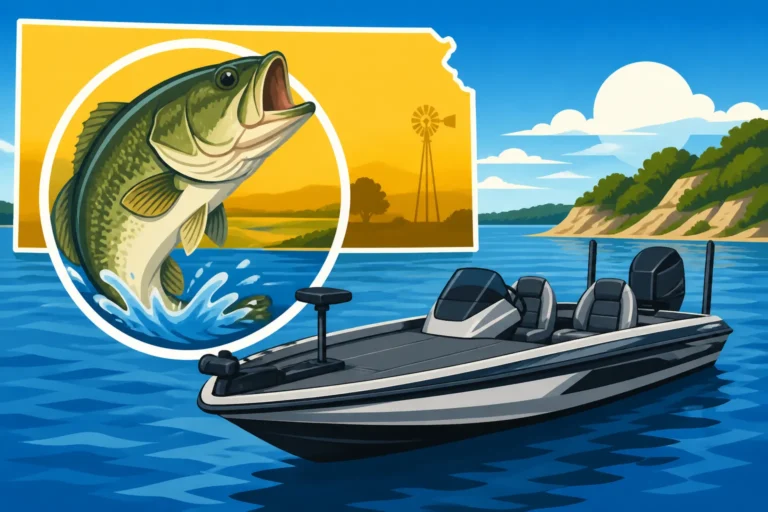
Choosing the perfect bass boat for Kansas reservoirs can feel like navigating a maze, full of options and considerations that can make your head spin. You’re not just buying a boat; you’re investing in your passion, your relaxation, and your pursuit of those elusive lunkers on lakes like Milford, Cheney, or Wilson. This guide is here to cut through the confusion and help you understand what truly makes a bass boat shine on our unique Kansas waters.
Understanding the Kansas Reservoir Environment for Bass Boats
Kansas reservoirs present a unique set of challenges and opportunities for anglers, which directly impacts what kind of bass boat will serve you best. Unlike smaller, more sheltered lakes, our larger reservoirs often experience significant wind, leading to choppy waters that can test both boat and angler. However, they also offer vast expanses, diverse structure, and the potential for incredible fishing.
The Impact of Wind and Waves
Anyone who has spent a day on Milford Lake or Cheney Reservoir knows that Kansas wind is no joke. A calm morning can turn into a white-capping afternoon faster than you can say "hookset." This means your bass boat needs to be built to handle these conditions, providing a safe, stable, and relatively dry ride. A boat that feels like a bucking bronco in moderate chop will quickly take the joy out of your fishing day. You want to feel secure, even when the lake gets a little feisty, allowing you to focus on fishing rather than bracing for the next wave. This capability is often tied to the hull design and the overall size and weight of the vessel.
Varied Depths and Structures
Kansas reservoirs are known for their diverse underwater topography. You'll find everything from shallow, stump-filled coves perfect for flipping jigs to deep, open-water humps and ledges where bass school up. Some reservoirs, like Wilson Lake, even boast impressive rock formations. A versatile bass boat will allow you to confidently navigate these different environments. This means having a hull design that can get into shallower areas without constantly digging mud, yet also perform well in deeper, more open water. Considerations for transom-mounted transducers for your Best Fish Finder for Kansas Reservoirs become important, as does the ability to quickly transition between different fishing depths and techniques.
Accessibility and Ramp Conditions
While many of our major reservoirs have excellent boat ramps, you might occasionally find yourself launching from a less-than-perfect access point, especially at smaller state fishing lakes or during lower water levels. The overall size and draft of your bass boat, along with your tow vehicle setup, can play a role here. A boat that is too long or too heavy might make certain ramps more challenging to use. Think about the common access points you’ll frequent, and consider how easily your chosen boat can be launched and retrieved from various angles and conditions. Remember, smooth launching and loading contributes to a stress-free day on the water.
Essential Features for a Kansas Bass Boat
When you're looking for a bass boat, there are several key features that move beyond just aesthetics and directly contribute to your success and comfort on Kansas waters. These are the workhorses that make a difference between a good boat and a great boat for our local conditions.
Hull Design and Construction
The hull is the foundation of your bass boat, and its design dictates how the boat handles, rides, and performs in various conditions. For Kansas reservoirs, you’ll often hear discussions about fiberglass versus aluminum boats.
- Fiberglass Hulls: These boats are generally heavier, offer a smoother, drier ride in choppy water, and can achieve higher top speeds with powerful engines. The deeper V-hulls often found in fiberglass bass boats cut through waves more effectively, providing a more comfortable experience on windy days on expansive lakes like Milford. They also tend to have more storage and integrate advanced features more seamlessly. However, they are typically more expensive, require more maintenance, and have a deeper draft, making shallow water access a bit more challenging.
- Aluminum Hulls: Modern aluminum bass boats have come a long way. They are lighter, more fuel-efficient, and generally less expensive. Their shallower draft makes them ideal for getting into skinny water, navigating stump fields, and launching from less-developed ramps. While older aluminum boats might have a reputation for a rougher ride in chop, newer designs with modified V-hulls and thicker gauges are much improved. They are also incredibly durable and require less maintenance. If you frequent smaller community lakes or the river systems, an aluminum bass boat might be a fantastic choice.
Think about the predominant conditions you expect to fish. If you're a tournament angler frequently running long distances across choppy water, a fiberglass boat might be your preference. If you're exploring diverse waters, including rivers and shallow backwaters, a robust aluminum boat could be more practical.
Engine and Performance Considerations
Choosing the right outboard engine is crucial for your bass boat. It’s not just about horsepower; it’s about reliability, fuel efficiency, and appropriate thrust for your vessel and fishing style.
- Horsepower (HP): The maximum horsepower rating for your boat will be listed on the transom. While it's tempting to max it out, consider your actual needs. Higher horsepower provides faster hole shots and higher top speeds, which can be advantageous for covering vast distances quickly in a tournament setting. However, it also means higher fuel consumption and often a higher purchase price. Ensure your engine is powerful enough to get your boat on plane quickly, even with a full load of gear and livewell water.
- Fuel Efficiency: With the price of fuel fluctuating, efficiency is a real concern. Modern four-stroke outboards are significantly more fuel-efficient and quieter than their older two-stroke counterparts. Consider the size of your fuel tank and how far you plan to travel on a typical outing. Running out of gas on a large reservoir is a situation no one wants to experience.
- Maintenance and Reliability: A reliable engine is non-negotiable. Look for brands known for their dependability and readily available service in Kansas. Regular maintenance, as outlined in your engine's manual, will ensure it performs when you need it most.
Trolling Motor and Battery Systems
A good trolling motor is arguably as important as your main outboard for effective bass fishing. It allows for stealthy, precise boat positioning, which is critical for working structure or holding a spot in the wind.
- Thrust: Measured in pounds, thrust determines how much power your trolling motor has to move your boat, especially against wind and current. For Kansas's often windy reservoirs, you'll want ample thrust, generally 80 lbs or more for larger bass boats. Don't skimp here; an underpowered trolling motor will lead to frustration on a breezy day.
- Shaft Length: This is often overlooked but critical. The shaft needs to be long enough to keep the propeller submerged, even in rough water. Too short, and your prop will blow out of the water, losing thrust and control.
- GPS Features (Spot-Lock): Modern trolling motors often integrate GPS technology, with "spot-lock" or "anchor mode" being a game-changer. This feature automatically holds your boat in a precise position, even in wind or current, freeing you up to focus on fishing. Brands like Minn Kota and MotorGuide are leaders in this technology. You can find these advanced motors at retailers like Bass Pro Shops or online at Amazon.
- Battery System: Trolling motors run on deep-cycle batteries, often in 24V or 36V configurations (requiring two or three batteries, respectively). Ensure your boat has adequate battery storage, a quality onboard charger, and consider lithium batteries for lighter weight and longer run times, though they come with a higher upfront cost. A robust battery system is key to powering your Best Trolling Motor for Kansas Lakes all day long.
Livewells and Storage
For bass anglers, particularly those involved in tournaments, a well-designed livewell system is paramount for keeping fish healthy.
- Size and Aeration: Livewells should be large enough to comfortably hold several bass without overcrowding. More importantly, they need effective aeration systems that oxygenate the water and circulate fresh water to keep fish healthy and stress-free. Some systems offer multiple pumps, timers, and even oxygen injection.
- Dividers and Recirculation: Dividers can help separate fish, reducing stress. A recirculation mode is vital for longer periods, ensuring water quality inside the livewell remains optimal.
- Storage: Bass boats are famous for their abundant storage. You'll need space for dozens of rods, tackle boxes, safety gear, clothes, and more. Look for dry storage compartments, rod lockers, and perhaps even a cooler built into the boat. Ample, organized storage keeps your deck clear and your gear protected from the elements. This is where a good Best Tackle Box Setup for Kansas Anglers truly shines when paired with smart boat storage.
Matching Your Fishing Style to Your Boat Choice
Your bass boat should be an extension of your fishing habits and priorities. What works for a dedicated tournament angler might be overkill, or even unsuitable, for someone who primarily fishes with their family or just enjoys a casual day on the water.
Tournament Angler Needs
For the serious tournament angler, speed, efficiency, and reliability are paramount. Every minute counts, and every fish needs to be kept in prime condition for weigh-in.
- Performance and Speed: You'll likely prioritize a higher horsepower fiberglass boat that can cover long distances quickly across large reservoirs like El Dorado Lake or Milford Lake. Getting to your spot first and having more fishing time can be a competitive edge.
- Advanced Electronics: Multiple large screen fish finders (often at the bow and console), advanced GPS mapping, and network capabilities are essential. You need to quickly identify structure, baitfish, and bass schools.
- Robust Trolling Motor: A powerful, GPS-enabled trolling motor with spot-lock is non-negotiable for precise boat positioning, especially when working specific points or brush piles.
- Top-Tier Livewells: Tournament anglers require large, meticulously designed livewells with advanced aeration and recirculation systems to ensure fish health and minimize penalties.
- Extensive Rod Storage: Dedicated, lockable rod lockers that can accommodate numerous rods of varying lengths are critical for carrying a diverse arsenal for different techniques.
Recreational and Weekend Warrior Angler
If your focus is on enjoying a relaxed day of fishing, perhaps with a buddy or two, and the occasional local derby, your priorities might shift slightly.
- Comfort and Stability: A slightly larger, more stable platform might be preferred, especially if you anticipate having more than one angler moving around the boat. A smooth ride is still important on windy Kansas days, but raw speed might be less of a factor.
- Versatility: You might look for a boat that's good for bass but can also handle crappie or walleye fishing. Some "multi-species" boats blend bass boat features with deeper hulls for more comfortable walleye trolling on big water.
- Easier Maintenance: An aluminum boat might appeal due to its durability, lower maintenance requirements, and often easier trailering and launching. This leaves more time for fishing and less time for upkeep.
- Moderate Electronics: While a good fish finder and trolling motor are still valuable, you might not need the most cutting-edge, interconnected systems. A reliable unit at the console and a simple bow-mounted one could suffice. You can find quality, budget-friendly options on Amazon.
- Sufficient Storage: Adequate storage for your general tackle, life jackets, and a cooler is important, but perhaps not the overwhelming capacity required by a tournament pro. Check out Kansas Fishing Gear Guide for some essentials.
Family and Multi-Purpose Boating
For those who want a boat that can do double duty – offering good bass fishing capabilities but also serving as a platform for family fun like cruising, tubing, or swimming – a different approach is needed.
- Safety and Space: Open deck space, comfortable seating, and a high level of stability are key for family outings. You'll need secure places for kids to sit and move around.
- Higher Sides: A boat with slightly higher gunwales can provide a greater sense of security, especially with children on board, and keep more spray out in choppy conditions.
- Swim Platform or Ladder: If swimming or tubing is on the agenda, a swim platform or boarding ladder is a huge plus.
- Convertible Seating: Some bass boats offer convertible seating arrangements that can quickly adapt from fishing chairs to comfortable passenger benches.
- Moderate Performance: You'll still want a capable engine for decent performance, but top-end speed might be less critical than a smooth, comfortable ride for everyone.
- Accessibility: Consider how easy it is for everyone, from young kids to older family members, to get in and out of the boat, both at the dock and in the water.
Navigating the Purchase: New vs. Used and Where to Look
Once you have a good idea of what features and type of boat best suit your needs, the next step is actually finding it. This involves deciding between new and used, and knowing where to begin your search.
New Bass Boat Advantages and Disadvantages
Buying new offers the allure of the latest technology, a full warranty, and the peace of mind that comes with knowing you're the first owner.
- Advantages:
- Latest Technology: New boats come equipped with the newest advancements in engine technology, electronics, and hull designs. This means better fuel efficiency, more powerful trolling motors, and cutting-edge fish finders straight from the factory.
- Warranty: You'll typically get a comprehensive warranty on the hull, engine, and often other components, protecting your investment from unexpected issues.
- Customization: When buying new, you often have the opportunity to customize certain features, colors, and rigging to your exact specifications.
- Financing Options: Dealerships often have favorable financing options available for new boat purchases.
- Disadvantages:
- Depreciation: Like cars, boats depreciate significantly once they leave the showroom floor.
- Higher Cost: The upfront cost of a new bass boat is considerably higher than a comparable used model.
- Wait Times: Popular models or custom orders can sometimes involve significant wait times, especially in peak seasons.
If you're considering a new boat, local dealerships specializing in bass boats are your best bet. Stores like Bass Pro Shops often have a marine center that can walk you through the various options.
Used Bass Boat Advantages and Disadvantages
A used bass boat can offer incredible value, allowing you to get more boat for your money, but it also comes with a unique set of considerations.
- Advantages:
- Lower Price Point: This is the most significant advantage. You can often find a well-maintained used boat for a fraction of the cost of a new one. This opens up options for higher-tier models that might be out of budget when new.
- Slower Depreciation: The bulk of the depreciation has already occurred, so your investment holds its value better over time.
- Proven Track Record: Sometimes, a boat that has been used for a few seasons has had any initial quirks worked out by the previous owner.
- Disadvantages:
- No Warranty (or limited): Used boats often come with no warranty, or a very limited one if still under the original factory period. This means you're on the hook for any repairs.
- Wear and Tear: You're buying someone else's history. There might be cosmetic damage, engine hours, or wear on components that need attention.
- Outdated Technology: The electronics, trolling motor, or even the engine technology might be a generation or two behind, requiring upgrades if you want the latest features.
- Hidden Problems: Without a thorough inspection, you might inherit unseen issues with the engine, hull, or electrical system.
Where to Start Your Search
- Dealerships: Many dealerships sell both new and certified pre-owned boats. This can be a great option for used boats as they've often been inspected and might come with some limited warranty.
- Online Marketplaces: Websites specializing in boat sales, as well as general marketplaces, are full of listings. Be prepared to sift through many options and exercise caution.
- Boat Shows: Attending a boat show in Kansas or a neighboring state is a fantastic way to see many different brands and models in one place, compare features, and talk to representatives.
- Word of Mouth: Let your fishing buddies and local clubs know you're in the market. Sometimes the best deals are found through personal connections.
Regardless of whether you buy new or used, always perform due diligence. For a used boat, consider a professional marine survey and a mechanic's inspection of the engine. Test drive the boat on the water to ensure everything is working correctly. Understand the Kansas Boat Registration Guide requirements and what documentation you'll need.
| Feature | Fiberglass Bass Boat | Aluminum Bass Boat |
|---|---|---|
| Ride in Chop | Smoother, drier, cuts waves better | Can be rougher, "rides on top" more, newer designs improved |
| Speed/Performance | Higher top speeds, quicker hole shot (with equivalent HP) | Generally slower, but very efficient |
| Shallow Water Acc. | Deeper draft, can be more challenging | Shallower draft, excellent for skinny water |
| Durability | Very durable, but can chip/spider-crack on impact | Extremely durable, impact-resistant, ding-prone |
| Maintenance | More cosmetic upkeep, waxing, gel coat repairs | Less intensive, can be pressure washed |
| Cost | Generally higher purchase price and insurance | Generally lower purchase price and insurance |
| Weight | Heavier, requires larger tow vehicle | Lighter, easier to tow and launch |
| Storage | Often more integrated, larger compartments | Excellent, often more open and configurable |
| Typical Use | Tournament fishing, large open reservoirs (Milford, Wilson) | Versatile, smaller lakes, rivers, shallow backwaters (Clinton) |
Ultimately, the best bass boat for Kansas reservoirs is the one that fits your personal fishing style, your budget, and the specific waters you plan to fish most often. Take your time, do your research, and don't be afraid to ask questions. Happy fishing!
Disclaimer
This article is for general informational purposes only and does not constitute professional advice. Laws, prices and regulations vary by location and change over time. Consult a qualified professional for guidance on your specific situation.