Best Reel Size for Crappie
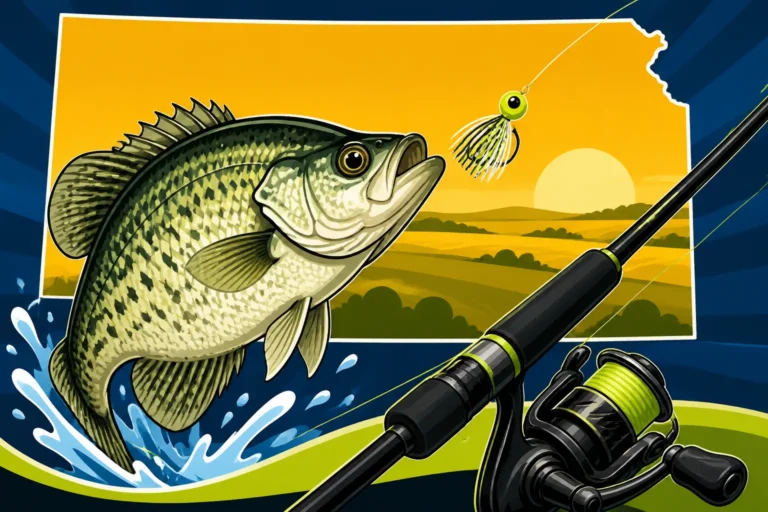
Navigating the world of fishing gear can be genuinely overwhelming, especially when you're trying to dial in your setup for a specific species like crappie. Many anglers feel a real struggle trying to figure out if that tiny ultralight reel is truly enough, or if they need something with a bit more backbone, leading to wasted money on gear that just doesn't quite fit their style. This guide is here to untangle the confusion, helping you understand the nuances of reel sizing so you can pick the absolute best reel for your crappie adventures here in Kansas, making your time on the water more productive and enjoyable.
Why Reel Size is a Game-Changer for Crappie Fishing
You might think a reel is just a reel, but when it comes to crappie fishing, the size of your spinning reel can make a huge difference in your success and overall experience. Crappie, those delightful panfish, often require a delicate touch, light line, and precise presentations. Using a reel that's too large can lead to a clumsy setup, difficulty feeling those subtle bites, and ultimately, fewer fish in the cooler. Conversely, a reel that's too small might not hold enough line or offer the smooth drag needed for larger slabs or unexpected bycatch.
The Impact of Imbalance and Weight
Imagine trying to thread a tiny jig onto a 4-pound test line with a heavy, bulky saltwater reel. It would feel awkward, right? The same principle applies to crappie. A reel that's disproportionately heavy or large compared to your rod can throw off the balance of your entire setup. This imbalance leads to arm fatigue, reduces casting accuracy, and dulls your sensitivity to light bites. Crappie often peck at baits rather than aggressively striking, so feeling that faint "thump" or subtle line movement is critical. A balanced setup, where the reel complements the rod's weight and action, becomes an extension of your arm, allowing for natural, intuitive fishing.
Line Capacity and Drag Performance
Another often-overlooked aspect of reel size for crappie is line capacity and drag performance. Crappie fishing typically involves lighter lines, often in the 2 to 6-pound test range. A smaller reel is perfectly suited for these lighter lines, holding ample amounts without excess bulk. While crappie aren't known for blistering runs, a smooth, consistent drag is essential. Even a respectable 12-inch crappie can put up a surprisingly good fight on ultralight tackle. A quality, smaller reel designed for finesse fishing will offer the fine-tuned drag adjustments necessary to protect light lines from snapping under pressure, especially when you encounter a bigger fish or need to quickly turn a stubborn one away from cover.
Understanding Reel Sizing Systems
Reel manufacturers use various numbering systems, which can definitely add to the confusion. It's not like buying shoes where a size 9 is always a size 9. Different brands might use slightly different scales, but generally, the numbers relate to the reel's overall size, line capacity, and sometimes its retrieve speed or power. Understanding these common systems is your first step to making an informed decision.
Common Spinning Reel Sizing
When you look at spinning reels, you'll most commonly see numbers like 500, 1000, 2000, 2500, 3000, and so on, often increasing in increments of 500 or 1000. Sometimes, particularly with older models or specific brands, you might just see single or double-digit numbers like 10, 20, 30.
-
500-1000 Series (or 10-20 Series): The Ultralight Specialists
These are your quintessential ultralight reels. They are small, lightweight, and designed for very light lines (typically 2-6 lb test) and tiny baits. They excel at casting small jigs, micro-crankbaits, and live minnows with extreme finesse. Their small spool diameter usually means less line capacity and slower retrieve per crank, but for crappie, that's often exactly what you want for a delicate presentation. If you're targeting small crappie in clear water with tiny jigs, this is often the sweet spot. You'll find these reels are perfectly paired with ultralight rods, creating a setup that offers maximum sensitivity. -
2000-2500 Series (or 20-25 Series): The Versatile Workhorses
Stepping up slightly, these reels offer a bit more versatility. They're still relatively light, but they have increased line capacity (often handling 4-8 lb test comfortably) and sometimes a slightly faster retrieve ratio. This size range is fantastic if you occasionally throw slightly heavier jigs, small crankbaits, or even some lighter soft plastics for larger crappie. They provide a good balance between finesse and a bit more backbone, making them suitable for situations where you might encounter bigger fish or need to make longer casts. Many anglers consider a 2000 or 2500 series reel to be an excellent all-around choice for general panfish and light freshwater fishing. This size often pairs well with light or medium-light rods. -
3000+ Series: Overkill for Most Crappie Situations
While these reels have their place in other types of fishing, a 3000 series or larger is generally considered excessive for dedicated crappie fishing. They are heavier, have much greater line capacity (designed for 8-12+ lb test), and are built for bigger fish and heavier lines. Using such a reel for crappie would reduce your sensitivity, lead to quick fatigue, and simply not offer any real advantage for the average crappie angler. Save these for bass, walleye, or catfish.
What the Numbers Truly Represent
Beyond just a general "size," the numbers often correlate to specific technical specifications that are important:
- Line Capacity: A higher number generally means the reel can hold more line, both in length and thicker diameter. For crappie, you usually don't need hundreds of yards of heavy line, so a smaller reel's capacity is usually more than adequate.
- Weight: Smaller reels are lighter, which contributes to a balanced setup and reduces fatigue during long fishing sessions, especially when constantly casting and retrieving small baits.
- Retrieve Rate (Gear Ratio): While not directly part of the "size" number, smaller reels often come with slightly slower gear ratios (e.g., 5.0:1) compared to their larger counterparts. This means less line is retrieved per crank, which can be beneficial for slow, controlled presentations crucial for crappie. However, modern reels offer various gear ratios across different sizes, so always check the specifications.
Recommended Reel Sizes for Crappie
Choosing the "best" reel size for crappie really boils down to your personal fishing style, the type of water you're fishing, and the specific techniques you employ. There isn't a one-size-fits-all answer, but we can definitely narrow it down to a few key recommendations based on common crappie fishing scenarios here in Kansas.
Ultralight (500-1000 Series) for Finesse and Light Jigs
If your crappie fishing involves tossing tiny jigs, often 1/32 or 1/64 ounce, or fishing with small live minnows under a bobber, an ultralight spinning reel in the 500 to 1000 series is usually your champion. These reels are designed for extreme finesse.
Pros:
- Maximum Sensitivity: The lightweight nature of these reels, especially when paired with an ultralight rod, creates an incredibly sensitive setup. You'll feel every subtle twitch and tap that a crappie delivers.
- Delicate Presentation: Small jigs and light lines cast effortlessly with these reels, allowing for quiet, subtle entries into the water that won't spook finicky crappie.
- Reduced Fatigue: Their minimal weight means you can cast all day long without your arm feeling like it's been through a workout.
Cons:
- Limited Line Capacity: While usually enough for crappie, you won't have a ton of extra line if you hook into a really big fish or something unexpected like a beefy channel catfish.
- Less Robust Drag: While good quality ultralight reels have smooth drags, they generally offer less maximum drag pressure compared to larger reels. This is rarely an issue for crappie but something to be aware of.
- Slower Retrieve: The smaller spool diameter often means a slower retrieve rate, which can be a pro or a con depending on your desired technique.
When to Choose: Think of those calm days on a Kansas State Fishing Lake, gently jigging around submerged brush piles or casting tiny plastics at schooling fish. If you're a purist who loves the art of ultralight fishing, this is your go-to. I've spent countless hours with a 750 series reel, feeling every vibration as I slowly work a micro-jig through a school of winter crappie. It's truly a connection to the fish.
Light to Medium-Light (2000-2500 Series) for Versatility
For the angler who wants a bit more versatility, perhaps you throw slightly heavier jigs, small crankbaits, or even do a bit of spider rigging, a 2000 or 2500 series reel is an excellent choice. This size range offers a fantastic balance that can handle a broader array of crappie techniques and situations.
Pros:
- Increased Line Capacity: These reels hold more line (e.g., 6-8 lb test), giving you a buffer for longer casts or unexpected encounters with larger fish species like a curious Kansas Walleye Minimum Length Limit of 21 Inches that might swipe your crappie jig.
- Stronger, Smoother Drag: Generally, you'll find a more robust and even smoother drag system in this size range, offering greater control when a bigger crappie or another species decides to play hard.
- Broader Technique Application: From casting and retrieving to vertical jigging or even light trolling, these reels adapt well to various methods without feeling out of place.
Cons:
- Slightly Heavier: They're not heavy by any means, but they do add a bit more weight compared to their ultralight counterparts, which can subtly reduce sensitivity if not paired correctly with a rod.
- Less "Finesse" Feel: While still very capable of finesse fishing, they won't offer the extreme feather-light feel of a 500 or 1000 series reel.
When to Choose: If you fish multiple Kansas reservoirs like Milford Lake or Cheney Reservoir, and you might switch from pitching small jigs one day to slow-trolling micro-crankbaits the next, this size offers the adaptability you need. It's also a great option if you often fish around heavier cover where a little more line strength and drag power are welcome. Many anglers who frequent Kansas Community Fishing Lake Rules find this size a perfect all-around choice.
Here's a quick comparison to help visualize the differences:
| Reel Size Range | Typical Line Weight | Common Crappie Techniques | Pros | Cons |
|---|---|---|---|---|
| 500 – 1000 | 2-6 lb mono/fluoro | Ultralight Jigging, Bobber Fishing, Micro Plastics | Max sensitivity, light feel, delicate casts | Limited line, less robust, slower retrieve |
| 2000 – 2500 | 4-8 lb mono/fluoro | Versatile Jigging, Small Cranks, Spider Rigging | Good balance, more capacity, stronger drag | Slightly heavier, less extreme finesse |
Factors Beyond Size: Matching Your Crappie Reel to Your Setup
While reel size is paramount, it's just one piece of the puzzle. To truly optimize your crappie fishing experience, you need to consider how your chosen reel integrates with the rest of your gear. Think of it like assembling a finely tuned instrument – each component needs to harmonize with the others. Ignoring these other factors can lead to a less efficient, less enjoyable, and ultimately less successful day on the water.
Rod Selection: The Perfect Partnership
The rod is arguably the most critical component to match with your reel. An ultralight reel on a heavy bass rod would be a disaster, just as a heavy reel on a flimsy ultralight rod would feel completely off. For crappie, you're generally looking at light to ultralight power rods with a fast to moderate-fast action.
- Ultralight Rods (4'6" to 6'6"): These are the ideal partners for 500-1000 series reels. They're designed to load up and cast tiny lures, and their delicate tips offer incredible sensitivity. A perfectly balanced ultralight rod and reel combo feels like an extension of your arm, allowing you to detect the most subtle bites. For those days where you're Jigging Techniques for Kansas Crappie with tiny presentations, this combo is magic.
- Light or Medium-Light Rods (5'6" to 7'6"): These rods pair beautifully with 2000-2500 series reels. They offer a bit more backbone for handling slightly heavier lures, battling larger crappie, or even those accidental bigger fish. The extra length can also be beneficial for longer casts or reaching out to present your bait in specific spots. When considering a Best Rod and Reel Combo for Crappie, this pairing is often suggested for its all-around performance.
The key here is balance. When you hold the rod with the reel attached, the point of balance should be just ahead of where your hand rests on the reel seat. This balance minimizes wrist fatigue and maximizes your ability to feel what's happening at the end of your line. You can often find great rod and reel combos already assembled, or mix and match components at retailers like Bass Pro Shops or even when scrolling through options on Amazon.
Line Type and Test: The Unseen Connection
Your fishing line is the direct link between you and the fish, and its characteristics are profoundly affected by your reel choice. For crappie, light line is king.
- Monofilament (Mono): This is a popular choice for crappie, especially in lighter tests (2-6 lb). Mono has some stretch, which can be forgiving when a crappie strikes, helping prevent hooks from tearing out of their soft mouths. It's also relatively inexpensive. A 500-1000 series reel spooled with 4 lb mono is a classic crappie setup.
- Fluorocarbon (Fluoro): Offering less stretch than mono and nearly invisible underwater, fluorocarbon is excellent for finicky crappie, especially in clear water. It also provides more sensitivity. You might use 4-6 lb fluoro on a 1000-2500 series reel. Keep in mind, fluoro can be stiffer than mono, so ensure your reel's spool manages it well to avoid coiling.
- Braided Line: While less common for pure crappie fishing due to its high visibility and lack of stretch (which can be unforgiving for soft-mouthed crappie), some anglers use very light braid (e.g., 6-10 lb test, which has the diameter of 2-4 lb mono) with a fluorocarbon leader for maximum sensitivity and strength, particularly when fishing heavy cover or if they are planning on targeting species other than crappie during the same trip. A 2000-2500 series reel can handle this better due to its slightly larger spool.
Ensure your chosen line's breaking strength matches what your reel and rod are designed for. Putting 20 lb braid on an ultralight crappie reel designed for 4 lb test will not only lead to terrible casting but could also damage your reel's internal components.
Fishing Technique: Tailoring Your Setup
Different crappie fishing techniques lend themselves to specific reel and rod combinations.
- Casting Small Jigs/Plastics: For this classic method, often done from the bank or a boat, a 500-1000 series reel on a 5'6" to 6'6" ultralight rod with 4 lb mono or fluoro is hard to beat. It allows for delicate casts and maximum feel of the lure's action.
- Live Bait/Bobber Fishing: Whether you're using a slip bobber or fixed bobber, the key is often a gentle presentation. A 1000-2000 series reel provides enough line capacity and a smooth drag for soaking minnows or worms, especially useful for newer anglers or kids learning to fish.
- Spider Rigging/Trolling: When slow trolling multiple lines from the front of a boat, typically with 2-4 rods per angler, you'll want slightly more robust setups. 2000-2500 series reels are excellent here, holding enough line and providing the necessary drag for constant pressure and incidental larger fish. These setups are often paired with longer, medium-light rods (8-12 feet) for wider lure spread.
- Dock Shooting/Skipping: This specialized technique for getting lures under docks requires short, stiff rods (4-5 feet) and can benefit from a 1000-2000 series reel that allows for precise line control and quick retrieves after the cast.
Ultimately, the best reel for crappie isn't just about the numbers on the side of the box. It's about how that reel feels in your hand, how it casts with your chosen rod and line, and how it performs for the specific way you like to catch those delicious Kansas Crappie Daily Limit of 50 Fish.
Caring for Your Crappie Reel: Longevity and Performance
You've invested time and thought into choosing the perfect reel for your crappie adventures, so it only makes sense to take good care of it. A well-maintained reel doesn't just last longer; it performs better, ensuring smooth casts, consistent retrieves, and a reliable drag when you're battling a nice slab. Neglecting your reel, especially after spending a day on a dusty bank or in a boat on a windy reservoir, can lead to grit in the gears, sticky drags, and an overall frustrating experience.
Basic Cleaning After Every Trip
This is probably the simplest, yet most overlooked, step in reel maintenance. After every single fishing trip, take a few minutes to give your reel a quick once-over.
- Rinse with Fresh Water: If you've been around lake spray, dust, or even just wet hands, a gentle rinse with fresh water is crucial. Hold the reel under a slow stream of water or wipe it down with a damp cloth. Make sure to rinse the spool, line roller, and any exposed moving parts. Crucially, do NOT spray directly into the gears or bearings with high pressure, as this can force water and contaminants further inside.
- Dry Thoroughly: After rinsing, use a soft, clean cloth to wipe the reel dry. Pay attention to crevices and moving parts. Many anglers like to let their reels air dry completely overnight before putting them away. Leaving moisture on the reel can lead to corrosion, especially in saltwater environments, but even in freshwater, it's best to dry thoroughly.
- Check for Debris: While drying, visually inspect your reel for any lingering dirt, sand, or line fragments that might have gotten caught. Pay special attention to the line roller and the area around the bail arm.
Regular Lubrication and Inspection
Beyond the quick rinse, your crappie reel needs a bit more tender loving care on a regular basis, depending on how often you fish. For an avid angler, this might mean every few months; for occasional use, once a season might suffice.
- Light Lubrication: Use a small drop of high-quality reel oil on key friction points. These typically include the bail arm pivots, the line roller, and the handle knobs. Less is often more with reel oil – you don't want to gum things up. Some anglers also put a tiny bit on the main shaft where the spool attaches.
- Greasing Gears (Annually/Bi-Annually): For the internal gears, a light coat of specialized reel grease is required. This is a more involved process, often requiring partial disassembly of the reel. If you're not comfortable taking your reel apart, consider having a tackle shop perform this service. Properly greased gears ensure smooth operation and protect against wear.
- Drag System Check: Your drag system is vital for fighting fish on light line. Periodically loosen your drag all the way when storing the reel to prevent the drag washers from compressing and sticking. Before each trip, tighten the drag down and check its smoothness by pulling line directly from the spool. If it feels jerky or inconsistent, it might be time for a deeper clean of the drag washers.
- Line Condition: While not strictly reel maintenance, inspect your fishing line regularly. Look for frays, nicks, or excessive memory (coiling). Light line used for crappie can weaken over time, especially the first few feet near your lure. Consider replacing your line annually or more often if you fish frequently.
Storage Tips for Longevity
How you store your crappie reel when not in use can significantly impact its lifespan.
- Away from Extreme Temperatures: Avoid storing your reels in direct sunlight or places with extreme temperature fluctuations, like a hot garage or shed in the Kansas summer. This can degrade lubricants and line.
- Protected from Dust and Bumps: A reel cover or a dedicated tackle bag compartment can protect your reel from dust accumulation and accidental knocks that might bend the bail or scratch the finish. Many reels, even those available at a wide range of retailers including Amazon, come with a simple fabric bag.
- Hang Rods Vertically: If possible, store your rod and reel combos vertically. This prevents unnecessary pressure on the rod blanks and keeps your line from getting tangled or developing excessive memory.
By dedicating a little time to these care steps, your crappie reel will not only perform flawlessly when you need it most but will also serve you faithfully for many seasons of chasing those tasty slabs across Kansas waters.
Disclaimer
This article is for general informational purposes only and does not constitute professional advice. Laws, prices and regulations vary by location and change over time. Consult a qualified professional for guidance on your specific situation.