Best Waders for Cold Kansas Water
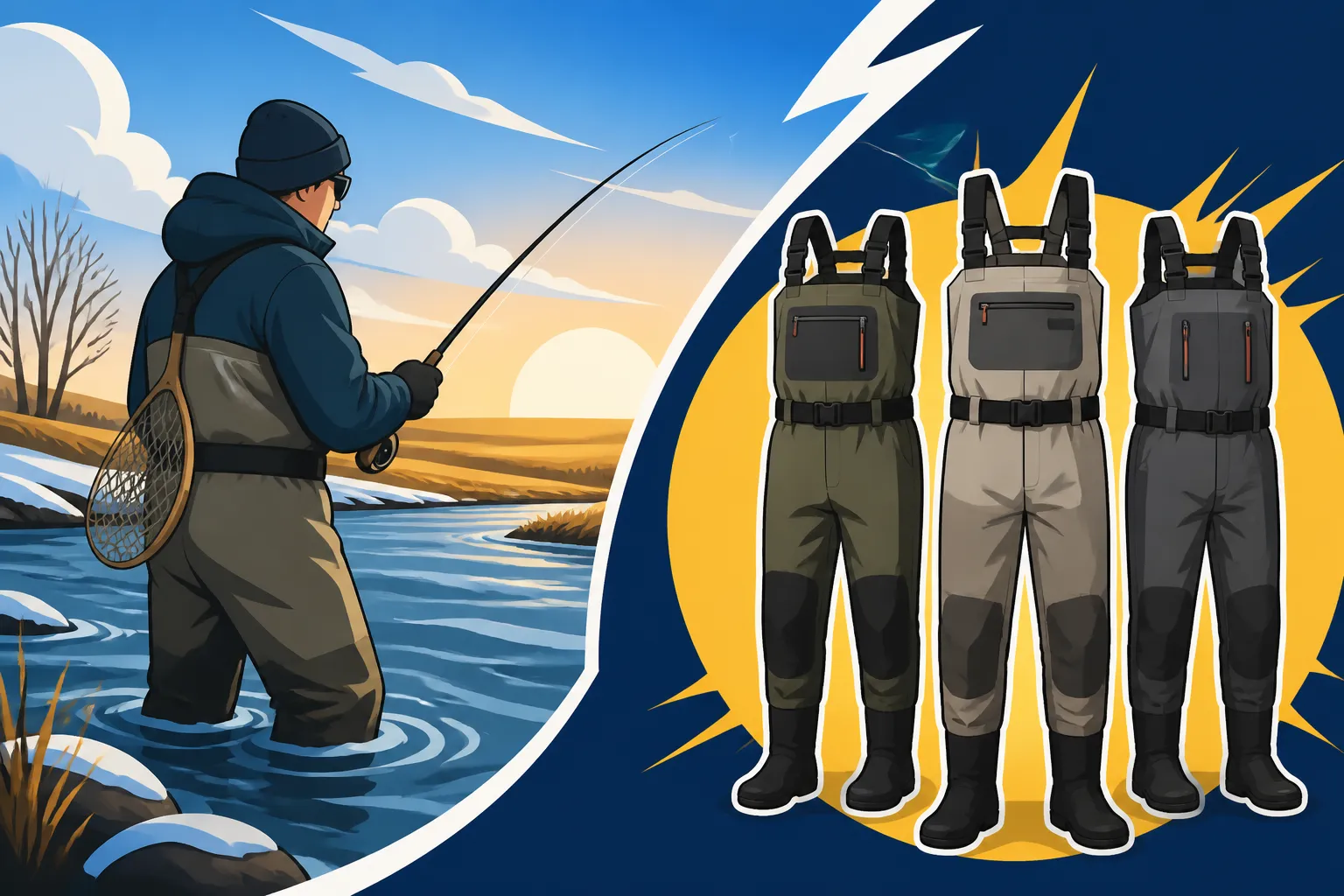
The crisp bite in the Kansas air, the icy sheen on the water's surface, and the promise of a trophy fish beneath the cold current—these are the hallmarks of winter and early spring fishing in our beloved Sunflower State. But let's be honest, nothing ruins a perfectly good day on the water faster than cold, wet feet and legs. This guide is here to help you navigate the often-confusing world of fishing waders, specifically focusing on what you need to stay warm, dry, and comfortable when tackling those frigid Kansas waters.
Why Good Waders are a Game Changer for Cold Water Fishing in Kansas
For many Kansas anglers, the idea of stepping into cold water, especially when the air temperature hovers near freezing, can be daunting. But a quality pair of waders isn't just about staying dry; it's about extending your fishing season, accessing prime spots, and ultimately, making your time outdoors far more enjoyable. Without the right gear, you're either shivering on the bank, or worse, cutting your trip short.
Conquering the Cold: Comfort in Frigid Conditions
Imagine standing in a slow-moving Kansas river, like the Kansas River itself, in late November or early March, targeting a lurking channel cat or perhaps even trying your hand at trout fishing in one of the stocked community lakes. The water might be just above freezing, and the air isn't much warmer. Without proper insulation and waterproofing, your body quickly loses heat, leading to discomfort, shivering, and a complete inability to focus on your fishing technique. High-quality waders act as a personal thermal barrier, trapping your body heat and preventing the icy water from stealing it away. This comfort allows you to stay out longer, be more patient, and ultimately, be more successful. It's the difference between a miserable hour and a memorable afternoon.
This isn't just about avoiding hypothermia, which is a serious concern, but also about maintaining dexterity. Cold hands and feet make tying knots, changing lures, and handling fish incredibly difficult and frustrating. When your core temperature is maintained thanks to good waders, your extremities also benefit, making those intricate tasks much easier. For those who enjoy Kansas Ice Fishing Guide, the principles are similar, even if the application is slightly different.
Accessing Prime Fishing Spots
Sometimes, the best fish aren't found right off the bank. Whether you're wading into a shallow feeder creek to intercept white bass during their spring run, venturing out into a reservoir's shallows to target walleye on a rocky point, or simply needing to get past some dense bankside brush to cast effectively, waders open up a whole new world of access. In Kansas, many of our best fishing spots require getting into the water to reach them. Think about those hidden pockets along the Republican River Fishing Access or the shallow flats on Milford Lake that hold pre-spawn crappie.
Without waders, these spots are often inaccessible, leaving you to fish only the most easily reached, and often most pressured, areas. With waders, you can walk out to that submerged rock pile, get to the downstream side of a current break, or even use them for launching a Kansas Kayak Fishing Gear Guide more easily from a muddy bank. This expanded access often means less competition from other anglers and a better chance at finding untouched fish. It's about putting yourself in the best possible position for success.
Types of Waders: Deciding What's Right for You
When you start looking at waders, you'll quickly realize there's a spectrum of options. Understanding the main types, especially when focusing on cold water, is crucial to making the right choice for your Kansas fishing adventures. It’s not a one-size-fits-all situation, and what works for a summer stream might leave you regretting your choices in a December river.
Neoprene Waders: Your Cold Water Companion
For serious cold water fishing in Kansas, neoprene waders are often the go-to choice, and for good reason. Neoprene is the same material used in wetsuits, and it excels at insulation. The thickness of neoprene is measured in millimeters (mm), typically ranging from 3mm to 5mm for fishing waders. A thicker neoprene provides more warmth, but also adds bulk and can be less flexible. For truly frigid conditions, a 5mm neoprene wader can be a lifesaver, especially if you plan on standing in the water for extended periods or if you're venturing out for Kansas Winter Trout Fishing Guide.
The downside to neoprene is breathability. Or rather, the lack thereof. On a warmer day, or if you're doing a lot of walking, you can quickly become sweaty inside neoprene waders, which can actually make you feel colder once you stop moving. However, for stationary cold-weather fishing, where you're primarily wading and not hiking miles, neoprene's insulating properties are hard to beat. They also tend to be quite durable and offer good puncture resistance against thorns and sharp objects you might encounter in Kansas waterways. Many anglers find them excellent for Kansas Ice Fishing Guide when standing near holes for hours.
Breathable Waders with Layering: Versatility is Key
Breathable waders, typically made from GORE-TEX or similar multi-layer nylon fabrics, offer a different approach to cold-water comfort. While they don't inherently provide the same level of insulation as neoprene, their key advantage is their ability to wick moisture away from your body while preventing water from getting in. This breathability is a massive plus if you're hiking to your fishing spots, portaging a kayak, or if the air temperature might fluctuate throughout the day. The trick with breathable waders for cold water is layering. You need to wear appropriate thermal layers underneath, such as fleece pants or wool base layers, to provide the necessary insulation.
This layering system offers incredible versatility. On a milder fall day, you might wear lighter layers. When winter truly hits, you can pile on the thermals to match the conditions. This adaptability makes breathable waders a popular choice for anglers who fish year-round or engage in more active styles of fishing. They generally offer a wider range of motion than neoprene and are lighter, making them more comfortable for all-day wear. Companies like Simms, Orvis, and even those found at Bass Pro Shops or on Amazon offer excellent breathable options.
Bootfoot vs. Stockingfoot Waders
This is another critical distinction to consider.
- Bootfoot Waders: These have boots permanently attached to the wader legs. They are incredibly convenient, especially in cold weather, because you just step in and go. No separate wading boots to worry about, and they often provide excellent insulation for your feet. This is particularly beneficial when you're dealing with freezing temperatures or slush. However, the fit of the boot is crucial; a poor fit can lead to blisters or cold spots. They also tend to be bulkier for transport and storage.
- Stockingfoot Waders: These waders have neoprene booties attached, but require you to wear separate wading boots over them. This system offers superior ankle support, better traction, and allows you to customize your boot choice for specific terrain or ankle issues. The separate boots also mean you can replace them independently if they wear out. While it's an extra step to put them on, the ability to choose boots that fit perfectly and provide excellent grip on slippery Kansas riverbeds is a huge advantage. Just remember to account for the thickness of the neoprene stockingfoot when sizing your wading boots.
| Feature | Neoprene Waders | Breathable Waders (Layered) | Bootfoot Waders | Stockingfoot Waders (with Boots) |
|---|---|---|---|---|
| Primary Benefit | Max insulation, warmth | Versatility, moisture wicking | Convenience, integrated foot warmth | Custom fit, better traction, support |
| Cold Water Use | Excellent for stationary cold | Excellent with proper layering | Good, especially with insulated boots | Excellent, with insulated boots |
| Breathability | Poor | Excellent | Varies with wader material | Varies with wader material |
| Comfort | Warm but can be bulky/sweaty | Highly comfortable, adaptable | Quick entry, but boot fit is key | Superior mobility, customizable fit |
| Durability | Good puncture resistance | Generally good, depending on fabric ply | Boots can be heavy, wader material varies | Boots replaceable, wader material varies |
| Portability | Bulkier | Lighter, more packable | Bulkier | More compact (wader part) |
| Ideal For | Ice fishing, stationary cold wading | Active anglers, varying temps, long walks | Beginners, extreme cold, easy setup | Experienced anglers, rugged terrain |
Key Features to Look for in Cold Water Waders
Beyond the basic type, there are several specific features that can make a significant difference in your comfort, safety, and overall experience when fishing cold Kansas waters. Don't just grab the first pair you see; take a moment to consider these details.
Insulation and Material Thickness
When we talk about cold water, insulation is paramount. For neoprene waders, as mentioned, look at the millimeter thickness. A 3mm wader might suffice for early spring or late fall, but for true Kansas winter fishing, especially if you're going to be in the water for a while, a 5mm wader is often a better choice. It adds weight and restricts movement slightly, but the warmth is undeniable.
For breathable waders, the "insulation" comes from your layering system, but the wader material itself still matters. Look for fabrics that are described as multi-ply or reinforced, especially in high-wear areas like the knees and seat. This provides better durability and some inherent thermal resistance, even before you add your layers. A robust, multi-layer GORE-TEX or similar proprietary fabric will perform better than a cheaper, thin nylon shell. Always consider what you'll be wearing under them – fleece-lined pants or thick wool thermals are essential for warmth with breathable waders. This approach is key when you're venturing out for Kansas Fishing Seasons and Limits in the colder months.
Durability and Reinforcement
Kansas fishing often means navigating through brush, scrambling over rocky banks, or pushing through tall grass. Your waders are going to take a beating. Look for features that enhance durability. Reinforced knees and seat areas are almost non-negotiable. Some waders incorporate an extra layer of fabric, like a 4-ply or 5-ply construction in these high-abrasion zones. This significantly extends the life of your waders and prevents frustrating leaks. Also, inspect the seams. Double-taped, welded, or stitched and glued seams offer superior waterproofing and longevity compared to simple single-stitched seams.
Consider the boots on bootfoot waders or the material of stockingfoot booties. Reinforced toes and heels add to the lifespan. A heavy-duty sole with good traction on bootfoot waders is also vital for safety on slippery riverbeds. You don't want to compromise on quality here; a cheap pair of waders that leaks after a few trips will cost you more in the long run than investing in a more durable pair upfront. Both Bass Pro Shops and Amazon carry a range of brands known for their robust construction, so be sure to read reviews about long-term durability.
Fit and Mobility
A poorly fitting wader is not only uncomfortable but can also compromise its effectiveness and durability. Waders that are too tight will restrict movement, potentially stress seams, and make layering difficult. Waders that are too loose can sag, bunch up, and create friction points, leading to chafing or accelerated wear. The ideal fit allows for full range of motion—you should be able to squat, bend, and lift your legs comfortably without feeling restricted. When considering your Kansas Fishing Gear Guide, fit is paramount.
When trying on waders, wear the kind of layers you'd typically use for cold weather fishing. This will give you the most accurate sense of the fit. Pay attention to the crotch area; it should allow for free movement without riding up uncomfortably. The shoulder straps should be adjustable and comfortable, not digging into your shoulders. For stockingfoot waders, ensure the neoprene booties fit snugly but not too tightly around your feet, and that your wading boots accommodate them comfortably without pinching. Remember that a good fit contributes to both comfort and safety on the water.
Pockets and Features
While secondary to warmth and durability, convenient features can greatly enhance your fishing experience. A chest pocket with a waterproof zipper is invaluable for storing your phone, wallet, or other small essentials you need to keep dry and easily accessible. Fleece-lined hand warmer pockets are a godsend on chilly days, offering a quick reprieve for cold fingers. D-rings or attachment points are useful for clipping on tools like nippers, hemostats, or a small net, keeping them within reach.
Some waders even come with internal flip-out pockets or integrated tool docks. Consider if you prefer external pockets that are quick to access or internal ones that offer more protection from the elements. A wading belt is almost always included and is essential for safety, cinching the waders around your waist to prevent too much water from entering if you take an accidental dip. Adjustable suspenders are also a standard feature, but look for wide, comfortable straps that distribute weight well. These small details can make a big difference in the user experience out on the water.
Wader Care and Maintenance for Longevity
Investing in a good pair of waders for cold Kansas water is a smart move, but their lifespan heavily depends on how well you care for them. Proper cleaning, drying, storage, and occasional repair can add years to your waders and save you money in the long run.
Proper Cleaning and Drying Techniques
After every use, especially if you've been in muddy or murky water like you'd find in the Kansas River Fishing Guide, it's vital to clean your waders. First, rinse them thoroughly with fresh water, both inside and out. Pay special attention to the boots (if bootfoot) and the neoprene booties (if stockingfoot) to remove any grit, sand, or debris that could cause abrasion. A soft brush can help with stubborn mud. Avoid harsh detergents or chemicals, as these can degrade the waterproof membrane or neoprene. Mild soap and water are usually sufficient.
Once clean, the most crucial step is thorough drying. This is where many waders meet an early demise. Hang your waders upside down first to allow the interior to air dry completely. Many anglers use a wader hanger that allows air circulation. Once the inside is dry, flip them right side up to finish drying the exterior. Never store waders damp, as this can lead to mildew growth, which not only smells terrible but also breaks down the fabric and compromises its waterproof integrity. Avoid direct sunlight or extreme heat for drying, as this can damage the material and tape seams. Take your time with this step; patience pays off.
Effective Storage Methods
Once your waders are thoroughly dry, proper storage is key to preventing damage and prolonging their life. Avoid cramming them into a small bag or piling them in a corner, which can create permanent creases or stress points that lead to leaks. Ideally, hang them in a cool, dry place out of direct sunlight. A dedicated wader hanger is excellent for this, allowing them to hang freely without creasing. If hanging isn't an option, you can loosely roll them, but avoid tight folds.
Keep them away from pests like mice or insects that might chew through the material. Basements or garages can be acceptable, provided they are dry and well-ventilated. Storing them neatly helps prevent accidental punctures or tears from other gear. If you have stockingfoot waders, store your wading boots separately, ensuring they are also clean and dry. This attention to detail in storage will ensure your waders are ready to go for your next cold water adventure, whether you're chasing walleye or a winter Kansas Trout Permit Guide.
Repairing Minor Leaks and Tears
Even with the best care, accidents happen. A thorny bush, a sharp rock, or even just old age can lead to a minor leak in your waders. Don't despair! Most small leaks and tears are repairable. Many wader manufacturers or third-party brands like Aquaseal sell repair kits specifically designed for waders. These kits typically include a patching adhesive and sometimes fabric patches.
To find a leak, turn your waders inside out, spray the suspected area with rubbing alcohol (which evaporates quickly), and then lightly mist it with water from the outside. The water will darken the fabric where the alcohol has seeped through, indicating the leak. Alternatively, fill them with water while hanging or simply step into a tub of water while wearing them (carefully!) and look for bubbles. Once you locate the leak, clean and dry the area thoroughly, then apply the patch or adhesive according to the kit's instructions. A well-executed repair can extend the life of your waders significantly, allowing you to keep fishing without having to immediately replace them.
Disclaimer
This article is for general informational purposes only and does not constitute professional advice. Laws, prices and regulations vary by location and change over time. Consult a qualified professional for guidance on your specific situation.