Does Kansas Fishing Season Ever Close?
One of the biggest anxieties for any angler, especially if you're new to a state or just getting back into the sport, is wondering if you're even allowed to fish. Nobody wants to drive all the way to their favorite spot, only to find out it's closed for the season or that the species they're targeting is off-limits. This guide is here to put those worries to rest and clearly explain whether Kansas fishing season ever truly closes, giving you the confidence to plan your angling adventures throughout the year.
The General Rule: Mostly Year-Round Fishing
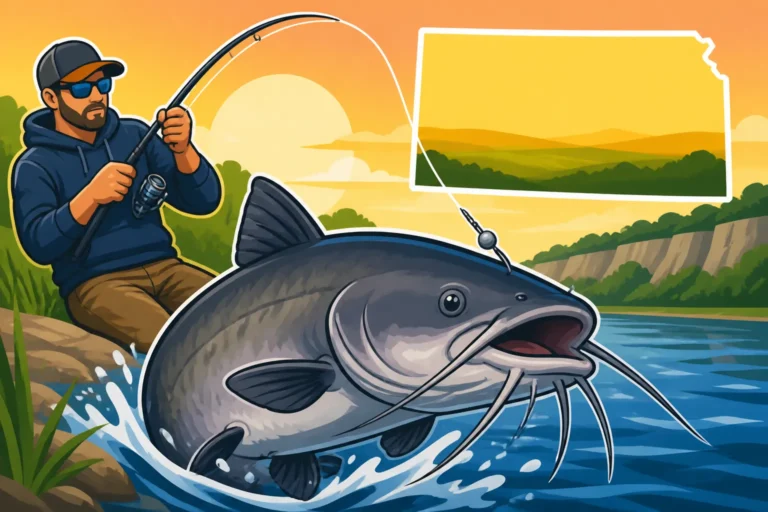
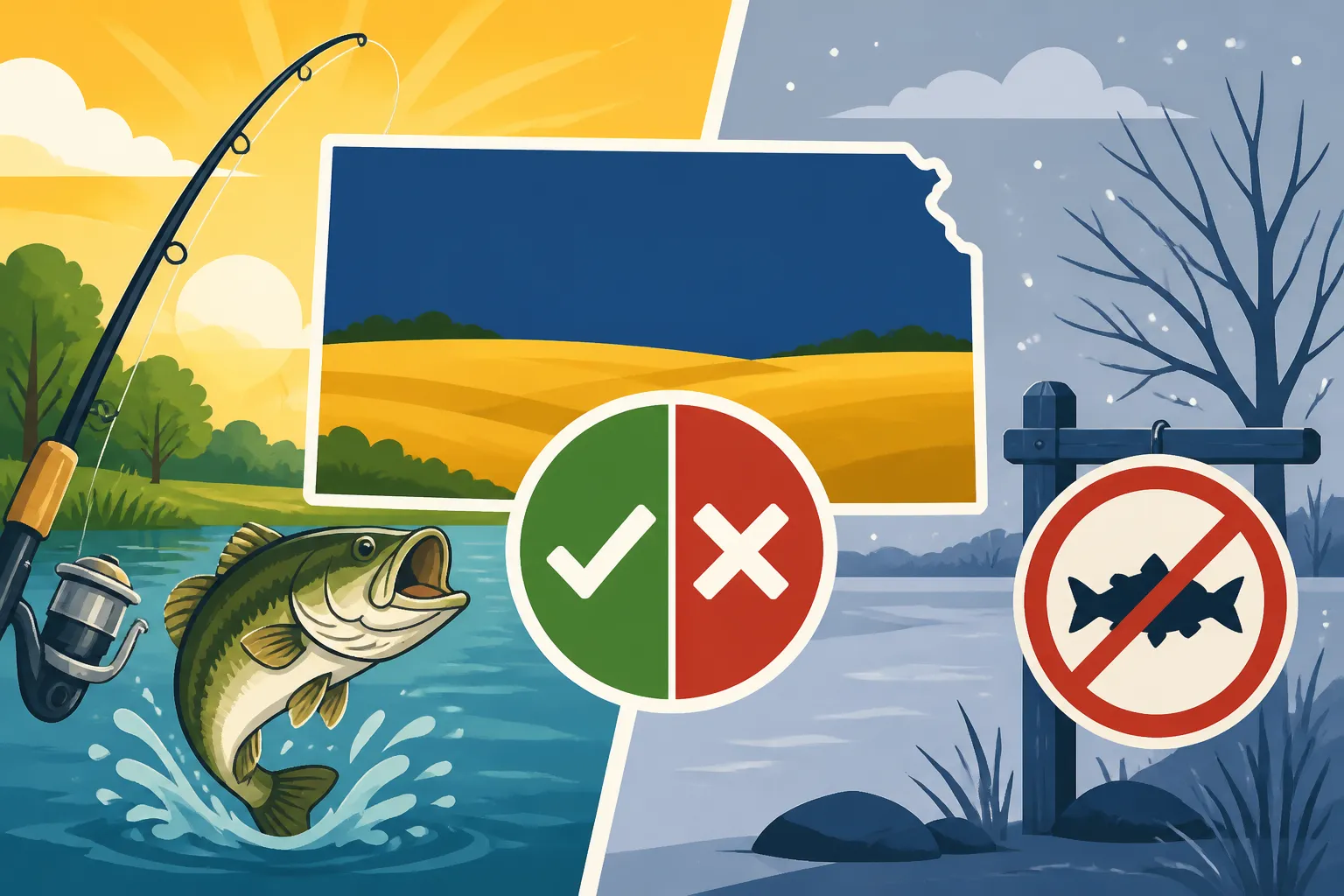
Let's cut right to the chase: for most of the popular game fish species you'll find in Kansas, there isn't a "closed season" in the traditional sense. Unlike some other states where certain fish like bass or walleye might have specific spawning periods when they're entirely off-limits to fishing, Kansas generally takes a more continuous approach. This means that if you're looking to cast a line for channel catfish, crappie, or even a feisty largemouth bass, chances are you can do it pretty much any day of the year.
Understanding Kansas's Approach to Fishing Seasons
The Kansas Department of Wildlife and Parks (KDWP) manages the state's fisheries, and their philosophy leans heavily towards providing year-round access for anglers. This isn't to say there are no rules – far from it! Instead of blanket closures for entire species, KDWP primarily uses regulations like daily creel limits (how many fish you can keep), length limits (minimum or maximum sizes), and specific equipment restrictions to manage fish populations and ensure sustainable fishing.
This continuous open season is a fantastic benefit for both seasoned anglers and newcomers alike. You're not forced to cram all your fishing into a short spring or fall window. You can learn to adapt your techniques for different times of the year, pursue different species as they become more active, and simply enjoy the peace and solitude of fishing whenever your schedule allows. It's a testament to the healthy fish populations and effective management strategies in place across the state.
Why Continuous Seasons Are a Blessing for Anglers
Think about the sheer flexibility this offers. Imagine a beautiful, unseasonably warm February day when you suddenly get the itch to fish. In many places, you might be out of luck, but in Kansas, you can likely head out for crappie, catfish, or even try some early-season walleye jigging. This freedom means you can truly integrate fishing into your lifestyle, rather than it being a limited seasonal hobby.
For families, it means spontaneous weekend trips are always on the table. You don't have to meticulously check if the kids are even allowed to target bluegill this particular week. For those who travel for work or have unpredictable schedules, knowing that the season is generally open minimizes the frustration of trying to align your free time with strict regulatory windows. It removes a significant barrier to getting out on the water, which ultimately encourages more people to participate and enjoy Kansas's abundant fishing opportunities. Just remember, while the season might be open, fish behavior changes dramatically with the weather, so adjusting your tactics is still key!
Specific Species with Defined Seasons or Special Considerations
While the general rule in Kansas is year-round fishing, there are a few important exceptions and special situations that every angler needs to be aware of. These aren't meant to restrict, but rather to manage unique fisheries or specific types of angling for sustainability and a better experience.
Trout Fishing: A Unique Seasonal Opportunity
When it comes to trout in Kansas, things operate a little differently. Most of Kansas's waters aren't naturally cold enough year-round to support thriving populations of trout like rainbow or brown trout. So, what the KDWP does is stock various lakes and ponds across the state, primarily during the cooler months, to create a fantastic put-and-take fishery.
This means you’ll typically find a defined "trout season," which usually runs from December 1st through March 31st. During this period, specific designated waters are stocked with thousands of rainbow trout, and sometimes even golden rainbow trout, offering a unique cold-water fishing experience. If you plan to participate in this fun winter tradition, remember that in addition to your general fishing license, you'll need to purchase a Kansas Trout Permit Guide. This permit helps fund the stocking program, ensuring these opportunities continue year after year. Outside of this season, it's generally not practical to target trout in most Kansas public waters, as they wouldn't survive the warmer temperatures. You can learn more about this exciting winter option in our Kansas Winter Trout Fishing Guide.
Paddlefish Snagging: A Highly Regulated Window
One of Kansas's most unique, and frankly, exhilarating, fishing experiences is paddlefish snagging. Paddlefish are ancient, filter-feeding fish with distinctive long snouts, and they're caught not with traditional bait and hook, but by snagging them as they migrate to spawn. Because of their unique biology and the specific method of catching them, paddlefish snagging is a highly regulated activity with a very limited season.
The paddlefish snagging season in Kansas typically opens for a brief window, often just a few weeks in the spring, usually starting in late March and running through April. It's restricted to specific areas, most notably certain stretches of the Neosho and Marais des Cygnes rivers. Anglers must adhere to strict daily creel limits, possession limits, and size restrictions. You can't just go out and snag paddlefish anytime or anywhere you please; it's a very precise and celebrated event for those who participate. If you're intrigued by this intense fishing method, make sure to check the official regulations for the exact dates and locations each year. Our guide on Kansas Paddlefish Snagging Season Dates has more details.
White Bass Runs and Other Spawning Concentrated Times
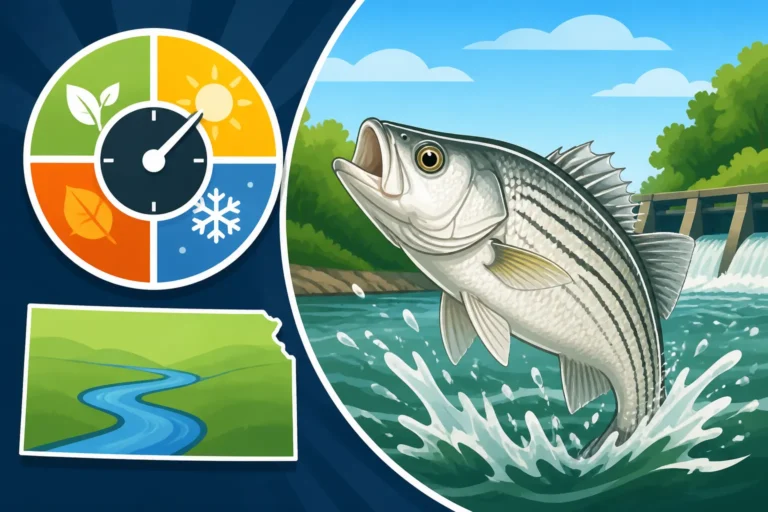
While not a "closed season" in any regulatory sense, many anglers keenly anticipate natural fish migrations and spawning concentrations that create incredible fishing opportunities. The most famous of these in Kansas is undoubtedly the white bass run. Every spring, usually in late March, April, and sometimes into May, white bass migrate en masse from larger reservoirs up into the tributary rivers to spawn.
During these runs, fishing for white bass can be absolutely phenomenal, with anglers often catching dozens of fish in a single outing. It's a time when many anglers flock to river access points below dams or along major tributaries. While you can technically catch white bass year-round, these spring runs are when they are most numerous and aggressive, making for an unforgettable experience. Similarly, crappie will move into shallow waters to spawn, and walleye will congregate on rocky points or riprap. These are periods of intense activity and highly productive fishing, not closures. Understanding the timing of these natural events, like the Kansas White Bass Run Timing, can drastically improve your success on the water.
Regulations Beyond Seasonal Closures: What to Watch Out For
Since true "closed seasons" are rare in Kansas, understanding the other types of regulations is absolutely critical. These rules are designed to protect fish populations, promote healthy ecosystems, and ensure fair sport for all anglers. Ignoring them can lead to significant penalties, so it's vital to stay informed.
Daily Creel Limits and Length Restrictions
Even though you can often fish for a species year-round, that doesn't mean you can keep every fish you catch. Almost every game fish in Kansas has a daily creel limit, which is the maximum number of fish of a particular species you're allowed to harvest in a 24-hour period. These limits vary widely by species and sometimes even by specific body of water. For instance, you might find a generous limit for crappie, allowing you to keep Kansas Crappie Length and Bag Limits, while walleye might have a much stricter limit to protect their numbers.
Alongside creel limits, length restrictions are common. These can be minimum length limits (the fish must be at least a certain size to be kept) or slot limits (only fish within a certain size range can be kept, protecting both smaller, immature fish and larger, trophy-sized breeders). For example, Kansas has specific Kansas Walleye Length Limits and Kansas Daily Creel Limits by Species for various other fish. Always carry a measuring tape or have one marked on your tackle box or boat, and know these numbers before you head out. These regulations are the primary tools KDWP uses to manage fish populations effectively, allowing year-round fishing while preventing overharvest.
Special Rules for Specific Waterbodies
It's tempting to think that all fishing rules apply universally across Kansas, but that's simply not the case. Many individual lakes, ponds, and even stretches of rivers have site-specific regulations that differ from the statewide norms. These localized rules are often put in place to manage unique fisheries, address specific conservation needs, or enhance fishing opportunities in heavily pressured areas.
For example, many smaller Community Fishing Lakes (CFLs) managed by KDWP in urban and suburban areas often have unique rules, such as enhanced length limits, restricted bait types, or even specific catch-and-release only sections. These rules are designed to ensure these popular, easily accessible spots remain productive. Similarly, waters within Kansas State Parks might have additional permits or regulations beyond your state fishing license, such as requiring a state park vehicle permit for entry. Always check the signage at the boat ramp or access point, and refer to the KDWP fishing regulations summary for the specific waterbody you plan to fish. You'd be surprised how different the rules can be from one lake to the next. Our guides on Kansas Community Fishing Lake Rules and Kansas State Park Fishing Permit Rules can help clarify some of these nuances.
Equipment and Technique Restrictions
Beyond species and location, the way you fish and the tools you use can also be regulated. Kansas has rules pertaining to certain fishing methods and equipment, again, not to close seasons, but to manage how fish are harvested and to promote fair chase. These often apply to more specialized techniques that could potentially lead to overharvest if left unchecked.
For instance, methods like trotline fishing (using a long line with multiple baited hooks) and jug fishing (individual baited lines attached to floating jugs) are legal in Kansas but come with strict rules. These include limits on the number of lines/jugs, how they must be marked, and the types of water they can be used in. Similarly, bowfishing (harvesting fish with a bow and arrow) is a popular sport in Kansas, but it has specific regulations regarding legal species, times of day, and locations. These aren't seasonal closures but important operational guidelines. Before you try a specialized technique, consult the KDWP regulations carefully. A quick search on Amazon can even provide you with a good comprehensive tackle box, but knowing the rules about what can go in it is up to you! For more on these methods, check out our articles on Kansas Trotline and Jug Fishing Rules and Kansas Bowfishing Regulations.
Planning Your Year-Round Kansas Fishing Adventures
The beauty of Kansas fishing is its accessibility almost any time of year. This freedom, however, comes with the responsibility of adapting your strategies to the changing seasons and always staying informed. Here's how to make the most of your year-round angling opportunities.
Maximizing Opportunities in Every Season
Each season in Kansas presents its own unique challenges and rewards for anglers. Learning to "read" the seasons and adjust your approach will lead to much greater success and enjoyment.
- Spring (March – May): This is prime time! As water temperatures rise, fish become incredibly active. You'll find crappie moving shallow to spawn, making for fantastic jigging and minnow fishing. Walleye will also be active on rocky banks and riprap, perfect for casting crankbaits or jigs. And, of course, the thrilling Kansas White Bass Run Timing electrifies rivers and reservoir feeder streams. Spring is often considered the most productive time, offering a wide variety of targets. Our Kansas Spring Fishing Guide delves deeper into these exciting opportunities.
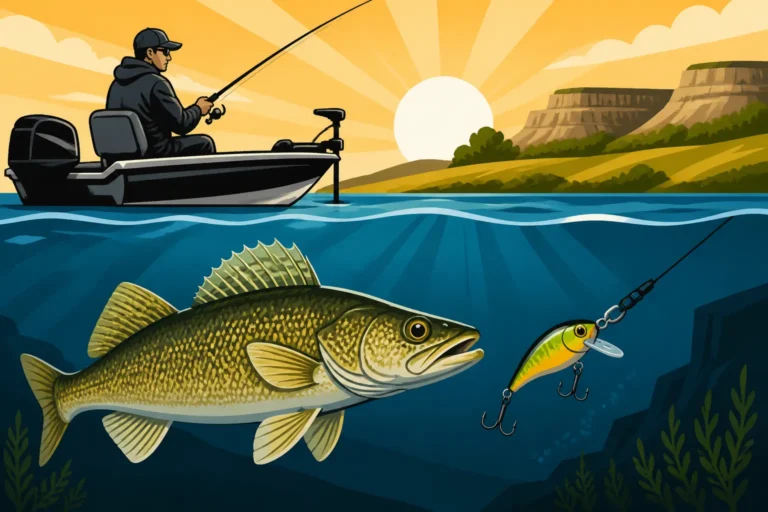
- Summer (June – August): When the heat cranks up, many fish, especially those in shallower waters, become less active during the day. This is when strategic adjustments are key. Focus on early mornings, late evenings, and especially night fishing for species like channel catfish, blue catfish, and flathead catfish. They'll move into shallower feeding areas under the cover of darkness. Deeper-water trolling for walleye or wiper on large reservoirs can also be effective. Look for shaded areas, submerged structure, or thermoclines where fish seek cooler temperatures. Our Kansas Summer Fishing Guide offers excellent advice for beating the heat.
- Fall (September – November): As temperatures cool, fish often enter a "feeding frenzy" phase, fattening up before winter. This can be another incredibly productive time, often less crowded than spring. Walleye become aggressive again, chasing baitfish on main lake points and humps. Crappie will school up in deeper timber or brush piles. Bass will often move into shallower coves to feed. It’s a great season for a wide range of techniques. Check out our Kansas Fall Walleye Fishing Tips for targeting these popular game fish.
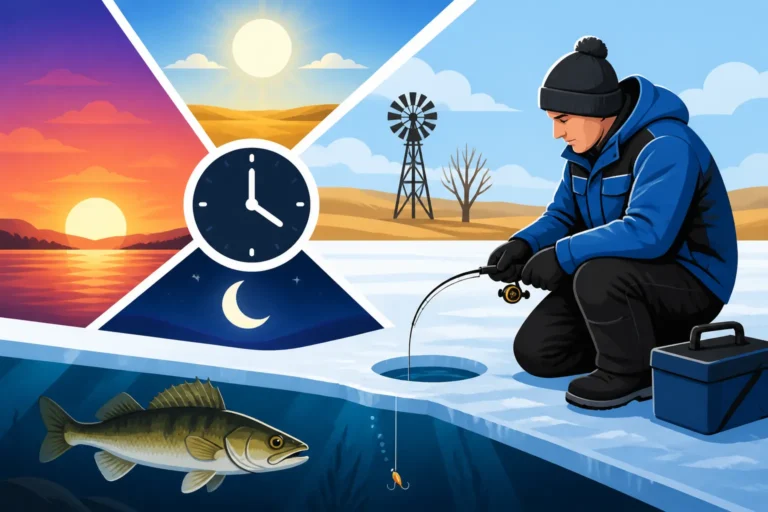
- Winter (December – February): Don't pack away your gear just yet! If you're willing to brave the cold, winter offers unique fishing experiences. Our special Kansas Winter Trout Fishing Guide details where and how to catch the stocked rainbow and golden rainbow trout. And when the ice gets thick enough, ice fishing can be a thrilling pursuit for crappie, bluegill, and even walleye on frozen lakes. Just remember that ice safety is paramount! Our Kansas Ice Fishing Guide provides essential safety tips and techniques for cold weather angling.
Essential Resources for Staying Informed
The single most important tool in your year-round Kansas fishing arsenal is the current official Kansas Fishing Regulations Summary, published annually by the KDWP. This document, available online on the KDWP website and often in print at bait shops and KDWP offices, contains all the up-to-date information on creel limits, length limits, special waterbody rules, and any other specific seasonal notes. Never rely solely on hearsay or outdated information; regulations can and do change. Our article on Where to Find the Kansas Fishing Regulations Summary can point you in the right direction.
Beyond regulations, a good understanding of current conditions is invaluable. Reliable weather apps, local bait shop reports, and online fishing forums can provide insights into what's biting and where. Investing in some quality gear can also make a huge difference, particularly a good fish finder for locating structure and fish, which you can easily find on platforms like Amazon. Remember to secure your basic Kansas Fishing License Guide before you even cast your first line!
Kansas Fishing Seasons at a Glance
To quickly summarize the general seasonal status for common Kansas game fish, refer to the table below. Remember, these are general guidelines, and it's always critical to check the official KDWP fishing regulations for the most current and specific rules for your chosen fishing location and species.
| Fish Species | General Season Status | Typical Daily Creel Limit* | Typical Length Limit* | Special Considerations |
|---|---|---|---|---|
| Channel Catfish | Year-Round Open | 10 | None | Night fishing in summer is popular. |
| Flathead Catfish | Year-Round Open | 5 | None | Often found in snags and deep holes. |
| Blue Catfish | Year-Round Open | 5 (only 1 over 35 inches) | 1 over 35" limit | Large river systems like Kansas River. |
| Crappie (White/Black) | Year-Round Open | 50 | 10 inches minimum on many waters | Excellent spring and fall fishing. |
| Walleye | Year-Round Open | 2 (only 1 over 21 inches) | 21 inches minimum on many waters | Popular in large reservoirs; aggressive in spring/fall. |
| Largemouth Bass | Year-Round Open | 5 | 15 inches minimum on many waters | Structure fishing is key. |
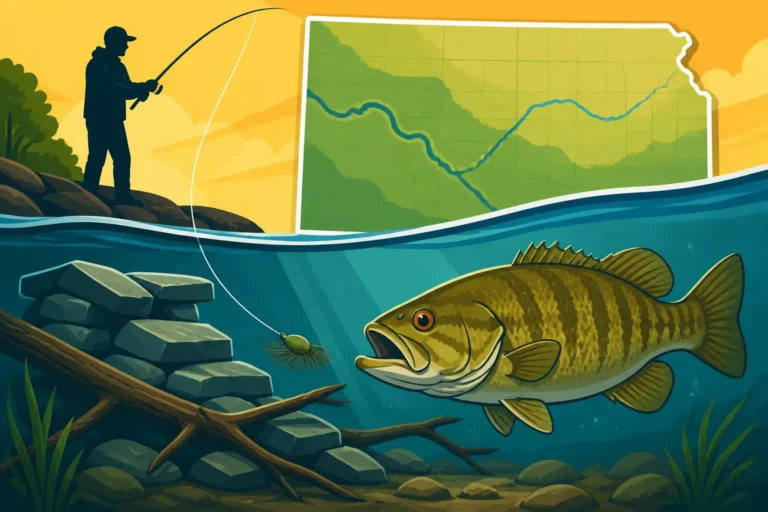
| Smallmouth Bass | Year-Round Open | 5 | 15 inches minimum on many waters | Rocky areas, clear water. |
| White Bass | Year-Round Open | 25 | None | Huge spring river runs! |
| Wiper (Hybrid Striper) | Year-Round Open | 2 | 18 inches minimum on many waters | Often school with white bass, aggressive fighters. |
| Bluegill/Sunfish | Year-Round Open | 50 | None | Great for kids and panfish anglers. |
| Rainbow Trout | Seasonal | 5 | None | Stocked Dec 1 – Mar 31. Requires Trout Permit. |
| Paddlefish | Highly Restricted | 2 (only 1 over 45 inches) | 45 inches minimum on Neosho/Marais Des Cygnes | Snagging only, short spring season. |
Note: Limits can vary by specific lake or river. Always consult the official Kansas Fishing Regulations Summary for the most accurate and up-to-date information before you go fishing.
In conclusion, for the vast majority of Kansas anglers, the fishing season is open year-round! This fantastic accessibility means you can pursue your passion in any month, adjusting your techniques and target species to match the season. The key is to be aware of the specific regulations, particularly daily creel and length limits, and to check for any special rules on the particular waterbody you plan to visit. So grab your gear, check the regulations, and get out there to enjoy all the incredible fishing Kansas has to offer!
Disclaimer
This article is for general informational purposes only and does not constitute professional advice. Laws, prices and regulations vary by location and change over time. Consult a qualified professional for guidance on your specific situation.