Best Time to Fish a Kansas River After Rain
There’s nothing quite like the anticipation of a good fishing trip, but sometimes Mother Nature throws a curveball in the form of a heavy rainstorm. If you've ever stared at a swollen, muddy Kansas river after a downpour, wondering if your fishing plans are completely washed out or if a hidden opportunity awaits, you're certainly not alone. This guide is all about helping you understand the river's response to rain and, more importantly, pinpointing that elusive "sweet spot" for fantastic fishing after the skies clear.
Understanding How Rain Transforms a Kansas River
When a significant rain event hits, especially across the flat plains and rolling hills that feed our Kansas rivers, it's not just about a little extra water. It's a complete ecosystem reset, dramatically altering the environment our fish call home. Many anglers pack up and stay home, seeing only muddy, fast water, but understanding these changes is the first step to turning a potential washout into a prime fishing opportunity.
Water Levels and Current Dynamics
Heavy rainfall sends a surge of water into rivers like the Kansas River or the Smoky Hill, causing water levels to rise rapidly and the current to intensify. Imagine the difference between a lazy stroll and a sprint – that's how the river changes. In the immediate aftermath, the current can be incredibly strong, pushing fish out of their usual feeding lanes and into areas where they can find refuge from the force. This often means they'll hug the banks, seek out eddies, or tuck behind submerged structures like fallen trees or rock piles that offer a break from the main flow.
As the rain subsides, the river typically enters a "falling" stage. The water levels begin to recede, and the current, while still stronger than normal, loses some of its violent intensity. This transition is crucial. Fish that were previously hunkered down start to become more active, moving around to explore new feeding opportunities created by the receding water. They're still looking for areas of reduced current, but they might venture out a bit more, especially if the water is bringing new food their way.
Turbidity and Visibility
One of the most immediate and noticeable effects of heavy rain is the increase in turbidity – essentially, how muddy or cloudy the water becomes. Rain washes soil, sediment, leaves, and other debris from the surrounding landscape into the river, turning clear water into a murky, brown soup. This reduced visibility profoundly affects how fish feed and navigate. Sight-feeding predators like walleye might struggle to see their prey, while fish that rely heavily on scent and vibration, such as catfish, might find these conditions more to their liking.
The rate at which a Kansas river clears depends on several factors: the intensity and duration of the rainfall, the type of soil in the watershed (clay holds turbidity longer than sand or rock), and the size and flow rate of the river itself. A small, rocky stream might clear up in a matter of hours, while a large, muddy-bottomed river like the Kansas River could stay turbid for days, even weeks, after a major flood event. Understanding this clearing process is absolutely essential for timing your fishing trip.
Food Sources and Fish Behavior
Beyond just water levels and clarity, rain also delivers a fresh buffet to the river's inhabitants. Heavy downpours wash terrestrial insects like grasshoppers, worms, and beetles from the banks into the water. Runoff from fields and pastures can carry nutrients and smaller organisms, creating a smorgasbord that fish are eager to exploit. This influx of new food can trigger a significant feeding response.
Fish will often move to intercept these new food sources. They might congregate near the mouths of feeder creeks where runoff is actively entering the main river, or they could position themselves along current seams where debris and food items are concentrated. Species like channel catfish, known for their excellent sense of smell, can become incredibly active, as the scent trail of newly introduced food spreads far and wide in the turbid water. Even sight-feeders will adapt, often moving shallower or closer to cover where they can ambush prey that's washed into their territory. This shift in behavior is exactly what anglers need to capitalize on.
The "Sweet Spot" Timing After a Kansas River Rain Event
Finding that perfect window after a rainstorm can feel like trying to hit a moving target. It's rarely about fishing during the storm, and almost never about fishing immediately after the heaviest downpour. Instead, it's about patiently waiting for the river to settle into its post-rain rhythm.
Immediately After Heavy Rain: Why You Should Probably Wait
Let's be realistic: fishing in a river that's raging, muddy, and full of debris is generally a bad idea. Not only is it incredibly challenging to catch fish, but it can also be downright dangerous. Currents are at their peak, submerged hazards are impossible to see, and unstable banks can pose a real risk. Most fish, even catfish, will be hunkered down, struggling against the current, or simply dispersed and disoriented. Your bait will be swept away, and detecting subtle bites will be nearly impossible.
The river at this stage resembles a chocolate milkshake, often carrying logs, branches, and trash. Trying to cast a line into this chaos is a recipe for snags, lost tackle, and frustration. It's far better to use this time to scout access points, check river gauges online if available, and prepare your gear. Safety should always be your top priority.
The Falling and Clearing Stages: Your Prime Time
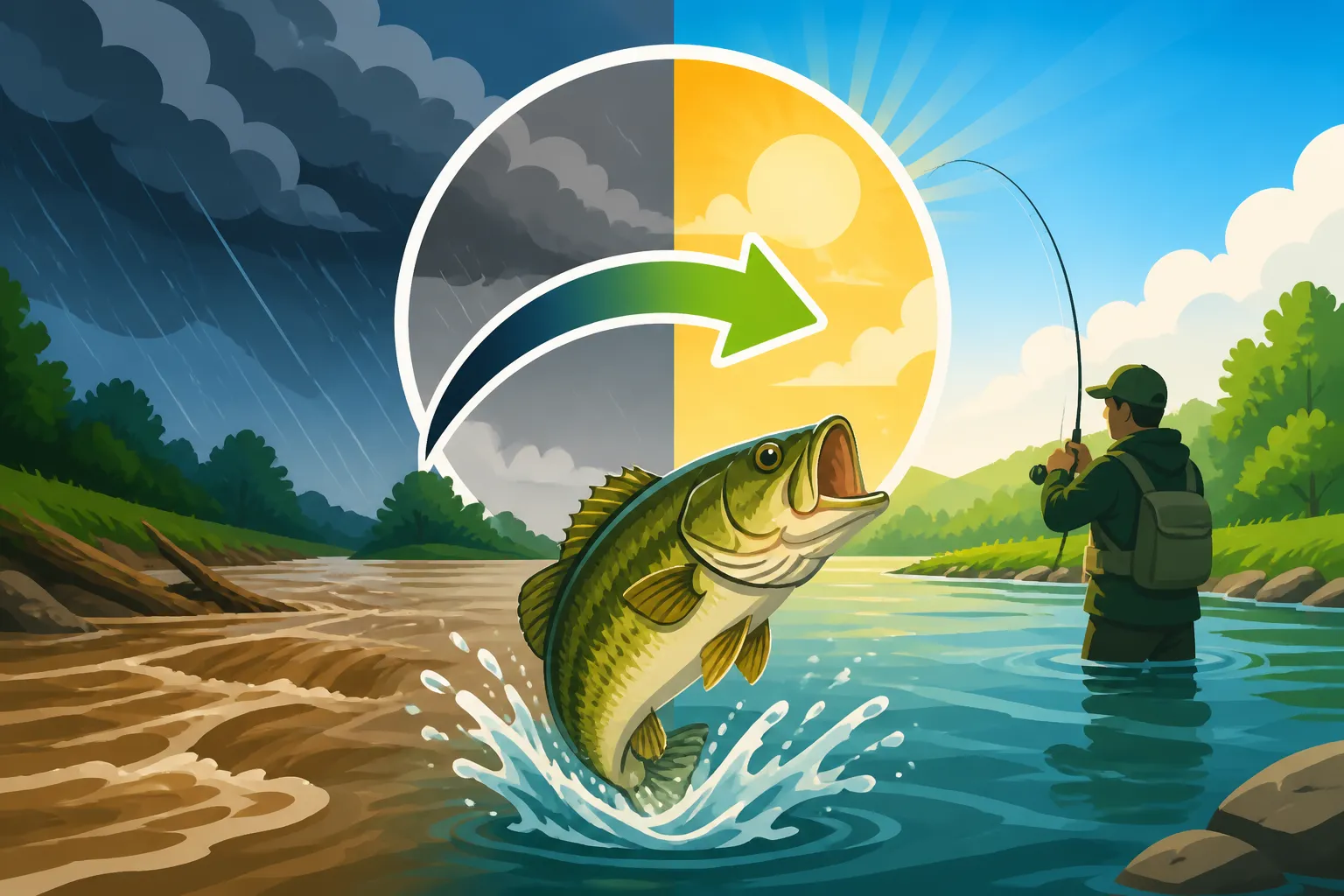
This is the golden window we're talking about! The "falling and clearing" stage occurs as the river's water levels begin to drop, and the extreme turbidity starts to lessen. The water might still be stained a coffee color, but it's no longer a thick, opaque brown. This subtle increase in clarity, combined with a moderating current, signals to the fish that it's time to feed. They've weathered the storm, and now it's time to take advantage of all the new food items brought in by the rain.
For smaller Kansas rivers, this prime window could open up just a few hours after the rain stops. For larger systems like the Kansas River, it might take 24 to 48 hours, or even longer, depending on the severity of the storm and the size of the watershed. You'll often notice a distinct line where the clearer runoff from tributaries meets the main stem, creating a current seam that fish love to patrol. Look for eddies behind islands, points, or bridge pilings where the current is gentler but still delivers a steady stream of food. Best Time to Fish a Kansas River After Rain is usually right when the water drops and clears just enough.
Long-Term Effects After Prolonged Rain Events
Sometimes, especially during periods of sustained heavy rainfall over several days or weeks, a Kansas river can remain high and muddy for extended periods. In these scenarios, the "sweet spot" might be less distinct, or it could shift. If the river never truly falls and clears to a fishable state, your best bet might be to focus on alternative locations.
Consider targeting backwaters, oxbows, or smaller tributaries that feed into the main river. These areas often clear up much faster than the main channel and can concentrate fish seeking refuge or cleaner water. While the main river might still be a raging torrent, a small creek mouth feeding into it could be teeming with hungry fish. Another strategy is to embrace the muddy water and focus solely on species that thrive in it, like blue catfish and flathead catfish, by targeting them with strong-scented baits in the slackest water you can find.
Adjusting Your Tactics for Post-Rain River Fishing
Once you've identified that elusive sweet spot, your regular fishing techniques might need a bit of a tweak. The river isn't the same as it was before the rain, and neither should your approach be. Adapting your gear and methods can make all the difference between a frustrating day and a memorable catch.
Bait and Lure Choices for Turbid Waters
In high, turbid water, fish rely less on sight and more on their other senses – smell and the lateral line (which detects vibrations). This means your bait and lure choices need to reflect these changes. For catfish, strong-scented baits are king. Think cut bait (shad, carp, skipjack), chicken livers, or commercial stink baits. The powerful aroma will draw them in even when visibility is near zero. If you're targeting Kansas Catfish Species Guide, you'll find these conditions can be incredibly productive.
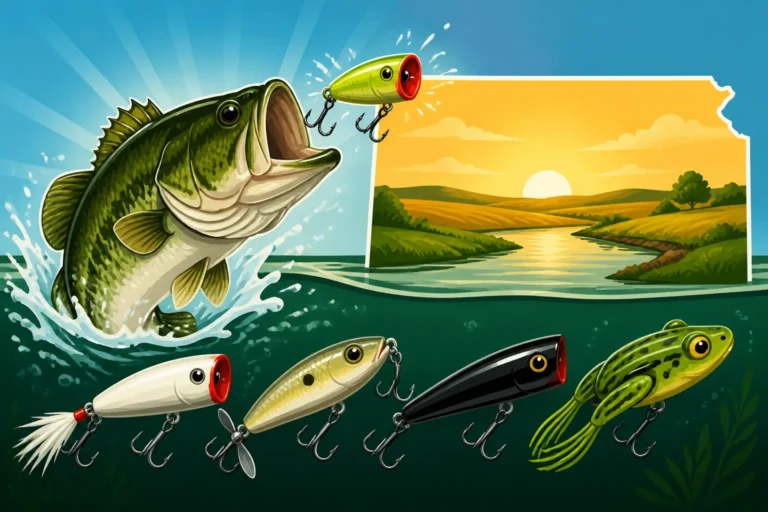
For species like walleye, bass, and white bass, which often prefer clearer water but will adapt, lures that create strong vibrations and have contrasting colors are key. Lipless crankbaits, spinnerbaits with large thumping blades, and chatterbaits are excellent choices. Bright colors like chartreuse, orange, or firetiger can create a better silhouette in murky water, making them easier for fish to detect. You can find a fantastic selection of these on Amazon, often with quick shipping to get you on the water faster. Don't forget to check out Best Lures for Kansas Walleye for specific recommendations.
Locating Fish in Changed Conditions
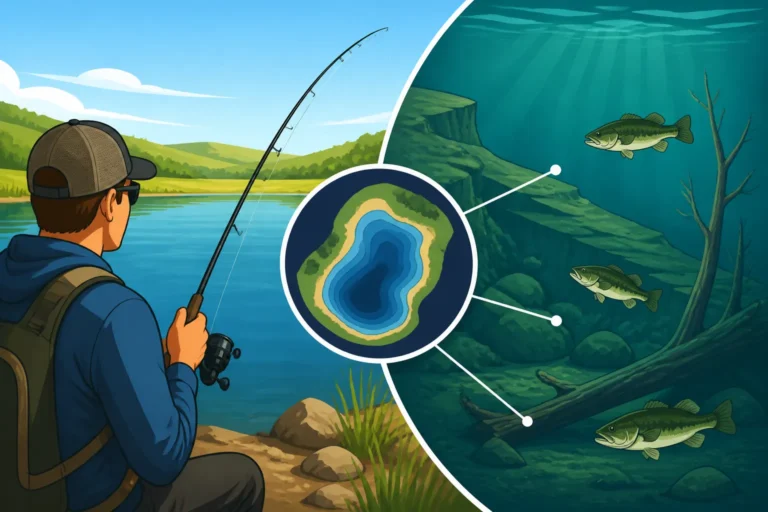
Fish will naturally seek out areas where the current is less intense and where food is being concentrated. Think about it: they don't want to fight the current constantly, and they want easy access to a meal. This means you should focus your efforts on:
- Current Breaks and Eddies: Look for any structure that breaks the main flow – bridge pilings, fallen trees, large rocks, or points of land. The slack water behind these features is a prime spot.
- Seams: Where faster current meets slower current, or where muddy water meets slightly clearer water, you'll find a "seam." Fish often sit right in these seams, waiting for food to drift by. This is a fantastic place for How to Fish a Current Seam for Catfish.
- Shallow Flats and Inundated Cover: As water levels rise, new areas become submerged. Fish will move onto these newly flooded flats to forage for worms, insects, and baitfish that have been washed in. Don't overlook flooded grass or brush.
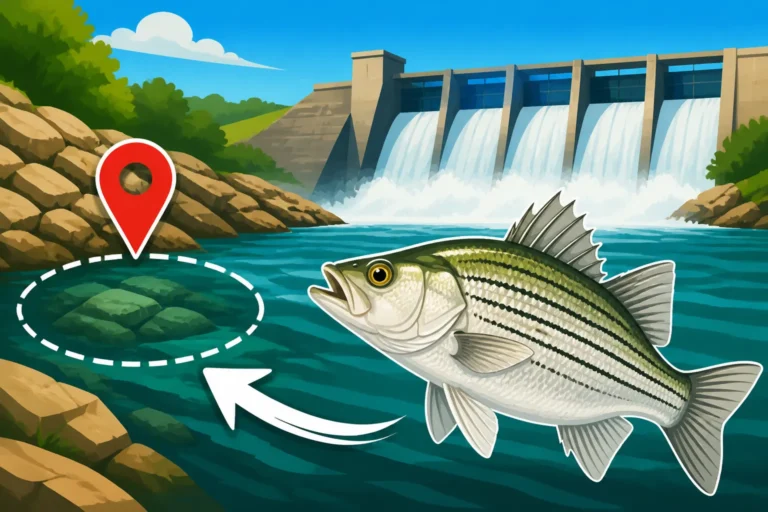
- Mouths of Tributaries: Feeder creeks and smaller streams often clear faster than the main river and can be a highway for new food. Fish will stack up where these tributaries enter the larger river. This is a common hotspot for Kansas White Bass Run Timing as well, which often occurs after spring rains.
A good Kansas Fish Finder Buying Guide can be invaluable for locating submerged structure and understanding bottom contours, which become even more critical when visibility is low.
Safety Considerations: Always Put Safety First
Fishing after a rain event, especially on a swollen river, carries inherent risks that you absolutely must consider:
- Swift Current: Even if it looks calm on the surface, currents can be incredibly powerful beneath, capable of knocking you off your feet or pulling a boat downstream quickly. Always wear a life jacket, especially if you're wading or in a boat. This isn't just a suggestion; it's a non-negotiable safety rule. Check out Kansas Life Jacket and Boating Safety Guide for more information.
- Submerged Debris: High water carries all sorts of debris – logs, branches, even entire trees. This can be a danger to your boat, your waders, or even you if you're not careful. Be extra vigilant.
- Unstable Banks: Eroding banks can become soft and give way unexpectedly. Maintain a safe distance from the edge, especially on steep banks.
- Water Quality: While generally not a major concern for short-term exposure, heavy runoff can introduce bacteria or pollutants. Avoid direct contact with your mouth and wash your hands thoroughly after handling fish or gear.
Always tell someone where you're going and when you expect to return. Consider fishing with a buddy. A little caution goes a long way in ensuring a safe and enjoyable trip. Before you head out, it's also a good idea to refresh your knowledge of Kansas Fishing Regulations Explained, as conditions might call for different approaches or target species.
When to Hit the River: A Quick Guide to Post-Rain Fishing
To help you decide when it's best to hit your favorite Kansas river after rain, here's a quick summary of conditions and recommended actions.
| River Condition after Rain | Angler Action | Target Fish | Recommended Bait/Lure |
|---|---|---|---|
| Immediately after heavy rain (High, fast, very muddy, debris-filled) | Avoid! Dangerous and low chances of success. Wait for water levels to drop. | N/A | N/A |
| Water Falling, Moderately Turbid (Still stained, but flow slowing, some debris) | Prime Time! Focus on current breaks, eddies, newly submerged cover. Fish tight to structure. | Catfish (Channel, Blue, Flathead), Walleye, Bass (Largemouth, Smallmouth), White Bass | Cut bait, stink bait, live worms, lipless crankbaits, spinnerbaits, chatterbaits, bright jigs |
| Water Clearing, Near Normal Flow (Tea-stained to clear, current manageable) | Excellent for all species. Fish start to spread out, returning to normal patterns. | All game fish species | Live bait, jigs, soft plastics, crankbaits, topwaters, standard presentations |
| Prolonged High & Muddy (River remains high and very turbid for days/weeks) | Seek out clearer backwaters, oxbows, or mouths of smaller tributaries. Adapt to scent-based fishing. | Catfish, Carp, Gar, rough fish | Strong-scented baits, large cut baits, large vibrating lures |
Don't be afraid to experiment a little, but always prioritize safety. The river after a rain is a dynamic environment, and the best way to learn its secrets is to spend time observing and adapting. For more insights on specific locations, be sure to check out our Kansas River Fishing Guide or for the best places to catch your targeted species, Kansas River Catfish Spots.
Fishing a Kansas river after a rain event can be one of the most exciting and rewarding experiences, as long as you understand the changes and adjust your approach. It's not about fighting the river, but working with it, and that perfect window of opportunity is often just waiting for you a day or two after the storm has passed.
Disclaimer
This article is for general informational purposes only and does not constitute professional advice. Laws, prices and regulations vary by location and change over time. Consult a qualified professional for guidance on your specific situation.