Documents Needed to Register a Boat
The thought of registering a boat in Kansas can feel like navigating a maze blindfolded. You've got this beautiful vessel, maybe it's new, maybe it's new-to-you, and all you want to do is get it on the water for some peaceful fishing or a fun day out. But before you can even think about casting a line, there's that mountain of paperwork, the dread of forgetting one crucial document, and the frustration of a wasted trip to the registration office. This guide is here to untangle that knot, walking you through every document you'll need to register your boat in Kansas, so you can spend less time in line and more time enjoying our fantastic Kansas waters.
Why Boat Registration Matters in Kansas and the Headache of Getting it Right
It’s easy to feel like boat registration is just another bureaucratic hurdle, another fee to pay before you can enjoy your leisure. But really, it serves some pretty important purposes for everyone involved in Kansas boating and fishing. Understanding why these rules are in place can make the process a little less daunting, and a lot more logical.
Understanding the "Why" Behind the Paperwork
First off, registration is a matter of safety and accountability. Every registered boat has a unique identifier, making it easier for law enforcement and rescue personnel to track vessels in case of an emergency, theft, or accident. Imagine a scenario where a boat breaks down on a vast lake like Milford Lake; that registration number is vital for identifying the owner and getting help. Beyond safety, registration fees often contribute directly to state conservation efforts, funding programs that manage our fisheries, maintain public access points, and improve overall water quality. It's a small way to ensure that the beautiful Kansas waterways we love to fish, like those detailed in our Kansas Fishing Regulations Explained guide, remain healthy for generations to come. It’s also how the state keeps tabs on boat ownership and ensures compliance with regulations, which helps maintain order and protect our shared natural resources.
Avoiding the Frustration of Missing Documents
There’s nothing quite like the feeling of driving all the way to a Kansas Department of Wildlife and Parks (KDWP) office, waiting patiently, only to be told you're missing one tiny piece of paper, and you have to start all over again. It’s a special kind of frustration that can really sour your mood before you’ve even launched your boat. This isn't just about wasting gas and time; it's about the emotional toll of bureaucratic setbacks. That's why being meticulously prepared is your best defense against these common headaches. Thinking ahead and gathering everything upfront, perhaps even storing your critical boating documents in a durable, waterproof folder easily found on Amazon, will save you untold stress. Remember, the KDWP staff are there to help, but they can only process what you provide, and having all your ducks in a row makes their job, and yours, a whole lot smoother. It’s about being proactive so your first trip in your new boat is to the lake, not back to the DMV.
Key Documents You Absolutely Need for Boat Registration
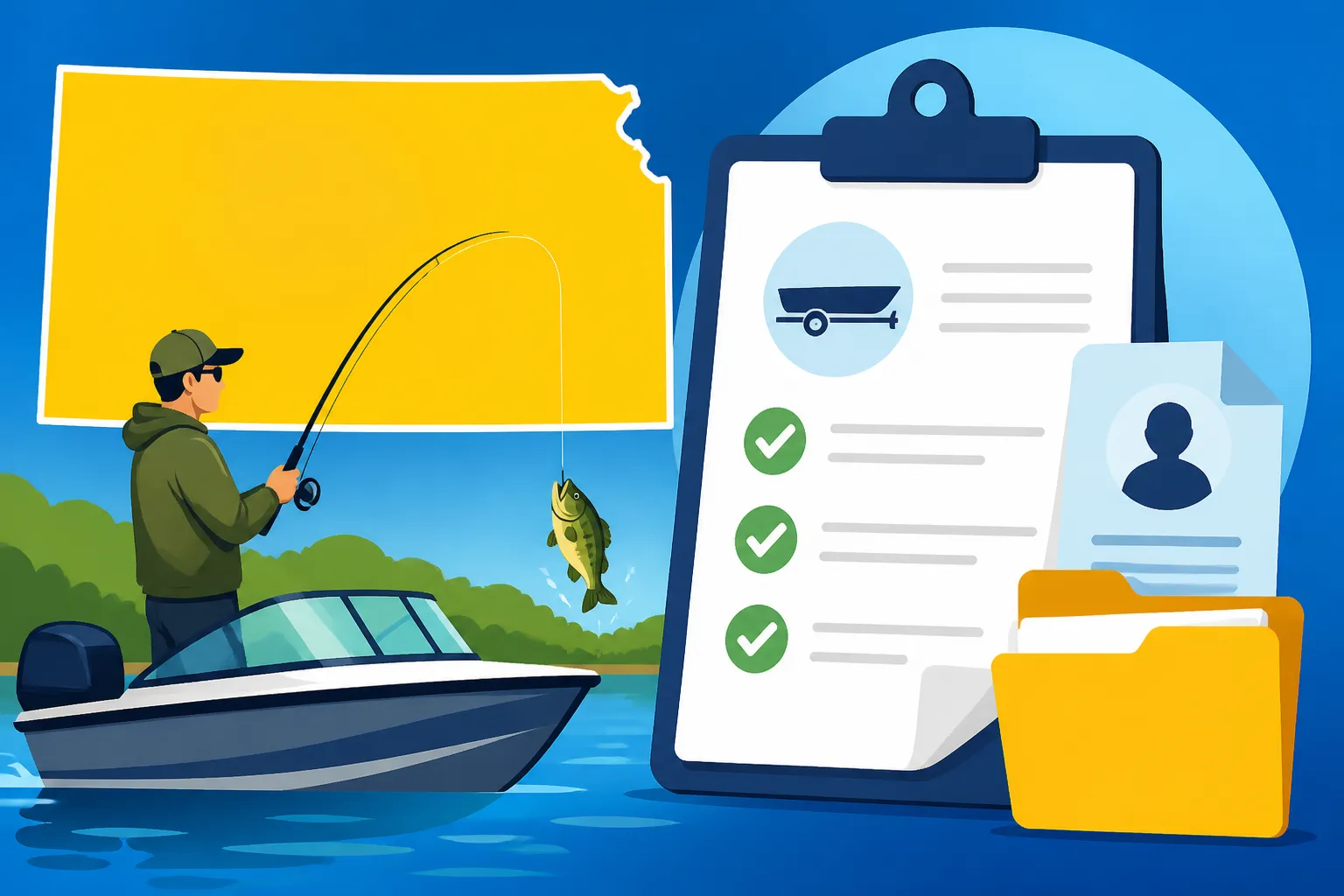
Alright, let's get down to brass tacks. While there might be some nuances depending on your specific situation, there are core documents that almost every boat owner will need to have in hand to successfully complete their Kansas Boat Registration Guide. These are your non-negotiables, the absolute must-haves for getting your vessel legally on the water.
Proof of Ownership: The Foundation
This is perhaps the most critical piece of the puzzle. The state needs to know unequivocally that you are the rightful owner of the boat you're trying to register. Without solid proof of ownership, nothing else can proceed.
For a brand new boat purchased from a dealer, your primary document will be the Manufacturer's Statement of Origin (MSO) or Manufacturer's Certificate of Origin (MCO). This is essentially the birth certificate for your boat, indicating its initial transfer from the manufacturer to the dealership, and then to you. It will list the boat's make, model, year, and crucially, its Hull Identification Number (HIN). Make sure this document is properly filled out, signed, and reflects your name as the purchaser. Without an MSO, a new boat cannot be registered, so keep it in a very safe place from the moment you take possession.
If you're registering a used boat, a detailed Bill of Sale is absolutely paramount. This document needs to be a clear, unambiguous record of the transfer of ownership from the previous owner to you. It should include the full names and addresses of both the buyer and seller, the date of sale, the purchase price, and a comprehensive description of the boat, including its make, model, year, and its HIN. Some folks even like to include details about the motor and trailer on the same bill of sale for clarity, even though the trailer is registered separately. While Kansas generally does not title boats under a certain length, if the boat you're buying was previously titled in another state that does title boats, you’ll also need to provide that original, properly signed-over title. You can often find generic, but effective, bill of sale templates online, or sometimes even through outdoor retailers like Bass Pro Shops which may offer general legal forms or kits for boaters. Always ensure it's signed by both parties, and ideally, dated correctly.
Proof of Identity: Who You Are
This one is fairly straightforward, but no less important. The KDWP needs to verify that the person attempting to register the boat is indeed who they say they are. This is a standard procedure to prevent fraud and ensure accurate records.
You will need a valid, government-issued photo identification. For most Kansas residents, this means your current Kansas driver's license or a state-issued ID card. The information on your ID, particularly your name and address, should match the information you're providing on your registration application. If there are multiple owners, such as a spouse or business partner, both individuals may need to present their IDs, especially if they are both listed on the proof of ownership documents. Make sure your ID isn't expired, as an outdated ID can be a reason for rejection and another frustrating delay in getting your boat ready for the water.
Proof of Residency: Where You Live
While your driver's license often pulls double duty as proof of both identity and residency, there are situations where you might need additional documentation to confirm your Kansas residency. This is especially true if, for example, your driver's license is from another state but you now reside in Kansas and are seeking resident privileges for your boat registration.
If your primary ID doesn't clearly establish Kansas residency, you might need to bring supplementary documents. These could include a recent utility bill (gas, electric, water), a property tax statement, or a voter registration card, all showing your current Kansas address. This is critical for ensuring you're applying for the correct type of registration, whether resident or non-resident. Non-residents, for example, have different requirements and costs, as outlined in our Kansas Nonresident Fishing License Guide, and the same distinction often applies to boat registration. Confirming your residency correctly at the outset helps avoid potential issues down the line related to fees or compliance.
Payment for Fees: Getting Down to Business
The final piece of the puzzle, and often the simplest, is the actual payment for your registration fees. While this guide won't list specific current costs (those can change!), it’s crucial to understand the types of payment accepted and be prepared.
Kansas boat registration costs typically involve a base registration fee, and there might be additional charges for things like titling (if applicable for larger boats), or even late fees if you’re registering past a certain deadline. You can usually pay with a personal check, a money order, or often with a credit or debit card if you're registering online or at a KDWP office that accepts them. Be aware that online payments, or some in-person card transactions, might incur a small processing fee. It’s always a good idea to check the KDWP website or call ahead to the office you plan to visit to confirm their accepted payment methods and the exact amount you’ll owe. This foresight prevents an awkward moment at the counter when you realize you only brought cash and they don't accept it, or vice versa. For a deeper dive into the financial aspects, check out Kansas Boat Registration Cost and Renewal.
To make things a little easier to visualize, here's a quick reference table for the common documents:
| Document Category | Specific Document Type | When It's Typically Needed | Essential Details |
|---|---|---|---|
| Proof of Ownership | Manufacturer's Statement of Origin (MSO/MCO) | New boats from a dealer | Original document, shows HIN, buyer/seller info. |
| Notarized Bill of Sale | Used boats (especially private sales) | Buyer/seller names, date, price, boat description, HIN. | |
| Previous Title | Used boats from titling states (if applicable to boat) | Signed over by previous owner. | |
| Proof of Identity | Valid Government-Issued Photo ID | All registrations | Current driver's license or state ID. |
| Proof of Residency | Kansas Driver's License/State ID or Utility Bill | All registrations (especially if ID is out-of-state) | Matches current Kansas address. |
| Payment for Fees | Check, Money Order, Credit/Debit Card | All registrations | Funds available for registration fees. |
Special Scenarios and Additional Documents You Might Encounter
While the core documents cover most situations, boat ownership isn't always a straightforward affair. Sometimes, you acquire a boat under unique circumstances, or you're dealing with a vessel that falls outside the typical new or used boat purchase. These special scenarios might require additional paperwork to satisfy the KDWP and get your boat officially registered.
Registering a Brand New Boat
When you purchase a brand new boat from a dealership in Kansas, the process is generally the most streamlined, provided you have all the necessary paperwork from the dealer. Your primary document, as mentioned, is the Manufacturer's Statement of Origin (MSO). This document is crucial, acting as the boat's initial title. Along with the MSO, you'll need the sales tax receipt from the dealer. The sales tax must be paid at the time of purchase, and proof of this payment is required for registration. Ensure the dealer provides you with a clear, itemized receipt showing the boat's cost and the sales tax collected. Sometimes, dealers will even help you with the initial registration paperwork, but ultimately, it's your responsibility to ensure all forms are correct and submitted. Keep all these documents together in a safe place until your registration is complete.
Registering a Used Boat
Registering a used boat can sometimes be a bit more complex, depending on how many hands it has passed through and the quality of the previous owner's record-keeping. The cornerstone here is a clear chain of ownership. A comprehensive and notarized Bill of Sale is your best friend. This isn't just a casual scribble on a napkin; it needs to be detailed, including the boat's make, model, year, and especially the Hull Identification Number (HIN). Without a solid HIN, you might face significant delays as the KDWP will need to verify the vessel's identity. If the boat was previously registered in a state that issues titles for boats, you absolutely need that original title, properly signed over by the seller. Kansas does not typically title boats under a certain length, but if your used boat is from a titling state, that previous title acts as vital proof of ownership. Always verify the HIN on the boat matches the HIN on all provided documents. Don't be shy about asking the seller for thorough documentation – it saves you headaches down the road. For more on titles, see Kansas Boat Titling Rules.
Registering a Homemade Boat
For the DIY enthusiast who built their own vessel, registering a homemade boat is a unique process. You won't have an MSO or a typical bill of sale, so the state needs to establish the boat's origin and ownership. This usually involves an inspection by a KDWP law enforcement officer. During this inspection, the officer will verify that the boat is indeed homemade and will assign a Hull Identification Number (HIN) if one isn't already present.
You'll also typically need to provide a notarized statement detailing the construction materials, the approximate cost of materials, and the date of completion. Photographs of the boat during various stages of construction can also be helpful, though not always mandatory. It’s essentially a sworn statement that you built the boat yourself, along with supporting evidence. This process ensures that even homemade vessels meet safety standards and are properly identified for tracking purposes. It’s a bit more involved, but a rewarding path to getting your custom craft on the water.
Boats Acquired Through Unusual Means
Life happens, and sometimes boats change hands in ways that aren't a simple purchase. If you've inherited a boat, for instance, you'll need legal documentation to prove you're the rightful heir. This could include a copy of the death certificate, a will, or probate court documents that transfer ownership to you. The KDWP needs to see the legal chain of custody from the deceased owner to your name.
For boats acquired through a lien sale, abandoned property procedures, or other court-ordered transfers, you'll need certified copies of all relevant legal documents from the court or the entity that conducted the sale. These situations are less common but absolutely require formal legal documentation to establish ownership before you can register the boat. In any of these scenarios, it's always best to contact the KDWP directly beforehand to understand their specific requirements, as these can vary significantly depending on the exact nature of the acquisition.
The Registration Process Itself: Where and How to Submit
Once you've diligently gathered all your documents, the next step is actually submitting them and getting your boat registered. Kansas offers a couple of convenient options, each with its own advantages, so you can choose the method that best suits your schedule and preferences.
Online vs. In-Person Registration
For many modern boaters, the most appealing option is often online registration. The KDWP website provides a portal where you can typically upload digital copies of your required documents and pay the fees electronically. This method offers unparalleled convenience; you can complete the process from the comfort of your home, any time of day or night, without having to travel or wait in line. It’s perfect for those with busy schedules or who live far from a KDWP office. For a detailed walkthrough, our guide on Kansas Boat Registration Online Process is a great resource. Just be sure to double-check that your scanned documents are clear and legible before uploading.
However, if you prefer a more personal touch, have questions, or need immediate assistance, in-person registration is still a solid choice. You can visit any KDWP regional office or one of their authorized license vendors. Many places that sell fishing licenses, like some bait shops or larger outdoor retail stores, might also handle boat registrations. This can be a great option if you're uncertain about your paperwork, as you can ask questions and get immediate feedback. Just be prepared for potential wait times, especially during peak boating seasons. Knowing Where to Buy a Kansas Fishing License might also give you a clue about places near you that can help with boat registration.
What Happens After Submission
Once your application and documents are submitted and the fees are paid, you're not quite done, but you're certainly on your way! If you register in person, you'll often receive a temporary registration permit immediately, which allows you to legally operate your boat while you wait for the official documents to arrive. Online registrants will typically receive an email confirmation with a printable temporary permit.
Within a few weeks, you should receive your official boat registration card and the all-important decal stickers in the mail. The registration card is what you'll need to carry on your person whenever you're operating the boat, just like a driver's license for a car. The decals must be affixed to your boat according to KDWP regulations, usually on the bow, on both sides of the vessel, displaying your assigned registration number. These decals are your visible proof that your boat is legally registered for the current period. Remember that your registration isn't valid indefinitely; you'll need to renew it periodically. For more information on how often, check out How Long a Kansas Boat Registration Stays Valid. Keeping all these documents, including your registration card, easily accessible and protected, perhaps in that waterproof pouch you grabbed from Amazon, is a smart move for every trip out on the water.
Getting your boat registered in Kansas doesn't have to be a daunting task. By understanding the 'why' behind the paperwork and diligently preparing your documents, you can navigate the process smoothly and efficiently. This means less time stressing over forms and more time enjoying the incredible fishing and boating opportunities Kansas has to offer. Fair winds and tight lines!
Disclaimer
This article is for general informational purposes only and does not constitute professional advice. Laws, prices and regulations vary by location and change over time. Consult a qualified professional for guidance on your specific situation.