Kansas Disabled Veteran Fishing License
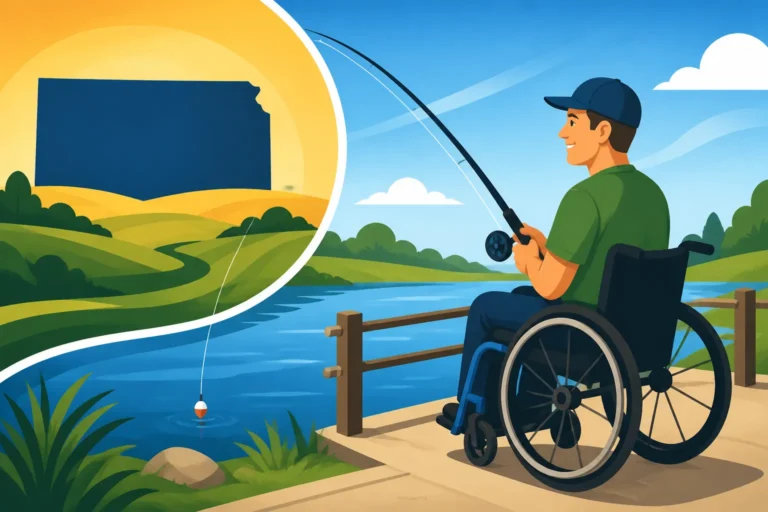
It can feel like navigating a maze when you're a disabled veteran just trying to enjoy a peaceful day on the water in Kansas, especially when it comes to understanding all the specific requirements for a fishing license that truly acknowledges your service and circumstances. The good news is, Kansas does offer provisions for disabled veterans, but figuring out exactly what you need and how to get it can be confusing. This comprehensive guide is here to cut through that confusion, helping you understand who qualifies, how to apply, and what benefits come with the Kansas disabled veteran fishing license.
Understanding the Kansas Disabled Veteran Fishing License
For many veterans, fishing isn't just a hobby; it's a vital part of finding peace, relaxation, and connection with nature after serving our country. Kansas recognizes this and has specific programs in place to support disabled veterans in their pursuit of angling. This isn't just about getting a piece of paper; it's about acknowledging your sacrifice and making it easier for you to enjoy the great outdoors. The Kansas Department of Wildlife, Parks and Tourism (KDWP) oversees these regulations, aiming to provide accessible and affordable fishing opportunities.
Eligibility Criteria for Veterans
The pathway to securing a disabled veteran fishing license in Kansas hinges on specific eligibility criteria. It’s not just any veteran; there are precise guidelines set forth by the KDWP. Generally, this special license is available to Kansas residents who are veterans of the U.S. Armed Forces and have a service-connected disability of at least 30%. This isn't a blanket rule for all veterans, which can sometimes be a point of frustration for those who served but don't meet the disability threshold. The key here is "service-connected" and the specific percentage, which requires official documentation.
It’s important to remember that residency plays a crucial role too. To qualify for a resident disabled veteran license, you must establish and maintain Kansas residency. This typically means living in Kansas for at least 60 days with the intent to make it your permanent home, though specific rules can apply if you're active military stationed here or an out-of-state student. For those who are just visiting or haven't established residency, the rules for a Kansas Nonresident Fishing License Guide would apply, which is a different category altogether. Understanding these initial hurdles is the first step in ensuring a smooth application process.
Specific Disability Ratings and Requirements
The percentage of your service-connected disability is a critical factor. Kansas statutes require a minimum of 30% service-connected disability as determined by the U.S. Department of Veterans Affairs (VA). This means you'll need official documentation directly from the VA clearly stating your disability rating. Simply having a disability isn't enough; it must be connected to your military service and meet that specific percentage. This can sometimes lead to delays if your VA documentation isn't readily available or clearly articulates the required rating.
For veterans with a 50% or greater service-connected disability, the state offers even further benefits, often providing these licenses at no cost. This distinction is vital as it directly impacts the cost of your Kansas Fishing License Cost by Type. So, when you're gathering your documents, make sure you have the most up-to-date and clear statement from the VA detailing your disability percentage. It’s not uncommon for veterans to mistakenly believe a lower disability rating qualifies, only to find out they need to meet the 30% or 50% threshold for the respective benefits. Keeping these documents organized, perhaps in a sturdy, waterproof folder you might find on Amazon, will certainly save you some headaches down the line.
Benefits of the Disabled Veteran License
The primary benefit, of course, is the ability to legally fish in Kansas waters under special provisions that recognize your service and disability. Depending on your disability rating (30% or 50% or more), this license can be significantly reduced in cost or even free. For veterans with a 50% or greater service-connected disability, Kansas often provides a lifetime fishing license free of charge. Imagine, no more worrying about annual renewals; just grab your gear and go! This can be a huge relief, especially when considering the typical Kansas Resident Annual Fishing License Costs $25.
Beyond the financial savings, this license can also simplify access to fishing opportunities. It serves as a clear indicator of your veteran status and disability, which can be useful when interacting with KDWP officials or park rangers. This specialized license is a token of appreciation from the state, making it easier for you to enjoy the restorative power of nature. It’s a small way the state says "thank you" for your immense contributions.
How to Apply for Your Disabled Veteran Fishing License
Applying for your disabled veteran fishing license doesn't have to be a complicated ordeal, but it does require attention to detail and ensuring you have all your ducks in a row. The KDWP has worked to streamline the process, but the onus is on the applicant to provide the correct information and documentation. Rushing through it or missing a crucial piece of paperwork is the quickest way to delay your time on the water.
Gathering Necessary Documentation
The most crucial step in the application process is compiling all the required documents. Without these, your application won't move forward. You will absolutely need proof of your service-connected disability, issued by the U.S. Department of Veterans Affairs. This usually comes in the form of an official letter or benefits summary that clearly states your disability percentage. Make sure this document is current and legible. If you've just recently received a new rating, or your old documents are hard to read, it's wise to request an updated copy from the VA before you begin.
In addition to your VA documentation, you'll need proof of Kansas residency, such as a valid Kansas driver's license or state ID. If your ID doesn't show your current address, you might need to provide supplemental documents like a utility bill or lease agreement. Having these original documents, or certified copies, ready to go will make the application process much smoother. It's often helpful to keep these documents organized in a dedicated file, which you could easily purchase on Amazon, for future reference or if you need to apply for other veteran benefits.
Application Methods: Online, Mail, In-Person
Kansas offers several convenient ways to apply for your disabled veteran fishing license. You can apply online through the KDWP website, which is often the quickest method if you have digital copies of your documents. The online portal for Kansas Fishing License Online Renewal is quite user-friendly, and for new applications, it’s designed to guide you step-by-step. You'll typically need to create an account if you don't already have one, upload your VA disability letter and proof of residency, and then follow the prompts to complete the application.
If you prefer a more traditional approach, you can download the application form from the KDWP website and mail it in with copies of your supporting documents. Be sure to use certified mail if sending original or sensitive documents, just for peace of mind. Alternatively, you can visit a KDWP office or an authorized license vendor in person. While places like Walmart sometimes sell standard licenses, for specific disabled veteran licenses, you'll generally have more success at a dedicated KDWP office or by calling them directly for guidance. This ensures you're getting help from someone who understands the nuances of the veteran programs.
What to Expect After Application
Once you've submitted your application, patience becomes a virtue. If you applied online, you might receive immediate confirmation, but the actual processing of your veteran status might take a little longer. KDWP staff need to verify your VA documentation and residency information. Typically, you can expect to receive your physical license in the mail within a few weeks. However, during peak seasons or holidays, processing times might be extended.
If there are any issues with your application—perhaps a document is unclear or missing—KDWP will usually contact you via the information you provided. This is why it’s so important to ensure all your contact details are accurate. Once approved, you'll be officially set to enjoy fishing across the Sunflower State. For those who qualify for the free lifetime license, this is truly a 'set it and forget it' situation, allowing you to focus on the joy of angling rather than administrative tasks.
Navigating the Annual Renewal Process and Beyond
While the lifetime disabled veteran fishing license is a fantastic perk for those with a 50% or greater disability, many veterans will still need to consider the renewal process for their annual licenses. Even with reduced costs, knowing when and how to renew is key to avoiding any interruptions in your fishing adventures. It's all about staying ahead of the game and understanding the specific rules that apply to your situation.
Understanding Renewal Timelines
For disabled veterans who receive an annual license, it’s critical to keep track of the expiration date. In Kansas, most annual fishing licenses expire on December 31st of the year they are issued, regardless of when you purchased them. So, if you bought your license in July, it still expires at the end of December. This is a common misconception, as some expect it to last a full 12 months from purchase. Mark your calendars! Getting a reminder for your Kansas Fishing License Online Renewal is a good idea, which you can often set up through your KDWP online account.
It’s generally a good practice to renew your license in late November or early December to ensure you have continuous coverage for the upcoming year. This avoids any last-minute scramble or potential lapse in coverage that could ruin a planned fishing trip on New Year's Day. For those who hold the free lifetime disabled veteran license, this concern is completely removed, offering truly hassle-free fishing for the rest of their lives in Kansas.
Maintaining Eligibility and Documentation
Even if you have an annual disabled veteran license, it’s important to understand that your eligibility could theoretically be reviewed if there are significant changes to your disability status. While rare, it's always wise to maintain accurate and up-to-date VA documentation. Should your disability rating change, it's your responsibility to notify KDWP if it impacts your eligibility for the special license. Honesty and transparency are always the best policy.
For those with a lifetime license, generally, once you're approved, you're set. However, maintaining your Kansas residency is still a requirement. If you move out of state, your Kansas resident disabled veteran license may no longer be valid. It's crucial to understand these rules, especially if you're considering a move. If you ever need a replacement license due to loss or damage, having readily accessible copies of your original VA documentation can significantly speed up the Kansas Fishing License Replacement Process in Kansas.
Special Considerations for Lifetime Licenses
The Kansas lifetime fishing license for disabled veterans (50% or more service-connected) is a remarkable benefit. It frees you from the hassle of yearly renewals and the associated costs, which can really add up over a lifetime. This is a privilege that many states don't offer, underscoring Kansas's commitment to its veterans. Once issued, you essentially have a permanent pass to enjoy the state's diverse fisheries, from the sprawling waters of Milford Lake to the serene streams.
However, even with a lifetime license, it's important to remember that it only covers the fishing license portion. Other specialized permits, like a Kansas Trout Permit Guide if you plan to fish in designated trout waters, might still be required. Always check the current Kansas Fishing Regulations Explained to ensure you're fully compliant with all local rules and permits for the specific waters you plan to fish. Don't let the lifetime license lull you into a false sense of absolute coverage for everything.
Beyond the License: Additional Perks and Considerations
The disabled veteran fishing license is a fantastic start, but there are often other benefits and important regulations that disabled veterans should be aware of to maximize their outdoor experiences in Kansas. It's not just about the license itself, but the entire ecosystem of support and rules that surround it. Knowledge truly is power when it comes to enjoying your time responsibly and fully.
Companion Permits and Assistance Programs
Sometimes, a disabled veteran might need assistance while fishing. Kansas regulations do consider these situations. While a disabled veteran license doesn't automatically grant fishing privileges to a companion, there are provisions within the KDWP rules that can make it easier for caregivers or family members to assist. For instance, specific regulations might allow a companion to assist with netting or baiting without needing their own license, as long as they aren't actively fishing themselves. Always clarify these rules with KDWP directly, as they can be nuanced.
Beyond fishing, some state parks and public access areas offer special accommodations or programs for individuals with disabilities, including accessible fishing piers and trails. Exploring these options can greatly enhance the overall fishing experience, making it more comfortable and enjoyable. Many KDWP-managed areas strive to be inclusive, offering accessible fishing piers for Accessible Fishing Piers for Disabled Anglers in Kansas at various lakes across the state.
State Park Access and Other Privileges
It's a common misunderstanding that a fishing license grants free access to state parks. While your disabled veteran fishing license gets you on the water, you might still need a State Park Vehicle Permit to enter certain Kansas State Parks. These permits are typically required for vehicle entry into managed park areas. However, Kansas does offer a special annual vehicle permit for free to Kansas residents who are disabled veterans with a 50% or greater service-connected disability. This can be a huge cost-saving benefit for those who frequent state parks for their fishing trips.
So, while your fishing license is essential, make sure to look into the Kansas State Park Fishing Permit Rules and vehicle permit requirements. It would be a bummer to arrive at a beautiful spot like Cheney State Park or Wilson State Park, ready to cast a line, only to be turned away for not having the correct vehicle permit. These two separate but related requirements are crucial for a smooth outing.
Important Regulations to Remember
Even with a special license, all disabled veterans are still subject to the general Kansas Fishing Regulations Explained. This includes adherence to daily creel limits, length limits for specific species, and seasonal restrictions. For example, knowing the Kansas Walleye Length Limits or Kansas Crappie Length and Bag Limits is just as important for a disabled veteran as it is for any other angler. Your license exempts you from the cost or necessity of a general license, but not from the ethical and conservation-based fishing rules designed to protect Kansas's natural resources.
It's also crucial to understand specific rules for different bodies of water. Some Community Fishing Lakes, for example, have unique regulations, or some private ponds might not require a state license at all. Always consult the KDWP Fishing Regulations Summary or use the KDWP app to check the rules for your chosen fishing spot before you go. Being informed helps ensure a pleasant, lawful, and productive fishing trip every time.
Addressing Common Questions and Troubleshooting
Even with all the information in the world, questions and unexpected situations can arise. It's natural to have lingering concerns, and sometimes, things just don't go according to plan. Having a clear understanding of what to do in these scenarios can alleviate a lot of stress and keep you focused on the joy of fishing.
What If My Disability Rating Changes?
Life happens, and sometimes disability ratings change over time. If your service-connected disability rating increases to 50% or more, and you currently hold an annual disabled veteran license, you should absolutely contact KDWP. You might now be eligible for the free lifetime fishing license! This is a significant upgrade and worth pursuing. You'll likely need to provide updated VA documentation to reflect the new rating.
Conversely, if your disability rating somehow decreases and you no longer meet the 30% threshold, your eligibility for the reduced-cost or free license may be impacted. While this is less common, it’s important to be transparent with KDWP. They can guide you on how to proceed, perhaps to a standard Kansas Resident Fishing License Cost or other options. The key is proactive communication rather than waiting for an issue to arise.
Lost or Damaged Licenses
It's an unfortunate but common occurrence: a license gets lost, damaged, or simply fades over time. If your disabled veteran fishing license, especially a physical lifetime one, becomes unusable, don't panic. You can usually get a replacement. The process for a Kansas Fishing License Replacement Cost is typically minimal, often just a small administrative fee.
You'll usually need to contact KDWP directly, either online through your account, by phone, or in person. Having your original VA documentation or a copy of your initial application can expedite the replacement process. It’s always a good idea to have a digital photo of your license on your phone as a backup, just in case, though a physical or official digital copy is generally required for proof while fishing. You might even consider a waterproof license holder, which can easily be found on Amazon, to protect your valuable documents while you're out on the water.
Contacting KDWP for Support
When in doubt, the best course of action is always to reach out to the Kansas Department of Wildlife, Parks and Tourism. Their staff are there to help clarify regulations, assist with applications, and address any unique situations you might encounter. Don't hesitate to call their main office or visit their website for specific contact information. They also have regional offices located across the state, which might be more convenient depending on where you live.
Their website is also a treasure trove of information, including the complete Kansas Fishing License Guide and current regulation summaries. Navigating government websites can sometimes be a challenge, but KDWP has made an effort to provide clear and comprehensive resources. If you have questions about specific rules, such as Fishing License Age Requirements in Kansas for a younger companion or how your Kansas Combination Hunt-Fish License interacts with your disabled veteran status, KDWP is the authoritative source.
Kansas Disabled Veteran Fishing License Summary Table
To help consolidate some of this information, here's a quick summary of the key eligibility points for disabled veterans seeking a fishing license in Kansas:
| Eligibility Criteria | License Type | Cost | Required Documentation | Notes |
|---|---|---|---|---|
| Kansas Resident + 30-49% VA Disability | Annual Disabled Veteran Fishing License | Reduced Fee | VA Disability Letter (30-49%), Proof of Kansas Residency | Must renew annually; check KDWP for current reduced fee. |
| Kansas Resident + 50%+ VA Disability | Lifetime Disabled Veteran Fishing License | Free | VA Disability Letter (50%+), Proof of Kansas Residency | Valid for life; no annual renewals needed. |
| Non-Resident Disabled Veteran | Standard Non-Resident License | Full Fee | N/A (unless seeking specific non-resident exemptions) | No specific disabled veteran discount for non-residents. |
| Non-Veteran with Disability | Standard Resident License | Full Fee | N/A | Disability must be service-connected for special veteran license. |
Remember, this table provides a general overview. Always refer to the official KDWP regulations or contact them directly for the most precise and up-to-date information regarding your specific situation.
Disclaimer
The information provided in this guide is for general informational purposes only and is not intended as legal advice. Fishing regulations and license requirements in Kansas are subject to change. Always consult the official Kansas Department of Wildlife, Parks and Tourism (KDWP) website or contact them directly for the most current and accurate information before planning your fishing trip.