How to Catch Wipers in Kansas Reservoirs
Oh, the wiper! If you've spent any time on Kansas reservoirs, you know the thrill and frustration of trying to hook into these hard-fighting hybrids. They're notoriously aggressive but can be elusive, leaving many anglers scratching their heads about where to find them and what they're biting on. This guide is all about demystifying wiper fishing, diving deep into their habits, the best spots to target them, and the techniques that will help you land these incredible fish in our Kansas waters.
Understanding the Kansas Wiper: A Hybrid Powerhouse
Let's start by getting to know our target. The wiper, often called a "hybrid striper" or "whiper," isn't a naturally occurring species. It's a crossbreed between a female striped bass and a male white bass, carefully stocked in many of our larger Kansas reservoirs to provide an exciting sport fishing opportunity. They combine the schooling behavior of white bass with the larger size and incredible fighting power of striped bass, making them a truly unique challenge.
Why Wipers Are a Unique Challenge
One of the biggest frustrations for anglers new to wiper fishing is their unpredictable nature. Unlike some fish that stick to specific structures or depths year-round, wipers are nomadic. They're constantly on the move, chasing baitfish, which means what worked yesterday might not work today. This chase-oriented predatory lifestyle makes them exhilarating to pursue but also means you can't just drop a line and expect them to be there. Their power, once hooked, is another thing entirely. They hit hard and fight dirty, often making long, blistering runs that can test your drag and your patience. You might find yourself exhausted after just a few good fights!
Identifying a Wiper from its Cousins
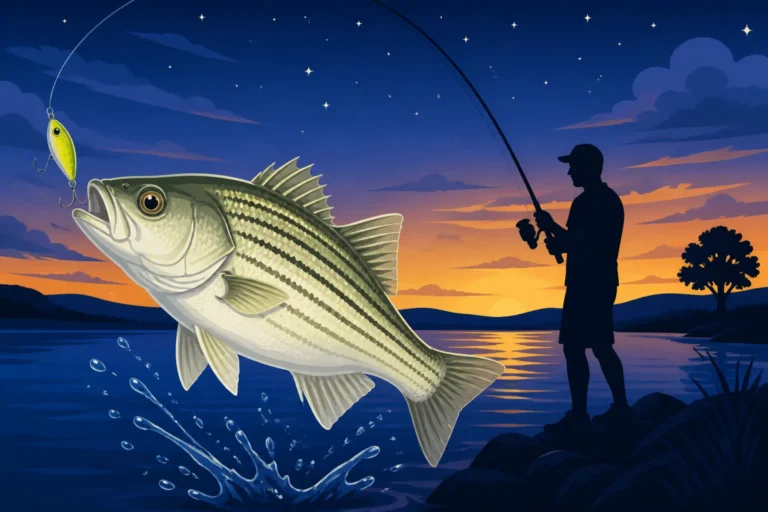
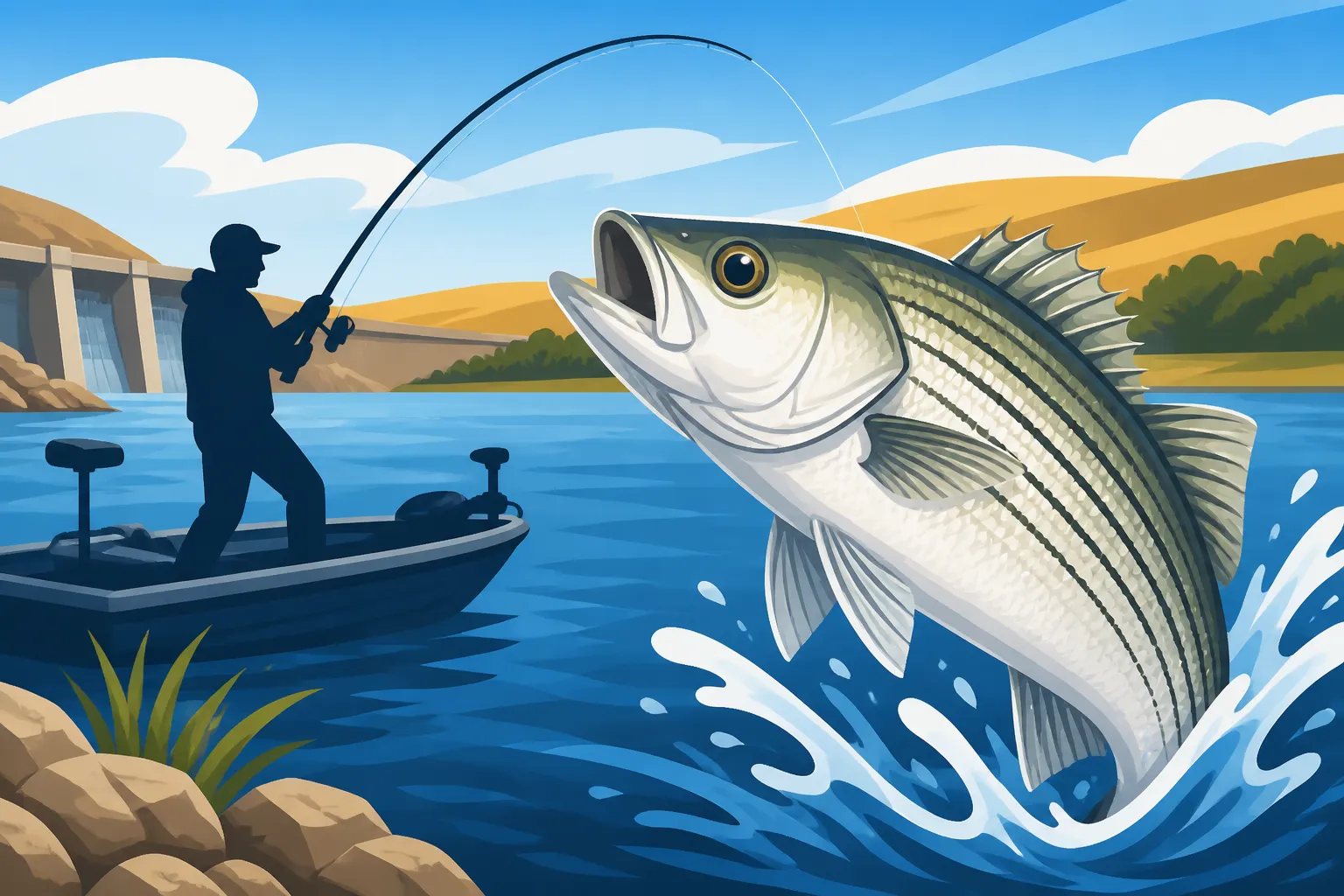
Knowing you're actually battling a wiper and not just a hefty white bass is important, especially when it comes to understanding their behavior and, of course, adhering to any specific regulations. Wipers have distinct broken or interrupted horizontal stripes along their silver bodies, unlike the solid, unbroken stripes of a true striped bass or the fainter, often incomplete stripes of a white bass. They tend to be thicker-bodied than white bass, with a more pronounced arch in their back, giving them a football-like shape. While a white bass might top out at a few pounds, wipers regularly exceed that, with trophy-sized fish pushing into the double digits. For more detailed information, check out our guide on Kansas Hybrid Striped Bass Identification. Learning to spot these differences on the fly will not only help you identify your catch but also improve your understanding of the fish you're targeting.
Locating Wipers in Kansas Reservoirs
Finding wipers is often half the battle, and it all boils down to understanding their primary motivator: food. Wipers are voracious predators that follow baitfish schools wherever they go. This means you need to think like a baitfish to find the wipers. Kansas has several fantastic reservoirs known for their wiper populations, including Milford Lake, Cheney Reservoir, Wilson Lake, and El Dorado Lake, among others. Each of these massive bodies of water presents unique challenges and opportunities for wiper anglers.
Seasonal Movements and Habitat
Wipers are highly migratory within a reservoir, with their movements largely dictated by water temperature and baitfish location. In the spring, as water temperatures rise, wipers often move shallower, particularly towards areas where baitfish might be spawning or emerging from wintering grounds. This can include shallower flats, points, and coves, especially those with some kind of current or wind-blown action.
As summer heat arrives, wipers tend to move deeper, seeking cooler, more oxygenated water. They'll often suspend over open water or relate to deep structures like submerged humps, roadbeds, or creek channels. However, they'll still make forays into shallower water during low-light conditions, like dawn, dusk, or at night, to ambush baitfish. If you're out late, our Kansas Night Fishing Guide might offer some valuable tips for targeting them.
Fall is a prime time for wiper fishing as they enter a feeding frenzy, bulking up for winter. They can be found almost anywhere baitfish are schooling, from open water to near the dam. During winter, they typically move to deeper, more stable water, often suspending in large schools, but can still be caught with the right approach. Knowing the Kansas Fishing Seasons Guide can give you a general idea of what to expect throughout the year.
Identifying Key Structures and Baitfish Activity
When you're out on the water, you're constantly looking for clues. The most important clue for wipers is baitfish. Keep an eye on your fish finder for schools of shad or other forage fish. If you see arches (fish) below or around these baitfish schools, you're likely in the right spot. Look for surface activity like schooling baitfish being chased, or even wipers themselves busting the surface. Gulls and other seabirds diving into the water are also excellent indicators of active feeding frenzies.
Beyond direct baitfish observation, consider these structures:
- Main Lake Points and Humps: These areas often serve as ambush points for wipers, especially if they drop off into deeper water. Wipers will cruise these edges, waiting for baitfish to pass by.
- River Channels and Creek Beds: Submerged channels provide highways for baitfish and offer deeper, cooler water for wipers in the summer.
- Dam Areas: The outflow areas of dams can concentrate baitfish and create current, which wipers love. They'll often stage here.
- Wind-Blown Banks: Wind pushes baitfish towards banks, creating easy feeding opportunities for wipers. Look for choppy water on the windward side of a reservoir.
A good fish finder, perhaps one you scoped out on Amazon, can be your best friend in locating these schools and structures, allowing you to quickly identify potential hot spots without wasting precious fishing time.
Top Techniques for Catching Wipers
Now for the fun part: how to actually get these powerful fish to bite! Wipers are aggressive, so you often need to employ active techniques that mimic fleeing baitfish or present a tempting meal directly in their path. There isn't one magic bullet; variety is key.
Casting and Retrieving Lures
This is perhaps the most popular and exciting way to catch wipers, especially when they're actively feeding or busting on the surface.
- Spoons: Casting heavy spoons like Kastmasters or similar types, and then retrieving them with a fast, erratic jigging motion, can be incredibly effective. Let it sink, then rip it up, let it flutter, and repeat. The flash and erratic movement perfectly imitate a wounded baitfish.
- Jerkbaits: Long, slender jerkbaits that suspend or slowly float can also be deadly. Cast them out, twitch them aggressively, pause, and watch for the strike. The pause is often when they hit!
- Swimbaits and Grubs: Soft plastic paddle tail swimbaits or curly-tail grubs rigged on a jig head are versatile. They can be retrieved steadily, jigged vertically, or bounced along the bottom. The key is to match the hatch – use colors and sizes that mimic the local baitfish.
- Topwater Lures: When wipers are absolutely exploding on the surface, a topwater plug, like a popper or a walking bait, provides an unforgettable experience. Cast it into the fray, and prepare for an explosive strike!
- Blade Baits: These vibrating metal lures are excellent for both casting and vertical jigging. Their tight vibration attracts attention, and they can be worked through schools of wipers effectively.
Many anglers find that starting their lure search on Amazon gives them a wide selection of colors and sizes to match different conditions and baitfish patterns. Remember, wipers are visual predators, so flash and movement are paramount. You can dive deeper into various strategies in our Kansas Wiper Fishing Techniques article.
Trolling for Suspended Wipers
When wipers are suspended in open water and not actively busting the surface, trolling can be the most efficient way to cover water and find them. This is especially true in large reservoirs like Milford Lake.
- Crankbaits: Medium to deep-diving crankbaits that imitate shad are a go-to for trolling. Experiment with different depths and colors until you find what triggers bites. Trolling speed is also crucial; often, a faster speed (2.5-4 mph) can provoke a reaction strike.
- Spoons or Blade Baits with Planer Boards: For covering even wider areas, using planer boards with spoons or blade baits allows you to spread out your lines and present multiple offerings at different depths simultaneously. This is a highly effective tactic, particularly on vast, open reservoirs.
- Umbrella Rigs: These rigs, popular for striped bass, can also be highly effective for wipers. They mimic a school of baitfish and can draw strikes from aggressive wipers. They typically involve multiple swimbaits or plastic grubs rigged on wires.
When trolling, pay close attention to your fish finder. If you mark a school of baitfish with arches below them, mark that spot on your GPS and make multiple passes through the area. Wipers often hold in specific depth ranges, so once you find that sweet spot, try to stay in it.
Live Bait and Dead Bait Presentations
While artificial lures are exciting, sometimes the best way to fool a wary wiper is with the real thing.
- Live Shad or Gizzard Shad: If you can get your hands on live shad, they are often the most irresistible bait for wipers. You can fish them under a bobber, freelined, or slow-trolled. Hook them lightly through the back or lips.
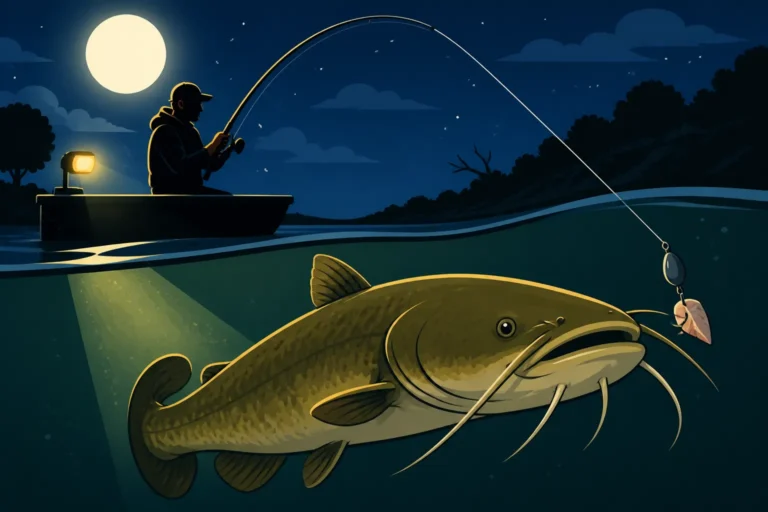
- Cut Bait: For a less active approach, especially when wipers are deeper or less aggressive, cut bait (strips of shad or other oily fish) can be effective. Rig it on a circle hook with a slip sinker, allowing the bait to sit on the bottom or suspended just above it. This technique can be particularly good if you're targeting other species like catfish alongside wipers.
- Bottom Fishing with Stink Bait: While not traditional for wipers, on occasion, particularly in areas with a strong current or outflow, wipers may investigate prepared baits, especially if other catfish species are present. However, for dedicated wiper fishing, live or cut bait is generally more productive.
For live bait, a good livewell to keep your bait frisky is essential. Sometimes, you'll find great deals on bait aerators and insulated bait buckets on Amazon to keep your shad lively all day long.
Essential Gear for Wiper Fishing
Having the right equipment won't guarantee a catch, but it will certainly improve your chances and make the fight more manageable. Wipers are strong, so your gear needs to be up to the task.
Rods, Reels, and Line
Don't skimp on your tackle when targeting wipers. These fish will exploit any weakness.
- Rods: A medium-heavy to heavy action spinning or baitcasting rod, typically 6'6" to 7'6" in length, is ideal. The stout backbone is necessary to set the hook firmly and to horse in a big fish, while a sensitive tip can help detect subtle bites. For those long casting sessions with heavy lures, a slightly longer rod can aid in distance. If you're comparing options, many anglers start their research for a new Best Rod and Reel Combo for Walleye setup, which often translates well to wiper fishing.
- Reels: A good quality spinning reel in the 3000-5000 series or a baitcasting reel with a robust drag system is crucial. Smooth drag is paramount, as wipers make powerful runs. A fast retrieve ratio can also be beneficial for quickly working lures or keeping up with a charging fish. Look for reels with metal components for durability.
- Line: Braided line, typically 20-30 pound test, is a popular choice for wiper fishing due to its sensitivity, strength, and minimal stretch. This helps with detecting bites and provides maximum power during the fight. Many anglers will tie a fluorocarbon leader (12-20 pound test) to the braided main line using a uni-to-uni or FG knot. Fluorocarbon is less visible in clear water and offers good abrasion resistance. For trolling with crankbaits, a good quality monofilament line in 15-20 pound test can also be used, as its stretch can be forgiving.
Lures and Terminal Tackle
Your tackle box should be well-stocked with a variety of options to cover different scenarios.
- Lure Selection: As mentioned, heavy spoons (silver, chrome, chartreuse), suspending jerkbaits (shad patterns, white), paddle tail swimbaits (3-5 inches, white, chartreuse, pearl), topwater poppers or walkers, and blade baits are all essential. Don't be afraid to experiment with color and size based on local baitfish.
- Hooks: When using live or cut bait, sharp, strong circle hooks in sizes 2/0 to 5/0 are recommended. Circle hooks minimize gut hooking, making for easier release and better fish health if you plan to let them go. For artificials, check that the trebles are sharp and strong; sometimes upgrading stock hooks on lures is a wise move.
- Swivels and Leaders: Use high-quality ball-bearing swivels to prevent line twist, especially when trolling or using spoons. A fluorocarbon leader is highly recommended, not just for stealth, but also for abrasion resistance against sharp fins and teeth.
- Sinkers: A variety of sinker weights (1/2 oz to 2 oz) will be useful for different depths and currents, especially when fishing with live bait or bottom bouncing. Slip sinkers are excellent for natural presentations.
It's a great idea to check out the Best Lures for Kansas White Bass for additional insights, as many of those lures will also entice wipers.
Navigational and Fish-Finding Electronics
In the vast expanse of Kansas reservoirs, electronics are not a luxury but a necessity for consistently finding wipers.
- Fish Finder/Sonar: A good fish finder is critical for locating baitfish schools, submerged structures, and, most importantly, the wipers themselves. Look for units with down imaging and side imaging capabilities to get a clearer picture of what's beneath and around your boat. High-resolution screens make it easier to interpret the sonar returns. You might be surprised at the advanced features available even on budget-friendly models these days, often found with a quick search on Amazon.
- GPS/Chartplotter: Integrated GPS allows you to mark waypoints where you've found fish or bait, helping you return to productive spots. It's also vital for safe navigation, especially in large reservoirs with submerged hazards. Many modern fish finders come with excellent chartplotter capabilities.
- Electric Trolling Motor: A quality electric trolling motor, particularly one with GPS-enabled spot-lock features, can be invaluable. It allows you to silently maneuver over active schools, hold your position in current, or maintain a precise trolling speed. This minimizes disturbance and maximizes your time fishing, rather than constantly adjusting with the main engine. For advice on specific models, our guide on the Best Trolling Motor for Kansas Lakes has you covered.
Wiper fishing in Kansas reservoirs is an exhilarating experience that combines strategy, skill, and robust tackle. By understanding their hybrid nature, where to find them throughout the seasons, and employing the right techniques and gear, you'll be well on your way to hooking into some of the hardest-fighting fish our state has to offer. So, gear up, hit the water, and get ready for some intense action!
Disclaimer
This article is for general informational purposes only and does not constitute professional advice. Laws, prices and regulations vary by location and change over time. Consult a qualified professional for guidance on your specific situation.