Invasive Fish Species in Kansas Waters
There's nothing quite as frustrating as heading to your favorite Kansas fishing spot, full of anticipation, only to find that the ecosystem feels… off. You might notice fewer of your target species, or perhaps strange fish that you've never encountered before. This unsettling change is often due to invasive fish species, creatures that can wreak havoc on our precious waterways and fishing opportunities. This guide is here to shed light on what these invaders are, why they're a problem for Kansas fishing, and most importantly, what you can do to help protect our lakes and rivers.
What Makes a Fish "Invasive" in Kansas Waters?
When we talk about invasive species, it's easy to picture some monstrous, alien creature. But the reality is often much more subtle, and the damage they inflict can be far-reaching, slowly undermining the delicate balance of our aquatic environments. Understanding what truly defines an "invasive" fish is the first step in recognizing the threat they pose to our beloved Kansas fisheries.
The Critical Difference: Non-Native vs. Invasive
It’s important to clarify that not all non-native fish are considered invasive. A non-native species, often called an introduced or exotic species, is simply one that lives outside its natural, historic range. Think about striped bass in some of our reservoirs; they're not native to Kansas, but they've been deliberately stocked and managed by the Kansas Department of Wildlife, Parks and Tourism (KDWP) to provide fantastic sport fishing opportunities. They usually fit well into the existing ecosystem or are managed to do so.
An invasive species, however, is a non-native species whose introduction causes or is likely to cause economic or environmental harm, or harm to human health. The key here is the negative impact. These aren't just fish that are "from somewhere else"; they are fish that actively disrupt local ecosystems, outcompete native species for food and habitat, introduce diseases, or even alter the physical environment. They are the unwelcome guests that trash the party, rather than just politely showing up. It's this destructive nature that makes them a serious concern for any angler who cares about the future of Kansas Fishing.
Why Invasives Threaten Our Native Fisheries
The impact of invasive fish species can be devastating and complex, often creating a domino effect throughout an entire aquatic food web. Imagine a thriving crappie population in one of our state lakes, with plenty of baitfish and insects for them to feed on. Then, an invasive species is introduced.
One of the biggest issues is competition for resources. Invasive fish often have an aggressive feeding strategy or a broader diet than native fish. For example, some invasive carp species consume vast amounts of plankton, which is the base of the food chain. When they eat all the plankton, there's less left for the native baitfish that our walleye, bass, and crappie depend on. This can lead to stunted growth, reduced numbers, and even starvation for our desirable game fish. It's like inviting a gluttonous guest to a potluck and finding all the good dishes gone before you even get a plate.
Beyond food, invasive species can also alter habitat. Grass carp, for instance, are very efficient plant eaters. While they've been used in some controlled situations for aquatic vegetation management, uncontrolled populations can decimate native plant beds that provide crucial spawning habitat, cover from predators, and food sources for many native fish and invertebrates. Imagine your favorite lily pad field, once teeming with largemouth bass, suddenly becoming a barren wasteland.
Furthermore, invasive fish can introduce diseases and parasites that native species have no natural immunity to. They can also hybridize with native fish, weakening the genetic integrity of local populations. The net result is a less diverse, less healthy fishery, making it harder for anglers to find and catch their target species. Our native fish have evolved over millennia to thrive in Kansas waters, and these sudden, aggressive newcomers throw a wrench into that intricate, natural machinery.
The Most Troubling Invasive Fish Species in Kansas
While there are many non-native fish species in Kansas, a few stand out as particularly problematic due to their invasive nature and the significant threat they pose to our aquatic environments. These are the species we, as responsible anglers, need to be most aware of.
The Unwanted Triple Threat: Asian Carp Species
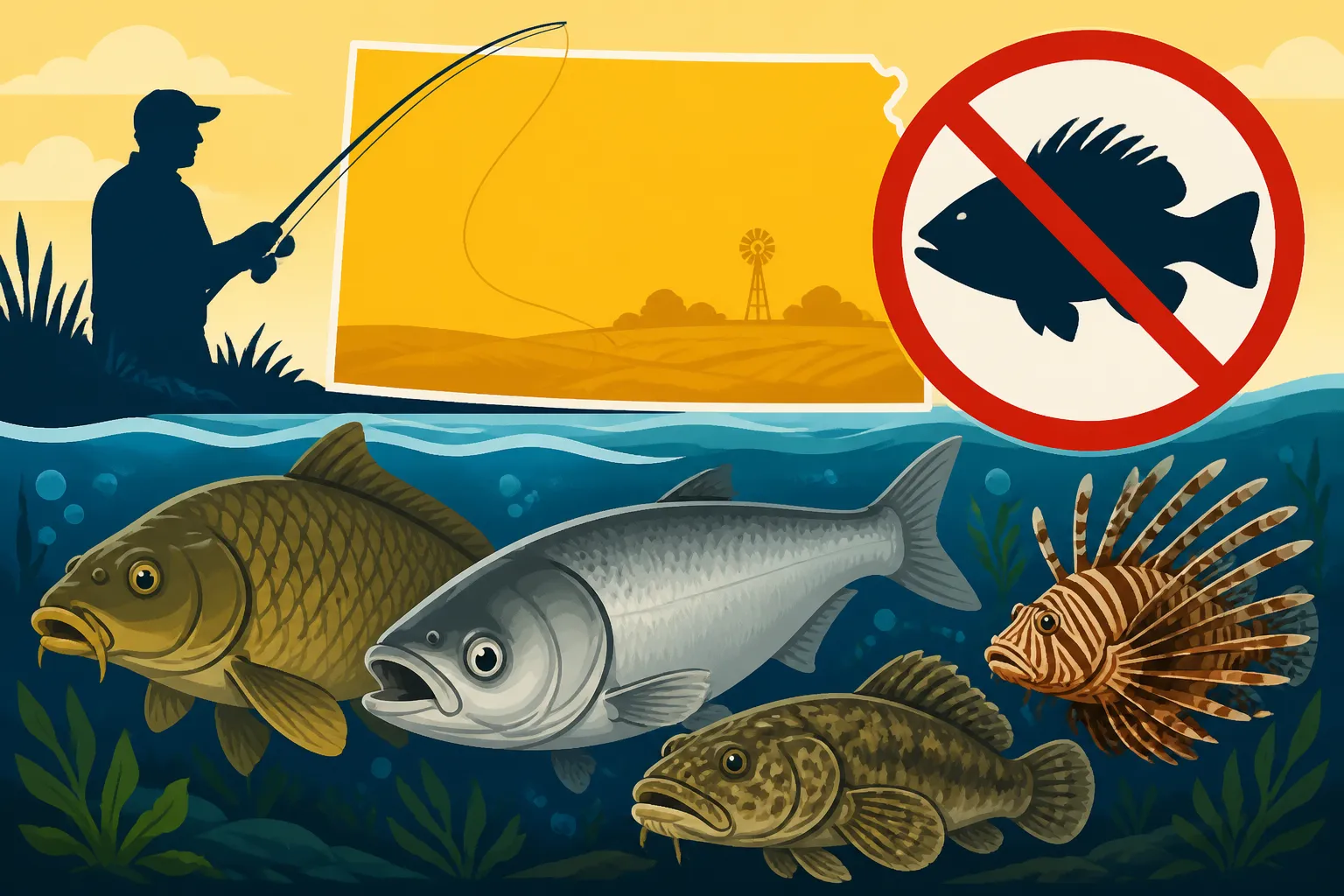
When people talk about invasive fish in Kansas, more often than not, they're referring to Asian carp. This group includes Bighead carp, Silver carp, and Grass carp, and they have become a major headache for fisheries managers and anglers across the state, especially in our major river systems and connecting reservoirs.
- Bighead Carp: These fish are plankton feeders, consuming large quantities of microscopic plants and animals. They can grow to impressive sizes, often reaching over 60 pounds. The problem is, they're eating the same plankton that native shad, minnows, and the fry of game fish rely on. This direct competition at the base of the food chain means less food for everything else, impacting the growth and survival of popular species like walleye and crappie. They're not easily caught on traditional hooks, making population control a real challenge.
- Silver Carp: Known for their notorious jumping behavior, Silver carp are perhaps the most visually alarming of the Asian carp. When startled by boat noise, they leap out of the water, creating a hazard for boaters and anglers. Like Bighead carp, they are filter feeders, but they focus on even finer particulate matter, further stripping the water of essential food sources for native species. Imagine fishing the Kansas River and having a 20-pound fish rocket out of the water and smack you in the face – it's not a fun experience and can be downright dangerous. Their filter-feeding habits also contribute to water quality issues, as their waste can increase nutrient loads.
- Grass Carp: While sometimes used for vegetation control, unmanaged or illegally introduced populations of Grass carp can be incredibly destructive. They feed voraciously on aquatic vegetation, including native plants that provide vital habitat for other fish, insects, and waterfowl. Overgrazing by Grass carp can turn a lush, vegetated area into a barren underwater landscape, destroying spawning beds and protective cover. This impacts everything from bass to panfish, making it harder for them to find food, reproduce, and hide from predators.
These three species reproduce rapidly and can quickly dominate an ecosystem, leading to significant declines in native fish populations. You'll often find them in large river systems like the Kansas River, but they can migrate into reservoirs during high water events.
Common Carp and the Nuance of Non-Native Fish
Beyond the aggressive Asian carp, it’s worth mentioning the common carp. While a non-native species introduced to North America centuries ago, the common carp's status as "invasive" is often debated. They are certainly widespread in Kansas waters, thriving in many lakes and rivers. However, they've been here long enough that many ecosystems have adapted to their presence, and they generally don't cause the same level of widespread ecological devastation as Asian carp.
Common carp are bottom feeders, stirring up sediment as they forage, which can increase turbidity and impact water clarity. This can be detrimental to sight-feeding fish and aquatic vegetation. While they can compete with native species for food and habitat, they generally occupy a different niche than many game fish. Anglers in Kansas regularly target common carp, and they offer a unique and challenging fishing experience. The key takeaway here is that while they are non-native, their long-established presence and somewhat different ecological role mean they aren't always classified with the same urgency as newly invading, highly destructive species like the Asian carp.
| Invasive Fish Species | Primary Impact in Kansas | Identification Notes | Status for Anglers |
|---|---|---|---|
| Bighead Carp | Competes for plankton, large size, impacts food web. | Large head, dark blotches, eyes below mouth. | Difficult to catch on hook & line. |
| Silver Carp | Competes for plankton, notorious jumpers, boating hazard. | Silver scales, eyes below mouth, deeply forked tail. | Difficult to catch on hook & line, often caught by snagging. |
| Grass Carp | Consumes vast amounts of aquatic vegetation, habitat destruction. | Cylindrical body, large scales, terminal mouth. | Can be caught on vegetation baits. |
| Common Carp | Stir up sediment, compete with some natives. | Barbels around mouth, golden/brownish scales, deep body. | Popular sport fish for some anglers. |
Preventing the Spread: Your Role as a Kansas Angler
The fight against invasive fish species isn't solely up to state agencies; it's a collective effort, and every single angler plays a crucial role. Our actions, or inactions, can directly contribute to stopping the spread of these harmful invaders. The good news is that preventing their movement often comes down to a few simple, common-sense practices.
"Clean, Drain, Dry": The Angler's Mantra
This three-word phrase should be burned into the mind of every boater and angler. It's the most effective defense against the spread of aquatic invasive species, including invasive fish and other undesirables like zebra mussels or Eurasian watermilfoil.
- Clean: Before you leave any boat ramp or body of water, take the time to thoroughly clean your boat, trailer, waders, and fishing gear. Remove all visible mud, plants, and foreign organisms. Inspect every nook and cranny. Pay special attention to your anchor, bilge, and livewells. A stiff brush, often available at boat ramps, or a pressure washer can be a lifesaver. You can even find specialized cleaning tools on sites like Amazon to help with this task. This step is critical because tiny eggs, larvae, or fragments of plants can cling to your gear and be unknowingly transported to the next lake.
- Drain: This means draining all water from your boat's bilge, livewells, bait buckets, and motor. Many invasive species can survive in small amounts of water for extended periods. For example, juvenile fish or eggs can easily hitch a ride in residual water. Make sure drain plugs are pulled, and your boat is tilted to allow complete drainage before you hit the road. This also applies to any fishing equipment that holds water, such as a specialized bait bucket that you might have purchased for keeping minnows alive.
- Dry: Whenever possible, allow your boat and gear to thoroughly dry for at least five days before moving to another body of water. This is a highly effective way to kill off any remaining microscopic invaders. If drying isn't an option, or if you're moving between waters more quickly, a thorough rinse with high-pressure hot water (140°F/60°C) can also be effective. The longer your gear dries in the sun, the better your chances of ensuring no unwanted hitchhikers are transferred. Following these guidelines is essential for protecting waters and preserving Kansas Fishing Regulations Explained.
Responsible Bait Use and Disposal
One of the most common pathways for the introduction of invasive fish species is through improper bait disposal. It's a scenario that happens all too often: an angler finishes a day on the lake, has some leftover live bait, and rather than properly disposing of it, simply dumps the remaining minnows, shad, or crayfish into the water. This seemingly harmless act can have catastrophic consequences.
Many common baitfish, if they are not native to the waters they are dumped into, can become invasive. Even if they are native, introducing them from one body of water to another can spread diseases or parasites. Imagine buying bait minnows that were caught in a pond with an unknown fish disease, and then dumping them into a pristine lake. You've just become an unwitting agent of disease spread.
Always remember: never release live bait into any waterbody unless it was caught from that same waterbody and is being returned immediately. If you have leftover bait, dispose of it in the trash, or freeze it for future use (if it's not a protected species). You can often find bait containers on Amazon that are designed to keep bait healthy and make proper disposal easier at the end of your trip. Also, be wary of using "exotic" or non-native species as bait, as these carry a higher risk. Always check current regulations regarding baitfish collection and use in Kansas, as these can change and are crucial for preventing the spread of Invasive Fish Species in Kansas Waters.
What to Do If You Encounter an Invasive Fish
Even with the best prevention efforts, invasive fish species can still appear in our waters. Knowing how to react when you encounter one is just as important as knowing how to prevent their spread. Your actions in that moment can make a real difference in controlling their populations and preventing further damage.
Identifying and Reporting Suspect Species
The first step when you catch something unusual is accurate identification. Familiarize yourself with the visual characteristics of known invasive species in Kansas, particularly the Asian carp like Bighead and Silver carp. Take clear photos of the fish, noting any distinguishing features, especially the head, mouth, and fins. Pictures from different angles can be very helpful for experts. Many excellent guides and resources exist, including those provided by the KDWP, which you can easily access online or pick up at a local bait shop.
Once you suspect you've caught an invasive species, especially an Asian carp, the critical next step is to report it. Do not release it back into the water! If you can safely keep the fish, place it on ice and contact the KDWP. They often have specific protocols for handling and verifying invasive species. Providing them with details about where and when you caught the fish, along with your photos, can help them track populations and implement management strategies. Your report contributes directly to the larger effort to manage Kansas Fishing Seasons and Limits and protect our native fish.
The Legalities and Ethical Considerations of Catching Invasives
Generally speaking, when it comes to invasive fish species like Asian carp, the rule of thumb in Kansas is to harvest and not release. There are typically no bag or length limits for these species because the goal is to reduce their numbers, not manage them for sport. This differs greatly from how we manage game species like Kansas Walleye Minimum Length Limit of 21 Inches or Kansas Channel Catfish Daily Limit, where conservation through regulation is paramount. Always double-check the latest Kansas Fishing Regulations Explained for any specific rules or updates regarding invasive species.
Ethically, as anglers, we have a responsibility to be stewards of our natural resources. This means understanding that while releasing a fish might feel like the "sporting" thing to do for a native species, it is actively harmful when dealing with an invasive one. Bringing these fish to shore, properly identifying them, and reporting your catch helps conservation efforts immensely. If you're unsure if a fish is invasive, take a photo, keep it if safe and legal, and consult resources or KDWP staff.
Even if you don't plan to eat them (though some people do prepare Asian carp), simply removing them from the water helps reduce their competitive pressure on our native game fish. Think of it as doing your part for the health of our Kansas waters and the future of fishing for everyone. It's a small but significant action that contributes to the overall well-being of our precious aquatic environment.
Disclaimer
This article is for general informational purposes only and does not constitute professional advice. Laws, prices and regulations vary by location and change over time. Consult a qualified professional for guidance on your specific situation.