Does Kansas Stock Walleye in Its Reservoirs?
Many Kansas anglers, myself included, often gaze out over our vast reservoirs and wonder about the incredible walleye fishing we're so fortunate to have. Is it all purely nature's bounty, or is there a bit more to the story? The honest answer is that maintaining those thriving walleye populations in our beloved big lakes is a sophisticated balance, a partnership between natural processes and dedicated conservation work. This guide will peel back the layers, exploring precisely how and why walleye are carefully introduced into Kansas waters, and what these stocking efforts ultimately mean for your next exciting fishing trip.
Understanding Walleye Stocking in Kansas: The Big Picture
It’s easy to assume that all the fish swimming in our lakes are there because they simply spawned and grew up, and while that’s certainly true for many species and some walleye populations, it’s not the whole picture. For a highly sought-after game fish like the walleye, especially in the unique aquatic environments Kansas offers, proactive management is often essential. This isn't just about throwing fish into a lake; it's a science-backed strategy designed to sustain and improve fishing opportunities.
The Role of Supplemental Stocking
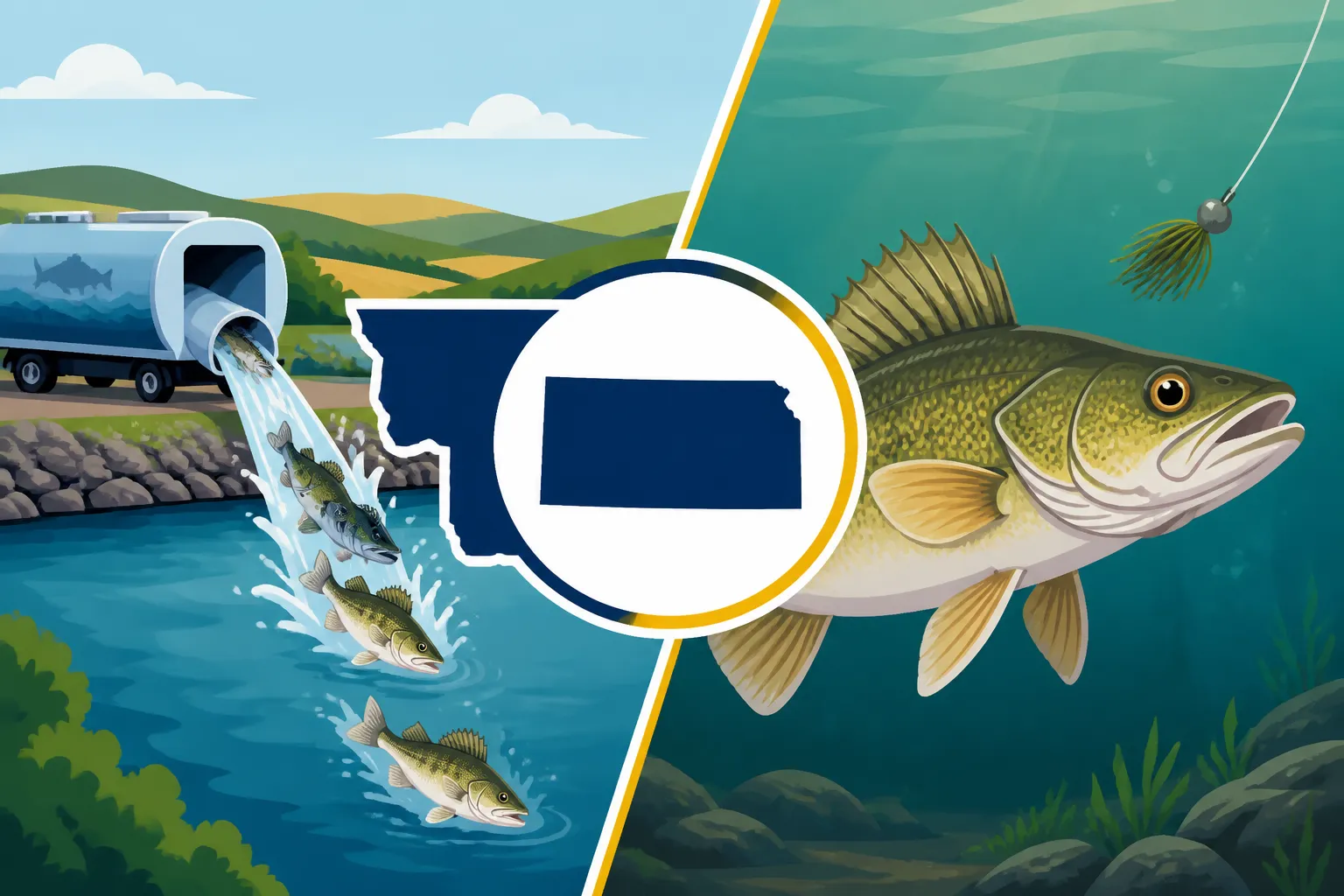
Supplemental stocking is essentially giving nature a helping hand. Imagine a lake where conditions for natural walleye spawning and fry survival aren't consistently ideal. Perhaps there isn't enough clean, rocky substrate for eggs to hatch successfully, or maybe predators gobble up too many tiny walleye before they have a chance to grow. In these scenarios, wildlife agencies step in, raising walleye in hatcheries from eggs and releasing them into the reservoirs at a stage where they have a much better chance of survival. This isn't a random act; it's a targeted intervention to bolster populations where natural reproduction struggles to keep up with angler demand or environmental challenges. It ensures that despite nature's ups and downs, there’s still a healthy number of walleye reaching catchable sizes, giving you more chances to reel in that prized dinner.
The Difference Between Natural Reproduction and Stocking Efforts
It's important to differentiate between natural reproduction and stocking. Natural reproduction is when adult walleye in a lake successfully spawn, their eggs hatch, and the fry grow into adults all on their own. This is the ideal scenario, and in some Kansas lakes, walleye do reproduce quite effectively without intervention. However, many of our large impoundments, while fantastic for adult fish, might not have the specific conditions for strong year-class production every single year. Fluctuating water levels, siltation, or insufficient cool, oxygenated water for egg development can all hinder natural spawns. Stocking, on the other hand, involves scientists and technicians actively breeding walleye in controlled environments, growing them to a certain size (often as fingerlings, which are typically a few inches long), and then releasing them. These stocked fish are genetically identical to their wild counterparts; they're simply given a head start in life, bypassing some of the most vulnerable early stages. This blend of natural processes and strategic stocking is what keeps many of our Kansas fisheries vibrant. For more details on these vital fish, check out our Kansas Walleye Fishing Guide.
The "Why" Behind the Walleye Plants: Boosting Fishing Opportunities
You might think, "Why go through all that effort and expense to stock fish?" The reasons are multifaceted, deeply rooted in both ecological health and the recreational benefits that fishing provides to countless Kansans. It's about ensuring a sustainable future for our fisheries and the communities that depend on them.
Addressing Habitat Challenges and Population Gaps
Kansas, while beautiful, isn't naturally teeming with vast, clear, rocky glacial lakes that are prime walleye breeding grounds. Our reservoirs are man-made impoundments, and while they offer incredible fishing, their dynamic environments can pose challenges for consistent natural reproduction for certain species. For example, some years might see heavy rainfall and murky water during critical spawning periods, which can reduce egg survival. Other years, sudden drops in water levels can dewater prime spawning beds. Stocking directly addresses these environmental hurdles by introducing robust young fish that have already navigated the trickiest, most vulnerable stages of life in the controlled environment of a hatchery. This helps fill the "population gaps" that might occur if we relied solely on inconsistent natural spawns. It’s a proactive measure to keep populations stable and robust, ensuring there are always new generations of walleye growing up in our lakes. This is particularly true for many of the species found in Kansas Fish Species Guide.
Enhancing Angler Success and Economic Impact
Let’s be honest, we all love catching fish! And a significant driver behind walleye stocking is to boost angler success. When a lake is stocked with thousands of healthy walleye fingerlings, it dramatically increases the likelihood that anglers will find and catch these desirable fish. This isn't just about a good day on the water; it translates into a vibrant outdoor recreation economy. Think about it: when the fishing is good, more people buy licenses, tackle, bait, fuel for their boats, and even book cabins or guide services. That means more business for local bait shops, sporting goods stores, and hospitality providers. Places like Amazon offer a huge range of gear from rods and reels to specialized walleye lures, making it easy for anglers to get outfitted for their next trip to a stocked lake. This economic ripple effect supports countless communities across Kansas. Without consistent stocking in many of our reservoirs, walleye populations could dwindle, leading to fewer fishing trips, less money spent, and a less vibrant outdoor scene for everyone.
| Reservoir Name | Primary Walleye Management | Stocking Frequency | Noted Walleye Characteristics |
|---|---|---|---|
| Milford Lake | Mixed (stocking & natural) | Frequent/Annual | Good numbers, trophy potential |
| Cheney Reservoir | Mixed (stocking & natural) | Frequent/Annual | Consistent producer, good size |
| Wilson Lake | Mixed (stocking & natural) | Frequent/Annual | Excellent clarity, trophy fish |
| Tuttle Creek Lake | Mixed (stocking & natural) | Frequent/Annual | Strong populations, diverse angling |
| El Dorado Lake | Mixed (stocking & natural) | Frequent/Annual | Solid population, good growth |
| Clinton Lake | Mixed (stocking & natural) | Frequent/Annual | Healthy population, popular fishery |
This table represents general management approaches; specific stocking numbers and schedules can vary by year and management plan.
Key Kansas Reservoirs Benefiting from Walleye Stocking
Kansas is blessed with numerous large reservoirs, and while many hold walleye, the stocking efforts aren't uniform across the board. The decisions about where, when, and how much to stock are carefully made, based on extensive research and monitoring.
Spotlight on Major Walleye Fisheries
When we talk about walleye stocking, certain names inevitably rise to the top of the list, often coinciding with the best places to catch these toothy predators. Reservoirs like Milford Lake Fishing Guide, Cheney Reservoir Fishing Guide, and Wilson Lake Fishing Guide are often mentioned as premier walleye destinations in Kansas, and their success is no accident. These lakes frequently benefit from targeted stocking programs because their vastness, forage base, and depth provide excellent habitat for walleye to grow once they're introduced. Anglers regularly report fantastic catches from these bodies of water, a testament to the effectiveness of the stocking efforts. For instance, Milford Lake Walleye Fishing is a prime example of a fishery that receives consistent attention, ensuring a healthy population for anglers year after year. Similarly, Cheney Reservoir Walleye Fishing is known for its consistent production, thanks in part to these ongoing programs. If you're looking for where the walleye action is, it's often in these regularly stocked, well-managed lakes.
How Stocking Decisions Are Made for Specific Lakes
It's not just a dartboard approach to deciding where to stock walleye. State fisheries biologists employ a scientific and data-driven process. They conduct regular population surveys, assessing the existing walleye numbers, growth rates, age structure, and the success of natural reproduction in each reservoir. They also consider factors like available forage (what the walleye will eat), habitat quality, and angler demand. If a lake's walleye population is struggling due to poor natural spawns or environmental issues, it becomes a strong candidate for stocking. Conversely, a lake with a robust, naturally reproducing walleye population might receive less, or no, supplemental stocking. The goal is always to optimize the fishery, providing the best possible angling experience while maintaining ecological balance. These decisions are critical to ensuring we have healthy populations and that anglers are aware of limits like Kansas Walleye Minimum Length Limit of 21 Inches and Kansas Walleye Daily Limit of Two Fish. This rigorous decision-making process ensures that resources are used effectively to enhance fishing for everyone.
What Walleye Stocking Means for Your Next Fishing Trip
So, what does all this information about stocking mean for you, the angler? It means opportunity, strategy, and a deeper understanding of the fish you're pursuing. It can even influence the gear you might pick up, whether it’s specialized trolling equipment from Amazon or a new walleye-specific fishing map.
Identifying Stocked Walleye and Fishing Strategies
While stocked walleye are genetically identical to their wild-born counterparts, sometimes they might behave a little differently in their early life, having come from a hatchery. However, once they've spent some time in the reservoir, they quickly adapt to their wild environment. For you, the angler, understanding that a lake is stocked means you can often anticipate consistent populations, even if natural reproduction has been down. This consistency allows for more predictable fishing, provided you understand walleye behavior. Focus your efforts on known walleye holding areas like rocky points, humps, and submerged timber. Consider techniques such as Trolling for Walleye on Kansas Reservoirs or jigging over structure. The beauty of knowing a lake is regularly stocked is that you can have confidence in the numbers, allowing you to refine your search for hungry fish. It also means paying close attention to the Kansas Walleye Length Limits and Kansas Walleye Daily Creel Limits by Species to ensure you're compliant with regulations.
The Long-Term Outlook for Walleye Fishing
Thanks to these dedicated stocking programs, the long-term outlook for walleye fishing in Kansas remains incredibly positive. These efforts aren't just about stocking a few fish for immediate gratification; they're a sustainable approach to managing a highly valued fishery. By continuously monitoring populations, adapting stocking strategies based on data, and supplementing natural reproduction, Kansas fisheries managers ensure that our reservoirs remain prime destinations for walleye enthusiasts. This means that for years to come, anglers can look forward to chasing these delicious and challenging fish across the state. Whether you're targeting big trophies or just looking for a tasty meal, the stocking programs are a cornerstone of our excellent walleye fishing heritage, giving us all something to celebrate on the water. Make sure to check out our piece on Why the Kansas Walleye Limit Is Only Two Fish to understand how these limits protect the stocked populations. And if you're ever in doubt about what lures to try, a quick search on Amazon for "best walleye lures Kansas" might give you some great ideas for your next outing.
Disclaimer
This article is for general informational purposes only and does not constitute professional advice. Laws, prices and regulations vary by location and change over time. Consult a qualified professional for guidance on your specific situation.