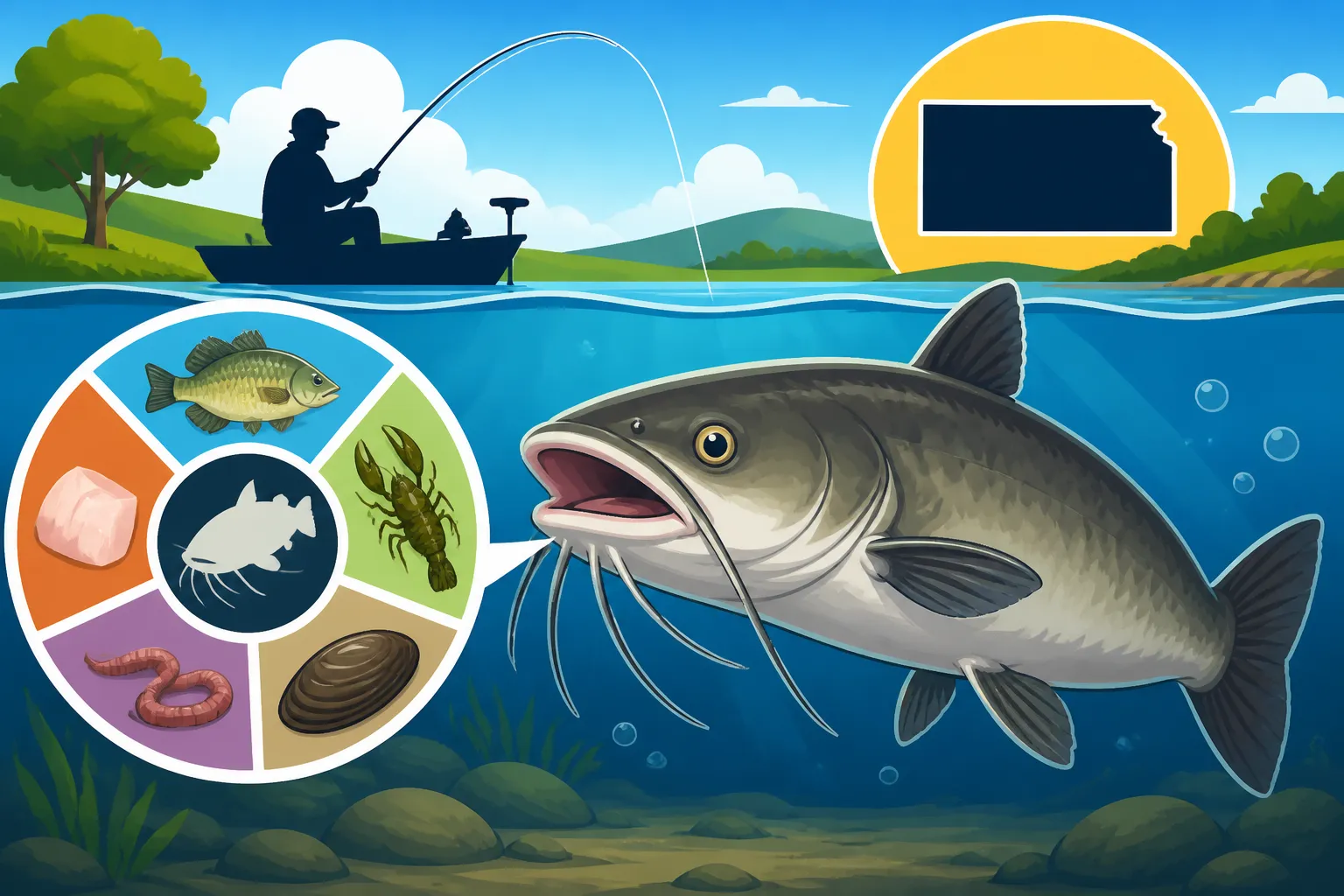
What Channel Catfish Eat Lakes
If you've ever found yourself staring at a Kansas lake, wondering why the channel catfish aren't biting, the answer often lies in understanding their dinner menu. It's incredibly frustrating to spend hours on the water without a nibble, but mastering what channel catfish eat in lakes is a game-changer for any angler. This guide is going to peel back the layers on their dietary habits, giving you the insider knowledge to consistently land more fish.
The Opportunistic Eater: Channel Catfish Diet Basics in Lakes
Channel catfish are renowned for being incredibly adaptable, and their diet is no exception. They're not picky eaters; instead, they're opportunists, meaning they'll consume whatever is readily available and offers a good nutritional return. This adaptability is precisely why they thrive in such a wide range of Kansas waterways, from our massive reservoirs to smaller community ponds. Understanding this fundamental aspect of their feeding behavior is your first step to consistent success.
A Diverse Palate: What They Naturally Consume
In the wild, a channel catfish's stomach contents can look like a veritable buffet. They'll readily consume a vast array of items, much of it dependent on the specific ecosystem they inhabit. Their diet often includes aquatic insects and their larvae, such as mayflies, caddisflies, and dragonfly nymphs. These tiny morsels are a staple, especially for younger catfish. As they grow, their diet expands to include small crustaceans like crayfish and freshwater shrimp, which are packed with protein and often found lurking in rocky or vegetated areas of the lake.
Beyond the invertebrates, channel catfish are also significant predators of smaller fish. They'll actively hunt down shad, minnows, sunfish, and even juvenile carp. This predatory aspect of their diet shouldn't be overlooked, as it often dictates the most effective lures and baits. Interestingly, they're also not above scavenging; decaying organic matter, detritus, and even some plant materials can make up a portion of their intake, especially when other food sources are scarce. This scavenging behavior highlights their keen sense of smell, which they use to locate food in murky waters where sight is limited.
Seasonal Shifts and Habitat Influence
A channel catfish's diet isn't static; it's a dynamic reflection of the changing seasons and their immediate environment. In the warmer months, when their metabolism is high and food is abundant, they are often more aggressive feeders, willing to chase down active prey. This is when insects are hatching, baitfish are schooling, and crayfish are molting, providing an easy meal. As the water cools in the fall, their feeding might slow down, but they'll still be looking for high-calorie meals to build up reserves for winter.
The specific habitat within a lake also plays a huge role. In shallow, weedy coves, they might primarily feast on aquatic insects, small frogs, and minnows hiding in vegetation. Out in the deeper, open water sections of a large reservoir like Milford Lake, they might key in on schools of shad or other pelagic baitfish. Near the mouth of a river feeding into a lake, increased current can bring a steady stream of aquatic organisms, making these areas prime feeding grounds. Recognizing these environmental cues helps you anticipate what a catfish might be targeting at any given time, allowing you to present the most appealing meal.
Common Baits That Mimic Natural Prey and Attract Channel Catfish
Given their opportunistic nature, it's no surprise that a wide variety of baits can tempt channel catfish. The trick is often to offer something that either mimics a natural food source or appeals directly to their highly developed sense of smell. Anglers in Kansas have a diverse toolkit of baits at their disposal, each with its own advantages depending on the conditions and the specific lake you're fishing.
Live and Cut Baits: Matching the Hatch (or Close Enough)
When it comes to fooling a channel catfish, nothing beats the real thing. Live and cut baits are incredibly effective because they either perfectly replicate or closely mimic natural prey. Earthworms, especially plump nightcrawlers, are a classic choice. They provide natural movement and an earthy scent that catfish find irresistible, making them perfect for many Kansas lakes. Minnows, shiners, or small sunfish, when fished live, provide erratic movement that mimics struggling baitfish, triggering a strong predatory response. For those larger, hungrier channel cats, cut bait is often the king. Pieces of shad, carp, or even other panfish release a powerful scent trail that can draw catfish in from a considerable distance. This is particularly effective in murky water where visibility is low, as the scent acts as a beacon.
Preparing your cut bait correctly can also make a huge difference. Fresh cut bait is usually best, as it retains more blood and oils to create that potent scent cloud. When targeting big channel cats, don't be afraid to use larger chunks of bait. You can often find a good selection of live and cut baits at local bait shops, or even online through retailers like Amazon if you're looking for specialized options for preparation. Remember, the goal is to make it as easy as possible for a catfish to find and eat your offering. If you want to dive deeper into the best choices, check out our guide on Best Live Bait for Kansas Channel Catfish.
Prepared and Scented Baits: Leveraging Their Sense of Smell
While live bait excels at mimicking prey, prepared and scented baits are designed to exploit a channel catfish's incredible olfactory sense. Catfish have chemoreceptors all over their bodies, allowing them to detect even minute traces of scent in the water. This is where stink baits, punch baits, and various commercial dough baits come into their own. Stink baits, as their name suggests, emit powerful odors often formulated from fermented ingredients, animal by-products, or strong cheeses. These baits are particularly effective in stained or muddy water where visual cues are irrelevant, allowing the scent to do all the work.
Punch baits are a type of highly adhesive, often fiber-reinforced bait that can be "punched" onto a treble hook, allowing it to stay on through casts and nibbles while slowly releasing its potent aroma. Cheese baits, whether commercial or homemade, also leverage strong smells to attract catfish. The key with all these prepared baits is consistency and scent dispersion. Many anglers will load up a sponge or a specialized bait holder with these pungent offerings. When using these, ensure your hook is well covered but still exposed enough for a solid hookset. You can find a huge variety of these specialized catfish baits on Amazon, offering convenience and a wide selection to experiment with. Learning How to Fish Stink Bait for Catfish can drastically improve your catch rates, especially on tough days.
Factors Influencing Channel Catfish Feeding Habits in Lakes
Catching channel catfish consistently isn't just about throwing out the right bait; it's also about understanding the environmental factors that dictate when and where they're most likely to feed. These variables can shift their activity levels and preferred locations within a lake, making a significant impact on your fishing success. Paying attention to these subtle cues can turn a slow day into a productive one.
Water Conditions: Temperature, Clarity, and Oxygen
Water temperature is arguably one of the most critical factors influencing catfish feeding. Like all cold-blooded fish, their metabolism is directly tied to the water temperature. In spring and early summer, as water temperatures rise into the 70s, catfish become highly active and feed aggressively. Their digestion speeds up, requiring them to eat more frequently. Conversely, in colder winter months, their metabolism slows dramatically, and they feed much less frequently, often holding in deeper, more stable water.
Water clarity also dictates their feeding strategy. In clear lakes, catfish might rely more on sight and ambush tactics, making live bait or subtle presentations more effective. However, in turbid or muddy water, their phenomenal sense of smell becomes paramount. This is where potent stink baits and strong-smelling cut baits truly shine, allowing them to home in on food they can't see. Oxygen levels, while often overlooked by casual anglers, are crucial too. Catfish, especially larger ones, need well-oxygenated water to thrive. Areas with good current, deeper pockets near aerators (in some community lakes), or inflow from rivers typically offer higher oxygen levels and can attract more active fish.
Time of Day and Year: When Catfish Are Most Active
While you can catch channel catfish at any time, they definitely have preferred feeding windows. Generally, channel catfish are most active during low-light conditions. This means early morning (dawn), late evening (dusk), and throughout the night are often prime times. Their superior sense of smell and barbels (whiskers) give them a distinct advantage over most prey fish in the dark. Many seasoned anglers will tell you that the biggest channel cats are often caught after the sun goes down, especially during the warmer months when the water surface cools slightly and activity picks up. If you're looking to target these nocturnal hunters, our Kansas Night Fishing Guide offers some excellent strategies.
Seasonally, their activity peaks during the late spring and early summer, particularly during the pre-spawn and post-spawn periods. Before spawning, they feed heavily to build up energy reserves. After the spawn, they are often ravenous as they recover from the energy-intensive process. As the year progresses into fall, they will feed to prepare for winter dormancy. Understanding these seasonal and daily patterns is key to being in the right place at the right time. For more general timing, consult Best Time of Year for Catfish.
Lake Structure and Cover: Where to Find Their Food
Channel catfish are often found relating to specific structures and cover within a lake, as these areas provide ambush points, shelter, and often concentrate their food sources. Look for subtle changes in depth, such as ledges, humps, or drop-offs, where baitfish often congregate. Submerged timber, brush piles, and rock piles offer excellent cover for both catfish and their prey. These underwater features provide a sense of security for catfish, allowing them to ambush unsuspecting meals.
In larger Kansas reservoirs, the main lake points that extend into deeper water, especially those with some rock or gravel, can be fantastic spots. River channels that wind through the lake basin also act as highways for fish and funnel food, making their edges prime locations. Even smaller details like riprap along causeways or bridge pilings can hold significant numbers of channel catfish, as these areas often attract baitfish and provide hiding spots. Don't overlook the inflow areas of creeks or rivers, as these currents can bring in a constant supply of food, attracting hungry cats.
Popular Channel Catfish Baits and Why They Work
Knowing which baits to use can make all the difference. Here’s a quick overview of some top contenders for channel catfish in Kansas lakes and why they're so effective.
| Bait Type | Why It Works | Best Conditions | General Rigging Advice |
|---|---|---|---|
| Nightcrawlers | Natural movement, earthy scent, universally appealing to many fish, including catfish. | Versatile; good in clear to moderately stained water. | Wacky rig, threaded on a hook, or multiple worms on a large hook. |
| Cut Shad/Carp | Powerful scent trail (blood/oils), mimics dead or injured baitfish, high-calorie meal. | Stained/muddy water, deep water, night fishing. | Large chunk on a circle hook with a slip sinker. |
| Chicken Livers | Strong, distinct scent, soft texture that disperses smell, very messy but effective. | Stained water, warmer temps, still water. | On a treble hook or bait holder; can be tied with thread. |
| Stink Baits | Extremely pungent aroma, designed specifically to attract catfish over long distances via smell. | Murky/muddy water, low visibility, slow current. | Sponge, specialized dip worm, or treble hook with bait holder. |
| Minnows (Live) | Erratic movement, natural prey, attracts predatory strikes, good visual appeal. | Clear to moderately stained water, active fish. | Hooked through the lip or back, under a bobber or free-lined. |
| Dough Baits | Scented and flavored, often cheese-based, designed to slowly dissolve and release attractants. | Calm water, clear to slightly stained, can be homemade. | Molded around a hook, often with cotton for adhesion. |
Advanced Tips for Anglers: Beyond the Basic Bait
While knowing what channel catfish eat is paramount, applying that knowledge effectively requires a bit more finesse. Beyond simply selecting the right bait, how you present it and how you locate the fish can dramatically increase your chances of success. These advanced tips are designed to help you think like a seasoned angler and maximize your time on the water.
Presentation is Key: How to Rig Your Bait Effectively
Even the best bait won't work if it's not presented naturally or in a way that allows the catfish to find and take it easily. For channel catfish in lakes, the slip sinker rig (often called a Carolina rig) is a perennial favorite. This rig allows your line to slide freely through the sinker, meaning a catfish can pick up the bait and move off without feeling the resistance of the weight. This is especially effective for shy or finicky fish, or when using larger baits that require a solid hookset. You can find detailed instructions on How to Rig Cut Bait for Catfish, but the principle remains the same: a weight, a swivel, a leader, and then your hook.
Another effective presentation, particularly in areas with current or when drifting, is a three-way swivel rig. This allows you to have a sinker dropping straight down and your bait trailing slightly off to the side, covering more water and preventing tangles. For bank fishing, a simple bottom rig with a weight at the bottom and one or two baited hooks above it can be very effective, especially if you're casting into an area with a clear, snag-free bottom. Always match your hook size to your bait and target fish. For strong channel catfish, a sharp, strong circle hook is often recommended, as it tends to hook the fish in the corner of the mouth, making for easier release if desired and reducing gut hooks.
Understanding Fish Finders and Locating Food Sources
Modern fish finders are invaluable tools for serious catfish anglers, even if catfish aren't always directly visible on the screen. While you might not always see distinct catfish arches, a good fish finder will help you locate the food sources that attract them. Look for large schools of baitfish, which appear as dense clouds or balls on your sonar screen. Where there's bait, there's a good chance predatory fish like channel catfish won't be far behind.
Beyond baitfish, your fish finder can help you pinpoint critical lake structures that hold catfish. Identifying ledges, submerged humps, old creek channels, and brush piles allows you to present your bait precisely where catfish are likely to be lurking. Pay attention to changes in bottom composition indicated on your screen, as hard bottom areas (rock, gravel) often hold different aquatic life than soft bottom (mud, silt), and catfish will frequent both depending on their feeding patterns. Learning How to Use a Fish Finder on a Kansas Lake can provide a huge advantage, letting you quickly eliminate unproductive water and focus your efforts where fish are actively feeding. This technology, combined with a keen understanding of their diet, transforms fishing from a guessing game into a strategic pursuit. Many excellent fish finders are available on Amazon, ranging from basic models perfect for small boats to advanced units for serious anglers.
Disclaimer
This article is for general informational purposes only and does not constitute professional advice. Laws, prices and regulations vary by location and change over time. Consult a qualified professional for guidance on your specific situation.