Best Anchor Rope Length for Lakes
There’s nothing quite as frustrating as finally finding that perfect fishing spot on a serene Kansas lake, dropping anchor, and then slowly realizing your boat is still drifting. Or worse, the wind picks up, and suddenly you’re scrambling to reset your anchor because you’re not holding firm. It's a common dilemma, and often, the culprit isn't your anchor itself, but the length of rope you've deployed. This guide will walk you through everything you need to know about determining the best anchor rope length for optimal holding power on Kansas lakes, ensuring you stay put and enjoy your time on the water.
Why Anchor Rope Length (Scope) Matters in Kansas Lakes
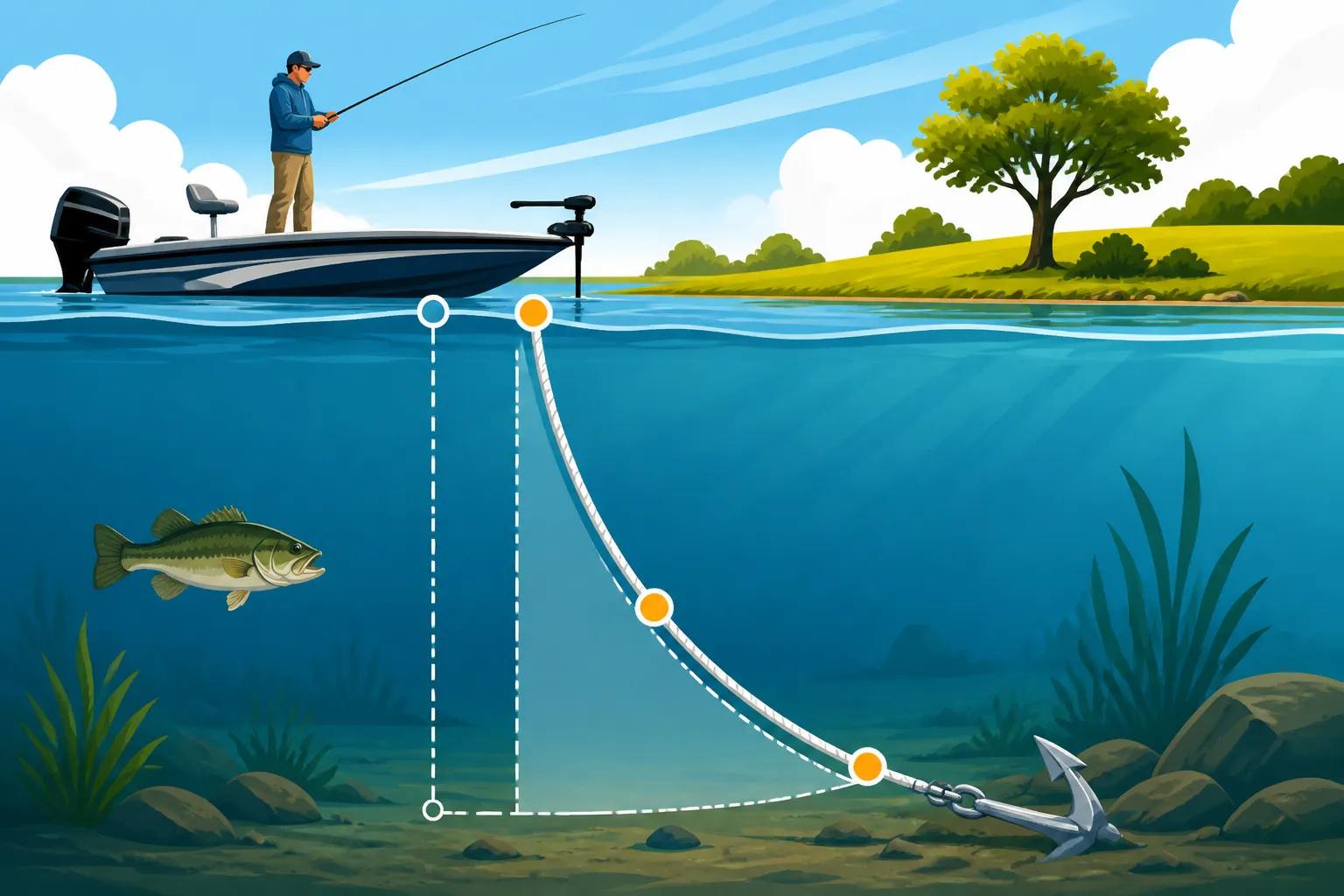
When we talk about anchor rope length in relation to anchoring, what we're really discussing is "scope." Scope refers to the ratio of the length of your anchor line that's deployed to the vertical distance from your boat's bow to the anchor on the bottom. This isn't just a technical term; it's the fundamental principle behind a successful anchor set, especially when dealing with the diverse conditions of Kansas's many reservoirs and state fishing lakes. Getting your scope right is absolutely crucial for both safety and effectiveness.
Safety First: Preventing Drifting and Collisions
Imagine you're out on Milford Lake, perhaps the Milford Lake Fishing Guide has you targeting walleye near the dam, and a strong gust of wind comes out of nowhere. If your anchor line isn't long enough – if your scope is too short – your anchor isn't going to dig in properly. Instead, it might just drag across the bottom, leaving you at the mercy of the wind and waves. This isn't just inconvenient; it can be downright dangerous.
Drifting unexpectedly can put you in precarious situations, like too close to submerged hazards, other boats, or even into navigation channels. On busy weekends at popular spots like Cheney Reservoir or Wilson Lake, losing control of your boat due to a dragging anchor could lead to collisions with other vessels. A proper scope ensures your anchor is doing its job, providing a secure hold that keeps your boat safely in place, allowing you to focus on the fishing, not on constantly monitoring your position. It’s about peace of mind, knowing your boat isn't going anywhere unless you want it to.
Effective Holding Power: Keeping Your Spot
The primary goal of dropping anchor is to hold your boat in a specific location, whether you're fishing a brush pile for crappie or trying to stay over a submerged humpy for catfish. Achieving maximum holding power isn't about having the heaviest anchor; it's about how that anchor interacts with the lakebed. An anchor is designed to dig horizontally into the bottom, not to be pulled vertically.
When your anchor line is deployed with sufficient scope, it creates a shallow angle between the line and the lakebed. This low angle allows the anchor to lie flat and dig in, burying itself into the mud, sand, or gravel, and creating maximum resistance. If the line is too short, the angle becomes steeper, causing the anchor to lift off the bottom or "plow" rather than dig in, drastically reducing its effectiveness. It's like trying to pull a nail out of wood straight up versus pulling it at an angle; the angle provides leverage and makes it easier for the anchor to set and hold.
Protecting Your Anchor and the Lakebed
Using the correct anchor rope length also has benefits for your equipment and the environment. When an anchor drags due to insufficient scope, it grinds over the bottom, potentially damaging its flukes or shank, especially if it encounters rocks or hard spots. Constant dragging can wear down your anchor, reducing its lifespan and requiring premature replacement.
Furthermore, a dragging anchor can disturb the lakebed. While it might not seem like a big deal, on sensitive fishing grounds or areas with aquatic vegetation crucial for fish habitat, a constantly dragging anchor can cause unnecessary disruption. By deploying enough scope, you allow your anchor to set quickly and firmly, minimizing dragging and protecting both your gear investment and the underwater environment. It’s a win-win for everyone, including the fish you're trying to catch.
Understanding the "Rule of Thumb" for Scope
When you're out on the water, you don't always have time for complex calculations. That's why experienced anglers and boaters often rely on a "rule of thumb" for anchor scope. This general guideline provides a quick and effective way to estimate the right amount of line to deploy, balancing practicality with optimal holding power. While it's a great starting point, remember that it's a guideline, not a strict law, and can be adjusted based on the specific conditions of your chosen Kansas fishing spot.
The 7:1 Ratio for Optimal Holding
The most widely accepted "rule of thumb" for anchor scope is a 7:1 ratio. This means for every one foot of vertical distance from your bow to the lakebed (depth + freeboard), you should deploy seven feet of anchor line. For example, if you're anchored in 10 feet of water and your boat's bow is 3 feet above the water (freeboard), your total vertical distance is 13 feet. Multiplying 13 by 7 gives you 91 feet of anchor line to deploy. This ratio provides a very shallow angle to the bottom, allowing your anchor to dig deep and hold securely in most conditions.
This 7:1 ratio is considered optimal because it minimizes the upward pull on the anchor, ensuring it stays buried. Think about the physics: the more horizontal the pull, the more force is exerted into digging the anchor deeper, rather than lifting it. This is especially critical on Kansas's larger reservoirs like Tuttle Creek Lake or El Dorado Lake, where strong winds can pick up quickly and put significant strain on your anchor. Aiming for this 7:1 ratio, when conditions allow, will give you the best chance of staying firmly anchored.
Adjusting for Different Conditions
While 7:1 is ideal, it's not always practical or necessary. Sometimes, lake conditions are calm, and space is limited. Other times, a storm might be brewing, and you need extra security. This is where adjusting your scope ratio comes in handy.
- 5:1 Ratio (Minimum for Calm Conditions): In very calm waters with no wind or current, and on a good holding bottom (like soft mud or sand), you can often get away with a 5:1 ratio. This means 5 feet of line for every 1 foot of vertical distance. It's a compromise when space is tight or you just need a temporary hold. However, be aware that any sudden changes in weather or boat movement can cause your anchor to drag at this ratio. It's a common choice in smaller, protected coves or state fishing lakes where conditions are usually more benign.
- 10:1 Ratio (Maximum for Extreme Conditions): When facing rough conditions like strong winds, heavy chop, or strong currents (perhaps near a river channel entrance on the Kansas River), or if you're anchoring on a poor holding bottom (like rock or hard clay), increasing your scope to 10:1 is a smart move. This significantly increases the horizontal pull, ensuring your anchor has every opportunity to set and hold. While deploying this much line might take up more space and require more effort, it's a small price to pay for safety and peace of mind during inclement weather.
Calculating Your Minimum Rope Length
To simplify things, you need two pieces of information: the water depth at your chosen spot and your boat's freeboard (the distance from the waterline to where your anchor line attaches at the bow). Add these two together to get your total vertical distance. Then, apply your desired scope ratio.
For instance, if you're fishing in a spot that's 15 feet deep, and your boat's bow sits 4 feet above the water:
Total Vertical Distance = 15 feet (depth) + 4 feet (freeboard) = 19 feet.
Now, let's look at the different ratios:
- Minimum (5:1): 19 feet * 5 = 95 feet of line
- Normal (7:1): 19 feet * 7 = 133 feet of line
- Maximum (10:1): 19 feet * 10 = 190 feet of line
Having a good amount of anchor rope on board is always a good idea. Many Kansas anglers will carry at least 150-200 feet of line, even for smaller boats, to be prepared for various depths and conditions. You can find robust anchor lines at places like Bass Pro Shops or explore options online at Amazon that come in various lengths and materials.
Here’s a quick reference table to help visualize these ratios:
| Scope Ratio | Condition | Bottom Type Recommendation | Angle to Bottom (Approx.) | Holding Power | Practical Use Case |
|---|---|---|---|---|---|
| 5:1 | Very Calm | Mud, Sand | Steeper | Moderate | Quick stop, lunch break, very protected coves |
| 7:1 | Normal/Moderate | Mud, Sand, Gravel, Clay | Optimal Shallow | Excellent | Most fishing situations, typical windy days |
| 10:1 | Rough/High Wind | All (especially Poor Hold) | Very Shallow | Maximum | Stormy weather, strong currents, crowded areas |
Factors Influencing Your Ideal Rope Length
While the 7:1 rule is a fantastic starting point, real-world conditions on Kansas lakes are rarely textbook. To truly master anchoring, you need to become adept at reading the environment and adjusting your rope length accordingly. Several critical factors come into play, from the makeup of the lakebed to the whims of the weather. Overlooking these can lead to frustration or, more importantly, an unsafe situation.
Water Depth and Bottom Composition
The most obvious factor is water depth. As discussed, deeper water naturally requires more anchor line to achieve the same scope. This is why having enough line on your boat is essential. Fishing the main lake basin of a reservoir like Clinton Lake, where depths can easily exceed 30 feet, will demand significantly more rope than fishing a shallow cove in a 10-foot deep community lake. Always know the depth of the water you're planning to anchor in, and factor in your boat's freeboard (the height from the waterline to the bow where the anchor attaches).
Equally important is the bottom composition. Different bottom types offer varying levels of holding power for your anchor.
- Soft Mud or Silt: These bottoms can provide excellent holding if your anchor has enough scope to dig deep. However, with insufficient scope, the anchor might just "plow" through the soft material without setting properly. A good, wide-fluke anchor works well here, but the key is plenty of line.
- Sand: Sand generally offers good holding power. Anchors are designed to dig into sand, and a proper scope will ensure they bury themselves effectively.
- Gravel or Small Rocks: These can be good holding grounds, but the anchor needs to bite. With less scope, it might just bounce or drag over the gravel. A proper angle helps the anchor find a purchase among the stones.
- Hard Clay or Packed Earth: These bottoms can be tricky. They can provide a very firm hold if the anchor bites, but if the anchor simply slides on top, it won't set. More scope, leading to a flatter pull, can help the anchor's flukes penetrate the hard surface.
- Rock or Shale: This is perhaps the most challenging bottom type. Anchors can easily get wedged and stuck, or they might just skip along the surface without finding a hold. If you must anchor on a rocky bottom, a heavier anchor and maximum scope (10:1 or more) might be necessary to try and get a fluke to snag something. Many anglers prefer to use a specialized "rock anchor" or simply avoid anchoring in truly rocky areas if possible. Being familiar with the Kansas State Park Fishing Permit Rules might also inform where certain types of bottom exist.
Knowing what type of bottom you're over, perhaps by checking your fish finder's bottom reading or using a sounding lead, can help you decide if you need to increase your scope beyond the standard 7:1.
Wind, Current, and Wave Action
Kansas weather is notoriously unpredictable. A calm morning can quickly turn into a blustery afternoon, and that's when your anchoring system is truly tested.
- Wind: Wind is arguably the biggest enemy of a secure anchor. A strong headwind or crosswind can put immense strain on your anchor line and anchor, trying to drag your boat across the water. The greater the wind speed, the more scope you'll need. If you started with 7:1 on a calm day and the wind picks up to 15-20 mph, bumping up to 8:1 or even 10:1 is a wise decision to prevent dragging. The larger surface area of your boat above the waterline means more wind resistance, making adequate scope even more critical.
- Current: While many Kansas lakes are reservoirs with limited current, river sections (like the Kansas River itself) or areas near dam outlets can have significant flow. Current also puts horizontal pressure on your boat, similar to wind. If you're fishing a river, or a spot where there's noticeable current, you'll need to increase your scope to ensure your anchor holds against the force of the water. The Kansas River Fishing Guide can give you an idea of where current might be a factor.
- Wave Action: Even without strong winds, wave action (from boat wakes or natural chop) can cause your boat to pitch and surge. Each time your boat rises and falls, it puts a jerky, vertical load on your anchor line, which can make the anchor "break out" of the bottom. A longer scope helps absorb these shocks, allowing the anchor line to stretch and flex, maintaining a more consistent horizontal pull on the anchor. This smoother action helps keep the anchor securely buried, preventing it from popping free with each wave.
Always monitor weather conditions and adjust your scope proactively. It's much easier to pay out more line before your anchor starts dragging than to try and reset it in choppy, windy conditions.
Boat Type and Size Considerations
The characteristics of your boat also play a role in determining the ideal anchor rope length. Not all boats are created equal when it comes to anchoring.
- Boat Size and Weight: A larger, heavier boat naturally has more mass and surface area, making it more susceptible to wind and current. This means a larger boat will generally require more anchor line (and a heavier anchor) to achieve the same secure hold as a smaller, lighter vessel in similar conditions. A 20-foot bass boat on El Dorado Lake will need more scope than a 14-foot Jon boat fishing a small pond.
- Boat Design (High vs. Low Profile): Boats with high freeboard, tall cabins, or large T-tops catch more wind than low-profile boats. If your boat acts like a sail, you'll need a longer scope to counteract the increased windage. Think of a pontoon boat versus a low-slung crappie boat; the pontoon will almost certainly need more scope in windy conditions.
- Anchor Type: While this guide focuses on rope length, it’s worth noting that your anchor type works in conjunction with scope. Different anchors are designed for different bottom types. A fluke-style anchor (Danforth) needs plenty of scope to dig into soft bottoms, while a claw or scoop anchor might be more forgiving on a rocky bottom but still benefits greatly from optimal scope. Always make sure your anchor is appropriately sized for your boat and the typical bottom types you encounter on your preferred Kansas lakes. A good Kansas Fishing Gear Guide would cover anchors in detail.
Practical Tips for Managing Anchor Rope on Kansas Lakes
Having the right amount of anchor rope is one thing; effectively deploying, managing, and maintaining it is another. A well-managed anchor system contributes to a safer, more enjoyable fishing experience. These practical tips will help you make the most of your anchor line and keep it in top shape for years of Kansas fishing adventures.
Marking Your Anchor Line for Accuracy
Eyeballing how much anchor line you've deployed is a recipe for disaster. It's incredibly difficult to accurately estimate length, especially when you're focused on fishing or contending with wind. The simplest and most effective solution is to mark your anchor line. This allows you to deploy the precise amount of scope you need every single time.
You can use various methods for marking your line:
- Colored Zip Ties: Use different colored zip ties every 25 or 50 feet. For instance, a single blue tie at 25 feet, two blue ties at 50 feet, three at 75, and so on. You could then switch to a different color (e.g., green) for the next 100 feet. Just be sure to double-wrap them tightly so they don't slide.
- Permanent Marker: Use a marine-grade permanent marker to draw rings or numbers on your rope at regular intervals (e.g., every 10 or 25 feet). Make sure the ink is designed to withstand saltwater and UV, even though we're talking freshwater lakes, it'll hold up better.
- Anchor Line Markers: You can buy pre-made anchor line markers from marine supply stores or online from retailers like Amazon. These are usually small plastic tabs that you weave into the strands of your rope. They are durable and easy to feel, even in low light.
Whatever method you choose, make sure the marks are clear, durable, and easy to interpret, even in challenging conditions. Consistency is key. Always start your measurements from the anchor end of the rope. This way, when you deploy, you can count the marks as the line goes out, hitting your desired scope ratio accurately.
Proper Deployment and Retrieval Techniques
Anchoring is more than just dropping the anchor; it's a strategic process. Proper deployment ensures your anchor sets quickly and securely, while careful retrieval prevents snags and damage.
Deployment:
- Motor Against the Wind/Current: Approach your desired spot by motoring slowly against the prevailing wind or current. This gives you better control and helps lay out your line straight.
- Stop Upwind/Upcurrent: Stop your boat slightly upwind or upcurrent from where you want your anchor to finally set. This allows for the drift back as you deploy the line.
- Lower, Don't Throw: Gently lower your anchor to the bottom. Never "heave" or "throw" the anchor as this can cause the chain and rope to tangle, creating a foul anchor that won't set.
- Pay Out Line Gradually: As your boat drifts backward with the wind/current, gradually pay out your anchor line, using your markings to monitor the length. Continue until you've reached your calculated scope (e.g., 7:1).
- Set the Anchor: Once the desired scope is out, snub the line (attach it securely to a cleat) and allow the boat's momentum to pull against the anchor. This forces the anchor to dig into the bottom. You should feel a solid "thump" or resistance, indicating it has set. You can often feel if your anchor is dragging – it'll be a continuous scraping sensation rather than a solid pull.
- Check the Set: Engage your boat in reverse at a very slow idle, allowing it to pull against the anchor for 30 seconds to a minute. Watch a fixed point on shore or your GPS to ensure you're not moving. This "test" confirms your anchor is holding.
Retrieval:
- Motor Towards the Anchor: Motor slowly towards your anchor, taking up the slack in the line as you go. Try to stay directly over the anchor.
- Pull Vertically: Once you're directly above the anchor, the pull will be vertical, making it easier to break it free from the bottom.
- Clear Debris: As the anchor comes up, quickly inspect it for any weeds, mud, or debris, and clean it off before storing.
- Store Properly: Coil your rope neatly into an anchor locker or bucket. This prevents tangles for your next deployment and protects the rope from UV damage. You might find a good Best Kayak Anchor Trolley Setup if you're a kayak angler, or a dedicated anchor locker on larger boats.
Storage and Maintenance for Longevity
Taking care of your anchor rope and rode (the combination of chain and rope) extends its life and ensures it's always ready when you need it.
- Rinse After Use: After a day on a Kansas lake, especially if you've been in muddy or silty areas, rinse your anchor rope with fresh water. This removes dirt, grit, and any organic matter that can degrade the rope fibers over time. Let it dry thoroughly before storing.
- Inspect Regularly: Before and after each trip, give your anchor rope a quick inspection. Look for any signs of fraying, cuts, nicks, or excessive wear, especially near the anchor where it rubs against the bottom or in areas that pass through chocks or cleats. Pay attention to the splice where the rope attaches to the chain and the thimble if you have one. If you notice significant damage, it might be time to replace that section or the entire rope. Kansas Fishing License Online Renewal reminders can also be good times to do gear checks!
- Protect from UV: Sunlight is a rope's worst enemy. Always store your anchor rope out of direct sunlight when not in use. An anchor locker is ideal, but a covered bucket or bag works well too. Prolonged UV exposure will weaken the rope fibers, leading to premature failure.
- Consider Chain: While this article focuses on rope, most effective anchor rodes include a length of chain (typically 6-10 feet) between the anchor and the rope. The chain serves two critical purposes: it adds weight, helping the anchor lie flat on the bottom, and it protects the first section of rope from abrasion on the lakebed. If you don't already have one, consider adding a properly sized anchor chain to your setup. You can find chain options and splicing kits at places like Bass Pro Shops.
By following these practical tips, you'll not only master the art of anchoring on Kansas lakes but also ensure your gear remains reliable, keeping you safe and secure for many fishing seasons to come.
Disclaimer
This article is for general informational purposes only and does not constitute professional advice. Laws, prices and regulations vary by location and change over time. Consult a qualified professional for guidance on your specific situation.