Kansas Bowfishing Regulations
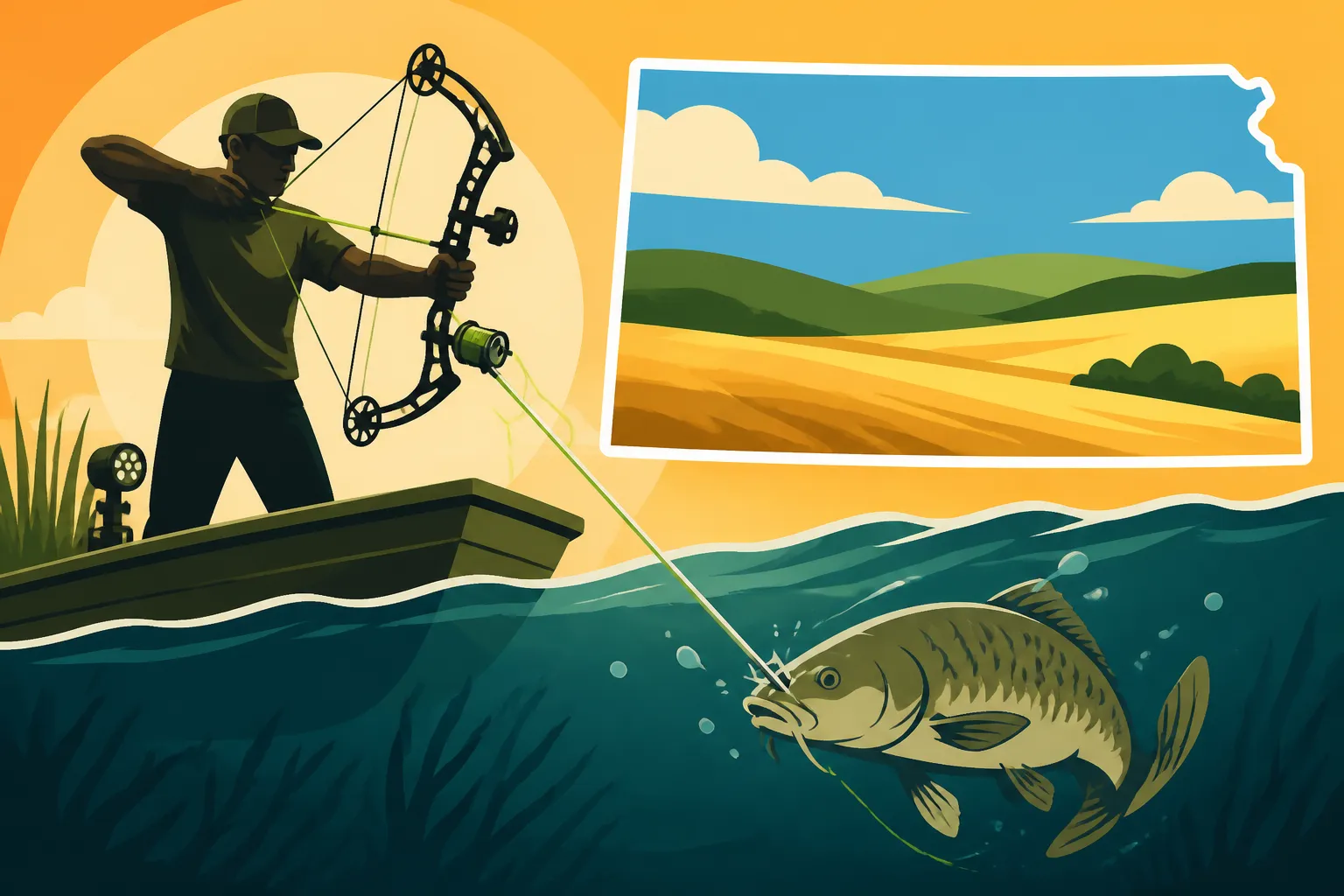
There’s nothing quite like the thrill of bowfishing in Kansas, especially when you connect with a powerful carp or a wily gar under the cover of darkness. But let's be honest, figuring out all the rules and regulations can feel like trying to hit a moving target in murky water. Many anglers get tripped up by license requirements, what fish they can actually shoot, or even where they're allowed to go. This comprehensive guide is here to clear the waters, detailing every essential Kansas bowfishing regulation, ensuring you're fully prepared for a successful and legal outing.
Understanding Your Kansas Bowfishing License Requirements
Before you even think about stringing an arrow, you need to make sure your legal ducks are in a row. Just like any other form of fishing, bowfishing in Kansas requires you to hold a valid license, and there are a few nuances to consider depending on who you are and where you plan to cast (or shoot!) your line. Don't let a simple oversight ruin a potentially great day on the water.
Standard Fishing License is Your First Step
The absolute foundational requirement for anyone aged 16 or older who wants to bowfish in Kansas is a valid Kansas fishing license. This isn't a separate "bowfishing permit" you have to track down; it's the same general fishing license that hook-and-line anglers carry. If you're a Kansas resident, you'll be looking at the resident annual license, which is a fairly straightforward purchase. Nonresidents, on the other hand, will need to secure a Kansas Nonresident Fishing License Guide, which might come with different duration options like a one-day or five-day license, perfect for those visiting for a short trip. It’s always best to check the current rates and options before you head out, and remember that youths under 16 generally don't need a license, making it a fantastic opportunity to introduce the younger generation to the sport. However, for those 16 and older, skipping this step can lead to hefty fines, as outlined in the Kansas Fishing Law Enforcement and Penalties.
The Kansas Department of Wildlife and Parks (KDWP) makes it pretty easy to acquire your license, whether you prefer to do it online, through a licensed vendor, or by visiting a KDWP office. Many anglers find it convenient to renew their licenses right from their phone or computer, so there’s really no excuse to be without one. Always carry your license with you, either physically or digitally, as game wardens are diligent in ensuring everyone is compliant.
Special Permits and Considerations for Bowfishing
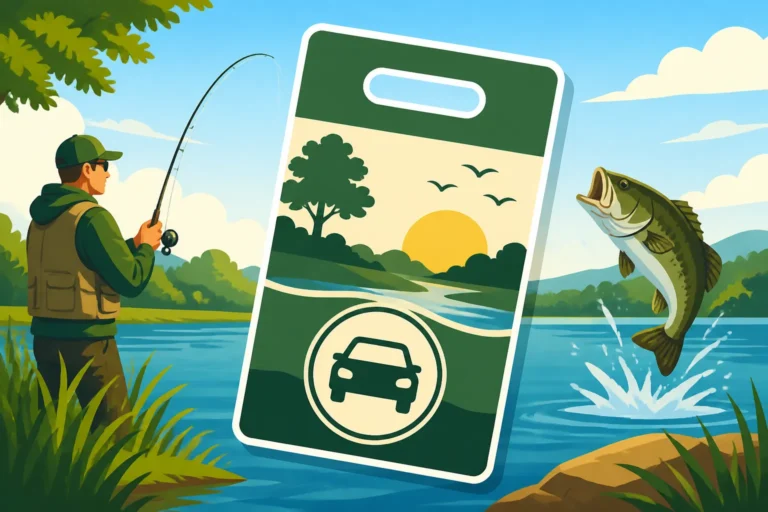
While a standard fishing license covers most bowfishing activities, it’s crucial to be aware that some specific locations or special circumstances might require additional permits. For example, if you plan to bowfish within certain Kansas State Parks, you might also need a state park vehicle permit in addition to your fishing license. These permits are typically for vehicle entry into the park, but it's an extra consideration to budget for and acquire. It’s not a direct "bowfishing permit," but it's an access permit that allows you to legally be in the area to fish.
Another area where confusion sometimes arises is around specific water bodies, such as certain Community Fishing Lakes. While many of these are great spots for conventional angling, some might have very specific rules or even restrictions on bowfishing due to their smaller size, high angler traffic, or management goals. Always consult the KDWP regulations for the specific lake or river you intend to visit. There are generally no additional permits required solely for the act of bowfishing itself beyond your standard fishing license and any necessary access permits for the location. However, it's always worth a quick check on the Kansas Fishing Regulations Explained to ensure there haven't been any recent changes that could impact your plans. Ignorance of the law is never an excuse, and a quick check can save you a lot of hassle.
Legal Fish Species for Bowfishing in Kansas
One of the most critical aspects of Kansas bowfishing regulations is understanding what you can actually shoot. Unlike hook-and-line fishing, where a wide array of game fish are fair game (within limits), bowfishing is almost exclusively geared toward controlling populations of what are often referred to as "rough fish" or "non-game species." This distinction is not just a preference; it's a legal mandate with serious consequences for violations.
Targeting Non-Game Fish: The Primary Focus
In Kansas, bowfishing is primarily a tool for managing and harvesting non-game fish. These species are often abundant, reproduce quickly, and can sometimes negatively impact water quality or compete with more desirable game fish for resources. The most common and legal species you can target with a bow and arrow include:
- Common Carp: These are perhaps the most popular bowfishing target due to their large size, abundance, and fighting spirit. They are often found in shallow, warm waters.
- Grass Carp: Another common carp species, often targeted for their large size and tendency to graze on aquatic vegetation.
- Bighead Carp & Silver Carp: These invasive species are a significant concern in many Kansas waterways. They are prolific breeders and can disrupt aquatic ecosystems. Targeting them through bowfishing is often encouraged.
- Drum (Freshwater Drum): Also known as "sheepshead," these are common bottom-feeders and a legal bowfishing target.
- Gar Species: This includes Longnose Gar, Shortnose Gar, and Spotted Gar. These prehistoric-looking fish are a thrilling challenge for bowfishermen, known for their tough scales and powerful runs.
- Buffalo Species: Bigmouth, Smallmouth, and Black Buffalo are large, bottom-feeding fish that are excellent targets.
- Carpsuckers & Suckers: Various species of suckers and carpsuckers are also fair game.
- Gizzard Shad: While smaller, large schools of shad can sometimes be targeted.
These species are typically found in many of the Best Fishing Lakes in Kansas, as well as the larger rivers like the Kansas River. There are generally no daily bag limits or length restrictions on these non-game species when taken by bowfishing, which means you can harvest as many as you legally can, provided you adhere to proper disposal guidelines. The beauty of targeting these fish is that you're often contributing to the health of the ecosystem by reducing pressure on game fish populations.
Restrictions on Game Fish and Protected Species
This is where many anglers, especially those new to bowfishing, can make a costly mistake. It is absolutely critical to understand that game fish are generally NOT legal for bowfishing in Kansas. This includes beloved species like:
- Walleye (even if you're practicing catch and release for Kansas Walleye Length Limits)
- Largemouth Bass, Smallmouth Bass, Spotted Bass
- Crappie (White Crappie and Black Crappie, which have specific Kansas Crappie Length and Bag Limits)
- Channel Catfish, Blue Catfish, Flathead Catfish (all of which have specific Kansas Catfish Daily Limits)
- Trout (Rainbow Trout, Golden Rainbow Trout, especially during the Kansas Trout Permit Guide season)
- Wipers and Striped Bass
Attempting to take game fish with bowfishing equipment is a serious violation and can result in significant fines, loss of equipment, and revocation of your fishing privileges. The KDWP regulations are very clear on this distinction. The intent of bowfishing is not to harvest game fish, which are managed differently to maintain healthy sport fisheries.
Furthermore, there are certain protected or threatened fish species in Kansas that are strictly off-limits to any form of harvest, including bowfishing. While these are less likely to be encountered by the average angler, it's another reason to be familiar with the various Kansas Fish Species Guide. Always identify your target clearly before releasing an arrow. If there's any doubt about the species, do not shoot. It's a fundamental ethical and legal principle in bowfishing.
Permitted Equipment and Methods for Bowfishing
The specialized nature of bowfishing means that specific equipment is used, and naturally, there are regulations governing what you can and cannot use. These rules are in place to ensure fair chase, safety, and to prevent undue harm to non-target species or the environment. It's not just about having a bow; it's about having the right bow and the right accessories, properly set up.
Bow and Arrow Specifications
The core of your bowfishing setup is, of course, the bow and arrow. In Kansas, both compound bows, recurve bows, and longbows are legal for bowfishing. Even crossbows are permitted, offering a different style of shooting for those who prefer them. The crucial distinction for bowfishing arrows is that they must be equipped with a barbed point to effectively hold the fish once it's struck. Unlike hunting arrows, these barbs flare out to prevent the arrow from pulling back out of the fish.
Perhaps the most critical regulation regarding the arrow is that it must be attached by a line to the bow or to a special reel mounted on the bow. This ensures that once you shoot, you can retrieve both your arrow and the fish. Imagine losing an arrow and a fish in the depths of Milford Lake – not only is it a waste, but an unretrieved arrow can become a hazard. Furthermore, the use of explosive, poisonous, or otherwise stupefying arrowheads is strictly prohibited. This is a common-sense rule to prevent harm to water bodies and to maintain ethical angling practices. When you're looking for new gear, many reputable brands offer excellent bowfishing-specific arrows and line, often available through retailers like Amazon, ensuring you're compliant with Kansas regulations right from the start.
Regarding reels, the two most common types are retriever reels (bottle reels) and spincast reels. Retriever reels are simple, large-capacity reels that manually retrieve the line, while spincast reels are essentially modified fishing reels that allow for quicker retrieval and easier shooting for some. Both are perfectly legal, so your choice comes down to personal preference and shooting style.
Lights, Boats, and Other Accessories
Bowfishing often happens at night, which means lights are an integral part of the experience. The good news is that the use of artificial lights for bowfishing is perfectly legal in Kansas. In fact, powerful lights are essential for spotting fish in murky or deep waters after dark. Many bowfishermen outfit their boats with elaborate lighting systems, including LED strips, floodlights, and even underwater lights, to create optimal visibility. Just be mindful of other boaters and anglers on the water and avoid shining bright lights directly into their eyes.
When it comes to boats, Kansas regulations are fairly standard. You can use any legal watercraft for bowfishing, from small Jon boats to larger, specially outfitted bowfishing rigs. Remember that if you're using a motorized boat, you'll need to adhere to Kansas Boat Registration for Anglers rules. There are no specific restrictions on motor size for bowfishing, but general boating safety rules, such as having enough life jackets for everyone on board and proper navigation lights for night operation, always apply. For those who prefer a more stealthy approach, kayak fishing for bowfishing targets is also becoming increasingly popular, though you'll need a stable kayak to manage a bow and arrow. You can find excellent waterproof lights and mounting hardware for your boat or kayak on platforms like Amazon to enhance your night bowfishing experience.
What you cannot use are any chemical substances, explosives, or stupefying drugs to attract, stun, or kill fish. This is a broad prohibition that applies to all forms of fishing and is designed to protect the aquatic environment and ensure fair chase. Electronic devices designed to stun or attract fish are also generally prohibited, keeping the challenge in the sport.
Where and When You Can Bowfish in Kansas
Knowing what you can shoot and with what gear is only half the battle; you also need to know where and when you can legally participate in the sport. Kansas offers a vast array of public waters, but not all of them are suitable or permissible for bowfishing, and specific rules can vary by location.
Public Waters and Access Points
Kansas boasts an impressive network of public waters, including numerous reservoirs, state fishing lakes, and rivers, many of which are open to bowfishing. Popular reservoirs like Milford Lake, Cheney Reservoir, and Wilson Lake are prime locations, offering ample space and abundant populations of carp and gar. The Kansas River itself, particularly stretches with good access, can also be productive for various rough fish species. Before heading out, it's always a good idea to check out the Kansas River Fishing Guide or the Kansas State Fishing Lakes Guide for potential access points and general regulations.
However, it's crucial to be aware of areas where bowfishing might be prohibited or restricted. These often include:
- Designated swimming beaches or public use areas: For obvious safety reasons, shooting arrows in areas frequented by swimmers, picnickers, or other recreational users is generally not allowed.
- Within a certain distance of dams or spillways: Safety zones around hydroelectric dams or overflow spillways are often restricted areas for all forms of fishing, including bowfishing, due to dangerous currents and underwater structures.
- Specific park regulations: Some state parks or wildlife areas might have unique rules for certain sections of their waters. Always check signage or the KDWP website for the specific location you plan to visit.
- Private property: You absolutely must respect private property boundaries. Ensure you have legal access to the water, whether it's through a public boat ramp or an agreement with a private landowner. Fishing Rules for Private Ponds in Kansas can sometimes differ, but for bowfishing, public access is usually the easier route.
It's common for frustrations to arise when you arrive at a promising spot only to find "No Bowfishing" signs. A little research beforehand can prevent a wasted trip and keep you on the right side of the law.
Seasonal Regulations and Time of Day
One of the great advantages of bowfishing for non-game fish in Kansas is that there are generally no closed seasons. This means you can pursue carp, gar, and other rough fish year-round, whenever conditions are favorable and you're feeling adventurous. This contrasts sharply with many game fish species, which often have specific Kansas Fishing Seasons and Limits. The continuous open season for bowfishing reflects its purpose in managing abundant species rather than conserving them for specific spawning periods.
Regarding the time of day, bowfishing is often a nocturnal pursuit. Night bowfishing is not only legal but extremely popular in Kansas. The cover of darkness often brings large carp and gar into shallower waters, making them more accessible targets under the beam of powerful lights. This is a huge draw for many anglers who enjoy the unique challenge and cooler temperatures that night fishing offers. Just remember your boating safety and navigation lights if you're out after dark.
While statewide regulations are generally permissive, always be on the lookout for specific local rules. For instance, some smaller community lakes might have different hours of operation for the park itself, which could indirectly affect when you can launch a boat or access the water for bowfishing. A quick check of the Kansas Community Fishing Lake Rules will typically clarify any such local variations. Generally, however, you can plan your bowfishing adventures almost any day, any time, as long as you're targeting legal species in an approved location.
Responsible Bowfishing Practices and Ethics
Bowfishing, like all outdoor pursuits, comes with a responsibility to the environment, the resource, and fellow recreationists. While the thrill of the chase is undeniable, it's crucial to practice ethical and responsible habits to ensure the sport remains sustainable and enjoyable for everyone. Ignoring these principles not only gives bowfishing a bad name but can also lead to direct environmental harm.
Handling Your Catch and Waste Management
One of the most important ethical considerations in bowfishing is what you do with your catch. Unlike hook-and-line fishing where catch and release is common for many game fish, bowfished non-game species, once shot, are almost always harvested. This means you must have a plan for responsible disposal. Wasting fish is strictly prohibited in Kansas. You cannot simply leave dead fish on the bank to rot, as this pollutes the area, creates unpleasant odors, and attracts unwanted scavengers.
So, what are your options?
- Consumption: While many non-game fish like carp or buffalo aren't traditionally sought after for their meat in the US, they can be quite edible when prepared correctly. Researching recipes for Asian or European culinary traditions can open up new possibilities.
- Gardening/Fertilizer: Fish make excellent fertilizer for gardens. Many gardeners actively seek out bowfished carp for composting or directly burying in their gardens, returning nutrients to the soil.
- Animal Feed: Some operations might accept whole fish for animal feed, though this is less common for individual anglers.
- Proper Disposal: If you don't plan to use the fish, they must be properly disposed of in designated waste receptacles or, if local regulations allow, taken to a landfill. Always ensure they are entirely removed from the immediate vicinity of the waterbody and out of sight.
Always err on the side of caution and responsibility. Leave the shoreline cleaner than you found it. Bringing large garbage bags or a designated cooler for your catch is an absolute must.
Safety and Courtesy on the Water
Bowfishing involves powerful equipment and sharp arrows, making safety a paramount concern. Both your personal safety and the safety of others around you should be your top priority.
- Personal Safety: Always be aware of your surroundings. Wear appropriate clothing, including eye protection. Handle arrows carefully, as their barbed points can cause serious injury. Never shoot without a clear target and a clear backdrop, ensuring no one is in your line of fire. Be especially cautious when retrieving arrows from dense vegetation or obstacles.
- Awareness of Other Water Users: Kansas waterways are shared spaces. You'll likely encounter conventional anglers, recreational boaters, kayakers, paddleboarders, and sometimes even swimmers. Always maintain a respectful distance and avoid any actions that could endanger or disturb others. For instance, avoid shining bright lights directly into other boats or casting your arrow near someone who is swimming or fishing with a rod and reel. Courtesy goes a long way in ensuring everyone can enjoy the water.
- Environmental Respect: Beyond proper fish disposal, practice general outdoor ethics. Pack out everything you pack in, including any trash, broken lines, or discarded bait containers. Avoid damaging aquatic vegetation unnecessarily, and be mindful of your boat's wake around other vessels or shorelines. If you're using a kayak for your bowfishing adventures, understanding good etiquette for launching and paddling is key. These small actions contribute to a positive public image for bowfishing and help preserve Kansas's beautiful natural resources for generations to come.
Common Kansas Bowfishing Species and Regulations Overview
To help consolidate some of the key information, here’s a quick overview of legal bowfishing species and general regulations in Kansas. Remember, this is a summary, and consulting the official KDWP Kansas Fishing Regulations Explained is always the best practice.
| Species Group | Legal for Bowfishing? | Typical Regulations (Bag/Length Limits) | Notes |
|---|---|---|---|
| Common Carp | Yes | None (unlimited) | Primary target, abundant in most waters. |
| Grass Carp | Yes | None (unlimited) | Also known as White Amur, often found in vegetated areas. |
| Bighead & Silver Carp | Yes | None (unlimited) | Invasive species, actively encouraged for harvest. Silver carp jump when startled! |
| Freshwater Drum | Yes | None (unlimited) | Bottom feeder, often in deeper channels, good eating for some. |
| Gar Species | Yes | None (unlimited) | Longnose, Shortnose, Spotted Gar. Challenging fight, tough scales. |
| Buffalo Species | Yes | None (unlimited) | Bigmouth, Smallmouth, Black Buffalo. Large, powerful fish. |
| Suckers/Carpsuckers | Yes | None (unlimited) | Various species, often found near bottom. |
| Gizzard Shad | Yes | None (unlimited) | Smaller, typically targeted in large schools. |
| Game Fish | NO | N/A (Illegal for bowfishing) | Walleye, Bass, Crappie, Catfish, Trout, Wipers, etc., are strictly off-limits. |
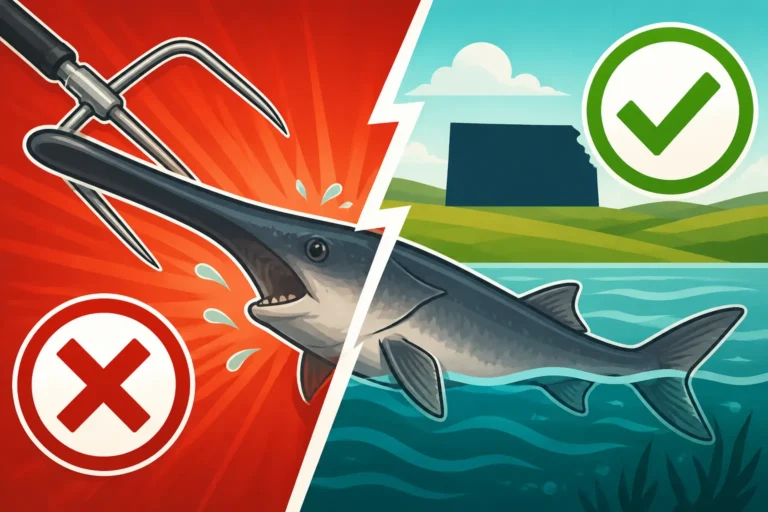
| Paddlefish | NO | N/A (Illegal for bowfishing) | Legal for snagging during specific season, but not bowfishing. Do not confuse methods! |
Remember, your Kansas Fishing License Guide is your entry ticket, and adhering to the specific rules for equipment, locations, and species is non-negotiable. Staying informed and practicing responsible bowfishing ensures this exciting sport continues to thrive in the Sunflower State.
Disclaimer
Please remember that fishing regulations are subject to change. While every effort has been made to provide accurate and up-to-date information, it is your responsibility to consult the official Kansas Department of Wildlife and Parks (KDWP) regulations and local ordinances before engaging in any bowfishing activities. This guide is for informational purposes only and should not be considered a substitute for the official KDWP rulebook.