Kansas Trotline Fishing License Rules
It can be incredibly confusing trying to figure out all the specific rules and regulations that come with fishing in Kansas, especially when you venture beyond the typical rod and reel. Trotline fishing, a time-honored method for targeting some of our state's biggest catfish, has its own unique set of guidelines. This comprehensive guide will walk you through the Kansas trotline fishing license rules, permit requirements, and best practices to ensure your angling adventure is both successful and legal.
Understanding Trotline Fishing in Kansas
Trotline fishing, for many, evokes images of long nights on the water, battling massive catfish under the moonlight. It's a method deeply rooted in the traditions of river and lake fishing, offering a different approach to harvesting fish. But before you set your first line, it's crucial to understand what exactly it entails and why it's regulated.
What Exactly is Trotline Fishing?
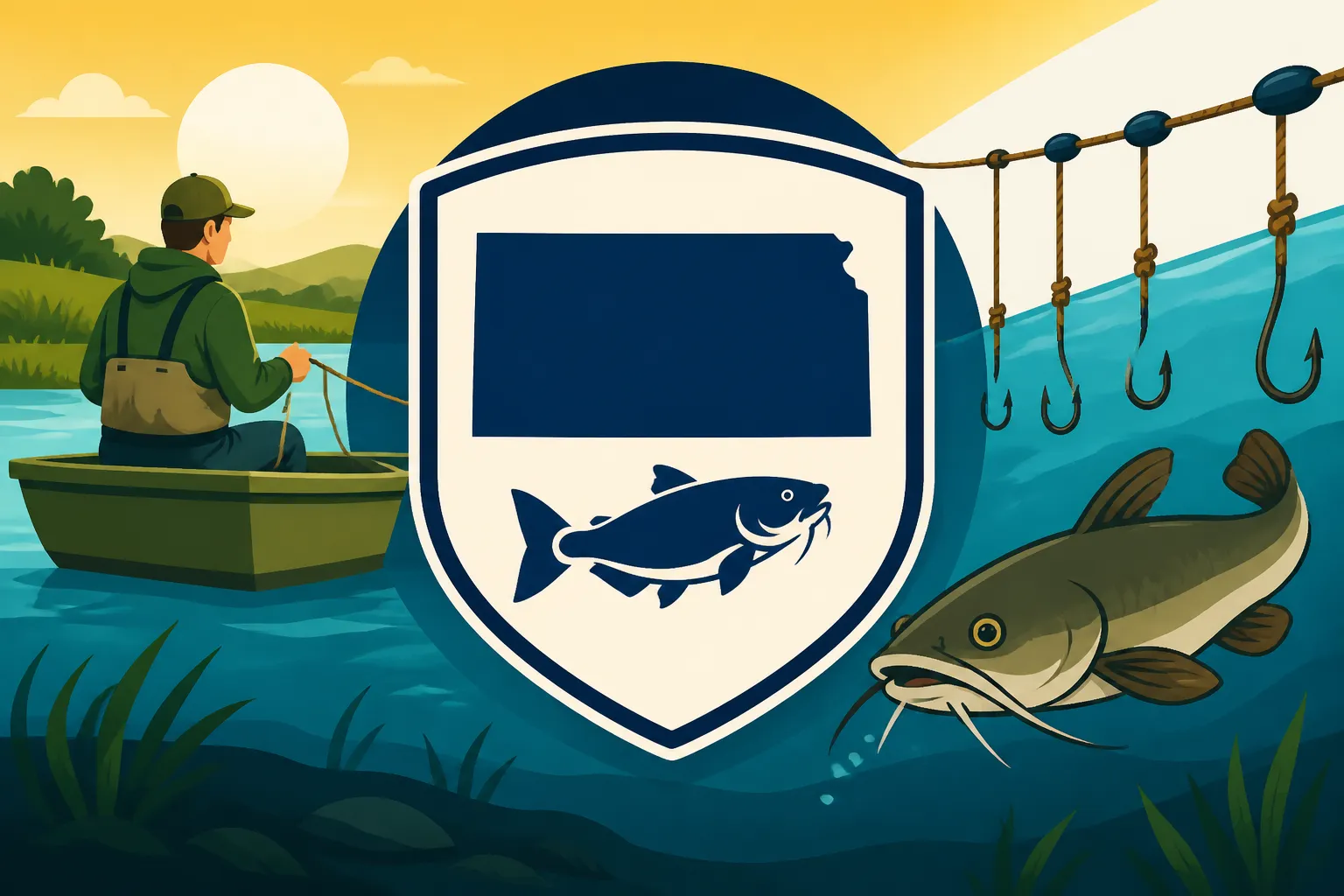
At its core, trotline fishing involves setting a main line, often quite long, across a body of water or along a bank, to which multiple baited hooks are attached at intervals. Unlike actively holding a rod and reel, a trotline is a passive fishing method. You set it, leave it for a period, and then return to check your catches. Anglers typically anchor the main line at both ends, often with weights or tied to sturdy objects on the bank, to keep it in place. The branch lines, called "snoods," are usually shorter and spaced out, each holding a baited hook. This setup allows you to cover a significant area and present multiple baits simultaneously, greatly increasing your chances of a catch, especially for species like channel catfish, blue catfish, and flathead catfish.
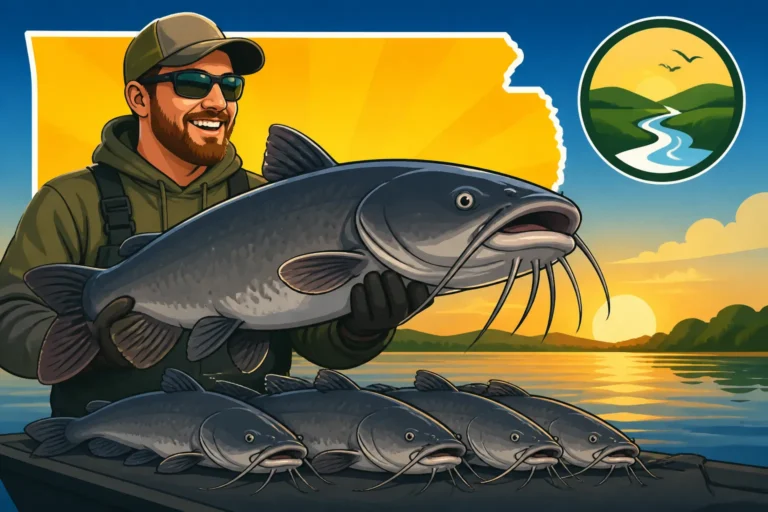
For many Kansas anglers, trotlining is a strategic way to target larger, more elusive fish that might not readily take a traditional rod-and-reel offering. It’s particularly effective in river systems and large reservoirs where these powerful fish patrol broader territories. The waiting game, the anticipation of checking your lines, and the potential for a substantial harvest make it a uniquely rewarding, albeit more demanding, form of fishing. It’s also a fantastic way to stock up on some delicious fish for a big family fish fry, provided you're adhering to all the limits!
Why Rules and Regulations Exist for Trotlines
The Kansas Department of Wildlife and Parks (KDWP) doesn't just make up rules to be difficult; these regulations are in place for very important reasons, primarily focusing on conservation, public safety, and ensuring fair chase among all anglers. Imagine if everyone could set an unlimited number of trotlines with hundreds of hooks – our fish populations would be decimated in no time. The rules help manage the resource, ensuring that future generations of Kansans can also enjoy the thrill of fishing.
Beyond conservation, safety is a huge factor. Trotlines, especially unmarked ones, can pose a serious hazard to other boaters, swimmers, and even wildlife. A main line stretched across a channel or just below the surface can entangle propellers, injure swimmers, or create dangerous situations for kayakers and paddleboarders. This is why requirements for visible tags and checking lines frequently are so critical. It’s about being a responsible steward of our natural resources and a considerate member of the angling community. Adhering to these rules isn't just about avoiding a fine; it's about protecting our waters and the experiences of everyone who uses them. It's also part of the broader framework of Kansas Fishing Regulations Explained, designed to keep our fisheries healthy and accessible.
The Essential Kansas Trotline Fishing License Requirements
You might think that because trotlining is a more "passive" method, it might have different licensing requirements than active fishing. The truth is, it generally falls under the same umbrella as any other fishing activity in Kansas, but with some very specific additions you absolutely need to know.
Who Needs a License for Trotlining?
Just like with any other method of fishing in the Sunflower State, if you're 16 years of age or older and you're a Kansas resident, you'll need a valid Kansas fishing license to legally set and tend a trotline. Non-residents, regardless of age, must also possess a valid non-resident fishing license. There are certain Kansas Fishing License Exemptions for very young children or specific disability statuses, so it's always wise to double-check the KDWP regulations if you fall into one of those categories. However, for most adult anglers, that basic fishing license is your entry ticket.
When you're ready to purchase, you have a few convenient options. You can easily buy your license online through the KDWP website, which is often the quickest and most straightforward way. Alternatively, many bait shops, sporting goods stores like Cabela's or Academy Sports + Outdoors, and even some county clerk offices across the state are authorized to sell licenses. Places like local Walmart stores also typically offer licenses, making it easy to pick one up while grabbing other fishing essentials. Remember, your license is good for the calendar year it's purchased in, usually expiring on December 31st, regardless of when you bought it. Always keep a physical or digital copy with you while on the water. For more details on purchasing, you can always refer to our guide on Where to Buy a Kansas Fishing License.
Specific Trotline Regulations and Permits
This is where trotlining really diverges from typical rod-and-reel fishing. While your general fishing license covers the right to fish, trotlines come with a specific set of operational rules you must follow. The KDWP is very clear on these points to prevent overharvest and ensure safety.
Firstly, each angler is limited to using no more than eight trotlines at any given time. This limit applies per individual, not per boat or group, so make sure everyone aboard has their own license if they are tending lines. Secondly, each individual trotline cannot exceed 25 hooks. So, if you're running all eight lines, you could theoretically have up to 200 hooks in the water, which is a significant effort!
Beyond the number of lines and hooks, proper identification and maintenance are paramount. Every single trotline you deploy must have a plainly visible tag that floats above the water. This tag needs to clearly display your name and address, or your KDWP identification number. This is critical for enforcement purposes, allowing wardens to identify who is responsible for each line and ensuring compliance. You can purchase pre-made tags or create your own, just ensure they are durable and legible. Many anglers use plastic tags or even carved wooden ones that withstand the elements. Finding durable, waterproof tags is easy on platforms like Amazon.
Finally, and this is a big one for ethical and legal trotlining: all lines must be checked at least once every 24 hours. This isn't just a suggestion; it's a firm rule. Checking your lines frequently ensures that fish caught aren't left on the hook for extended periods, suffering unnecessarily or spoiling. It’s a measure of respect for the fish and the resource. These detailed rules are part of the broader Kansas Trotline and Jug Fishing Rules designed to keep this traditional method sustainable and safe for everyone.
Key Kansas Trotline Regulations Summary
Here's a quick overview of the main regulations for trotline fishing in Kansas:
| Regulation Aspect | Requirement | Details |
|---|---|---|
| General License | Required for all anglers 16 and older | Valid Kansas fishing license (resident or non-resident) |
| Number of Trotlines | Maximum of 8 lines per licensed angler | Not per boat or group; individual limit |
| Hooks per Trotline | Maximum of 25 hooks per trotline | Each of the 8 lines can have up to 25 hooks |
| Trotline Tagging | Each line must have a visible tag above water | Tag must show angler's name/address or KDWP ID number |
| Checking Frequency | Lines must be checked at least once every 24 hours | Essential for fish welfare and preventing spoilage |
| Prohibited Areas | Check local regulations (e.g., some Community Lakes) | Trotlines generally prohibited in most State Fishing Lakes & Community Lakes |
Navigating Common Trotline Challenges and Best Practices
Trotlining, while effective, isn't without its nuances and potential headaches. Being aware of common challenges and adopting best practices can make your experience much smoother and more enjoyable for everyone sharing the water.
Preventing Issues with Other Anglers and Boaters
One of the biggest responsibilities of a trotline angler is to minimize interference with other water users. An improperly placed or unmarked trotline isn't just a regulatory violation; it's a hazard that can lead to damaged property, injuries, and a lot of frustration for fellow anglers and boaters. To prevent these issues, always strive for clear visibility. Use bright, buoyant markers on both ends of your trotline. These markers should be substantial enough to be easily seen, even in choppy water or low light conditions. Some anglers attach small, battery-powered lights to their markers for night fishing, ensuring maximum visibility. You can find durable, marine-grade fishing lights and reflective tape on Amazon that are perfect for this purpose.
Consider the placement of your lines carefully. Avoid setting them across main navigation channels, near boat ramps, or in heavily trafficked swimming areas. Opt for quieter coves, deeper river bends, or less-used sections of large reservoirs. If you're fishing a river, try to set your lines closer to the bank, away from the main current where boat traffic is heaviest. Communicating with other anglers, if possible, is also a great practice. A friendly wave or a brief chat about where your lines are can go a long way in fostering good sportsmanship on the water. It’s all about courtesy and making sure everyone can enjoy their time without unexpected snags.
Sustainable Trotline Practices
Beyond the legal requirements, practicing sustainable trotlining ensures that this angling method remains viable for years to come. The first and most critical aspect of sustainable practice is rigorous adherence to daily creel limits and length limits for specific species. For instance, while you might be targeting catfish, understanding Kansas Channel Catfish Daily Limit and any specific size restrictions for trophy species like blue or flathead catfish is essential. Don't be tempted to keep more than your legal limit, even if your lines are producing.
Another key practice is to check your lines frequently, as mandated by KDWP. This isn't just a rule; it's an ethical imperative. Fish left on a trotline for too long can die, spoil, or become easy prey for predators. Regularly checking your lines, ideally every few hours if you're actively fishing nearby, or at least within the 24-hour window, reduces mortality and ensures you're harvesting fresh, healthy fish. If you catch non-target species or fish that are undersized, release them quickly and gently to maximize their survival chances. Using appropriate bait and hook sizes for the species you intend to catch can also help reduce incidental catches of smaller fish. For instance, larger cut baits with stout hooks are less likely to be swallowed by small panfish.
Where to Go Trotline Fishing in Kansas
Knowing the rules is one thing, but knowing where to apply them is another! Kansas offers a variety of fantastic waterways for trotline enthusiasts, but it also has restrictions that anglers need to be aware of.
Best Water Bodies for Trotlining
Kansas is blessed with numerous large reservoirs and extensive river systems that are perfect for trotlining, particularly if you're after those big catfish. The Missouri River, forming part of the state's eastern border, is a classic location for blue and flathead catfish, offering vast stretches of water and abundant food sources. Similarly, the Kansas River (also known as the Kaw) is an excellent choice, especially for trophy blue catfish. Our Kansas River Fishing Guide can provide more detailed insights into accessing this fantastic fishery. The slow, deep bends and snags along the Kaw provide ideal habitat for large catfish to hide and ambush prey.
Beyond rivers, many of Kansas's large federal reservoirs are prime trotlining spots. Milford Lake, the largest lake in Kansas, and Tuttle Creek Lake near Manhattan, are renowned for their robust catfish populations. These massive impoundments offer countless coves, points, and old creek channels where trotlines can be effectively deployed. If you're looking for Tuttle Creek Lake Catfish Fishing opportunities, trotlines are a traditional and very successful method there. Other large reservoirs like Clinton Lake, Perry Lake, and Cheney Reservoir also hold significant numbers of channel, blue, and flathead catfish, providing ample opportunities for those willing to put in the effort. Always check the specific regulations for each body of water, as some areas within these larger lakes might have local restrictions.
Locations Where Trotlines Are Prohibited
While many large bodies of water are open to trotlining, there are distinct areas where this method is strictly prohibited. Generally, most Kansas State Fishing Lakes and Community Fishing Lakes do not allow the use of trotlines or jug lines. These smaller, more intensively managed lakes are primarily designed for rod-and-reel fishing and often have different management goals and higher angler density, making trotlines impractical and potentially hazardous. It's crucial to consult the KDWP Fishing Regulations Summary or signage at the specific lake you plan to fish. You can find more information about these types of areas in our article on Kansas Community Fishing Lake Rules.
Always assume that if a body of water is smaller or designated as a "community" or "state fishing lake," trotlines are likely off-limits unless explicitly stated otherwise. Private ponds also have their own set of rules, usually dictated by the landowner, but if you're fishing publicly accessible waters, sticking to the large reservoirs and river systems is generally a safe bet for trotlining. Playing it safe by double-checking local rules before setting up is always the smartest approach.
Disclaimer
The information provided in this guide is for general informational purposes only and is subject to change. While we strive to provide accurate and up-to-date information, fishing regulations can be complex and may be updated periodically by the Kansas Department of Wildlife and Parks. It is always the angler's responsibility to consult the most current official KDWP fishing regulations summary or contact the KDWP directly to ensure full compliance with all applicable laws and regulations before engaging in any fishing activities.