Kansas Jug Fishing License Rules
Ever felt a slight hesitation or confusion when you’re planning a peaceful day of jug fishing in Kansas, wondering if you've got all your legal ducks in a row? It’s a common worry among anglers, and the specific regulations around this traditional method can sometimes feel like a bit of a labyrinth. This comprehensive guide is designed to cut through that complexity, ensuring you fully understand the Kansas jug fishing license rules and regulations so you can enjoy your time on the water without a second thought.
What Exactly Is Jug Fishing in Kansas?
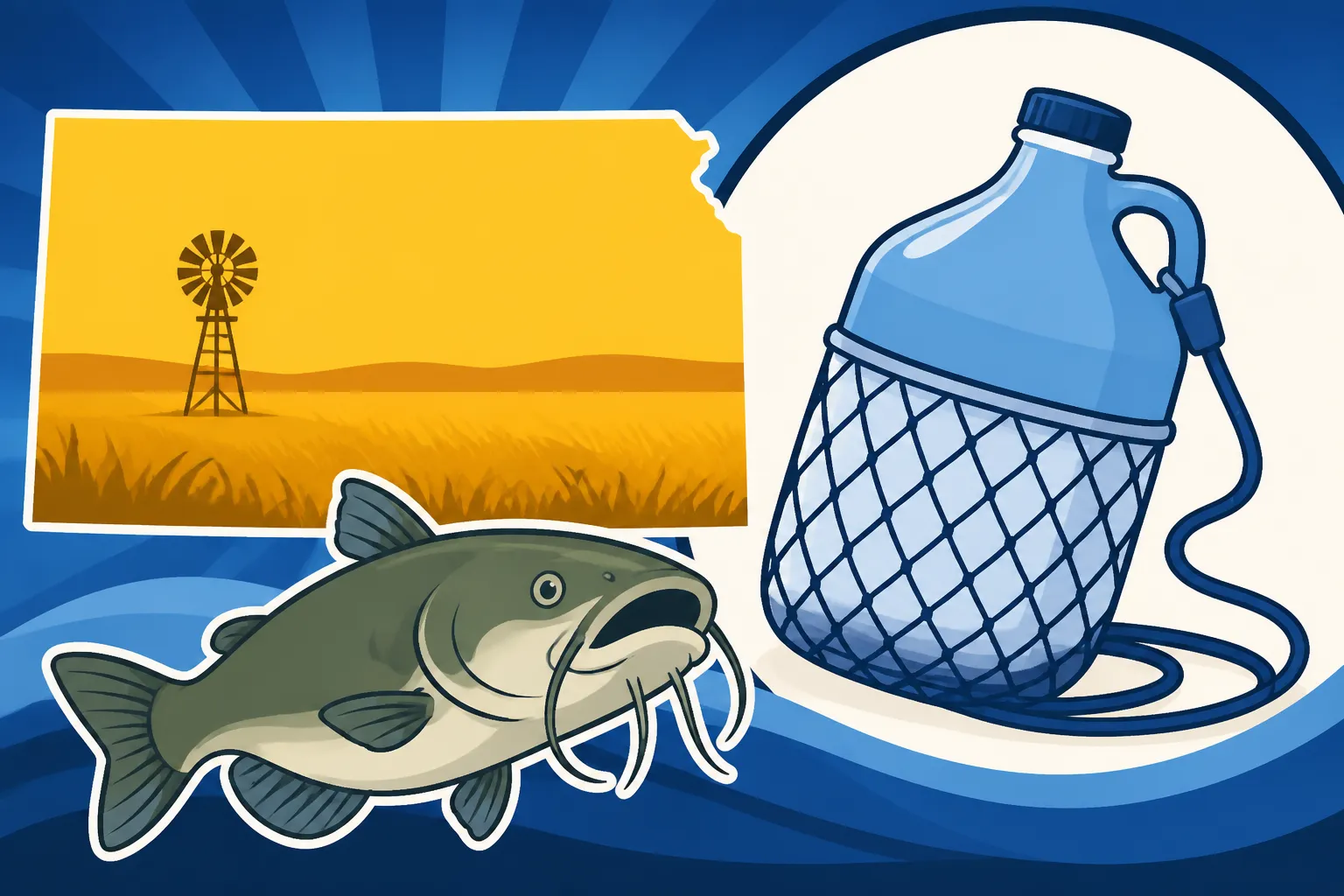
For those new to the game or just curious, jug fishing is a time-honored method of angling that involves using free-floating devices, typically plastic jugs or bottles, each rigged with a baited hook. Unlike traditional rod-and-reel fishing where you're actively holding the line, jug fishing is more of a passive, set-it-and-forget-it approach, allowing you to cover a larger area or simply relax while waiting for a bite.
The Allure and Heritage of Jug Fishing
There’s a unique charm to jug fishing that draws many Kansans to this technique. It’s often seen as a relaxed, almost meditative way to fish, especially popular for targeting the robust catfish species that thrive in our state’s rivers and reservoirs. Imagine setting out a dozen jugs at dusk, watching them drift with the current, and then returning at dawn to see which ones have a fish on the line. It's a method steeped in tradition, passed down through generations, offering a connection to simpler times and a different rhythm of fishing. For many, it's not just about the catch; it’s about the experience, the anticipation, and the quiet contemplation that comes with it. It’s also incredibly effective for stocking up on delicious catfish for a family fish fry.
Basic Concept and Legal Framework
The core concept is quite simple: a floating object acts as a bobber, keeping your baited line suspended at a certain depth. When a fish bites, the jug often starts to move or even dip, signaling a catch. While it might sound like a free-for-all, Kansas, like most states, has specific rules to ensure fair chase, conserve fish populations, and prevent waterways from being littered with abandoned gear. The good news is that jug fishing is legal in Kansas, but it falls under the broader umbrella of "unattended fishing lines" and, as such, carries a specific set of regulations that anglers must adhere to. Understanding these is key to a successful and legal outing.
Do You Need a Specific License for Jug Fishing in Kansas?
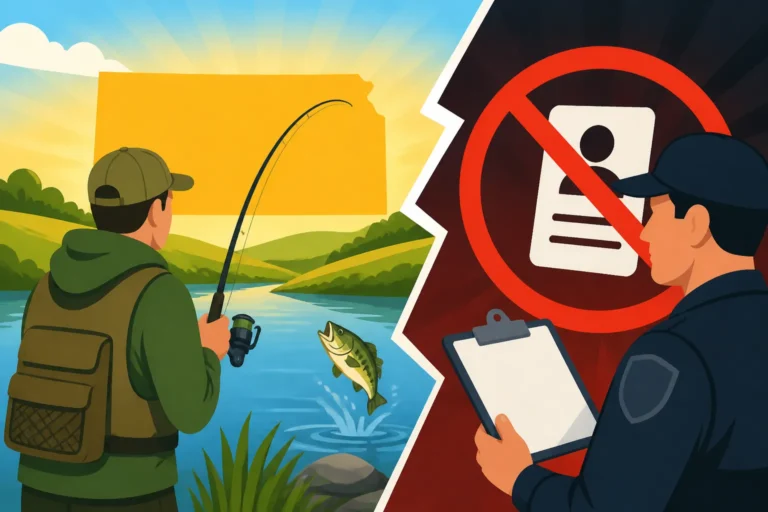
This is usually the first question people ask, and it's a valid one! The quick answer is: no, you don't need a special or separate license specifically labeled "jug fishing permit." However, you absolutely do need a general Kansas fishing license to legally engage in jug fishing, just as you would for any other type of fishing, whether you're casting a lure from the bank or trolling from a boat.
The General Kansas Fishing License Requirement
Let's be clear: a standard fishing license from the Kansas Department of Wildlife and Parks (KDWP) is your golden ticket for all legal fishing activities, including jug fishing. This requirement applies to most individuals aged 16 and older, whether you're a long-time resident of the Sunflower State or just visiting. If you're wondering about the specifics of who needs one and what types are available, our detailed guide on the Kansas Fishing License Guide breaks it all down. For residents, you might be looking at an annual license, a multi-year option, or even a shorter-term permit depending on your needs. Similarly, non-residents have their own set of options, which are thoroughly covered in the Kansas Nonresident Fishing License Guide. Remember, possessing a valid general fishing license is the foundational step before you even think about putting a jug in the water.
No Special "Jug Fishing Permit" Needed
It's worth reiterating because it's a common misconception: the KDWP does not issue a distinct "jug fishing permit" or endorsement. Your regular, run-of-the-mill fishing license covers you for this activity, provided you adhere to all the other specific regulations governing jug lines. The state classifies jug lines as a specific type of legal fishing gear, much like trotlines or gigs, which all fall under the umbrella of your general fishing privileges. So, once you've purchased your annual license—which you can easily do online through the KDWP website or at various vendors like Walmart or local bait shops, as detailed in Where to Buy a Kansas Fishing License—you're good to go on the licensing front for jug fishing. Just ensure you carry proof of your license while fishing, whether it's a physical copy or a digital version on your phone.
Navigating the Specific Rules for Jug Fishing in Kansas
While a general fishing license covers the "who," the "how-to-do-it-legally" part of jug fishing is where the specific KDWP regulations come into play. These rules are designed to manage harvest, prevent litter, and ensure safety on our shared waterways. Ignoring them can lead to significant penalties, so paying close attention here is crucial.
The "How Many and How to Mark" Rules
This is perhaps one of the most important aspects of legal jug fishing in Kansas. The KDWP regulations are quite clear:
- Number of Jugs: An individual angler is permitted to use no more than 50 jug lines at any given time. This might sound like a lot, but for serious catfish anglers, it allows for good coverage. However, it's also a considerable number to manage responsibly.
- Conspicuous Marking: Every single jug line you deploy must be conspicuously marked. This isn't just a suggestion; it's a requirement. The marking needs to include either your name and address OR your KDWP number. This is vital for identification, especially if a jug gets separated or if wildlife and park officers need to verify compliance. Imagine losing a jug, and someone else finds it—having your contact information helps ensure its return. For durable marking, I personally rely on heavy-duty permanent markers. You can find excellent waterproof options on Amazon that stand up to sun and water, making sure your information stays legible throughout the season.
The purpose of these rules is twofold: to ensure that the individual responsible for the gear can be identified (preventing abandoned lines) and to limit the overall fishing pressure from unattended lines.
Attendance, Location, and Species Restrictions
Jug fishing isn't truly a "set it and forget it for days" endeavor. There are rules about how often you need to check your lines, as well as where you can even use them.
- Personal Attendance: All jug lines must be personally attended and checked at least once every 24 hours. This means you can't just throw them out and come back a week later. It ensures humane treatment of hooked fish, prevents fish from spoiling, and reduces the chance of lost or abandoned gear. It also discourages wildlife from getting entangled in neglected lines.
- Permitted Locations: Jug lines are generally permitted statewide in waters open to fishing. However, there are critical exceptions you need to be aware of:
- They are not permitted within 50 yards of a boat ramp or marina in federal reservoirs. This is a safety measure to prevent interference with boat traffic and ensure clear access for other users.
- Jug lines are typically prohibited in Community Fishing Lakes (CFLs) and often have specific restrictions in State Fishing Lakes (SFLs). These smaller, often urban-adjacent bodies of water have different management goals and are generally geared towards more active, attended fishing methods. Always check the specific regulations for any CFL or SFL you plan to fish. Our guide on Kansas Community Fishing Lake Rules offers more details on these localized regulations.
- They are particularly popular and effective in larger reservoirs like Milford Lake, Wilson Lake, or Cheney Reservoir, and major rivers like the Kansas River for targeting larger fish. If you're interested in river fishing, our Kansas River Fishing Guide has tips on access points and target species.
- Target Species: While you might occasionally catch other species, jug fishing in Kansas is predominantly used for various catfish species, including channel catfish, blue catfish, and flathead catfish. The KDWP has specific daily creel and length limits for these species, which you must abide by. For instance, the Kansas Catfish Daily Limits specify how many of each species you can keep per day. Always know your limits to avoid overharvesting!
- Bait and Hooks: You are allowed a single hook per jug line. As for bait, live bait is permitted, as are various cut baits and prepared baits, which are common choices for catfishing. Just ensure any live bait you use is legal for transportation and use in Kansas waters, to prevent the spread of invasive species.
Here's a quick summary table of the key jug fishing regulations:
| Regulation Aspect | Kansas Rule | Important Notes |
|---|---|---|
| License Required | General Kansas Fishing License (no specific jug permit) | Required for all anglers 16 and older. |
| Number of Jugs | Max 50 jug lines per person | Respect this limit to avoid penalties. |
| Marking | Each jug must be marked with name/address OR KDWP number | Use permanent, waterproof markers. Legible identification is mandatory. |
| Attendance | Must be personally attended and checked at least once every 24 hours | Ensures humane treatment of fish and prevents abandoned gear. |
| Hooks | Single hook per jug line | Simple setup to minimize entanglement and maximize effectiveness for catfish. |
| Permitted Waters | Statewide in waters open to fishing | EXCEPTIONS: Not within 50 yards of boat ramps/marinas on federal reservoirs. Often prohibited in CFLs and some SFLs. Always check local rules. |
| Target Species | Primarily Catfish (Channel, Blue, Flathead) | All state creel and length limits apply to harvested fish. Refer to Kansas Channel Catfish Daily Limit for specific regulations. |
| Bait | Live bait, cut bait, prepared baits generally permitted | Ensure live bait is legal to possess and use to prevent invasive species. |
This table provides a concise overview, but always remember to consult the official KDWP fishing regulations summary for the most current and complete information. You can often find this summary booklet at license vendors or download it directly from the KDWP website.
Consequences of Non-Compliance: Fishing Without a License or Breaking Jug Rules
It might seem like a small detail, but fishing regulations are put in place for a reason, and not following them can lead to serious headaches and financial penalties. Ignoring the rules for jug fishing, whether it's forgetting your license or exceeding the number of permitted jugs, can quickly turn a relaxing day into a costly one.
Understanding Kansas Fishing Law Enforcement and Penalties
Wildlife and park officers are out on the water to protect our natural resources and ensure everyone is playing by the rules. They take violations seriously. If you're caught jug fishing without a valid Kansas fishing license, you could face fines, court costs, and potentially even the confiscation of your fishing gear. The exact penalties vary depending on the severity of the offense and whether it's a first-time or repeat infraction, but it's never a trivial matter. Our article on Kansas Fishing Law Enforcement and Penalties goes into much greater detail about the legal repercussions you might encounter.
Furthermore, specific violations of jug fishing rules—like using too many jugs, failing to mark them, or not checking them within the 24-hour window—can also result in separate fines. Officers have the authority to remove unmarked or unattended jugs that are in violation. Imagine spending money on fishing line, hooks, and your precious jugs (maybe even a new LED lighted bobber you found on Amazon for night fishing), only to have them confiscated because they weren't marked properly. It’s a frustrating scenario that’s easily avoidable by simply adhering to the regulations. If you're ever in doubt about the consequences, our post on What Happens If You Fish Without a License in Kansas? gives you a clear picture of the potential legal and financial impact.
Why These Rules Matter for Everyone
It's easy to view regulations as just annoying hurdles, but they serve crucial purposes. The rules around jug fishing, like all fishing regulations, are designed to:
- Protect Fish Populations: Limits on the number of jugs and attendance requirements help manage the harvest, ensuring that catfish populations remain healthy and sustainable for future generations of anglers. Unchecked, passive fishing methods could quickly lead to overharvest.
- Promote Fair Chase: Regulations ensure that all anglers have a fair opportunity to catch fish and that one method doesn't disproportionately impact the resource.
- Ensure Public Safety and Enjoyment: Unmarked or excessive unattended lines can pose hazards to boaters, swimmers, and other anglers. They can also create eyesores and pollution if abandoned. Imagine trying to navigate a busy cove only to find dozens of unmarked jugs floating everywhere—it would be a mess and a danger. The rules help keep our waterways clean and safe for everyone.
- Prevent Waste: The requirement to check jugs regularly helps prevent fish from dying on the line and spoiling, which is both wasteful and disrespectful to the resource.
Ultimately, understanding and respecting Kansas jug fishing license rules and associated regulations isn't just about avoiding a ticket; it's about being a responsible, ethical angler who contributes to the health and enjoyment of Kansas's incredible fishing resources. So, grab your license, mark your jugs, and enjoy the unique thrill of jug fishing in the Sunflower State!
Disclaimer
Please remember that fishing regulations can change. While this guide provides comprehensive information based on current Kansas Department of Wildlife and Parks (KDWP) rules, it is always your responsibility to consult the most recent official KDWP fishing regulations summary before heading out. This content is for informational purposes only and should not be considered legal advice.