Kayak Fishing Techniques in Kansas
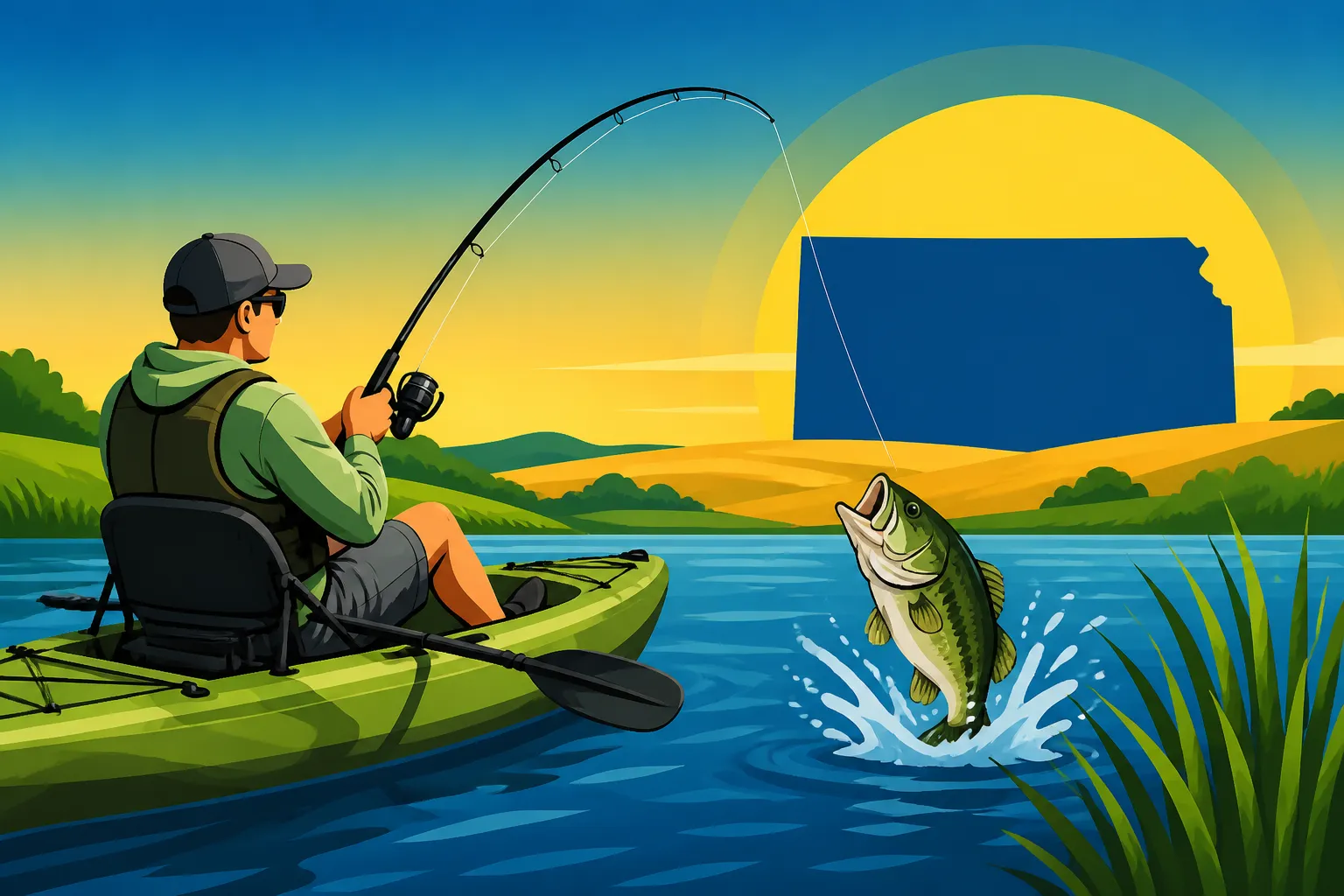
There’s nothing quite like the open water of a Kansas lake or the meandering current of a river, but sometimes, a big boat just isn't the right tool for the job. You've probably felt that frustration, trying to reach a secluded cove or sneak up on some spooky shallow-water fish, only to be limited by your motor or draft. That's where kayak fishing shines, offering a unique blend of accessibility, stealth, and an incredibly intimate connection to the water. This comprehensive guide will paddle you through everything you need to know about mastering kayak fishing techniques in Kansas, from choosing the right gear to specific strategies for our most popular game fish.
Why Kayak Fishing in Kansas is a Game-Changer
Kayak fishing isn't just a trend; it's a legitimate and often superior way to target fish across Kansas. It offers a level of access and stealth that traditional powerboats often can't match, opening up a whole new world of angling opportunities right here in the Sunflower State. If you've ever felt constrained by boat ramps or deeper water, a kayak might just be your new best friend on the water.
The Freedom of Access
One of the biggest advantages of kayak fishing in Kansas is the sheer freedom it affords. Imagine being able to launch practically anywhere there's public access – a small stretch of bank, a quiet side road, or even a designated carry-in area on a river. This means no more fighting for a spot at crowded boat ramps, especially on busy summer weekends at popular reservoirs like Milford Lake or Cheney Reservoir.
Kayaks allow you to explore those hidden gems: shallow coves that larger boats can't reach, tight creek arms winding into the timber, or isolated pockets along a riverbank. These are often undisturbed sanctuaries where fish feel safe and unpressured, meaning your chances of finding a trophy are significantly higher. You can slip into areas with extreme shallow water, navigate around submerged timber, or even portage a short distance to reach an otherwise inaccessible pond or stretch of river. This unmatched access isn't just convenient; it's a strategic advantage that puts you on fish that rarely see a lure.
Stealth and Presentation
Fish are incredibly sensitive creatures. The roar of an outboard motor, the thumping of footsteps on a boat deck, or even the subtle vibrations from an electric trolling motor can spook them, especially in shallower, clearer waters. Kayaks, by their very nature, are silent predators. When you’re paddling or even just drifting with the current, you become one with the environment.
This stealth allows for incredibly natural presentations. You can glide into position without alerting wary fish, setting yourself up for that perfect cast. Whether you're sight fishing for cruising bass in a clear community lake or drifting bait for channel catfish in the Kansas River, the quiet approach of a kayak dramatically increases your chances of a bite. It allows you to get closer to cover, closer to fish, and make more precise casts without the added noise and commotion that can send fish scattering.
The Thrill of the Fight
There’s a raw, visceral excitement that comes with fighting a big fish from a kayak. When you're just inches from the water, with the rod bent double and a powerful fish pulling your vessel around, it’s an experience unlike any other. A 5-pound bass feels like a 10-pounder, and a 20-pound flathead catfish can turn your kayak into a rodeo bull.
This enhanced sensation isn't just about adrenaline; it's about connecting with the fish on a more intimate level. You feel every head shake, every powerful run, and every surge of energy directly through your seat and paddle. It teaches you to play the fish carefully, to use your paddle or rudder to turn your kayak, and to really understand the power dynamic between angler and quarry. It adds an extra layer of challenge and reward to every catch, making even a modest fish feel like a truly memorable victory.
Essential Kayak Gear for Kansas Waters
Getting started with kayak fishing requires a thoughtful approach to gear. It’s not just about the kayak itself, but also the accessories that enhance your safety, comfort, and fishing efficiency on Kansas's diverse waterways. Making the right choices here can significantly impact your enjoyment and success.
Choosing the Right Kayak
When it comes to selecting a fishing kayak for Kansas, stability and storage are key considerations. The most popular choice for anglers is typically a "sit-on-top" (SOT) kayak. These models offer a wide, open deck that’s easy to get in and out of, provides ample room for gear, and is incredibly stable – perfect for standing to cast or getting up to stretch on longer days. Many SOT fishing kayaks now come with pedal drives, like those from Hobie or Old Town, which free up your hands for fishing and make covering long distances on big reservoirs much less tiring.
"Sit-in" kayaks are also an option, particularly for river fishing where you might encounter more technical water or desire more protection from the elements, but they generally offer less stability and gear capacity. Consider the length: shorter kayaks (under 10 feet) are more maneuverable for small ponds and rivers but can be slow and less stable in open water. Longer kayaks (12-14 feet or more) track better, are faster, and handle choppy reservoir conditions with greater ease, though they are heavier to transport. Think about where you'll be fishing most often in Kansas – large reservoirs like Wilson Lake, meandering rivers like the Kansas River, or smaller local ponds – and choose a kayak that matches those primary conditions. You can find more specific advice in our guide on the Best Kayak for Kansas Reservoir Fishing.
Must-Have Accessories
Once you have your kayak, outfitting it with essential accessories is the next step to becoming a self-sufficient kayak angler. First and foremost, a quality paddle is non-negotiable. Look for a lightweight, durable paddle that matches your height and kayak width. A personal flotation device (PFD) is another absolute must – not just a legal requirement in many cases, but your primary piece of safety equipment. Modern fishing PFDs are designed with pockets and attachment points for tools, making them comfortable and practical. Many excellent options, including comfortable inflatable PFDs, can be found on Amazon.
An anchor system is critical, especially on windy Kansas reservoirs or when trying to hold a position in river current. A small grapnel anchor or a drag chain anchor works well, often deployed via an anchor trolley system that lets you position the anchor from bow to stern. Rod holders, typically flush-mount or rail-mounted, keep your rods secure while paddling or when running multiple lines. For organization, a milk crate or a specialized kayak tackle crate is invaluable, allowing you to keep tackle boxes, a small cooler, and other essentials within easy reach. Many anglers also add a fish finder to their setup, with compact, battery-powered units being perfect for kayaks. Brands like Humminbird and Garmin offer excellent portable options that can be easily mounted and powered. These useful additions are readily available on Amazon, often with diverse reviews to help you make an informed choice.
Safety First on Kansas Lakes and Rivers
Safety should always be your top priority when kayak fishing in Kansas. Beyond the PFD, there are several other items you absolutely need. Always tell someone where you're going and when you expect to return. A waterproof communication device, whether it's a fully waterproof smartphone in a dry bag or a dedicated VHF radio for larger waters, is crucial for emergencies.
Visibility is also key, especially if you're on popular lakes. A bright flag on a pole makes you more visible to powerboaters. For early morning, late evening, or night fishing, navigational lights (a 360-degree white light) are not just recommended, they are often legally required by Kansas boating regulations. Carry a small first-aid kit, a whistle (often integrated into PFDs), and a sharp knife for cutting tangled lines or emergencies. Sun protection – hats, sunglasses, and sunscreen – is vital for long days on the water, especially during the intense Kansas summer. Remember, conditions on Kansas reservoirs can change quickly, with winds picking up unexpectedly, so being prepared is not just smart, it's essential. Our Kansas Life Jacket and Boating Safety Guide offers more in-depth information.
Mastering Kayak Fishing Techniques for Kansas Species
The beauty of kayak fishing is its versatility. You can adapt your techniques to target virtually any species found in Kansas waters, often with greater precision and stealth than from a traditional boat. Let's dive into some specific strategies for our most popular game fish.
Walleye Tactics from a Kayak
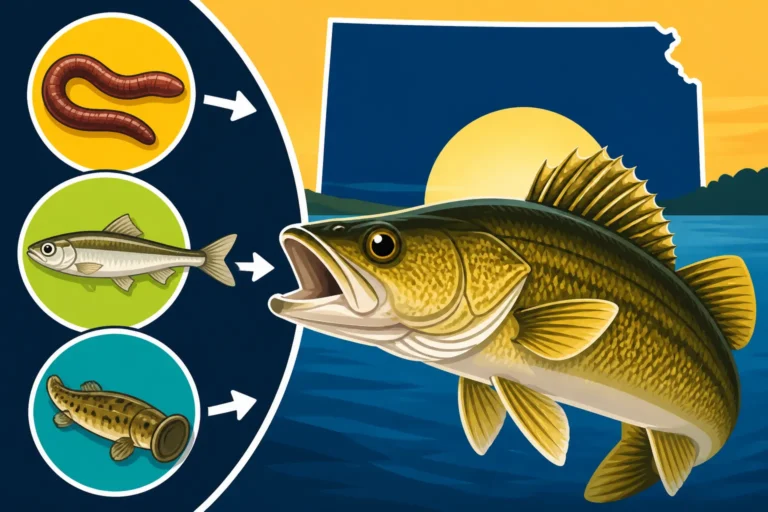
Walleye are a prized catch in Kansas, known for their delicious fillets and challenging nature. From a kayak, you can employ highly effective tactics to pursue these elusive fish. Trolling is a fantastic option on large reservoirs like El Dorado Lake or Kanopolis Lake, particularly during spring and fall. You can use your paddle or pedal drive to slowly troll crankbaits that dive to different depths, mimicking baitfish. Experiment with speeds and crankbait colors, focusing on main lake points, submerged humps, and the edges of creek channels. The quiet approach of a kayak allows you to sneak up on schooling walleye without scattering them.
Another productive technique is jigging, especially around rocky points, ledges, and deep structure. A vertical presentation with a lead head jig tipped with a plastic grub or live minnow can be deadly. Using your fish finder, identify transition areas or baitfish schools, then precisely position your kayak directly over them. The minimal footprint of a kayak allows you to hold tight to these spots, even in light wind, and repeatedly drop your offering into the strike zone. During low light conditions, such as dawn, dusk, or even at night, walleye often move shallower, making them accessible to kayak anglers casting jerkbaits or shallow-running crankbaits near shore. For more detailed insights, check out our comprehensive Kansas Walleye Fishing Techniques guide.
Catfish Strategies for Kayak Anglers
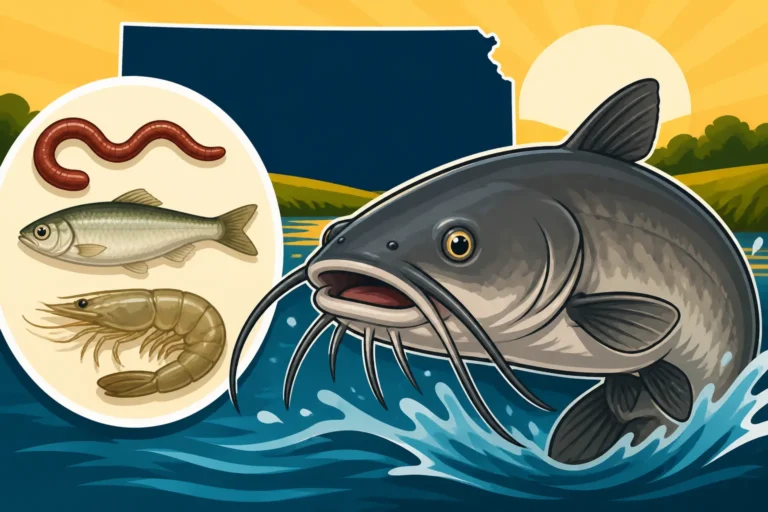
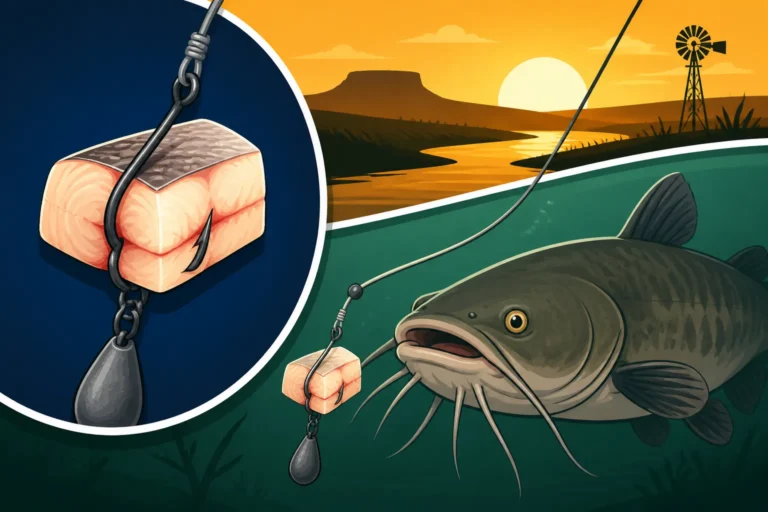
Kansas is a mecca for catfish, and kayaks are exceptionally well-suited for targeting channel, blue, and flathead cats. Drifting cut bait or live bait is a highly effective technique, especially in rivers like the Kansas River or on large reservoir flats. Position your kayak upwind or upstream of a promising area, deploy your bait on a slip-sinker rig, and let the wind or current gently carry you over prime catfish habitat. This allows you to cover a lot of water and present your bait naturally.
For larger flatheads or blues, anchoring in a current seam or near a submerged log jam is often the ticket. Use a sturdy anchor and position your kayak strategically, then deploy large live baits like sunfish or shad. The quiet nature of the kayak means you won't spook these wary predators, allowing you to sit patiently. Bank fishing setups, adapted for a kayak, can also be very effective for channel catfish on smaller lakes and ponds. Simply cast out your favorite stink bait or punch bait, and relax. Kayaks allow you to reach areas that are otherwise difficult for bank anglers to access, giving you an advantage. For specific tips on bait, our Best Bait for Kansas Catfish article can provide further guidance.
Crappie and Panfish on the Paddle
Crappie, bluegill, and redear sunfish are abundant across Kansas, and kayak fishing offers unique advantages for filling a cooler. For crappie, especially during the spring spawn, spider rigging from a kayak can be incredibly effective. While it sounds complicated, it simply means deploying multiple rods from various angles around your kayak, often with small jigs or minnows suspended under bobbers. You can slowly paddle or use a pedal drive to creep along brush piles, submerged timber, or bridge pilings, presenting your baits to an entire school of crappie.
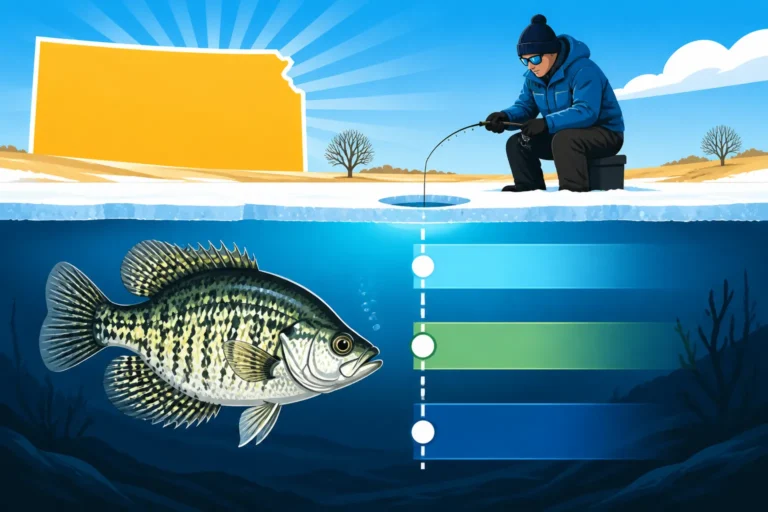
In deeper water, or when crappie are holding tightly to structure, vertical jigging is a precise technique. Use your fish finder to locate brush piles or timber on the bottom, then hold your kayak directly over the top. Drop a small jig (1/16 to 1/8 ounce) tipped with a minnow or a soft plastic, and gently work it through the cover. For panfish like bluegill and redear, simply casting small jigs, worms, or crickets near weed lines, lily pads, or over shallow beds can lead to non-stop action. The quiet approach of a kayak means you won't scare these often-skittish fish, allowing you to present your offerings right into their dinner table. Our Kansas Spring Crappie Fishing Tips offers more insights into seasonal patterns.
Bass Fishing from a Kayak
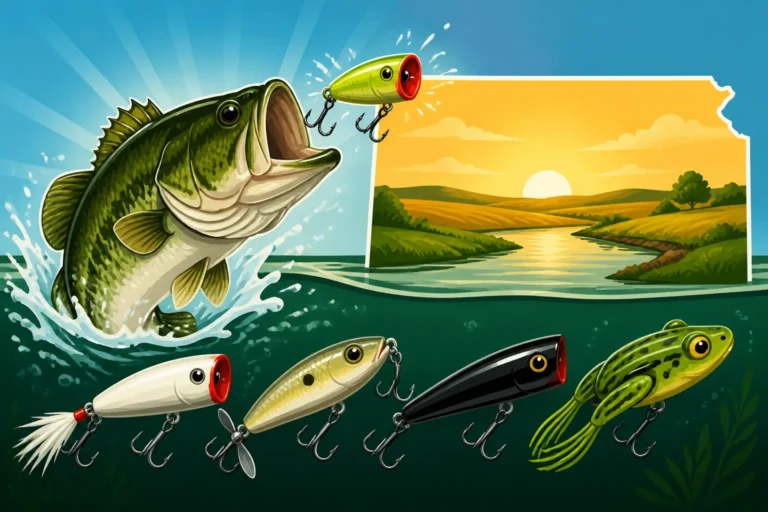
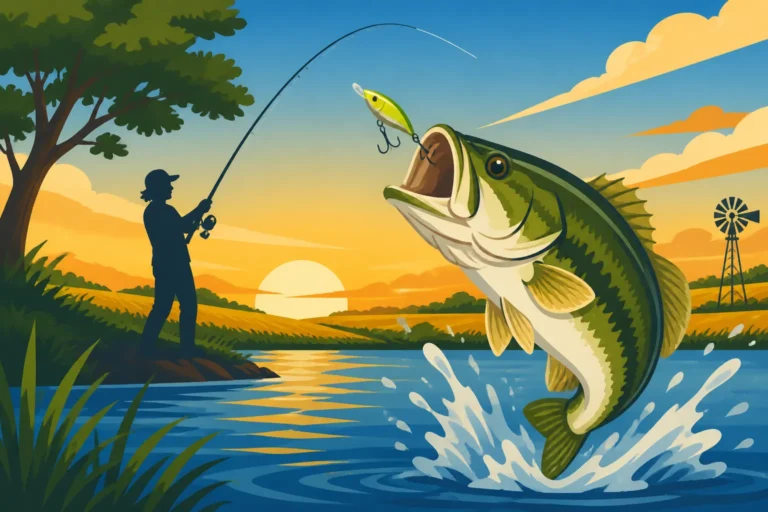
Kansas offers fantastic bass fishing for both largemouth and smallmouth, and kayaks are perfect for targeting them. Topwater fishing from a kayak, especially during low light conditions, is an absolute blast. Glide silently into shallow coves or along weed edges, casting frogs, poppers, or walking baits. The quiet splash of your lure won't be overshadowed by a noisy boat, increasing the likelihood of an explosive strike.
Pitching jigs or Texas-rigged plastics into heavy cover – laydowns, brush piles, or flooded timber – is another highly effective technique. The maneuverability of a kayak allows you to get into tight spots that larger boats can't, giving you access to untouched bass hideouts. You can work around individual stumps or cypress knees with precision, flipping your bait into the smallest openings. For smallmouth bass, especially in rocky reservoirs like Wilson Lake or Tuttle Creek Lake, focus on rocky points, bluff walls, and transitions. Cast crankbaits, jerkbaits, or Ned rigs to these areas, working your way along the structure. The ability to silently hug the shoreline and pick apart cover makes kayak fishing a superior method for many bass anglers.
Navigating Different Kansas Waterbodies
Kansas boasts a diverse array of fishing environments, each presenting unique opportunities and challenges for the kayak angler. Understanding how to adapt your approach to these different waterbodies is key to consistent success.
Reservoir Kayak Fishing
Kansas is dotted with large flood control reservoirs such as Milford Lake, Clinton Lake, and El Dorado Lake, offering vast expanses of water and diverse fish populations. Kayak fishing on these larger bodies of water presents a different set of considerations compared to smaller ponds or rivers. Wind can be a significant factor, quickly turning a calm morning into a choppy, challenging paddle. It’s crucial to check wind forecasts and understand how different wind directions will affect your chosen fishing spot. You might consider investing in a pedal-drive kayak or a small electric motor to help cover distances and fight wind, or plan your trips to fish protected coves or leeward shores.
Navigation is also important. While maps and GPS units are helpful, learning to read the reservoir's structure – main lake points, submerged humps, creek channels, and old roadbeds – will guide your efforts. These are prime locations where fish congregate. Focus your efforts on specific areas rather than trying to cover the entire lake. Longer, more stable kayaks are generally preferred for reservoirs due to their ability to handle chop and cover distance efficiently. Remember to always be aware of powerboats and other vessels, and consider increased visibility aids like a flag.
River Kayak Fishing
The rivers of Kansas, including the Kansas River, Republican River, and Neosho River, offer fantastic kayak fishing opportunities, particularly for catfish and white bass. River fishing from a kayak requires a different skill set, primarily understanding current and how to navigate obstacles. Always scout your chosen stretch of river beforehand, either online or by talking to local anglers, to be aware of any rapids, low-head dams, or significant log jams. Our Kansas River Fishing Guide provides great details on specific access points.
Learning to read the current is paramount. Fish often hold in current seams, behind obstacles, or in deeper holes where they can ambush baitfish without expending too much energy. Use your paddle to steer and position your kayak, letting the current do some of the work. Drifting baits or lures downstream is often very effective. Ensure your anchor system is robust enough to hold you securely in moving water when you want to stop and fish a specific spot. Safety is critical on rivers; always wear your PFD, be aware of changing water levels after rain, and carry a throw rope for emergencies.
Community Lakes and Ponds
Kansas has an excellent network of community lakes and urban fishing ponds, many managed by the Kansas Department of Wildlife, Parks and Tourism (KDWP). These smaller bodies of water are perfect for kayak anglers, especially beginners or those looking for a quick fishing trip close to home. They offer easy access, often with designated carry-in areas, and are typically stocked with popular species like channel catfish, crappie, bluegill, and largemouth bass. You can find out more about the rules for these locations in our guide on Kansas Community Fishing Lake Rules.
The intimate nature of these waters makes kayak fishing incredibly effective. You can quietly paddle along the shoreline, casting into submerged brush, docks, or over weed beds. The limited pressure from powerboats means fish are often less wary. Shorter, more maneuverable kayaks excel here, allowing you to navigate tight corners and reach every nook and cranny. These spots are fantastic for honing your skills, experimenting with new techniques, and introducing children to the joys of kayak fishing in a safe and accessible environment.
Seasonal Kayak Fishing Adjustments in Kansas
Fishing in Kansas is a year-round affair, but the best techniques and locations shift dramatically with the seasons. As a kayak angler, understanding these seasonal patterns is crucial for maximizing your success and making every paddle count.
Springtime Kayak Opportunities
Spring in Kansas is a period of intense activity for fish, and kayak anglers are perfectly positioned to capitalize on it. As water temperatures rise, fish move shallower to spawn and feed aggressively after the long winter. This is prime time for the crappie spawn, where these popular panfish move into very shallow water near brush, timber, or submerged vegetation. You can quietly paddle into these areas, vertical jigging small jigs or minnows. Similarly, the white bass runs in rivers and creek arms leading into major reservoirs are legendary. Kayaks can provide unparalleled access to these upstream spawning grounds, allowing you to intercept huge schools of feeding white bass.
Largemouth and smallmouth bass also enter their pre-spawn and spawning phases. Look for bass staging on points or flats adjacent to spawning coves. You can effectively cast crankbaits, jerkbaits, or even slowly drag jigs. The key is to be stealthy; fish are often concentrated and can be easily spooked by engine noise. The quiet approach of a kayak allows you to work these shallow areas without disturbing the fish, providing countless opportunities.
Summer Heat and Night Fishing
Kansas summers can be brutally hot, pushing many fish into deeper, cooler water or making them most active during low-light conditions. As a kayak angler, you have a few excellent options. Early mornings and late evenings offer cooler temperatures and often fantastic topwater action for bass and white bass as they feed aggressively. Get on the water at dawn, and you'll often have productive fishing for a few hours before the sun gets too high.
Night fishing from a kayak is another fantastic summer strategy, especially for catfish, walleye, and white bass. Channel and flathead catfish become much more active after dark, cruising shallow flats or feeding in current. You can anchor your kayak quietly in a promising spot and soak cut bait or live bait. Walleye often move shallower to feed at night, making them accessible to casting crankbaits or jigs from a kayak. Remember to equip your kayak with proper lighting, including a 360-degree white light, and always be extra cautious when navigating in the dark.
Fall Transition and Feeding Frenzies
Fall in Kansas is arguably one of the best times to be a kayak angler. As water temperatures begin to drop, fish sense the approaching winter and embark on massive feeding frenzies, putting on weight. Baitfish school up, and predatory species like walleye, bass, and wipers follow them relentlessly. This is an excellent time to troll crankbaits on large reservoirs for walleye and wipers, covering a lot of water to find those active schools.
Crappie will also school up in the fall, often moving to deeper brush piles or channel breaks, making them susceptible to vertical jigging or slow trolling with jigs and minnows. Bass will be aggressive, hitting a variety of lures from spinnerbaits to crankbaits. The cooler air temperatures make paddling more comfortable, and the changing fall foliage provides a beautiful backdrop for your fishing adventures. Focus on areas where baitfish are abundant, such as main lake points, creek mouths, and the backs of coves.
Winter Kayak Fishing Challenges
While Kansas winters can be harsh, there are still kayak fishing opportunities, though they are more limited and require extra caution. Open water fishing from a kayak is primarily viable during milder stretches, often targeting deep-holding species like crappie or walleye on larger reservoirs. You'll need to dress in layers, including waterproof and insulating outer shells, and be extremely mindful of the dangers of cold water immersion. Always inform someone of your plans and wear your PFD, as self-rescue in cold water is incredibly difficult.
When ice fishing season arrives, kayak fishing gives way to traditional ice fishing techniques. However, some anglers use specialized ice kayaks (often called "shanties" or "sleds") to transport gear and provide shelter on the ice. This isn't traditional paddling, but it highlights the adaptability of small personal watercraft. Our Kansas Ice Fishing Guide provides comprehensive information on safely enjoying this winter pastime.
Legalities and Ethics of Kayak Fishing in Kansas
Just like any other form of angling, kayak fishing in Kansas comes with specific rules, regulations, and an inherent responsibility to respect the environment and fellow outdoors enthusiasts. Understanding these guidelines ensures a safe, legal, and enjoyable experience for everyone.
License and Registration Requirements
Before you even think about putting your kayak in a Kansas lake or river, make sure you have the proper licensing. Every angler 16 years of age and older needs a valid Kansas fishing license. These can be purchased online through the KDWP website, at KDWP offices, or from many bait and tackle shops across the state. Our comprehensive Kansas Fishing License Guide will walk you through all the options, including annual, multi-year, and short-term licenses.
Beyond fishing licenses, boat registration is another important consideration. In Kansas, any vessel, including kayaks, that is powered by a motor (even a small electric trolling motor) must be registered with the Kansas Department of Wildlife, Parks and Tourism. If your kayak is solely paddle-powered, registration is generally not required, but it’s always wise to check the latest regulations to be certain. Regardless of registration status, always carry your fishing license with you and be prepared to show it if requested by a KDWP law enforcement officer. Our Kansas Boat Registration Guide offers detailed information on the process, costs, and requirements.
Respecting Wildlife and Other Anglers
Kayak fishing offers a unique sense of solitude, but you're rarely truly alone on Kansas waters. Maintaining respectful behavior towards wildlife and other anglers is paramount. Always practice "Leave No Trace" principles: pack out everything you pack in, and leave the shoreline and water cleaner than you found it. Avoid disturbing nesting birds or other wildlife you encounter; observe from a distance.
When sharing the water with other anglers, whether they are in powerboats, on shore, or in other kayaks, courtesy goes a long way. Maintain a respectful distance, especially if someone is clearly working a specific spot. Avoid paddling directly through another angler's casting lane or across their lines. If you're using a fish finder, be mindful of the noise it might emit, and if using an electric motor, keep speeds low in crowded areas. A simple wave or a friendly greeting can help foster a positive community on the water, ensuring everyone can enjoy the peace and thrill of fishing in Kansas.
Kayak and Technique Combinations for Kansas Species
Choosing the right kayak and pairing it with effective techniques can greatly enhance your success in Kansas. This table offers a quick overview to help you match your gear and strategy to your target species and waterbody.
| Target Species | Recommended Kayak Type | Primary Technique(s) | Key Kansas Waterbody Examples | Best Time of Year |
|---|---|---|---|---|
| Walleye | Longer SOT (12'+), pedal-drive preferred | Trolling crankbaits, Vertical jigging | Milford Lake, Cheney Reservoir, Wilson Lake | Spring, Fall, Summer (night) |
| Catfish | Stable SOT (10'+) | Drifting cut bait, Anchoring with live bait | Kansas River, Tuttle Creek Lake, Melvern Lake | Summer, Fall, Spring |
| Crappie | Stable SOT (10'+), often with multiple rod holders | Spider rigging, Vertical jigging brush piles | Hillsdale Lake, Clinton Lake, smaller community lakes | Spring, Fall, Winter |
| Largemouth Bass | Stable SOT (10'+), good maneuverability | Pitching jigs, Topwater, Cranking structure | El Dorado Lake, Perry Lake, farm ponds | Spring, Summer, Fall |
| Smallmouth Bass | Stable SOT (10'+), good tracking | Casting jerkbaits, Ned rigs, Tubes | Wilson Lake, Glen Elder Reservoir | Spring, Summer, Fall |
| White Bass | Any stable SOT, sit-in for rivers | Casting spoons/spinners, Trolling small crankbaits | Republican River, Milford Lake, Cheney Reservoir | Spring (run), Summer (schools) |
| Panfish | Shorter, nimble SOT or sit-in | Casting small jigs/worms, Float fishing | Community lakes, farm ponds, State Fishing Lakes | Spring, Summer |
Disclaimer
The information provided in this guide is for general informational purposes only and does not constitute legal advice. Fishing regulations, licensing requirements, and safety guidelines in Kansas are subject to change. Always consult the most current Kansas Department of Wildlife, Parks and Tourism (KDWP) regulations and local ordinances before engaging in any fishing activities. Ensure you understand and comply with all applicable laws and prioritize your safety on the water.