Best Bait for Kansas Catfish
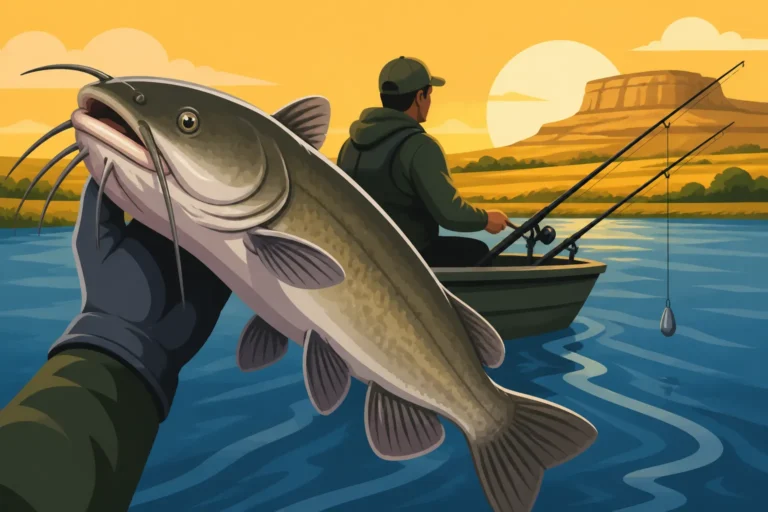
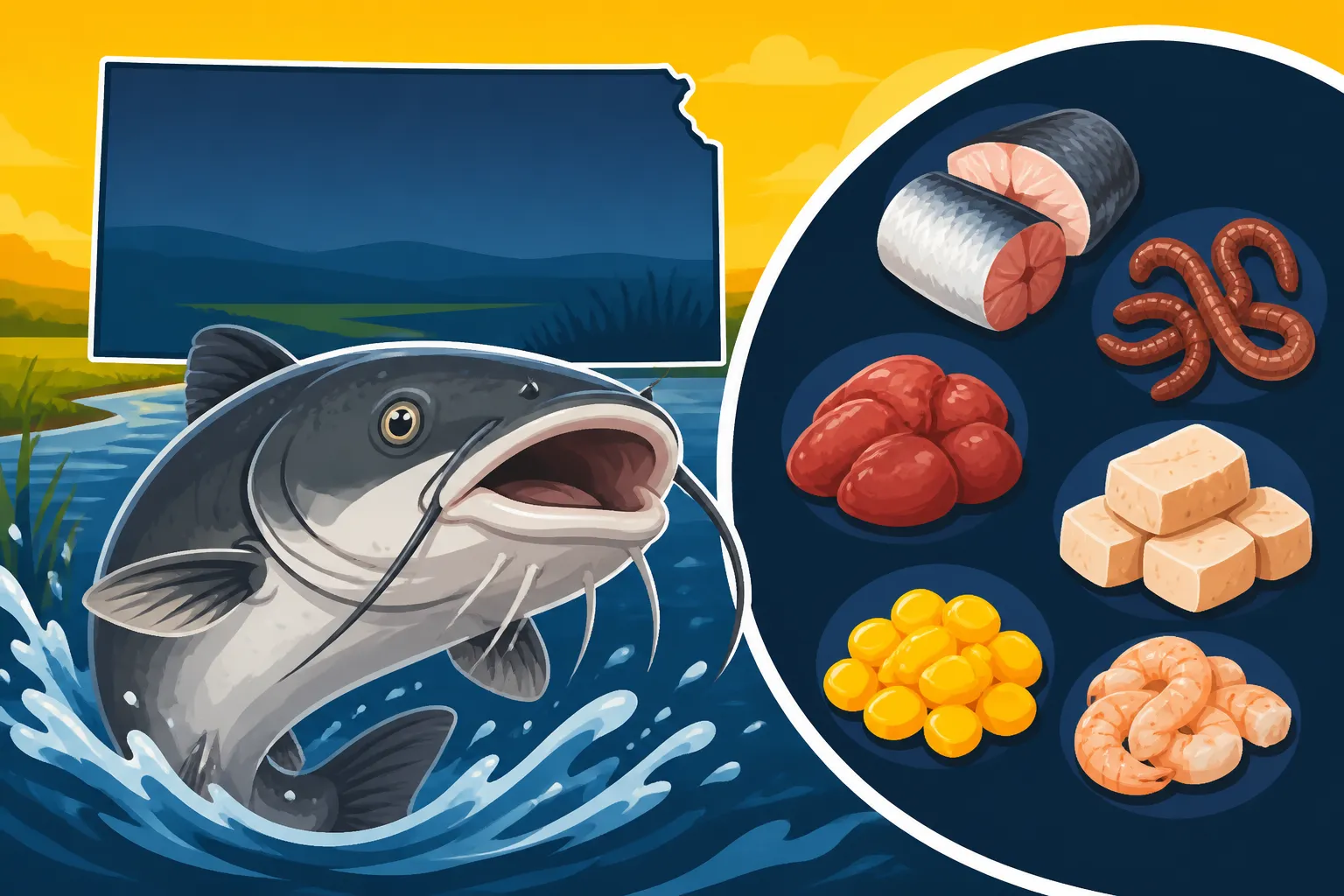
Finding the perfect bait for Kansas catfish can feel like a never-ending quest, especially with our diverse waterways, from sprawling reservoirs like Milford Lake to the winding Kansas River. You’ve likely stood in the bait shop aisle, scratching your head, wondering if those expensive stink baits are really worth it, or if a simple worm from the garden would do. This guide is here to cut through the confusion and equip you with the knowledge to pick the best bait for consistently hooking Kansas's whiskered giants, whether you're after a feisty channel cat, a trophy blue cat, or a monstrous flathead.
Understanding What Catfish Eat
Before we dive into specific baits, it's crucial to understand a bit about the dining preferences of our beloved Kansas catfish. Unlike some other game fish, catfish are primarily opportunistic feeders, meaning they'll eat just about anything they can find that's easy to catch and smells appealing. Their keen sense of smell and touch, aided by those prominent whiskers (barbels), allows them to hunt effectively even in murky water or low light conditions.
Channel Catfish Diet Preferences
Channel catfish are the most common species across Kansas, and they're not particularly picky eaters, which is fantastic news for anglers. They have a diverse diet, ranging from insects and crustaceans to small fish and even plant matter. Their scavenging nature means they're highly attracted to strong, savory smells.
In lakes and ponds, you'll find channel cats nosing around for dead baitfish, crayfish, and anything that’s decaying on the bottom. In rivers, they'll often hold in current seams, waiting for food to drift by. This varied diet makes them susceptible to a wide array of baits, from natural offerings to commercially prepared concoctions. The key is often a strong scent trail that helps them locate your offering, especially when you're fishing in murky waters or at night, which are prime times for these fish.
Blue Catfish and Flathead Catfish Appetites
While channel cats are generalists, blue catfish and flathead catfish tend to be more piscivorous, meaning they primarily feed on other fish. This distinction is vital when choosing your bait, as what works wonders for a channel cat might not even get a sniff from a big flathead.
Blue cats, especially the larger ones, are true predators, often schooling up to herd baitfish. They’re drawn to fresh, oily cut bait. Think about the gizzard shad, threadfin shad, or even small carp that inhabit our big reservoirs like Cheney Reservoir or Tuttle Creek Lake; these are natural food sources that blue cats aggressively pursue. Flathead catfish, on the other hand, are ambush predators, preferring live bait. They're often found hiding in cover, waiting for an unsuspecting live sunfish or perch to swim by. They typically don't respond well to dead or prepared baits, making live bait almost a necessity for targeting these powerful fish. Understanding these fundamental differences is the first step toward successful catfish angling in Kansas.
The Power of Natural Baits for Catfish
Natural baits are often the most effective options for Kansas catfish, primarily because they are part of the fish's natural diet. They offer familiar scents, textures, and appearances that catfish recognize and readily consume.
Cut Bait and Its Allure
Cut bait is a consistent champion for enticing both channel catfish and especially the larger blue catfish. The beauty of cut bait lies in its ability to release a powerful scent trail that travels far, drawing in catfish from considerable distances.
To prepare cut bait, you'll want to use fresh, oily fish like gizzard shad, carp, or even small drum. If you can net some fresh shad from your local lake, you're already ahead of the game. For targeting blue cats, I often use larger chunks or strips of fresh shad. For channel cats, smaller pieces work perfectly. You can cut them into strips, squares, or even use a whole head or tail section for really big fish. The key is to make sure your bait is fresh; while catfish will eat dead stuff, they are more attracted to something that smells like it just died, not something that's been thawing in the sun all day. Rigging cut bait on a strong circle hook with a Best Slip Sinker Rig for Catfish allows it to lay naturally on the bottom, letting the scent disperse effectively. Don't be afraid to experiment with different sizes and shapes of cuts based on the size of fish you're targeting.
Earthworms and Nightcrawlers
Ah, the humble worm! While perhaps not as glamorous as cut bait, worms are a time-honored classic and remain incredibly effective, especially for channel catfish and smaller flatheads. They are readily available, easy to store, and nearly universally accepted by fish.
Nightcrawlers are particularly popular due to their size and lively action. Threading a full nightcrawler or a bunch of smaller red wigglers onto a hook creates a wiggling, attractive target that channel catfish find irresistible. They're excellent for bank fishing in smaller ponds, community lakes, and even slower sections of rivers. The natural scent and movement of worms can often trigger a bite when other baits fail. They're also a fantastic choice for kids or beginner anglers because of their ease of use and the high probability of getting bites. Remember that presentation matters; a lively, wiggling worm is far more appealing than a limp, dead one. You can purchase them at almost any bait shop, and they're also widely available on platforms like Amazon if you're looking to stock up in bulk for a long weekend trip.
Crayfish as a Catfish Delicacy
Crayfish are a natural food source for many fish species in Kansas, and catfish, particularly flatheads and large channel cats, absolutely love them. They offer a protein-packed meal that big fish can't resist.
You can often find crayfish under rocks in streams, rivers, or along the shallow margins of lakes. Using a small minnow trap baited with a piece of hot dog or cat food can also yield a good supply. For flatheads, a live crayfish hooked through the tail or the very edge of the carapace (the hard shell on its back) is incredibly effective. For channel cats, you can use them live or dead. If using them dead, consider crushing the head slightly to release more scent. Crayfish are a fantastic bait, especially in rocky areas where catfish are likely to be foraging. They can be tough to keep alive, so a cooler with some damp grass or a battery-powered aerator is a good idea. When fishing with live crayfish, let them move naturally on the bottom; their scuttling movements are a huge draw for predatory catfish.
Prepared Baits: The Stinky, Sticky Secret
When it comes to channel catfish, prepared baits are often the go-to for their convenience and incredible scent power. These baits are designed specifically to unleash an olfactory assault that channel cats just can't ignore.
Stink Baits and Punch Baits
Stink baits and punch baits are perhaps the most famous and widely used prepared baits for channel catfish, and for good reason—they absolutely reek! This powerful odor is precisely what makes them so effective, as channel cats rely heavily on their sense of smell.
Commercial stink baits, like those from popular brands such as Catfish Charlie or Secret 7, come in various forms, from dips to doughs. Punch baits are similar but typically have a tougher consistency, often requiring you to "punch" your treble hook into a tub of it to load it up. These baits are infused with potent ingredients like cheese, blood, or decaying animal proteins that create an irresistible scent cloud in the water. They are designed to stay on the hook long enough to attract fish and withstand cast after cast, though some can be notoriously messy. I've had great success with them in many of Kansas's community fishing lakes and larger reservoirs when targeting numbers of channel cats. You can often find a wide variety of these baits on Amazon, and it's worth trying a few different types to see what the local catfish prefer. They’re usually best fished on a treble hook or a special worm-like bait holder, often near the bottom.
Chicken and Beef Liver
An old-school favorite, chicken or beef liver, continues to prove its worth as a top-notch channel catfish bait. It's cheap, readily available at any grocery store, and has a strong, bloody scent that catfish find irresistible.
The biggest challenge with liver is its soft texture, which can make it difficult to keep on the hook. Many anglers will "toughen" it up by letting it sit in the sun for a bit, soaking it in garlic salt overnight, or even putting it in a mesh bait sac. I've found that cutting it into strips or chunks and then wrapping it around the hook multiple times, or using a treble hook, helps immensely. The blood and oils released by the liver create a fantastic scent trail, making it particularly effective in warmer water when catfish are more active and feeding aggressively. While it might be a bit messy to handle, the results often speak for themselves, especially for consistent channel cat action. This is a classic bait that every Kansas catfish angler should have in their arsenal, particularly for those summer evenings when you're looking for some fast-paced action.
Live Baits: The Preferred Choice for Trophy Cats
If your goal is to land a truly massive flathead or a monster blue catfish, live bait is often your best bet. The natural movement and distress signals from a live baitfish are incredibly attractive to these apex predators.
Live Baitfish: Shad, Sunfish, and Minnows
Live baitfish are the undisputed kings for tempting big flatheads and blue catfish. The struggle and scent of a live, healthy baitfish are like a dinner bell for these powerful predators.
For blue catfish, live gizzard shad or threadfin shad are phenomenal. These are their natural forage, and a lively shad hooked through the back (above the lateral line, avoiding the spine) or lips will often draw an immediate strike. Make sure your baitfish are healthy and active; a weak, dying bait is far less appealing. For flathead catfish, you absolutely cannot go wrong with live sunfish (like bluegill or green sunfish) or small bullheads. These fish are tough and can withstand being on the hook for extended periods, wiggling and attracting attention. Always check current Kansas Fishing Regulations Explained regarding the use of live bait, especially when it comes to using game fish as bait. Some regulations might restrict what you can use or how you can transport them. Remember, bigger bait often equals bigger fish, so don't be shy about using a 4-6 inch sunfish for those trophy flatheads. You'll need a good aerated bait bucket to keep them frisky throughout your fishing trip.
Frogs, Grasshoppers, and Other Critters
While less common than fish or worms, other live critters like frogs and large grasshoppers can be incredibly effective in certain situations, especially for opportunistic channel cats and even smaller flatheads.
Frogs, especially smaller ones, are a natural food source in many waters. They provide both visual appeal and a wiggling action that can trigger a strike. Hooking a frog through the lips or a hind leg will allow it to swim naturally. Grasshoppers, large crickets, or even cicadas can be dynamite during their seasonal appearances. These insects are often found near the water, and catfish are well-aware of them falling in. Their frantic kicking on the surface or just below can be an easy meal. While you might not be buying these in bulk from Amazon, a quick hunt around your fishing spot can often yield enough for a productive session. These baits are particularly effective in areas with dense vegetation or shallow banks where these critters are likely to live.
Effective Bait Presentation and Rigging for Catfish
Having the best bait is only half the battle; knowing how to present it effectively is crucial for consistent success. The right rig ensures your bait is visible, accessible, and appealing to the catfish you're targeting.
Essential Catfish Rigs
There are several tried-and-true rigs that catfish anglers rely on. The choice often depends on the water conditions, target species, and the type of bait you're using.
- Slip Sinker Rig (Carolina Rig variation): This is arguably the most popular and versatile rig for bottom fishing. It consists of a slip sinker (like an egg sinker or no-roll sinker) on your main line, followed by a bead (to protect the knot), a swivel, and then a leader (12-24 inches) tied to your hook. The slip sinker allows the line to move freely through it, so when a fish picks up the bait, it doesn't immediately feel the weight of the sinker. This setup is fantastic for cut bait, worms, and even live bait, presenting it naturally on the bottom. It's especially effective in current, where the bait can drift slightly with the flow. For more details on this versatile setup, check out our guide on Best Slip Sinker Rig for Catfish.
- Santee Cooper Rig: This is a variation of the slip sinker rig, designed specifically to lift your bait slightly off the bottom, making it more visible and keeping it out of debris. It adds a small float (often called a peg float or Santee Cooper float) on the leader, just above the hook. This float suspends the bait a few inches to a foot off the bottom. It's particularly effective when fishing over muddy bottoms or areas with light cover, preventing your bait from getting buried. It works wonders with cut bait and larger chunks of prepared bait for both channel and blue catfish.
- Three-Way Swivel Rig: Ideal for fishing in current or when you want to present your bait at a specific depth off the bottom. One eye of the swivel ties to your main line, another to a short leader with a sinker (often a bell sinker), and the third to a longer leader with your hook and bait. This keeps your bait stable in current and allows you to adjust the sinker weight to match the flow.
Hook Selection for Catfish
The right hook is paramount. It needs to be strong enough to handle powerful fish and correctly sized for your bait and target species.
- Circle Hooks: For catfish, circle hooks are hands-down the best choice. Their unique shape is designed to hook the fish in the corner of the mouth, leading to fewer gut hooks, which is crucial for catch and release and healthier fish. They are also largely self-setting; you simply apply steady pressure when you feel a bite, rather than setting the hook with a hard jerk. This makes them ideal for various baits, especially cut bait and live bait. For specific recommendations, our guide on Best Circle Hooks for Catfish provides excellent insights.
- J-Hooks: While traditional J-hooks can work, they require a more aggressive hook set and are more prone to gut-hooking fish, especially when using larger baits. If you're using prepared baits that require a treble hook (like punch baits), a strong, sharp treble hook is essential.
- Hook Size: Match your hook size to your bait and the size of catfish you expect to catch. For channel cats with worms or smaller cut bait, a 4/0 or 5/0 circle hook is usually adequate. For trophy blue cats or flatheads using large live or cut bait, you might need a substantial 8/0 to 10/0 circle hook. For more detailed guidance, check out our piece on Best Hook Size for Channel Catfish.
Line Weight and Strength
Don't skimp on line strength when targeting Kansas catfish. These fish fight hard, especially in current, and you'll often be fishing around snags.
For general channel cat fishing in ponds or smaller lakes, 15-20 lb monofilament or fluorocarbon is usually sufficient. However, for serious reservoir or river fishing targeting big blue cats or flatheads, you'll want to step up to 30-50 lb braided line, or even heavier for absolute monsters. Braided line offers superior strength-to-diameter ratio, no stretch for better hook sets, and excellent abrasion resistance. Always use a strong leader, usually fluorocarbon, for stealth and abrasion resistance, especially in rocky areas. Our comprehensive guide on Best Line Weight for Kansas Catfish can help you pick the perfect setup for your next big catch.
| Bait Type | Target Species | Pros | Cons | Best Conditions |
|---|---|---|---|---|
| Cut Bait | Blue Catfish, Channel Catfish | Strong scent, natural food, good for big fish | Can be messy, needs fresh source | All water temps, current, clear/murky |
| Worms | Channel Catfish, Small Flatheads | Readily available, easy to use, universal appeal | Can be small, less effective for trophy cats | All water temps, still/slow water, ponds |
| Crayfish | Flathead Catfish, Large Channels | Natural food, irresistible to flatheads | Hard to obtain/keep alive, can be expensive | Rocky areas, clear water, warmer temps |
| Stink/Punch Bait | Channel Catfish | Powerful scent, easy to rig | Very messy, mainly for channels, not flatheads | Warmer water, murky conditions, still water |
| Chicken/Beef Liver | Channel Catfish | Cheap, strong scent | Very soft, hard to keep on hook | Warmer water, murky conditions |
| Live Baitfish | Flathead Catfish, Blue Catfish | Highest chance for trophy fish, natural | Requires aerator, can be hard to obtain | All water temps, best for large lakes/rivers |
| Frogs/Grasshoppers | Channel Catfish, Small Flatheads | Natural food, good action | Seasonal, harder to obtain, niche use | Vegetated areas, warmer temps |
Seasonal and Water Condition Considerations for Bait
The effectiveness of different baits can change significantly with the seasons and prevailing water conditions. Catfish behavior, including their feeding habits, is heavily influenced by water temperature, clarity, and current.
Warm Water Tactics
During the warmer months, roughly from late spring through early fall, Kansas catfish are much more active. Their metabolism is high, and they feed aggressively. This is often when you'll experience the best fishing, but bait choice can still make a difference.
In warm water, strong-smelling baits really shine. Channel catfish, especially, will respond enthusiastically to powerful stink baits, chicken liver, and oily cut bait. The warmer water helps to disperse the scent molecules more rapidly, creating a larger and more potent scent trail. This is the prime time for targeting a lot of channel cats. For big blue cats, fresh cut bait from oily species like shad is still king, as they are actively foraging for schooling baitfish. Flatheads will be on the prowl for live bait, and their ambush points near submerged timber or rock piles will be active. Consider fishing at night during the peak of summer, as catfish often become more active when water temperatures cool slightly and light levels are low. For general tips on when to expect the best action, our guide on Best Time of Year for Catfish offers a great overview.
Cold Water Tactics
As the water temperatures drop in late fall and winter, catfish metabolism slows down considerably. They become less active, their feeding windows shorten, and they generally prefer a more subtle, readily available meal.
During colder periods, extremely strong, pungent baits might be too aggressive for a sluggish catfish. Instead, focus on fresh, natural offerings that are less overpowering. For channel catfish, fresh cut bait (especially from panfish) in smaller pieces, or even a single, lively nightcrawler, can be more effective. For blue catfish, fresh cut bait remains a top choice, but you might need to present it in areas where baitfish are congregating, as the blue cats will be less inclined to chase. Flatheads become notoriously difficult to catch in cold water, often holing up in deep cover and rarely feeding. If you do target them, a small, live baitfish presented slowly and directly in their suspected ambush point might elicit a strike, but don't expect fast action. Patience is paramount when fishing for cold-water catfish, and sometimes subtle changes in your bait presentation can make all the difference.
Muddy Water Versus Clear Water
Water clarity also plays a significant role in bait selection. Kansas waters can range from crystal clear to quite turbid, often depending on recent rainfall and river flows.
- Muddy Water: When the water is muddy or heavily stained, catfish rely almost entirely on their sense of smell. This is where strong, odoriferous baits truly excel. Stink baits, punch baits, and super-oily cut baits (like shad) create a scent cloud that can penetrate the murky water and reach distant catfish. Don't be shy about using the stinkiest bait you can find; the more smell, the better. The fish can't see your bait, so scent is everything.
- Clear Water: In clearer water, catfish might be more visually oriented, in addition to relying on smell. While strong scents are still important, the appearance and movement of your bait become more critical. Live baitfish for flatheads and blue cats will be even more effective as their natural movements are highly visible. For channel catfish, fresh cut bait or even large, lively worms can work well. In clear water, line visibility can also be a factor, so consider using a fluorocarbon leader for stealth, especially if targeting wary fish. You might also want to downsize your terminal tackle slightly to appear less intrusive.
Final Thoughts on Catfish Bait
Choosing the best bait for Kansas catfish isn't a one-size-fits-all endeavor. It's about understanding the specific species you're targeting, the time of year, and the conditions of the water you're fishing. From the classic simplicity of a nightcrawler to the pungent power of a good punch bait, and the irresistible allure of live shad, each bait has its time and place. Don't be afraid to experiment! What worked wonders last week might not be the ticket today, and sometimes, the fish just have a different preference. Always keep a variety of options in your tackle box – whether you're grabbing a new tub of commercial bait from a local shop or browsing options on Amazon, or even catching your own fresh bait. With the right bait and a bit of patience, you'll be well on your way to a successful Kansas catfish adventure. For more in-depth knowledge on where to find these amazing fish, make sure to check out our guides on Kansas River Catfish Spots or Tuttle Creek Lake Catfish Fishing.
Disclaimer
Fishing regulations and best practices can change. Always consult the latest Kansas Department of Wildlife, Parks and Tourism (KDWPT) regulations before heading out. This guide is for informational purposes only and should not replace official guidelines.