Best Headlamp for Night Fishing in Kansas
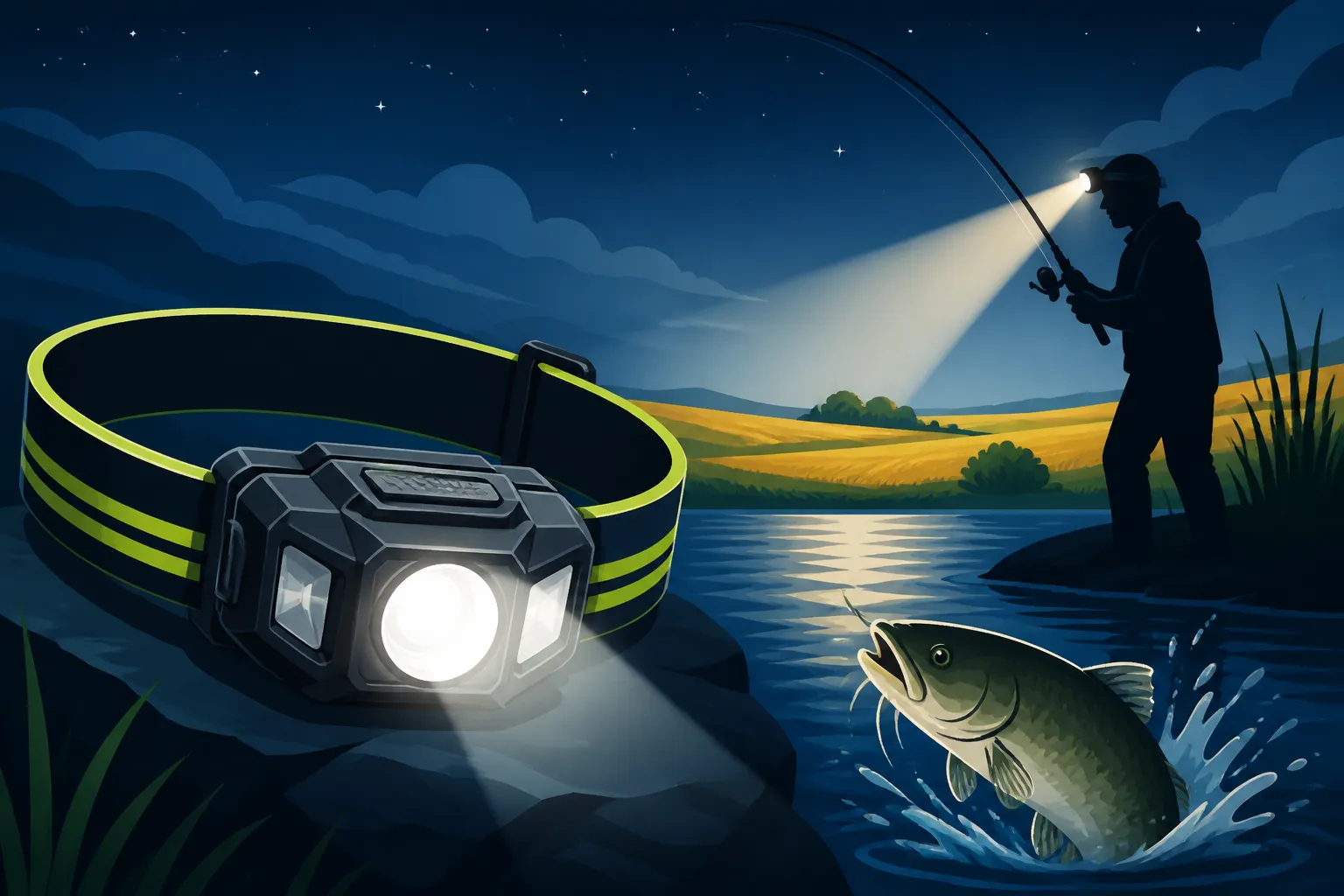
There’s nothing quite like the allure of fishing under a blanket of stars, the quiet broken only by the chirping of crickets and the splash of a fish on the line. But let's be real, trying to tie a knot or unhook a fish in pitch blackness can quickly turn that peaceful experience into a frustrating tangle. Many of us have fumbled with a phone flashlight, dropped gear in the water, or simply given up because we couldn't see what we were doing. This guide is here to tackle that common problem head-on, helping you discover the perfect headlamp to illuminate your Kansas night fishing adventures safely and effectively, ensuring you spend more time catching and less time cursing the darkness.
Why a Good Headlamp is Non-Negotiable for Kansas Night Fishing
Night fishing in Kansas offers a unique thrill, especially for species like catfish or walleye that become more active after dark. However, the darkness that brings these fish out also presents significant challenges. A reliable headlamp isn't just a convenience; it's a fundamental piece of safety equipment and a critical tool for success. You wouldn't hit the water without your rod and reel, so why would you venture out after sunset without proper hands-free illumination?
The Dangers of Darkness on the Water
Imagine stepping onto an unfamiliar bank at Milford Lake in the dead of night, trying to navigate uneven terrain or avoid submerged obstacles. Or perhaps you're on a boat on Cheney Reservoir, and suddenly you need to untangle a line or land a fish, all while rocking gently on the water. Without adequate light, these situations can quickly become hazardous. Tripping hazards, accidental falls into the water, or even cuts from hooks and knives are real risks when you can't see what you're doing. A good headlamp casts a clear, steady beam exactly where you need it, significantly reducing these dangers and letting you focus on the fish, not the peril.
Even on a calm night, simple tasks like baiting a hook or removing a fish from the net become exponentially harder and riskier without direct, focused light. Think about dealing with a feisty flathead in the dark – one wrong move and that hook could end up in your hand instead of the fish. Safety should always be your top priority, and a quality headlamp is your first line of defense against the unforeseen challenges of the night.
Keeping Your Hands Free for Fishing
One of the biggest advantages of a headlamp over a traditional flashlight is obvious: it keeps your hands free. As anglers, our hands are constantly busy – rigging tackle, casting lines, reeling in catches, baiting hooks, or handling fish. Trying to hold a flashlight in one hand while performing these delicate or strength-requiring tasks with the other is, at best, inefficient and, at worst, dangerous. Picture yourself trying to tie a tiny knot with a flashlight clenched between your teeth, the beam bouncing erratically as you move your head. It's a recipe for frustration.
With a headlamp, the light follows your gaze, illuminating precisely what you're working on. This allows for precision in bait presentation, efficient knot tying, safe fish handling, and quicker unhooking. This hands-free benefit extends to everything from setting up your gear before prime time, to packing up after a successful session, making the entire night fishing experience smoother and more enjoyable. It means you can manage your rod, net, and a struggling fish all at once without compromising visibility.
Enhancing Your Night Fishing Success
Beyond safety and convenience, a well-chosen headlamp can genuinely improve your night fishing success. Many species, particularly catfish and walleye, are less wary in low light, making night fishing prime time for trophy catches. However, being able to see subtle line twitches, navigate quietly to productive spots, and efficiently manage your catch once hooked are all facilitated by good illumination. The ability to quickly identify a snag, re-tie a broken line, or even locate specific features on the bank or water surface can make the difference between a frustrating night and a memorable one.
Furthermore, being able to accurately cast into dark pockets, observe where your line enters the water, and monitor any small obstacles in your immediate vicinity empowers you to fish more confidently and effectively. Without a clear view, you might be less inclined to try new spots or techniques after dark. A good headlamp removes that barrier, encouraging exploration and improving your overall angling performance. You'll find yourself making less noise, creating fewer disturbances, and ultimately increasing your chances of a successful outing. For more insights on fishing after sunset, check out our guide on Kansas Night Fishing Guide.
Key Features to Look for in a Night Fishing Headlamp
Choosing the right headlamp isn't about picking the brightest one on the shelf. It's about finding a balance of features that suit the unique demands of night fishing in Kansas. From lumen output to water resistance, each specification plays a crucial role in its overall utility.
Brightness and Beam Type
The "brightness" of a headlamp is typically measured in lumens. While a higher lumen count often sounds better, it's not always necessary for fishing and can drain batteries faster. For most night fishing tasks like tying knots, baiting hooks, or walking along the bank, 100-300 lumens is often sufficient. If you need to cast a beam across a wide area to scout for structure or retrieve a lost lure, a headlamp with a burst mode or a higher maximum output (500+ lumens) can be very useful, but you won't need that level of brightness constantly.
Equally important is the beam type. Most quality headlamps offer a combination of a spot beam and a flood (or wide) beam. A spot beam provides a focused, intense light for long-distance visibility, like spotting a buoy or an approaching boat on the water. A flood beam offers a broader, less intense light that's ideal for close-up tasks like tying knots, preparing bait, or rummaging through your tackle box, illuminating your immediate work area without creating blinding hotspots. Some advanced headlamps allow you to adjust the beam width, providing ultimate versatility for varying situations.
Battery Life and Power Source
Nothing ruins a night fishing trip faster than a dead headlamp battery when the bite is hot. Consider both the battery type and its runtime.
- Disposable Batteries (AA/AAA): These are common, readily available, and great for backup. The downside is the ongoing cost and environmental impact. Look for models that boast long runtimes on lower settings.
- Rechargeable Batteries (Li-ion, often integrated): Many modern headlamps feature built-in rechargeable lithium-ion batteries, which are convenient and cost-effective in the long run. They often charge via USB, meaning you can top them up with a power bank right on the water if needed. However, if the battery dies, you're out of luck unless you carry a fully charged spare battery pack (if the model allows).
Always check the manufacturer's stated runtime, noting that these figures are usually for the lowest setting. A good headlamp for night fishing should offer at least 8-10 hours on a medium setting. Consider carrying spare disposable batteries or a fully charged power bank as a backup, especially on longer trips. For tips on maximizing your battery life, explore our guide on Conserving Battery Life.
Water Resistance and Durability
Kansas weather can be unpredictable, and fishing environments are inherently wet. Your headlamp needs to withstand splashes, rain, and possibly even a brief submersion. Look for an Ingress Protection (IPX) rating, which indicates how well the device is sealed against solids and liquids.
- IPX4: Protected against splashing water from any direction. Good for light rain.
- IPX7: Protected against temporary submersion in water (up to 1 meter for 30 minutes). This is an excellent standard for fishing gear, offering peace of mind if it accidentally goes overboard.
- IPX8: Protected against continuous submersion in water beyond 1 meter. This is the highest level of protection and ideal for extreme conditions or if you frequently fish in very wet environments.
Beyond water resistance, consider overall durability. Fishing gear takes a beating. Look for headlamps made from robust materials, with strong hinges and battery compartments that seal tightly. A headlamp that can withstand accidental drops onto rocky banks or boat decks will serve you far better in the long run.
Red Light Mode and Its Importance
Perhaps one of the most underrated features for a fishing headlamp is a dedicated red light mode. While bright white light is essential for many tasks, it can have several drawbacks when night fishing:
- Preserving Night Vision: White light instantly causes your pupils to contract, destroying your natural night vision. When you turn it off, it takes a good 20-30 minutes for your eyes to fully readjust to the darkness. Red light, on the other hand, allows you to see what you're doing without completely compromising your night vision. This means you can quickly switch between using your light and scanning the water or navigating in the dark.
- Minimizing Spooking Fish: Fish can be sensitive to sudden, bright white lights. While there's debate on how much light spooks fish, a red light is generally less intrusive. It helps you blend in with the environment, especially when you need a quick glance at your line or bait without sending every fish in the vicinity scattering.
- Less Annoying to Other Anglers: If you're fishing with friends or near other anglers, constantly flashing a bright white light can be disruptive and annoying. A red light provides enough illumination for personal tasks without blinding those around you.
Look for a headlamp that offers an easy way to switch directly to red light mode, ideally without having to cycle through bright white light first. This small feature makes a huge difference in the overall night fishing experience.
Comfort and Practicality: Beyond the Specs
Even the most technically advanced headlamp won't be much good if it's uncomfortable or difficult to use when you're out on the water. When considering your ideal headlamp, don't overlook the practical aspects that contribute to a positive user experience. You'll be wearing this for hours, potentially in varying conditions, so comfort and ease of use are paramount.
Ergonomics and Adjustable Straps
A headlamp needs to stay securely on your head, whether you're casting aggressively, bending over to net a fish, or navigating a bumpy boat ride. The strap system is key here. Look for:
- Adjustable and Stretchy Straps: The headband should be easily adjustable to fit different head sizes, or over hats and beanies. A stretchy, breathable fabric will prevent uncomfortable pressure points and sweat buildup.
- Top Strap (Optional but Recommended): For heavier headlamps or those planning extensive activity, a secondary strap that goes over the top of your head can provide extra stability and prevent slippage, distributing the weight more evenly.
- Soft, Non-Irritating Material: The material that touches your skin should be soft and comfortable, especially if you plan to wear the headlamp for several hours without a hat. Rough or scratchy materials can quickly become irritating.
Try on the headlamp if possible, or read reviews specifically addressing comfort during extended wear. A poorly fitting headlamp will constantly need adjusting, pulling your focus away from fishing.
Weight Distribution and Long-Term Wear
While many modern headlamps are lightweight, even a few extra ounces can start to feel heavy after several hours of wear. The placement of the battery pack also affects weight distribution.
- Front-Mounted vs. Rear-Mounted Batteries: Some headlamps have all components, including batteries, integrated into the front housing. Others separate the battery pack and place it at the back of the head strap. Rear-mounted battery packs can offer better balance, reducing the feeling of "front-heaviness" and preventing the headlamp from sagging forward, particularly if using larger, heavier batteries.
- Overall Weight: Aim for a headlamp that feels light enough that you almost forget you're wearing it. While a more powerful headlamp might be slightly heavier, the comfort should still be a priority. If you're sensitive to head pressure, lighter models are generally better.
Think about how long your typical night fishing sessions last. For quick trips, weight might be less of a concern, but for those all-nighters chasing Kansas Channel Catfish Daily Limit, comfort becomes absolutely critical.
Ease of Operation with Cold or Wet Hands
Imagine fumbling with tiny buttons or complex menus when your fingers are cold, wet, or covered in fish slime. It's a frustrating experience. A good fishing headlamp should be intuitive and easy to operate even under less-than-ideal conditions.
- Large, Accessible Buttons: Controls should be distinct, easy to press, and ideally placed so you can operate them without looking. Avoid headlamps with multiple tiny buttons that require precision.
- Simple Mode Switching: Switching between brightness levels or from white to red light should be straightforward, ideally with a single button or a simple sequence. You don't want to accidentally blast a bright white light across the lake when all you wanted was a subtle red glow.
- Lockout Feature: A lockout feature (often a long press of the power button) prevents the headlamp from accidentally turning on in your tackle bag, saving precious battery life.
Consider the design of the headlamp. Some brands prioritize sleekness, which can sometimes come at the cost of practical usability in rugged conditions. Look for a design that prioritizes functionality in the real world of fishing.
Top Headlamp Brands and Where to Find Them for Kansas Anglers
When it comes to essential gear like headlamps, investing in reputable brands often pays off in terms of reliability, durability, and customer support. While there are countless options available, a few brands have consistently earned the trust of anglers and outdoor enthusiasts.
Reputable Headlamp Manufacturers
Several manufacturers have built a strong reputation for producing high-quality headlamps suitable for demanding outdoor activities, including fishing. These brands often integrate advanced features, robust construction, and excellent battery management into their products.
- Petzl: A French company known for pioneering headlamp technology. Petzl headlamps are generally very durable, offer excellent light quality, and often include innovative features like reactive lighting, which automatically adjusts brightness based on ambient light. They have a wide range of models, from compact, lightweight options for casual use to powerful units for more demanding adventures.
- Black Diamond: Another highly respected brand in the outdoor industry, Black Diamond offers a solid lineup of headlamps known for their robust build quality, impressive lumen output, and user-friendly interfaces. Their models often feature multiple lighting modes, including red light, and good water resistance ratings. They are a favorite among hikers, climbers, and, increasingly, anglers.
- Fenix: Known for producing powerful and highly durable flashlights and headlamps, Fenix often appeals to users who prioritize high lumen output and rugged construction. Their headlamps frequently feature advanced circuitry for consistent brightness and impressive battery runtimes, even on higher settings. They are a popular choice for those who need a truly reliable and bright light source.
- Coast: Coast products are often designed with a focus on practical functionality and durability, making them a good fit for work and outdoor applications. Their headlamps often feature proprietary beam-shaping technology, allowing users to easily switch between spot and flood beams with a simple twist or slide. They provide a balance of features and affordability.
While these are some of the most prominent names, other brands like Princeton Tec and Streamlight also produce excellent headlamps that are worth considering. The key is to look for brands with a track record of quality and products designed for the rigors of outdoor use.
Where to Purchase Your Next Headlamp
Once you've narrowed down the features and brands that appeal to you, the next step is finding where to buy your new headlamp. Kansas anglers have several convenient options, both in-person and online, to explore.
- Specialty Outdoor and Sporting Goods Stores: Local or regional sporting goods stores often carry a good selection of headlamps from reputable brands. Stores like Bass Pro Shops are excellent places to start. They allow you to physically try on different models, compare beam patterns in a dark room (if available), and get advice from knowledgeable staff. This hands-on experience can be invaluable for assessing comfort and ease of use. You can also often find a wider range of accessories like spare batteries or charging cables.
- Online Retailers: For sheer variety and competitive pricing, online retailers like Amazon are hard to beat. You'll find an extensive selection of headlamps from virtually every major brand, often with detailed specifications and customer reviews that can help inform your decision. Shopping online also provides the convenience of having your chosen headlamp delivered directly to your door. Just be sure to read reviews carefully and check the seller's return policy, especially if you can't physically test the product beforehand.
- Hardware Stores and Big Box Retailers: Some larger hardware stores or general merchandise retailers may carry basic headlamp models. While these might be suitable for very casual use, they often lack the advanced features, durability, and specialized lighting modes (like red light) that are beneficial for serious night fishing.
When purchasing, whether in-store or online, remember to verify the warranty and return policy. A good warranty provides peace of mind, especially for a piece of gear that will be exposed to the elements.
Tips for Using Your Headlamp Effectively for Night Fishing
Having the best headlamp is only half the battle; knowing how to use it wisely can make all the difference between a successful night of fishing and one fraught with frustration. Effective headlamp usage involves strategic thinking about light conservation, minimizing your impact on the fish, and proactive maintenance.
Conserving Battery Life
Even the most robust batteries eventually run out, and there’s nothing worse than being plunged into darkness mid-fight. Here are some critical tips to squeeze every last minute out of your headlamp’s power source:
- Use the Lowest Necessary Setting: Most headlamps have multiple brightness levels. For tasks like tying knots or baiting, the lowest white light setting or, better yet, the red light mode, is usually sufficient. Reserve the high-lumen blast for navigation or identifying distant objects. Using lower settings significantly extends battery life, sometimes by hours or even days.
- Turn it Off When Not Needed: It sounds obvious, but many anglers leave their headlamps on even when simply waiting for a bite or observing the stars. Make it a habit to switch off the light when you're not actively using it. Every second counts.
- Carry Spare Batteries or a Power Bank: This is your ultimate insurance policy. For disposable battery models, always have a fresh set in your tackle box. If your headlamp is rechargeable, a small, fully charged power bank and the appropriate USB cable can give you a crucial top-up on the go. Consider an external battery pack if your headlamp supports it, as these often offer much longer runtimes.
- Utilize Red Light Mode: As discussed, red light consumes less power than white light and preserves your night vision. Make it your go-to for most close-up tasks. This not only saves battery but also enhances your overall night fishing experience by allowing your eyes to stay adjusted to the dark. For more detailed information, see Best Lantern Setup for Night Fishing for additional illumination strategies.
Minimizing Spooking Fish with Light
While you need light to operate, you also don't want to alert every fish in the lake to your presence. Fish, especially those in clear water, can be sensitive to sudden movements and bright lights.
- Avoid Direct Beams on the Water: Try not to shine your headlamp directly into the water, particularly near where you are actively fishing. The sudden glare can send fish scattering. If you need to check your line, aim the beam just above the water or use your red light.
- Use Red Light for Subtle Tasks: When baiting, unhooking, or checking your gear, switch to red light mode. It's much less intrusive than white light and maintains a stealthy presence. This is particularly important for wary species like walleye.
- Dim Your Light Gradually: If you must use white light, try to dim it or cup your hand over the lens as you turn it on or off, especially if other anglers are nearby. A sudden flash can be startling to both fish and humans.
- Position Yourself Away from the Water's Edge: If possible, perform tasks requiring bright light a few feet back from the water's edge, using your body to shield the light from the water. This subtle approach can make a big difference in avoiding spooked fish.
Pre-Trip Checks and Maintenance
Just like your boat and fishing rods, your headlamp needs a little TLC to ensure it's always ready for action. Neglecting it can lead to frustrating failures on the water.
- Test Before Every Trip: A quick flick of the switch before you leave home confirms the battery is charged and the light is working. Don't assume it will work just because it did last time.
- Check Battery Levels: For rechargeable units, ensure it's fully charged. For disposable models, check the battery indicator if it has one, or simply swap in fresh ones if you haven't used it in a while. Cold weather can reduce battery performance, so be extra diligent in winter.
- Inspect for Damage: Look for cracks in the casing, frayed straps, or corrosion in the battery compartment. Even small compromises in the seals can lead to water intrusion.
- Clean Regularly: After each trip, especially if it was wet or muddy, wipe down your headlamp with a damp cloth. Pay attention to the lens to ensure optimal light output and clean any grime from the strap. If you fish in saltwater (though less common in Kansas, still possible on certain trips), rinse thoroughly with fresh water.
- Store Properly: Store your headlamp in a dry, cool place. If using disposable batteries, remove them for long-term storage to prevent leakage and corrosion. For rechargeable models, avoid storing them completely depleted or fully charged for extended periods; aim for around a 50-70% charge for optimal battery health. Taking these simple steps will ensure your headlamp remains a reliable partner for many Kansas night fishing adventures to come.
Comparing Different Headlamp Types for Specific Kansas Scenarios
No single headlamp is perfect for every angler or every situation. What works for a casual bank angler might not be ideal for a serious boat fisherman. Understanding the different types and their best applications will help you make a more informed decision tailored to your specific Kansas fishing habits.
Budget-Friendly Options for Occasional Anglers
If night fishing is an occasional treat rather than a regular pursuit, or if you're just starting out, you might not need the most advanced, high-lumen headlamp on the market. Budget-friendly options can still provide reliable light without breaking the bank.
These headlamps typically feature:
- Lower Lumen Output: Usually in the 100-250 lumen range, which is perfectly adequate for most close-up tasks and short walks.
- Fewer Advanced Features: They might have basic white light modes (high/low) and sometimes a simple red light, but often lack sophisticated beam adjustments or reactive lighting.
- Disposable Batteries: Many entry-level models use AA or AAA batteries, making them easy to power up with readily available replacements.
- Basic Water Resistance: Often IPX4, meaning they can handle splashes and light rain but aren't designed for submersion.
A budget headlamp is an excellent choice for someone who primarily fishes during the day but wants the flexibility to stay out a bit longer into the twilight or make an occasional short night trip to a well-known community lake. It’s a great way to ensure safety and convenience without a significant investment. You might find serviceable options at places like Amazon or local discount stores.
High-Performance Models for Dedicated Night Fishermen
For the serious night angler who frequently chases catfish on the Kansas River or targets walleye on Milford Lake after dark, a high-performance headlamp is a worthwhile investment. These models are built for demanding use and offer features that enhance comfort, durability, and versatility.
Expect to find:
- Higher Lumen Output with Multiple Settings: Often ranging from 300 up to 1000+ lumens, with various modes including a potent spot beam for long-distance visibility and a wide flood beam for close-up work.
- Advanced Battery Systems: Typically rechargeable lithium-ion batteries with excellent runtimes, often with options for external battery packs or power-saving modes. Some may even have battery indicators.
- Superior Water Resistance and Durability: IPX7 or IPX8 ratings are common, providing confidence in heavy rain or accidental drops into the water. Robust casings and high-quality materials are standard.
- Smart Features: This can include reactive lighting (adjusts brightness automatically), easy-to-use buttons that can be operated with gloves, and dedicated red light modes accessible without cycling through white light.
These headlamps are designed for extended wear and exposure to harsh conditions, ensuring you have reliable light for hours on end, no matter what Mother Nature throws at you. Brands like Petzl or Black Diamond excel in this category.
Specialized Headlamps for Kayak or Bank Anglers
While general-purpose headlamps work, specific fishing methods can benefit from tailored features.
-
For Kayak Anglers:
- High Water Resistance (IPX7/8): Kayaks are inherently wet environments. Your headlamp is likely to get splashed or even momentarily submerged.
- Lightweight and Secure Fit: Less bulk and a secure strap are crucial when you're paddling, casting from a seated position, and leaning to land fish.
- Good Flood Beam: A wide beam is beneficial for illuminating your immediate cockpit area, tackle, and keeping an eye on your paddle.
- Red Light: Essential for stealth and maintaining night vision on the water.
Kayak anglers often appreciate compact designs that don't snag on gear. Consider what other Kansas Kayak Fishing Gear Guide you'll be using alongside it.
-
For Bank Anglers:
- Robust Durability: Bank fishing often means negotiating uneven terrain, brush, and potentially rocky shores. A headlamp that can withstand drops is important.
- Good Long-Distance Spot Beam: Useful for scouting the bank, spotting potential hazards, or illuminating fishing spots further out from shore.
- Comfort for Walking: If you're moving from spot to spot, a comfortable, well-balanced headlamp that doesn't bounce is a plus.
- Easy Battery Access/Replacement: For long walks, easily swappable batteries or a robust rechargeable system are key.
Bank anglers might prioritize sheer output and ruggedness, as they are often more exposed to the elements and varied terrain.
Here's a quick comparison of general headlamp types to help visualize the differences:
| Feature/Type | Budget-Friendly ($) | High-Performance ($$$) | Kayak/Specialized ($$) |
|---|---|---|---|
| Typical Lumens | 50-250 | 300-1000+ | 200-500 |
| Battery Type | AAA/AA Disposable | Rechargeable Li-ion, often ext. | Rechargeable or Disposable |
| Water Resistance | IPX4 (Splash-proof) | IPX7/IPX8 (Submersible) | IPX7/IPX8 (Submersible) |
| Red Light Mode | Often included, sometimes basic | Standard, with quick access | Standard, with quick access |
| Durability | Moderate plastic | Rugged, impact-resistant | Rugged, compact, impact-resistant |
| Weight/Comfort | Lightweight, basic strap | Balanced, premium strap | Lightweight, secure, low profile |
| Best For | Occasional, short trips | Dedicated, all-night sessions | Wet environments, hands-on tasks |
Choosing the right headlamp is a personal decision, but by carefully considering your typical night fishing scenarios and prioritizing the features that matter most to you, you'll be well on your way to a safer, more productive, and much more enjoyable experience under the Kansas stars.
Disclaimer
This article is for general informational purposes only and does not constitute professional advice. Laws, prices and regulations vary by location and change over time. Consult a qualified professional for guidance on your specific situation.